Blog
In a field that evolves daily, staying ahead means staying informed.
Explore in-depth articles designed to help you solve complex challenges,
maximize your machine’s ROI.
Stay ahead in a competitive market.


In a field that evolves daily, staying ahead means staying informed.
Explore in-depth articles designed to help you solve complex challenges,
maximize your machine’s ROI.
Stay ahead in a competitive market.
News | Jan-8-2024
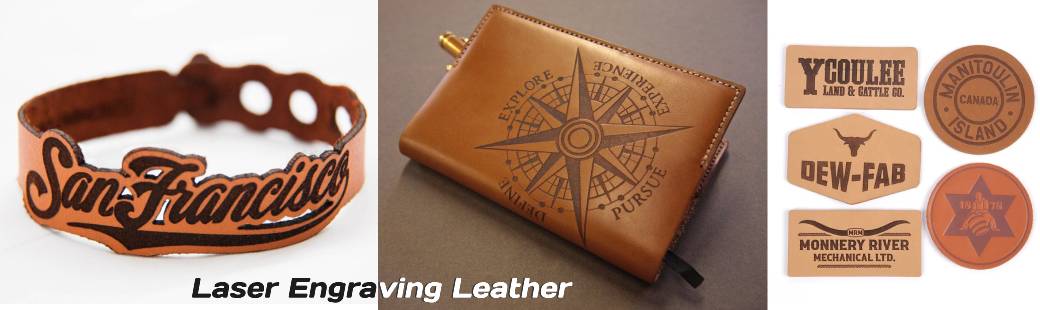
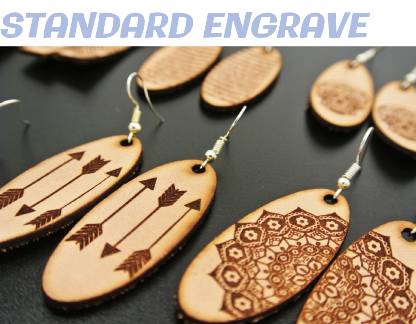
Laser engraved leather is the new fashion in leather projects! Intricate engraved details, flexible and customized pattern engraving, and super fast engraving speed definitely surprise you! Only need one laser engraver machine, no need for any dies, no need for knife bits, the leather engraving process can be realized at a fast speed. Therefore, laser engraving leather not only greatly increases productivity for leather products manufacturing, but also is a flexible DIY tool to meet all kinds of creative ideas for hobbyists.
from
Laser Engraved Leather Lab
So How to laser engrave leather? How to choose the best laser engraving machine for leather? Is laser leather engraving really superior to other traditional engraving methods like stamping, carving, or embossing? What projects can the leather laser engraver finish?
* The Leather Laser Engraver can be customized in machine components and machine sizes, so it suits almost all leather projects like shoes, bracelets, bags, wallets, car seat covers, and more.
Depending on the CNC system and precise machine components, the acrylic laser cutting machine is automatic and easy to operate. You just need to upload the design file to the computer, and set the parameters according to material features and cutting requirements. The rest will be left to the laser. It’s time to free your hands and activate creativity and imagination in mind.
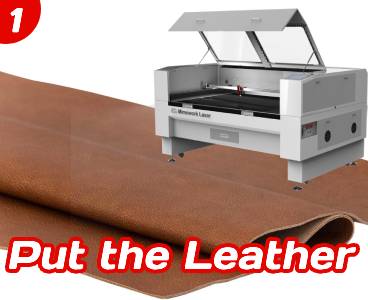
Leather Preparation: You can use the magnet to fix the leather to keep it flat, and better to wet the leather before laser engraving, but not too wet.
Laser Machine: choose the laser machine depending on your leather thickness, pattern size, and production efficiency.
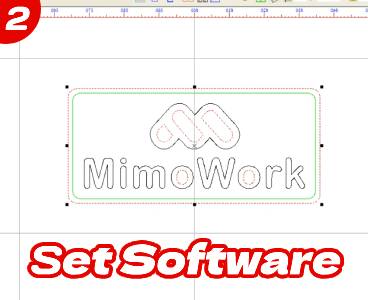
Design File: import the design file into the laser software.
Laser Setting: Set the speed and power for the engraving, perforating, and cutting. Test the setting using the scrap before real engraving.
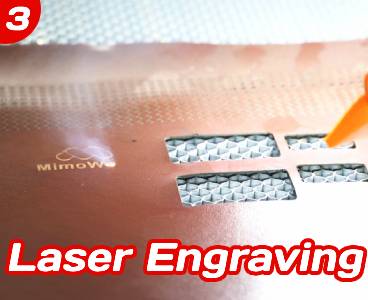
Start Laser Engraving: ensure the leather is in the right position for accurate laser engraving, you can use a projector, template, or laser machine camera to position.
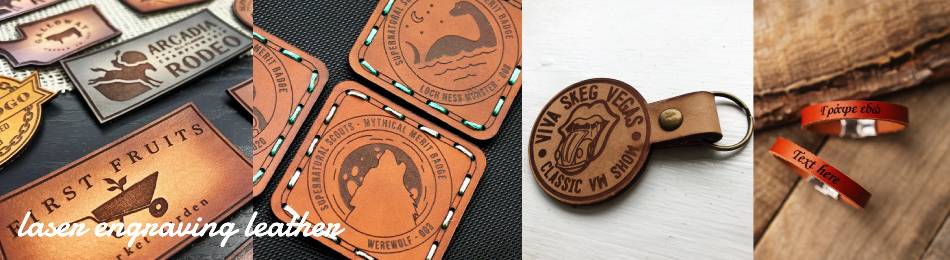
laser engraved leather keychain, laser engraved leather wallet, laser engraved leather patches, laser engraved leather journal, laser engraved leather belt, laser engraved leather bracelet, laser engraved baseball glove, etc.
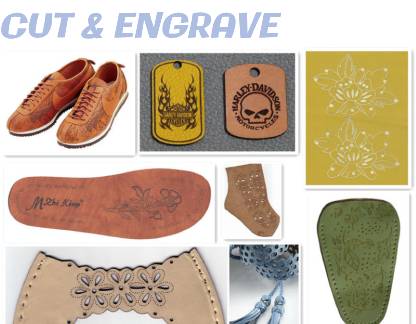
laser cut leather bracelet, laser cut leather jewelry, laser cut leather earrings, laser cut leather jacket, laser cut leather shoes, laser cut leather dress, laser cut leather necklaces, etc.
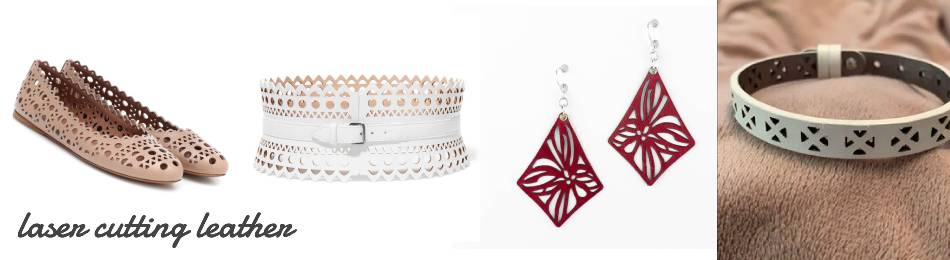
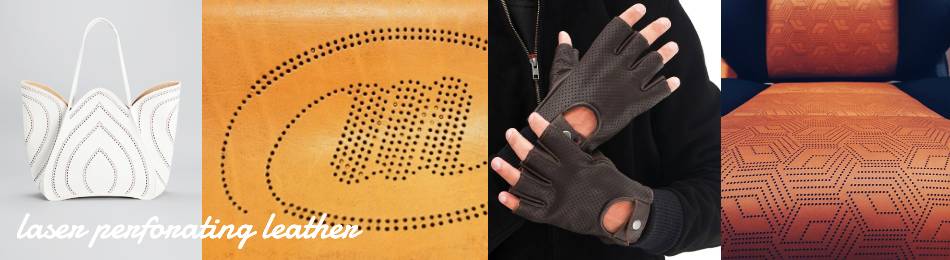
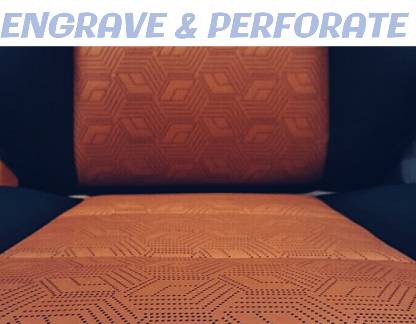
perforated leather car seats, perforated leather watch band, perforated leather pants, perforated leather motorcycle vest, perforated leather shoes upper, etc.
Let’s know and offer you advice
The great engraving effect benefits from the right leather laser engraver, suitable leather type, and correct operation. Laser engraving leather is easy to operate and master, but if you plan to start a leather business or improve your leather productivity, having a little knowledge of basic laser principles and machine types is better.
– How to choose leather laser engraver –
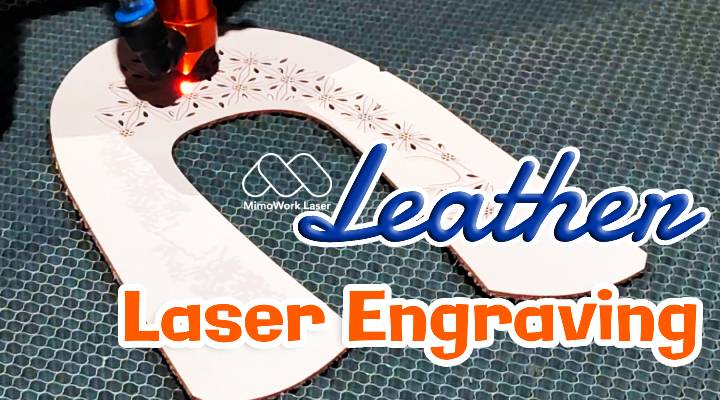
Yes! laser engraving is a highly effective and popular method for engraving on leather. Laser engraving on leather allows for precise and detailed customization, making it a common choice for various applications, including personalized items, leather goods, and artwork. And the laser engraver especially CO2 laser engraver is so easy to use due to the automatic engraving process. Suitable for beginner and experienced laser veterans, the laser engraver can help with leather engraving production including DIY and business.
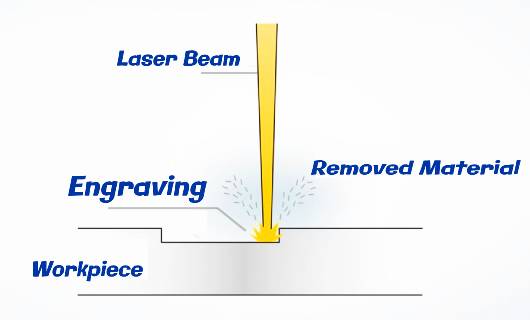
Laser engraving is a technology that utilizes a laser beam to etch, mark, or engrave a variety of materials. It is a precise and versatile method commonly used for adding detailed designs, patterns, or text to surfaces. The laser beam removes or modifies the material’s surface layer through laser energy that can be adjusted, resulting in a permanent and often high-resolution mark. Laser engraving is employed across various industries, including manufacturing, art, signage, and personalization, offering a precise and efficient way to create intricate and customized designs on a wide range of materials such as leather, fabric, wood, acrylic, rubber, etc.
CO2 Laser VS Fiber Laser VS Diode Laser
CO2 Laser
CO2 lasers are widely considered the preferred choice for engraving on leather. Their longer wavelength (around 10.6 micrometers) makes them well-suited for organic materials like leather. The pros of CO2 lasers include high precision, versatility, and the ability to produce detailed and intricate engravings on various types of leather. These lasers are capable of delivering a range of power levels, allowing for efficient customization and personalization of leather products. However, the cons may include a higher initial cost compared to some other laser types, and they may not be as fast as fiber lasers for certain applications.
Fiber Laser
While fiber lasers are more commonly associated with metal marking, they can be used for engraving on leather. The pros of fiber lasers include high-speed engraving capabilities, making them suitable for efficient marking tasks. They are also known for their compact size and lower maintenance requirements. However, the cons include potentially limited depth in engraving compared to CO2 lasers, and they may not be the first choice for applications requiring intricate detailing on leather surfaces.
Diode Laser
Diode lasers are generally more compact and affordable than CO2 lasers, making them suitable for certain engraving applications. However, when it comes to engraving on leather, the pros of diode lasers are often offset by their limitations. While they can produce lightweight engravings, especially on thin materials, they may not provide the same depth and detail as CO2 lasers. The cons may include restrictions on the types of leather that can be effectively engraved, and they might not be the optimal choice for projects requiring intricate designs.
Recommend: CO2 Laser
When it comes to laser engraving on leather, several types of lasers can be used. However, CO2 lasers are the most common and widely used for this purpose. CO2 lasers are versatile and effective for engraving on various materials, including leather. While fiber and diode lasers have their strengths in specific applications, they may not offer the same level of performance and detailing required for high-quality leather engraving. The choice among the three depends on the specific needs of the project, with CO2 lasers generally being the most reliable and versatile option for leather engraving tasks.
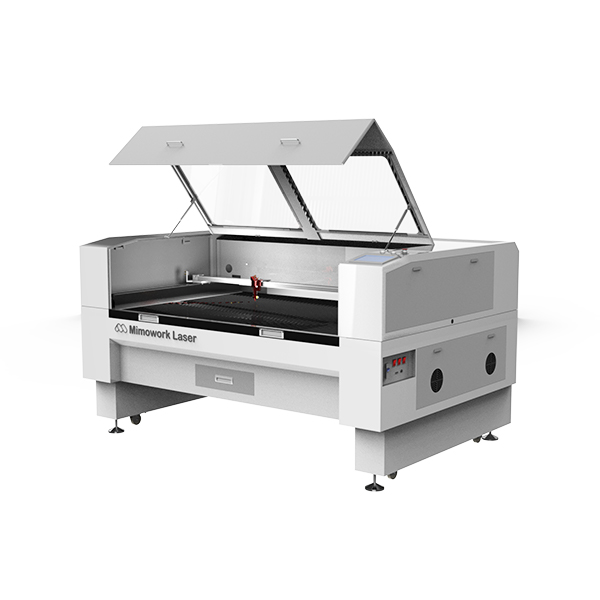
Working Table Size: 1300mm * 900mm (51.2” * 35.4 ”)
Laser Power Options: 100W/150W/300W
Overview of Flatbed Laser Cutter 130
A small laser cutting and engraving machine that can be fully customized to your needs and budget. The two-way penetration design allows you to place materials that extend beyond the cut width. If you want to achieve high-speed leather engraving, we can upgrade the step motor to a DC brushless servo motor and reach the engraving speed of 2000mm/s.
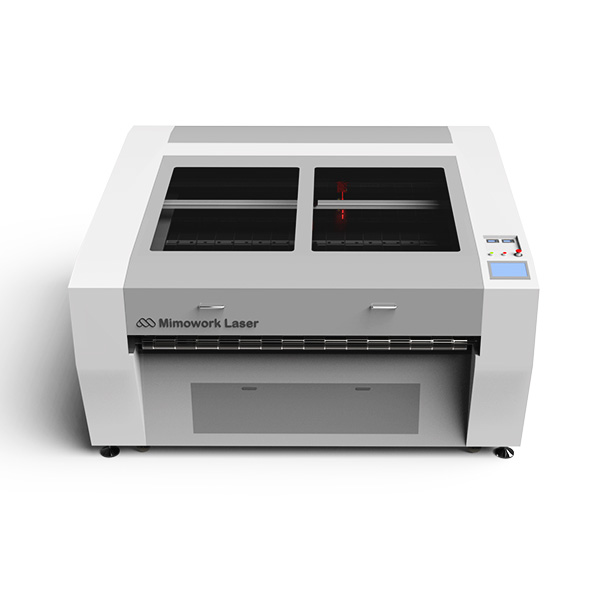
Working Table Size: 1600mm * 1000mm (62.9” * 39.3 ”)
Laser Power Options: 100W/150W/300W
Overview of Flatbed Laser Cutter 160
Customized leather products in different shapes and sizes can be laser engraved to meet continuous laser cutting, perforating, and engraving. The enclosed and solid mechanical structure provides a safe and clean working environment during laser cutting on leather. Besides, the conveyor system is convenient for rolling leather feeding and cutting.
Working Table Size: 400mm * 400mm (15.7” * 15.7”)
Laser Power Options: 180W/250W/500W
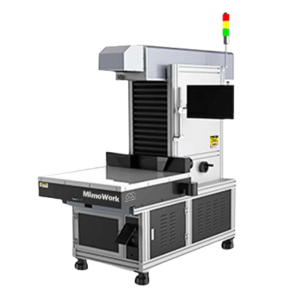
Overview of Galvo Laser Engraver 40
MimoWork Galvo Laser Marker and Engraver is a multi-purpose machine used for leather engraving, perforating, and marking (etching). Flying laser beam from a dynamic lens angle of inclination can realize fast processing within the defined scale. You can adjust the height of the laser head to fit the processed material’s size. Fast engraving speed and fine engraved details make the Galvo Laser Engraver your good partner.
Choosing a suitable laser engraving machine is important for your leather business. Firstly you need to know your leather size, thickness, material type, and production yield, and processed pattern information. These determine how you choose laser power and laser speed, machine size, and machine types. Discuss your requirements and budget with our professional laser expert to get a suitable machine and configurations.
Laser Power:
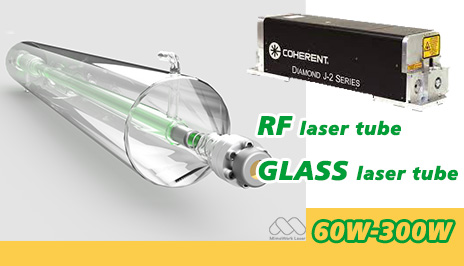
Consider the laser power required for your leather engraving projects. Higher power levels are suitable for cutting and deep engraving, while lower power may be sufficient for surface marking and detailing. Usually, laser cutting leather needs higher laser power, so you need to confirm your leather thickness and material type if there are requirements for laser cutting leather.
Working Table Size:
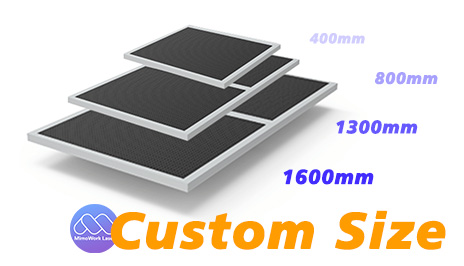
According to the sizes of leather engraved patterns and leather pieces, you can determine the working table size. Choose a machine with an engraving bed large enough to accommodate the size of leather pieces you typically work with.
Speed & Efficiency:
Consider the engraving speed of the machine. Faster machines can increase productivity, but ensure that speed doesn’t compromise the quality of the engravings. We have two machine types: Galvo Laser and Flatbed Laser, usually most choose galvo laser engraver for faster speed in engraving and perforating. But for in purse of the balance of engraving quality and cost, the flatbed laser engraver will be your ideal choice.

Technical Support:
Rich laser engraving experience and mature laser machine production technology can offer you a reliable leather laser engraving machine. Moreover, careful and professional after-sales support for training, problem-settle, shipping, maintenance, and more are significant for your leather production. We suggest buying a laser engraver from a professional laser machine factory. MimoWork Laser is a results-oriented laser manufacturer, based in Shanghai and Dongguan China, bringing 20 years of deep operational expertise to produce laser systems and offer comprehensive processing and production solutions to SMEs (small and medium-sized enterprises) in a wide array of industries. Learn more about MimoWork >>
Budget Considerations:
Determine your budget and find a CO2 laser cutter that offers the best value for your investment. Consider not only the initial cost but also ongoing operational costs. If you are interested in the laser machine cost, check out the page to learn more: How Much Does A Laser Machine Cost?
| Specific Material (such as plywood, MDF) | |
| Material Size and Thickness | |
| What You Want to Laser To Do? (cut, perforate, or engrave) | |
| Maximum Format to be processed |
Email: [email protected]
Whatsapp: +86 173 0175 0898
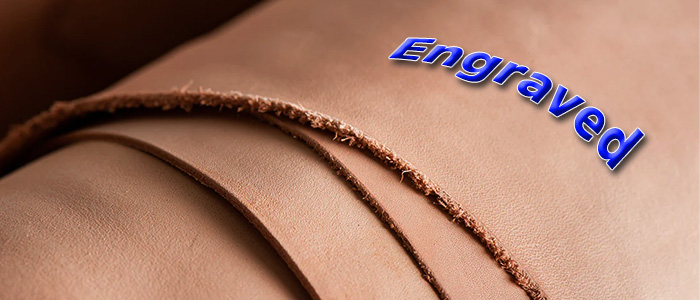
Laser engraving is generally suitable for a variety of leather types, but the effectiveness can vary based on factors such as the leather’s composition, thickness, and finish. Here are some common types of leather that are suitable for laser engraving:
Vegetable-Tanned Leather
Vegetable-tanned leather is a natural and untreated leather that is ideal for laser engraving. It has a light color, and the engraving results are often darker, creating a nice contrast.
Full-Grain Leather
Full-grain leather, known for its durability and natural texture, is suitable for laser engraving. The process can reveal the leather’s natural grain and create a distinctive look.
Top-Grain Leather
Top-grain leather, which has a more processed surface than full-grain, is also commonly used for laser engraving. It offers a smooth surface for detailed engraving.
Suede Leather
While suede has a soft and fuzzy surface, laser engraving can be done on certain types of suede. However, the results may not be as crisp as on smoother leather surfaces.
Split Leather
Split leather, created from the fibrous part of the hide, is suitable for laser engraving, especially when the surface is smooth. However, it may not produce as pronounced results as other types.
Aniline Leather
Aniline leather, dyed through with soluble dyes, can be laser engraved. The engraving process may reveal the color variations inherent in aniline leather.
Nubuck Leather
Nubuck leather, sanded or buffed on the grain side to create a velvety texture, can be laser engraved. The engraving may have a softer appearance due to the surface texture.
Pigmented Leather
Pigmented or corrected-grain leather, which has a polymer coating, can be laser engraved. However, the engraving may not be as pronounced due to the coating.
Chrome-Tanned Leather
Chrome-tanned leather, processed with chromium salts, can be laser engraved. However, the results may vary, and it’s essential to test the specific chrome-tanned leather to ensure satisfactory engraving.
Natural leather, genuine leather, raw or treated leather like napped leather, and similar textiles such as leatherette, and Alcantara can be laser cut and engraved. Before engraving on a large piece, it’s advisable to perform test engravings on a small, inconspicuous scrap to optimize settings and ensure the desired results.
Attention: If your faux leather does not explicitly indicate it is laser-safe, we recommend you to check with the leather suplier to ensure it does not contain Polyvinyl Chloride (PVC), which is harmful to you and your laser machine. If must engrave or cut the leather, you need to equip a fume extractor to purify the waste and harmful fumes.
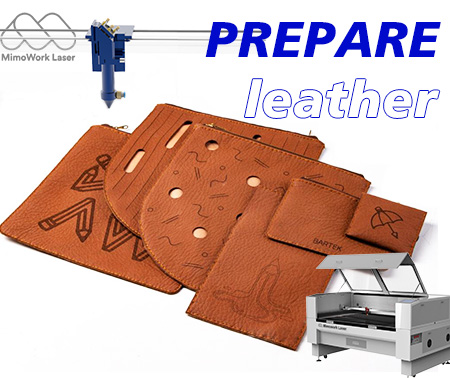
Moisturize Leather
Consider the moisture content of the leather. In some cases, lightly dampening the leather before engraving can help improve the contrast of the engraving, make the leather engraving process easy and effective. That can decrease the fume and smoke from laser engraving after wetting leather. However, excessive moisture should be avoided, as it may lead to uneven engraving.
Keep Leather Flat & Clean
Place the leather on the working table and keep it flat and clean. You can use magnets to fix the leather piece, and the vacuum table will provide strong suction in aid of keeping the workpiece fixed and flat. Ensure the leather is clean and free of dust, dirt, or oils. Use a mild leather cleaner to gently clean the surface. Avoid using harsh chemicals that might affect the engraving process. That makes the laser beam always focus on the right position and produces an excellent engraving effect.
Always testing the material firstly before real laser engraving
Proper Ventilation: Ensure proper ventilation in your workspace to eliminate smoke and fumes generated during engraving. Consider using a fume extraction system to maintain a clear and safe environment.
Focus the Laser: Properly focus the laser beam on the leather surface. Adjust the focal length to achieve sharp and precise engraving, especially when working on intricate designs.
Masking: Apply masking tape to the leather surface before engraving. This protects the leather from smoke and residue, providing a cleaner finished look. Remove the masking after engraving.
Adjust Laser Settings: Experiment with different power and speed settings based on the type and thickness of the leather. Fine-tune these settings to achieve the desired engraving depth and contrast.
Monitor the Process: Keep a close eye on the engraving process, especially during the initial tests. Adjust settings as needed to ensure consistent and high-quality results.
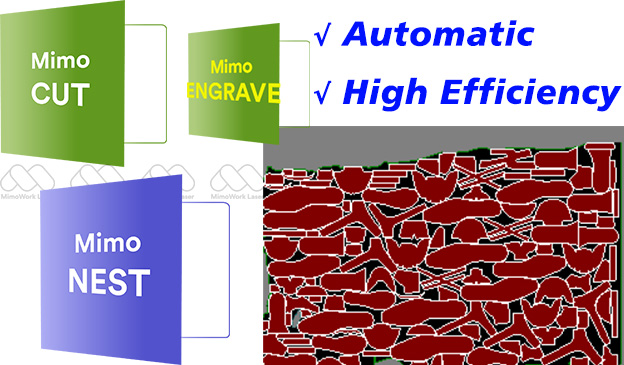
Laser Software
The leather laser engraver has been equipped with laser engraving and laser cutting software which offers standard vector and raster engraving according to your engraving pattern. There are engraving resolutions, laser speed, laser focus length, and other settings you can adjust to control the engraving effect. Besides regular laser engraving and laser cutting software, we have the auto-nesting software to be optional which is important for cutting genuine leather. We know that genuine leather has various shapes and some scars due to its naturality. The auto-nesting software can place the pieces in maximum material utilization, which greatly enhances production efficiency and saves time.
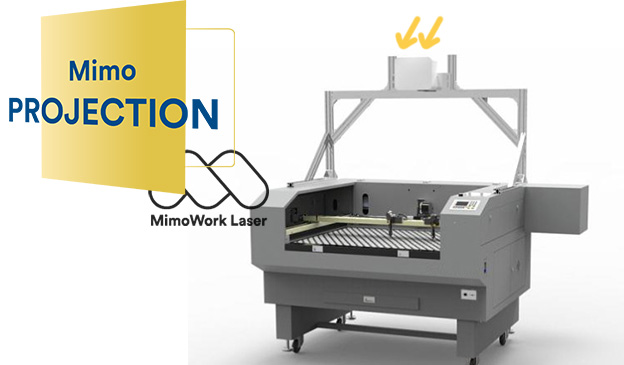
Projector Device
The projector device is installed on the top of the laser machine, to project the pattern to be cut and engraved, then you can easily place the leather pieces in the right position. That greatly improves the cutting and engraving efficiency and decreases the error rate. On the other hand, you can check the pattern being projected into the piece in advance before real cutting and engraving.
Get A Laser Machine, Start Your Leather Business Now!
The optimal laser engraving settings for leather can vary based on factors such as the type of leather, its thickness, and the desired outcome. It’s crucial to conduct test engravings on a small, inconspicuous section of the leather to determine the best settings for your specific project. Detailed information to contact us >>
Begin by gently brushing the laser-engraved leather with a soft brush to remove any loose dirt or dust. To clean the leather, use a mild soap that is specifically designed for leather. Dip a clean, soft cloth in the soap solution and wring it out so that it is damp but not soaking wet. Gently rub the cloth over the engraved area of the leather, being careful not to scrub too hard or apply too much pressure. Make sure to cover the entire area of the engraving. Once you have cleaned the leather, rinse it thoroughly with clean water to remove any soap residue. After the engraving or etching is complete, use a soft brush or cloth to gently remove any debris from the paper surface. Once the leather is completely dry, apply a leather conditioner to the engraved area. More information to check out the page: How to clean leather after laser engraving
We should wet the leather before laser engraving. This will make your engraving process more effective. However, you also need to pay attention to the leather should not be too wet. Engraving too wet leather will damage the machine.
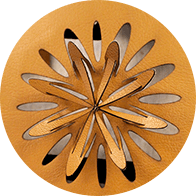
Crisp & clean cut edge
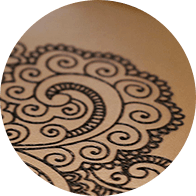
Subtle engraving details
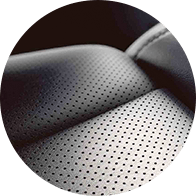
Repeated even perforating
* Added Value: you can use the laser engraver to cut and mark leather, and the machine is friendly for other non-metal materials like fabric, acrylic, rubber, wood, etc.
Laser engraving on leather is a growing trend driven by its precision, versatility, and ability to create intricate designs. The process allows for efficient customization and personalization of leather products, making it popular for items like accessories, personalized gifts, and even large-scale production. The technology’s speed, minimal material contact, and consistent results contribute to its appeal, while the clean edges and minimal waste enhance the overall aesthetics. With the ease of automation and suitability for various leather types, CO2 laser engraving is at the forefront of the trend, offering a perfect blend of creativity and efficiency in the leatherworking industry.