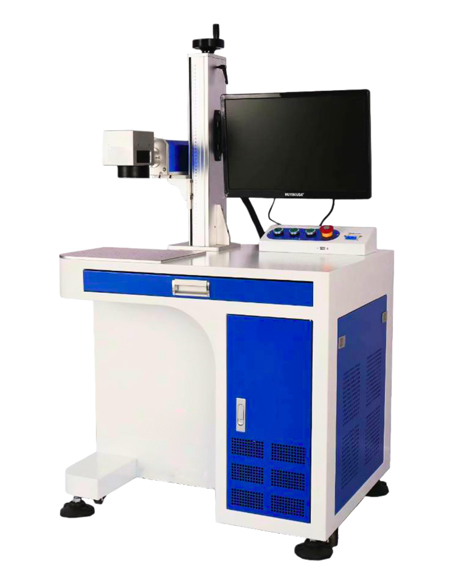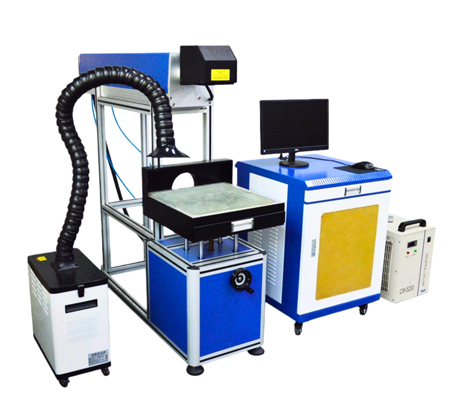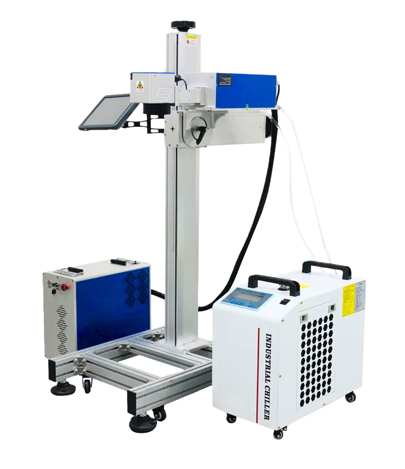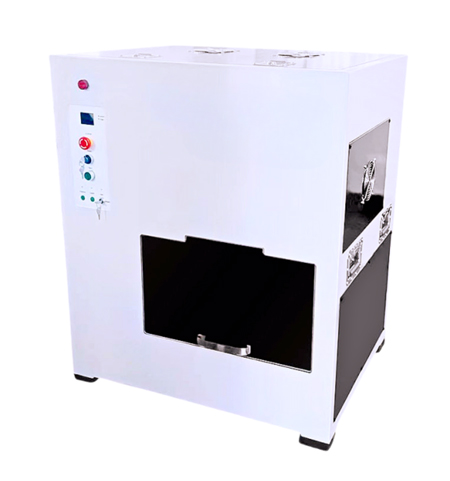
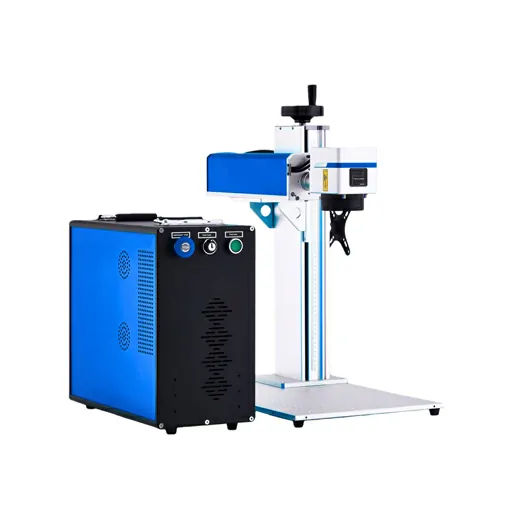
Mopa Laser Marking Machine
For Advanced Color Marking and Flexible Effects on Metals.
- The MOPA Laser Marking Machine offers unparalleled control for advanced metal marking applications, most notably for creating color marks on stainless steel and anodized aluminum without any pigments or dyes.
- By precisely controlling the laser’s pulse width and frequency, it manipulates the oxide layer on the metal surface to produce permanent, vibrant colors, including black, red, gold, and blue, while maintaining a perfectly smooth finish.
- This unique capability, beyond standard engraving, makes it ideal for high-end product branding, medical instruments, consumer electronics, and decorative panels where aesthetics and durability are equally critical.
- It also excels at deep black marking on aluminum and removes colors from anodized layers with high precision.
SPECIFICATIONS
Mopa Laser Marking Machine
Technical Data
| Working Area (W * L) | 175² mm |
| Beam Delivery | 3D Galvanometer |
| Laser Source | Mopa Laser |
| Laser Power | 60W |
| Marking Speed | 7,000mm/s |
| Suitable Material | Metal |
Components
MOPA Fiber Laser Source
The defining component. Offers adjustable pulse parameters (width & frequency), enabling specialized applications like color marking on stainless steel, gentle marking on delicate plastics, and deep engraving without changing the laser source.
Ultra-High-Speed Galvo Scanner
Engineered to leverage the MOPA laser’s capability for both extremely fast marking and precise, slower applications.
High-Resolution F-Theta Lens
A quality flat-field lens is critical to maintain the fine spot size and detail potential of the adjustable laser pulses across the marking field.
Air-Cooling System
Modern MOPA fiber laser sources are highly efficient and typically use integrated air cooling (fan-based) as the standard method, eliminating the need for an external water chiller in most configurations.
Advanced Pulse-Tuning Software
The key to unlocking MOPA’s versatility. Goes beyond basic design functions to provide intuitive controls for pulse width, frequency, and power, allowing operators to create a wide range of marks on the same material.
If you have specific component preferences, we can discuss configuration options to meet your needs.
Upgrades & Variants
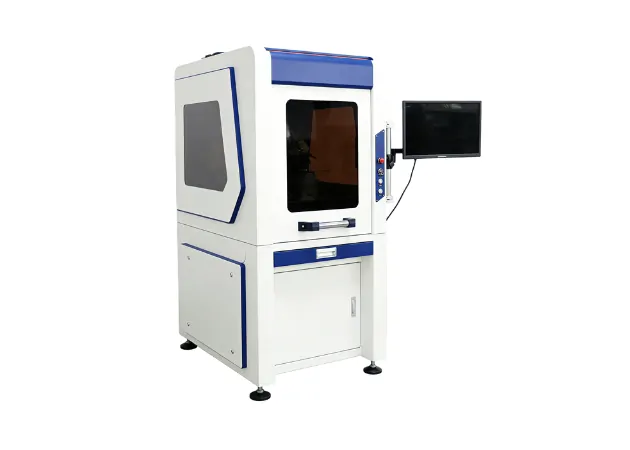
Safety Enclosure System
A fully interlocked, robust enclosure with integrated high-flow fume extraction and particulate filtration paths.
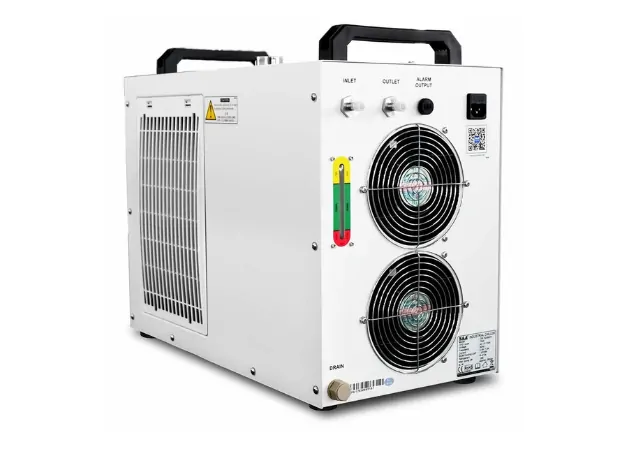
Cooling System Upgrade
Industrial Water Chiller supports higher-power, longer continuous operation with maximum laser stability.
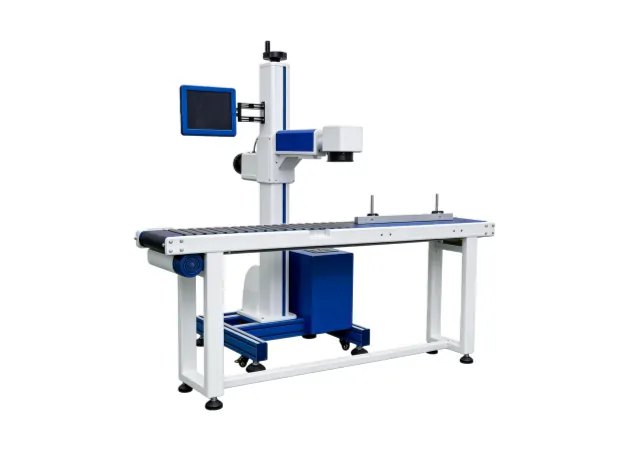
In-Line Production Integration
Complete Reconfiguration for Flight Marking with Automated Vision System for high-volume manufacturing.
With our fully independent R&D department, we can help develop custom solutions for your specific requirements and desired marking effects.
Related Videos
How to Choose Fiber Laser Marking Machine?
Stop the guesswork before investing in a fiber laser. This is your definitive guide to understanding exactly what these machines do, which industries rely on them, and how to pinpoint the right model for your specific metal marking, engraving, or coding needs.
We break down the critical factors so you can invest with confidence, ensuring your new laser directly boosts your shop’s capability and bottom line.
Material Compatibility
| MATERIAL | MARK |
|---|---|
| Stainless Steel | |
| Aluminum | |
| Titanium | |
| Copper | |
| Gold / Silver | |
| ABS | |
| Acrylic (PMMA) | |
| Polycarbonate (PC) | |
| PET / PES | |
| Nylon | |
| PVC (Vinyl) | |
| PTFE |
| MATERIAL | MARK |
|---|---|
| PVC (Vinyl) | |
| PTFE/Teflon | |
| Epoxy Resin | |
| Engineered Wood (MDF) | |
| Natural Leather | |
| Glass / Ceramics | |
| Silicon (Wafer) | |
| Stone / Marble | |
| Paper/Cardboard | |
| Painted/Coated Metals | |
| Anodized Aluminum | |
| Plastic with Laser Additive |
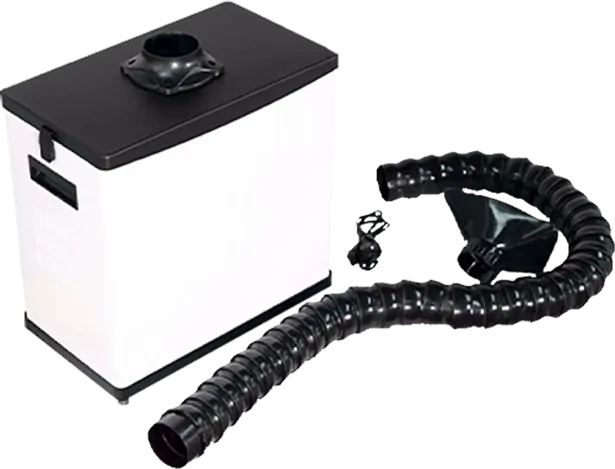
Processing PVC or PTFE based materials with this laser marker generates hazardous fumes.
The use of appropriate Personal Protective Equipment (PPE) and a high-efficiency fume extraction system is mandatory.
We strongly recommend purchasing a compatible fume extractor if your shop primarily works with these materials.
FAQ
1. Can the MOPA laser create color marks on stainless steel and anodized aluminum?
The MOPA system is designed for advanced color marking on stainless steel and anodized aluminum by controlling pulse width and frequency, without pigments or dyes. Color outcome depends on the material and parameters, so a sample test is necessary before approving a color standard.
2. How is a MOPA laser different from a standard fiber laser?
A MOPA laser provides adjustable pulse width and frequency, enabling effects such as color marking, deep black marking on aluminum and more controlled processing of delicate plastics. A standard fiber laser is often sufficient for routine metal traceability.
3. What are the main specifications of this MOPA system?
The page lists a 60W MOPA source, 175² mm work area, 3D galvanometer and up to 7,000 mm/s marking speed. The actual setup should be selected based on part size, mark content and desired surface effect.