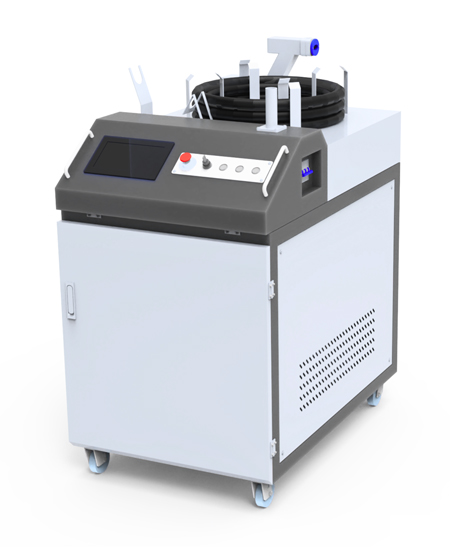
Pulsed Laser Cleaning Machine
For Precision Cleaning of Sensitive Surfaces and Delicate Restorations.
- Our Pulsed Fiber Laser Cleaning Machine is designed for precision, controlled cleaning where surface integrity is paramount.
- By emitting ultra-short, high-peak-power pulses, it selectively ablates contaminants, such as grease, oils, paint, oxides, and delicate patinas, without damaging the underlying base material.
- This makes it the go-to tool for restoration projects on historical artifacts, precision cleaning of sensitive molds and tooling, and targeted paint stripping in the aerospace and automotive industries, offering a contact-free alternative to chemical or abrasive methods.
SPECIFICATIONS
Pulsed Laser Cleaning Machine
Technical Data
| Laser Source | Pulsed Fiber |
| Laser Power | 100 – 500W |
| Cooling Method | Air/ Water Cooling |
| Wavelength | 1064nm |
| Suitable Application | Precision Coating Removal |
Components
Pulsed Fiber Laser Source
The precision tool. Generates concentrated, short-duration pulses that remove contaminants layer-by-layer with minimal heat input, ideal for weld seam cleaning, mold and die restoration, fine art conservation, and cleaning delicate alloys.
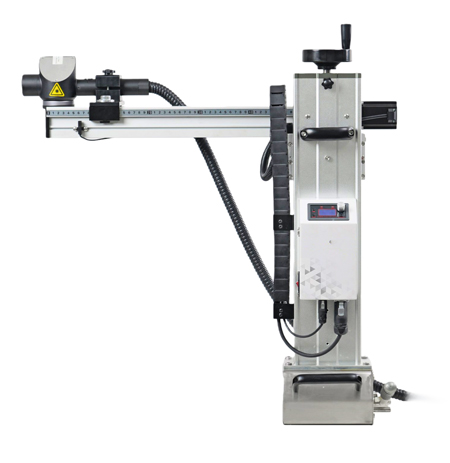
Precision Scanning Cleaning Head
Enables detailed work. Uses a scanning galvanometer system for rapid, programmable beam movement over a fixed area, allowing for intricate cleaning patterns and automation.
Industrial Chiller Unit
Required for thermal stability. Manages the heat load from the pulsed laser to maintain pulse consistency and ensure long-term reliability.
Advanced Pulse Control Software
The key to precision. Allows detailed adjustment of pulse energy, frequency, and scanning patterns to dial in the exact cleaning effect for the substrate and contaminant.
If you have specific component preferences, we can discuss configuration options to meet your needs.
Upgrades & Variants
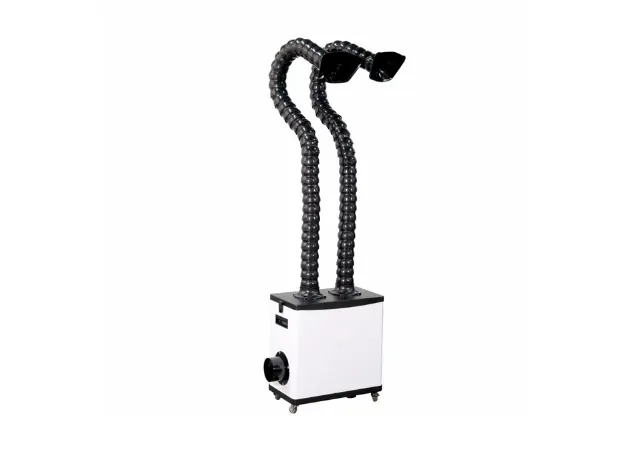
Fume Extraction & Filter Unit
A robust, integrated system with multiple filter stages (HEPA, carbon) to capture fumes and particulates at the source. Protects operators and meets OSHA air quality standards.
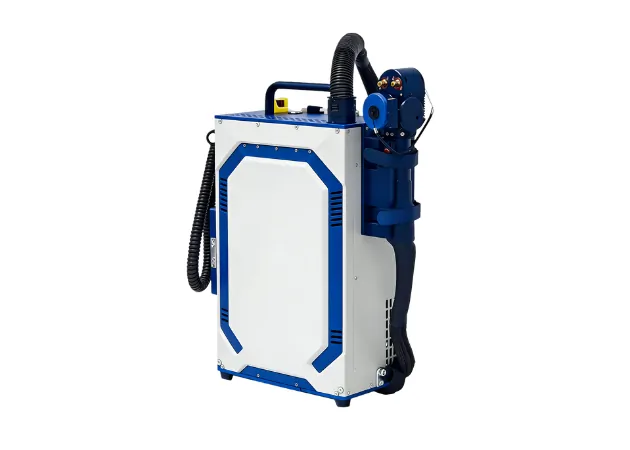
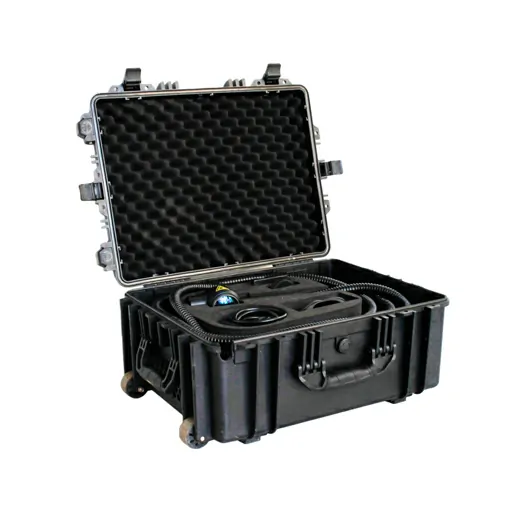
Backpack Portable System
A lightweight, air-cooled unit with a long-life battery and a flexible handheld laser head, Enables mobile operation for cleaning hard-to-reach areas.
With our fully independent R&D department, if you have any specific application requirements or cleaning results you want to achieve, we can help develop a custom solution for you.
Related Videos
How to Choose Pulsed Laser Cleaner?
Confused by pulsed vs. continuous wave laser cleaners? Get clear, actionable answers in just two minutes.
Our animated breakdown explains why pulsed lasers are ideal for delicate tasks like stripping paint from wood or cleaning aluminum without damage, while detailing how key settings like pulse width directly impact your finish.
We’ll also clarify the practical difference between single-mode and multi-mode beams for your specific applications.
Material Compatibility
| Specific Material/Application | Common Contaminant/Coating | Cleanable? |
|---|---|---|
| Steel, Carbon Steel | Rust, Mill Scale, Paint, Oil | Yes |
| Stainless Steel | Oxide, Oil, Paint, Welding Spatter | Yes |
| Aluminum | Oxide, Paint, Anodized Layer | Yes |
| Copper, Brass, Gold | Oxide, Tarnish, Thermal Oxide | Conditional |
| Titanium, Nickel Alloys | Oxide, Heat Tint, Contaminants | Yes |
| Automotive/Aerospace Parts | Paint, Primer, Powder Coating | Yes |
| Ship Hulls, Structural Steel | Thick Paint, Rust | Yes |
| Tire Molds, Plastic Molds | Rubber Residue, Release Agent, Carbon | Yes |
| Composite Molds, Tooling | Epoxy Residue, Release Agent | Yes |
| Historical Monuments, Facades | Biological Growth, Black Crust | Conditional |
| Carbon Fiber | Release Agent, Contaminants | Conditional (Risky) |
| Glass, Ceramics | Surface Mold, Particulates, Thin Coatings | No (General Rule) |
Clean Surfaces. Clean Air.
Complete Solution.
W-Series Fume Extractor Designed for Laser Cleaning
Learn More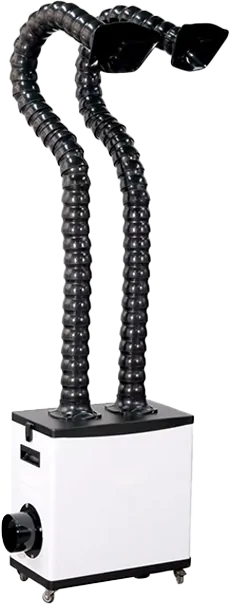
FAQ
1. What is a pulsed laser cleaning machine best used for?
The Pulsed Laser Cleaning Machine is positioned for precise coating removal, delicate restorations, mold and tooling work, weld-seam cleaning and targeted paint or oxide removal where surface integrity is important.
2. Can pulsed laser cleaning remove contaminants without damaging the base material?
Pulsed cleaning uses short-duration pulses for controlled ablation and is intended to minimize heat input. Actual results depend on the substrate, coating, pulse parameters and cleaning pattern, so a sample test is necessary before approving any surface-protection claim.
3. What pulsed cleaning power range is available?
The page lists 100W–500W pulsed-fiber options at 1064 nm, with air or water cooling depending on configuration. The appropriate power and pulse settings must be chosen for the exact cleaning task.