Blog
In a field that evolves daily, staying ahead means staying informed.
Explore in-depth articles designed to help you solve complex challenges,
maximize your machine’s ROI.
Stay ahead in a competitive market.


In a field that evolves daily, staying ahead means staying informed.
Explore in-depth articles designed to help you solve complex challenges,
maximize your machine’s ROI.
Stay ahead in a competitive market.
News | Mar-18-2026
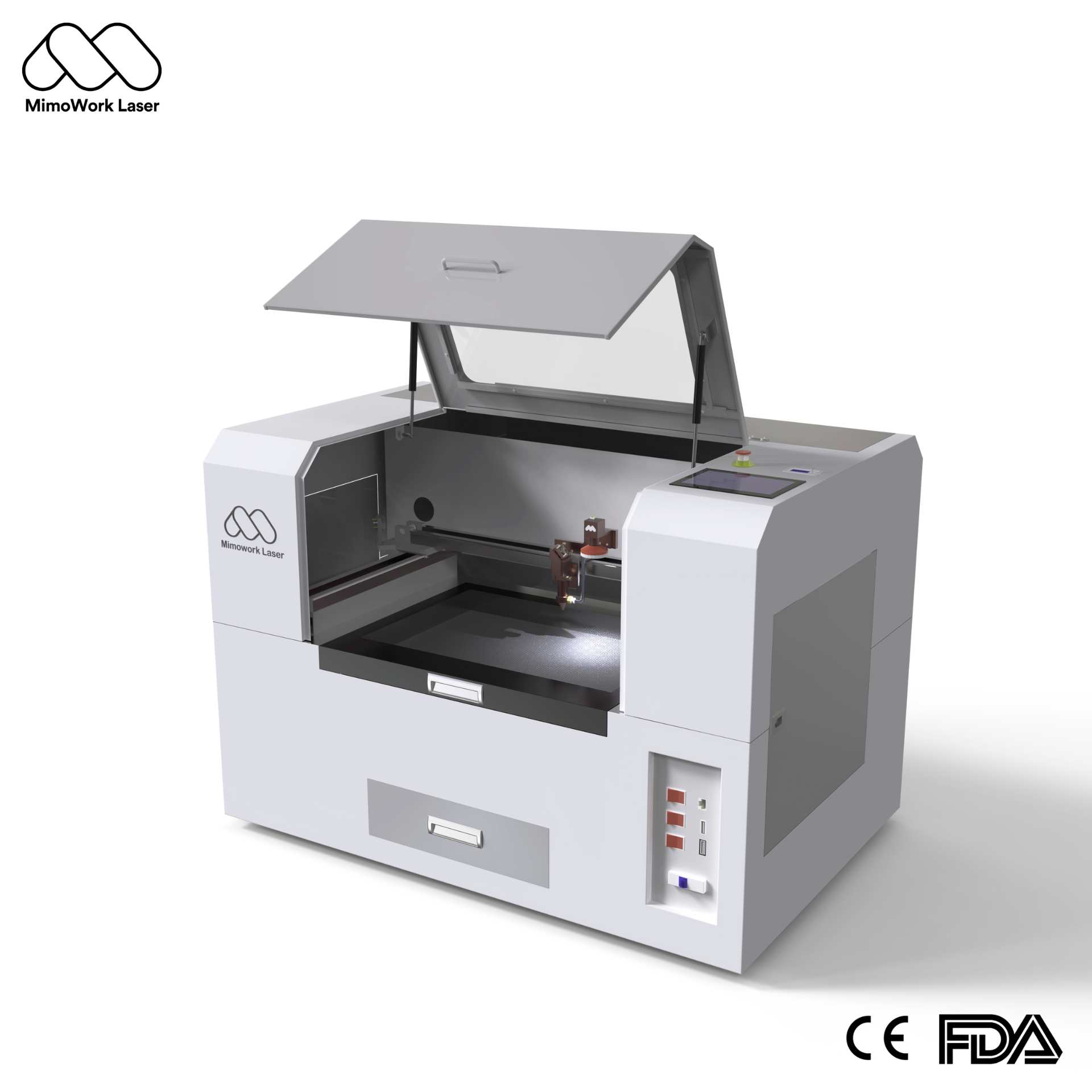
Selecting the ideal laser engraver for wood requires a clear understanding of the core technology and specifications that directly impact results on this versatile material. For woodworking, the CO2 laser is the predominant and most effective choice. Its long-wavelength infrared light is highly absorbed by the organic compounds in wood, enabling clean engraving through vaporization and precise cutting by burning through the material. This process delivers permanent, high-contrast marks and intricate details, making a laser engraver for wood indispensable for creating signs, decorative art, personalized gifts, and functional components.
Key Specifications for Wood Engraving and Cutting
When evaluating a laser engraver for wood, several technical parameters are critical. Laser power, measured in watts, determines capability: lower power (e.g., 40W-60W) is excellent for detailed engraving and cutting thin wood, while higher power (100W-150W and above) is necessary for cutting thicker plywood or dense hardwoods at faster speeds. The working area defines the maximum material size you can process in one job, with common sizes ranging from desktop formats (600x400mm) to large industrial beds capable of handling full sheets. For precision, look for a cutting and engraving precision specification of 0.1mm or better to ensure sharp details and clean edges on your wooden projects.
Applications and Material Considerations
A professional-grade laser engraver for wood handles a vast range of projects. It can produce deeply engraved images with photographic detail, vector-cut intricate shapes for puzzles or inlays, and create 3D topographic relief maps by varying engraving depth. Beyond natural wood, these machines also excel on engineered woods like MDF, plywood, and bamboo. The non-contact process minimizes mechanical stress, allowing for delicate work on thin veneers that would be impossible with traditional tools. For operations processing large volumes or thick materials, machines with industrial water chillers ensure consistent laser tube performance and longevity during extended run times.
Selecting a Machine for Your Needs
Your choice of a laser engraver for wood should match your operational scale. For hobbyists and starters, compact machines like the F60 series offer an accessible entry point with sufficient capability for common woods and acrylics. Small businesses requiring higher throughput and finer detail for products like custom signs should consider mid-range models with features like bidirectional engraving for faster processing and compatibility with advanced design software like LightBurn. For industrial-scale production, high-power flatbed lasers with large formats and options like multiple laser heads or conveyor tables are essential for maximizing productivity on batch orders.
FAQ
Q: What is the maximum thickness of wood a typical CO2 laser engraver can cut?A: The maximum cuttable thickness depends primarily on laser power and wood density. A 100W-150W laser can typically cut through 10-12mm (approx. 1/2 inch) of plywood or medium-density wood cleanly. Thicker materials require higher power lasers (300W+) and multiple passes.
Q: Do I need a special ventilation system for a laser engraver for wood?A: Yes, absolutely. Laser processing wood generates smoke, fumes, and fine particulate that can affect air quality, stain workpieces, and damage the machine’s optics. An industrial fume extraction system, such as the C-Series designed for non-metal fumes, is mandatory for a safe and clean workshop environment.
Q: Can I achieve different color shades when engraving wood?A: Yes, through a technique called power modulation. By carefully controlling the laser’s speed and power, you can create varying shades of brown (from light tan to deep dark brown) on natural wood, allowing for grayscale image engraving. Some woods, like cherry or maple, can produce higher contrast.
Q: Is a laser engraver for wood suitable for a high-volume production environment?A: Yes, industrial models are built for this purpose. Machines with high-power RF metal laser tubes, robust servo-motor drive systems, and large work areas can operate at high speeds (up to 600mm/s or more) with excellent precision, making them ideal for 24/7 production runs of wooden components, signs, and gifts.
Q: What file formats do these laser engravers typically support?A: Most modern laser systems work with standard vector and raster file formats. Common supported formats include AI (Adobe Illustrator), DXF (Drawing Exchange Format), PLT (HPGL), BMP, and PNG. The machine’s software converts these files into toolpaths for the laser to follow.