Blog
In a field that evolves daily, staying ahead means staying informed.
Explore in-depth articles designed to help you solve complex challenges,
maximize your machine’s ROI.
Stay ahead in a competitive market.


In a field that evolves daily, staying ahead means staying informed.
Explore in-depth articles designed to help you solve complex challenges,
maximize your machine’s ROI.
Stay ahead in a competitive market.
News | Mar-23-2026
Wood laser engraving machines have revolutionized woodworking, enabling the creation of intricate designs, personalized gifts, and high-value products with precision and efficiency. These systems use a focused laser beam to vaporize or alter the surface of wood, resulting in permanent, high-contrast marks or detailed engravings. The technology is widely adopted for applications ranging from custom signage and artistic portraits to functional part marking and architectural models. Choosing the correct wood laser engraving machine depends on understanding the core technology, key specifications, and necessary support systems for optimal results.
The Core Technology: CO2 Lasers for Wood
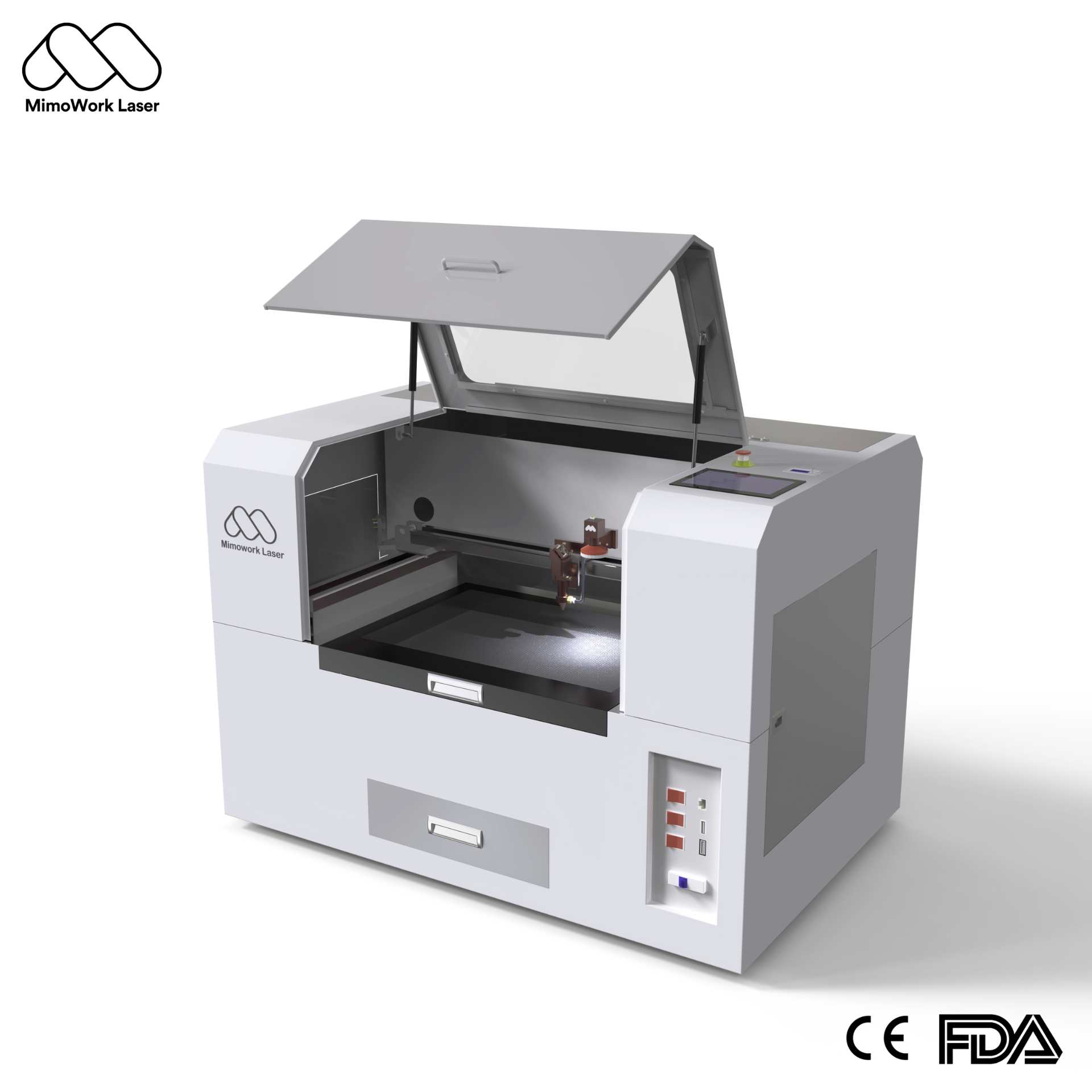
For wood processing, CO2 laser sources are predominantly the optimal choice. The long wavelength of a CO2 laser is highly absorbed by organic materials, making it exceptionally effective for clean engraving and cutting of wood, plywood, MDF, and other wood-based composites. These wood laser engraving machines deliver sharp, high-contrast marks without physical contact, eliminating tool wear and allowing for exceptionally fine detail. The process is consumable-free, ensuring low operating costs and consistent performance, which is crucial for both custom projects and batch production.
Key Machine Specifications and Capabilities
When evaluating wood laser engraving machines, several technical specifications are critical. Laser power, typically ranging from 60W to 150W and beyond for CO2 systems, directly influences engraving depth and cutting speed through thicker materials. The working area defines the maximum project size, with common bed sizes like 1300mm x 900mm being suitable for a wide array of projects. For high-detail work, look for features like a high-resolution lens (e.g., 38.1mm focal length) that produces a finer beam spot for capturing intricate details. Furthermore, advanced motion systems with precision linear guideways and bidirectional engraving technology can significantly increase throughput by allowing the laser to mark on both forward and reverse passes.
Software Integration and Workflow
Modern wood laser engraving machines are typically integrated with user-friendly design software, such as LightBurn. This software provides an intuitive interface for importing designs (AI, DXF, BMP, etc.), setting engraving parameters like power and speed, and controlling the machine directly. A seamless software workflow is essential for translating complex digital designs into flawless physical engravings on wood, making the process accessible even for users without extensive technical expertise.
Essential Safety and Extraction Systems
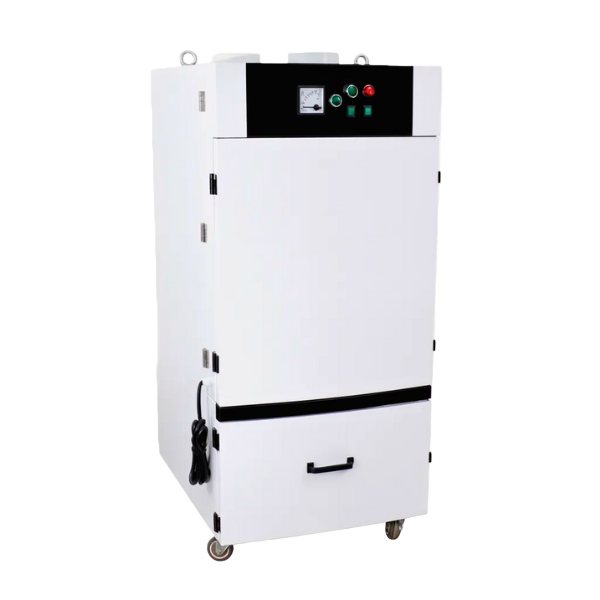
Operating wood laser engraving machines generates smoke and particulate fumes. Proper fume extraction is not optional; it is mandatory for maintaining a safe workshop environment, protecting the machine’s optics from contamination, and ensuring the quality of the engraved workpiece by preventing smoke residue from redepositing. Industrial-grade fume extractors with robust filtration are specifically engineered to handle the byproducts of processing materials like wood and acrylic, safeguarding both operator health and equipment longevity. Therefore, integrating an effective extraction system is a fundamental part of any professional setup for wood laser engraving machines.
FAQ
Q: What type of laser is best for wood laser engraving machines?
A: CO2 lasers are generally considered the best and most common choice for wood laser engraving machines. Their wavelength is ideally absorbed by organic materials like wood, allowing for efficient, clean, and high-contrast engraving and cutting.
Q: Can a wood laser engraving machine also cut through wood?
A: Yes, absolutely. The same CO2 laser technology that engraves the surface can also be used to cut completely through wood sheets. The cutting depth and speed depend on the laser power and the type and thickness of the wood.
Q: What safety precautions are necessary when using these machines?
A: The primary safety concern is fume extraction. Always use a high-efficiency fume extractor designed for non-metal materials to remove harmful smoke. Additionally, never leave the machine unattended during operation, and ensure the proper protective housing is in place to contain the laser beam.
Q: Are there options for customizing a wood laser engraving machine for specific needs?
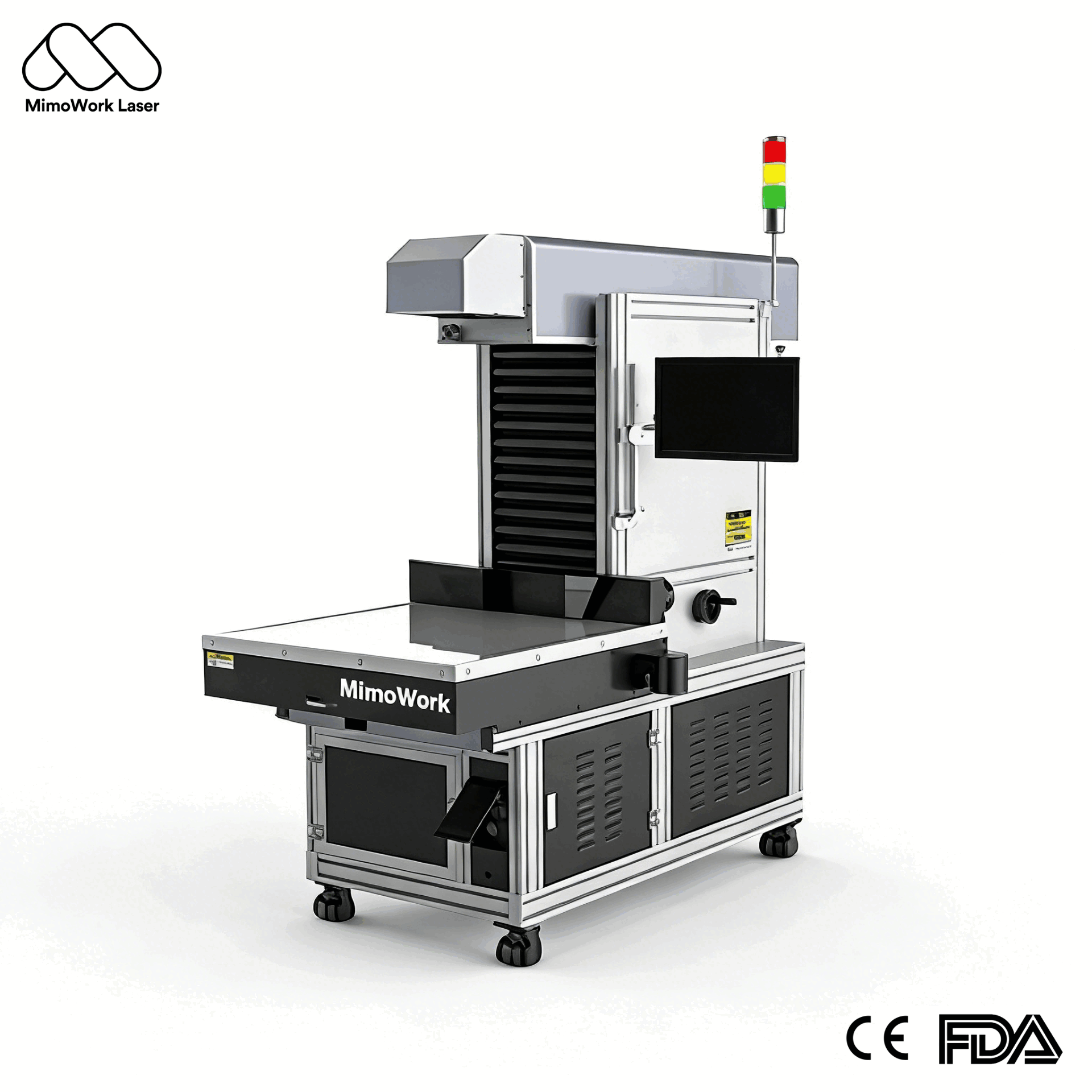
A: Yes, many manufacturers offer customizable solutions. This can include tailoring the work area size to handle very large sheets, upgrading to a more powerful laser source, or integrating automation like shuttle tables to maximize productivity for high-volume work.
News | Mar-19-2026