Blog
In a field that evolves daily, staying ahead means staying informed.
Explore in-depth articles designed to help you solve complex challenges,
maximize your machine’s ROI.
Stay ahead in a competitive market.


In a field that evolves daily, staying ahead means staying informed.
Explore in-depth articles designed to help you solve complex challenges,
maximize your machine’s ROI.
Stay ahead in a competitive market.
News | Mar-23-2026
Wood laser etching machines represent a transformative technology in modern fabrication and craftsmanship, enabling the creation of intricate designs, detailed imagery, and precise markings on wood surfaces with unparalleled accuracy. Unlike mechanical engraving, this process uses a focused beam of light to vaporize or alter the surface layer of the material, resulting in clean, permanent marks without physical contact or tool wear. This capability makes wood laser etching machines indispensable for industries ranging from custom signage and personalized gifts to architectural models and high-end furniture detailing.
The Core Technology: CO2 Lasers and Wood Interaction
The majority of wood laser etching machines utilize CO2 laser sources, which emit a wavelength (around 10.6 micrometers) highly absorbed by organic materials like wood, acrylic, and leather. When the beam hits the wood surface, the intense energy causes localized burning or vaporization, creating a contrast through color change or depth. The quality of etch is governed by factors such as laser power, speed, and resolution (DPI). For instance, machines like the F100 are engineered with a fine beam spot and bidirectional engraving technology to capture razor-sharp details and double the effective processing speed on complex wooden designs. An integrated air assist system is also critical, as it blows away combustible gases and debris during the process, preventing scorch marks and ensuring a clean, bright engraving finish.
Key Applications of Wood Laser Etching Machines
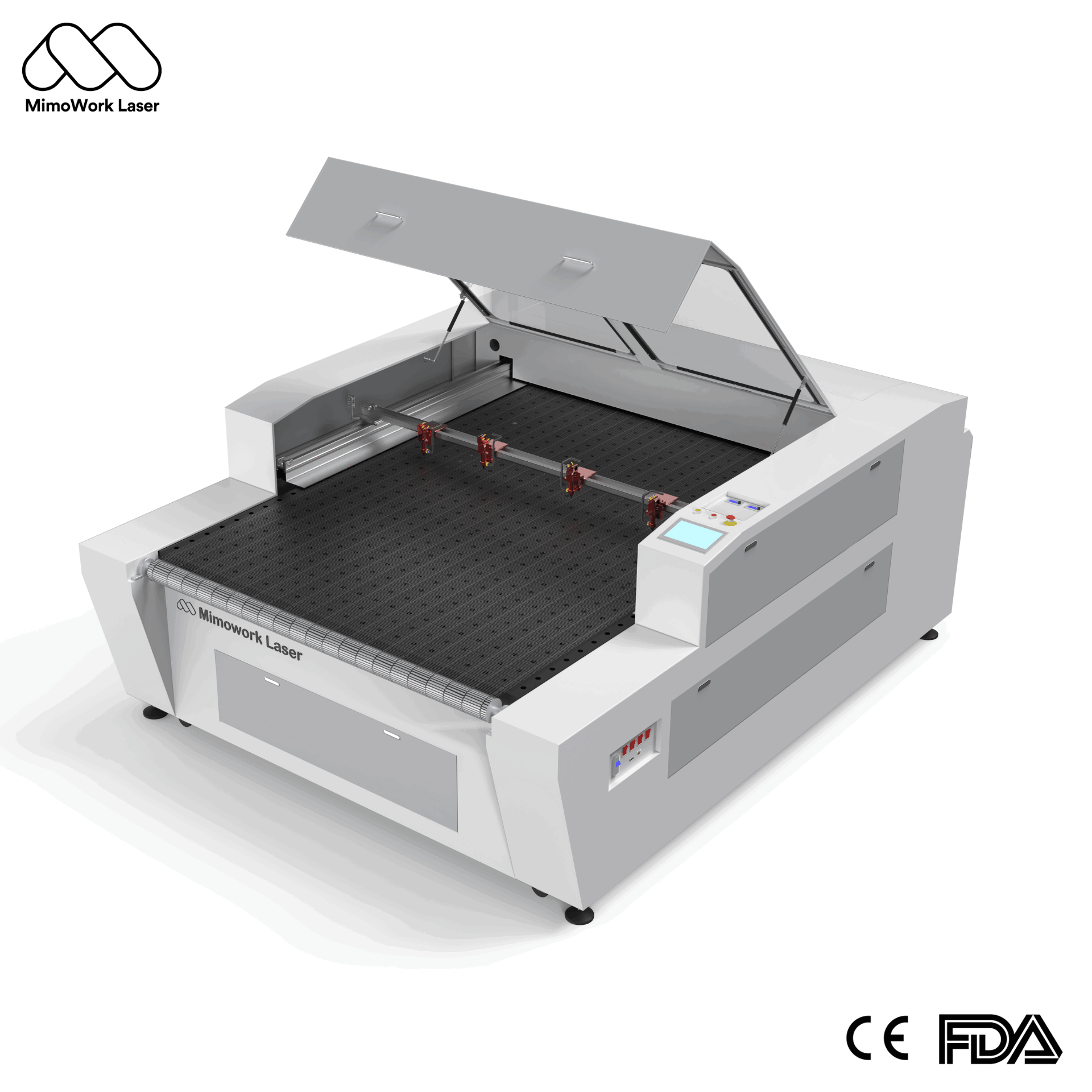
The applications for wood laser etching machines are vast and varied. They excel in producing decorative art, photo-engraved portraits, detailed inlays, and custom signage on woods like plywood, MDF, hardwood, and bamboo. Beyond aesthetics, these machines are used for functional marking, such as serial numbers, logos, and manufacturing dates on products. For high-volume production, larger format machines like the F130-L, with a generous work area, allow for etching full sheets of material efficiently, powering through demanding runs of wooden signs and displays. The precision of these systems ensures repeatable quality, whether for a single custom piece or a batch of hundreds.
Choosing and Operating a System
Selecting the right wood laser etching machine depends on several factors. The required work area size, desired production speed, and the thickness and type of wood to be processed are primary considerations. Power options typically range from lower wattages for fine engraving to higher wattages for faster etching and the ability to handle thicker materials. Operational safety and maintenance are paramount. Laser processing wood generates smoke and particulates, necessitating an efficient fume extraction system to protect machine optics, ensure consistent results, and safeguard operator health by maintaining clean workshop air. Regular maintenance of the laser lens, cleaning of the work bed, and proper cooling system checks are essential for sustained performance and longevity.
Conclusion and Future Outlook
Wood laser etching machines have democratized high-precision wood decoration, merging digital design flexibility with traditional material warmth. As technology advances, we can expect improvements in speed, automation integration (like CCD vision systems for alignment), and even more user-friendly software interfaces. For any workshop looking to add value, customization, or artistic detail to wood products, investing in a reliable laser etching system is a step toward unlocking new creative and commercial potential.
FAQ
Q: What types of wood are best suited for laser etching machines?
A: Most woods are suitable, including plywood, MDF, hardwoods like maple and oak, softwoods like pine, and bamboo. The key is to use wood with a consistent grain and avoid materials with high resin or oil content, which can produce uneven results or excessive smoke. Lighter woods often provide better contrast for darker etchings.
Q: Can a wood laser etching machine also cut through wood?
A: Yes, absolutely. The same CO2 laser machines used for etching are fully capable of cutting through wood. The power setting and speed are simply adjusted. Lower power at high speed etches the surface, while higher power at slower speed will cut completely through the material. Machines like the F130 can cut wood up to significant thicknesses depending on the laser power.
Q: What safety equipment is necessary when operating these machines?
A: A high-efficiency fume extractor is mandatory to remove harmful smoke and particulates from the workspace. Additionally, the machine should have a fully interlocked safety enclosure to contain the laser beam. Operators should never bypass safety features and should use appropriate personal protective equipment if accessing the machine during or immediately after operation.
Q: What software is used to control a wood laser etching machine?
A: Many modern laser systems are compatible with industry-standard design and control software such as LightBurn, which offers an intuitive interface for importing designs (AI, DXF, etc.), setting etching parameters, and directly driving the machine. This allows for a seamless workflow from digital design to physical etched product.
News | Mar-19-2026