Blog
In a field that evolves daily, staying ahead means staying informed.
Explore in-depth articles designed to help you solve complex challenges,
maximize your machine’s ROI.
Stay ahead in a competitive market.


In a field that evolves daily, staying ahead means staying informed.
Explore in-depth articles designed to help you solve complex challenges,
maximize your machine’s ROI.
Stay ahead in a competitive market.
News | Mar-24-2026
The 30W fiber laser represents a pivotal power tier in industrial laser marking, offering an optimal balance of processing speed, operational cost, and mark quality for a vast array of metals and engineered plastics. This solid-state laser technology is engineered for permanent, high-speed traceability, creating crisp serial numbers, barcodes, and logos directly onto parts without the need for inks or chemicals. Its robustness and consumable-free operation make it a cornerstone solution for demanding production environments where reliability and a clean, durable mark are non-negotiable.
Technical Specifications and Performance
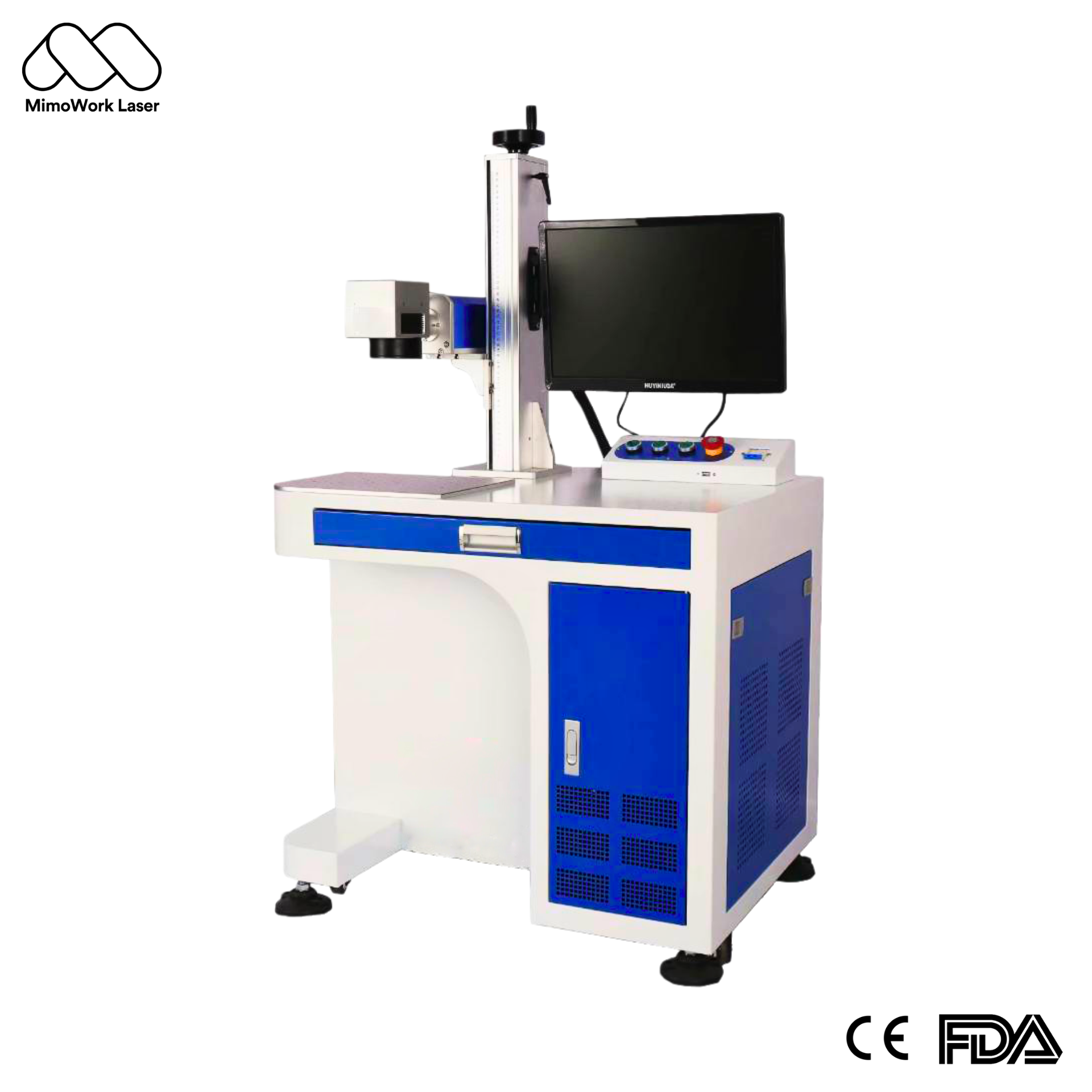
A standard 30W fiber laser system is defined by key parameters that dictate its capabilities. Typical specifications include a marking area ranging from 70mm² to 200mm², delivered via a high-speed 3D galvanometer scanner system. The core is the fiber laser source itself, operating at a 1064nm wavelength, which is highly absorbed by most metals. With a marking speed of up to 8,000mm/s, the 30W fiber laser efficiently handles high-volume serialization tasks on materials like steel, aluminum, anodized surfaces, and many plastics.
Core System Components
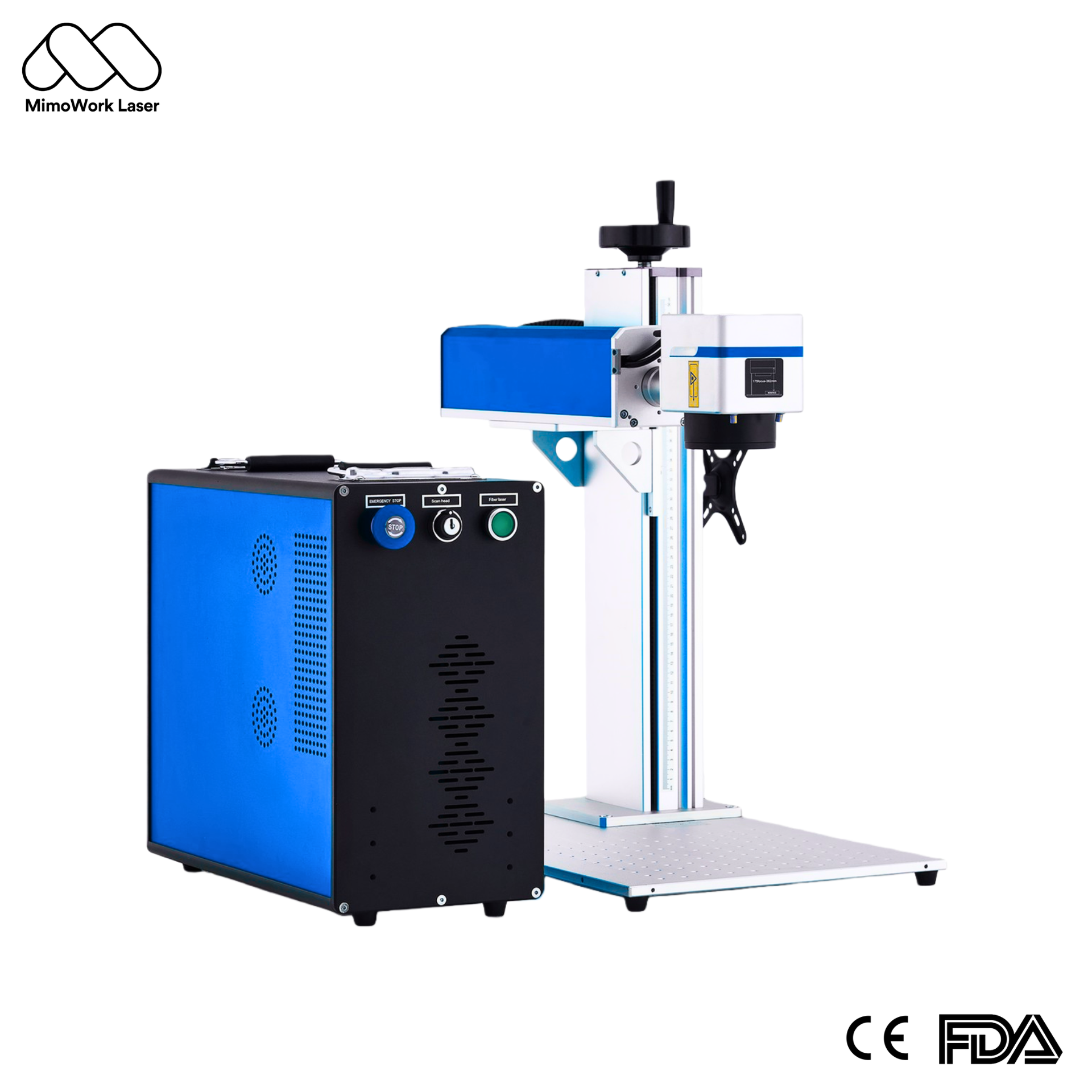
The reliability of a 30W fiber laser marking machine is built upon its integrated components. The system centers on an air-cooled fiber laser source known for its stability and long service life. Beam steering is managed by a high-speed galvanometer scanner, which provides the precision and velocity needed for most industrial coding and graphic tasks. A standard F-Theta lens ensures a consistent focal point and flat marking field, while the integrated air-cooling system maintains optimal operating temperature under standard duty cycles, contributing to the system’s overall low maintenance requirements.
Primary Industrial Applications
The versatility of the 30W power level makes it suitable for numerous sectors. It is the go-to technology for direct part marking (DPM) for permanent traceability in automotive, aerospace, and tooling industries. It excels at creating high-contrast, wear-resistant marks on stainless steel, aluminum, and titanium for serial numbers, data matrix codes, and logos. Furthermore, its ability to mark on various engineered plastics supports electronics manufacturing for branding and component identification.
Upgrades and Functional Expansion
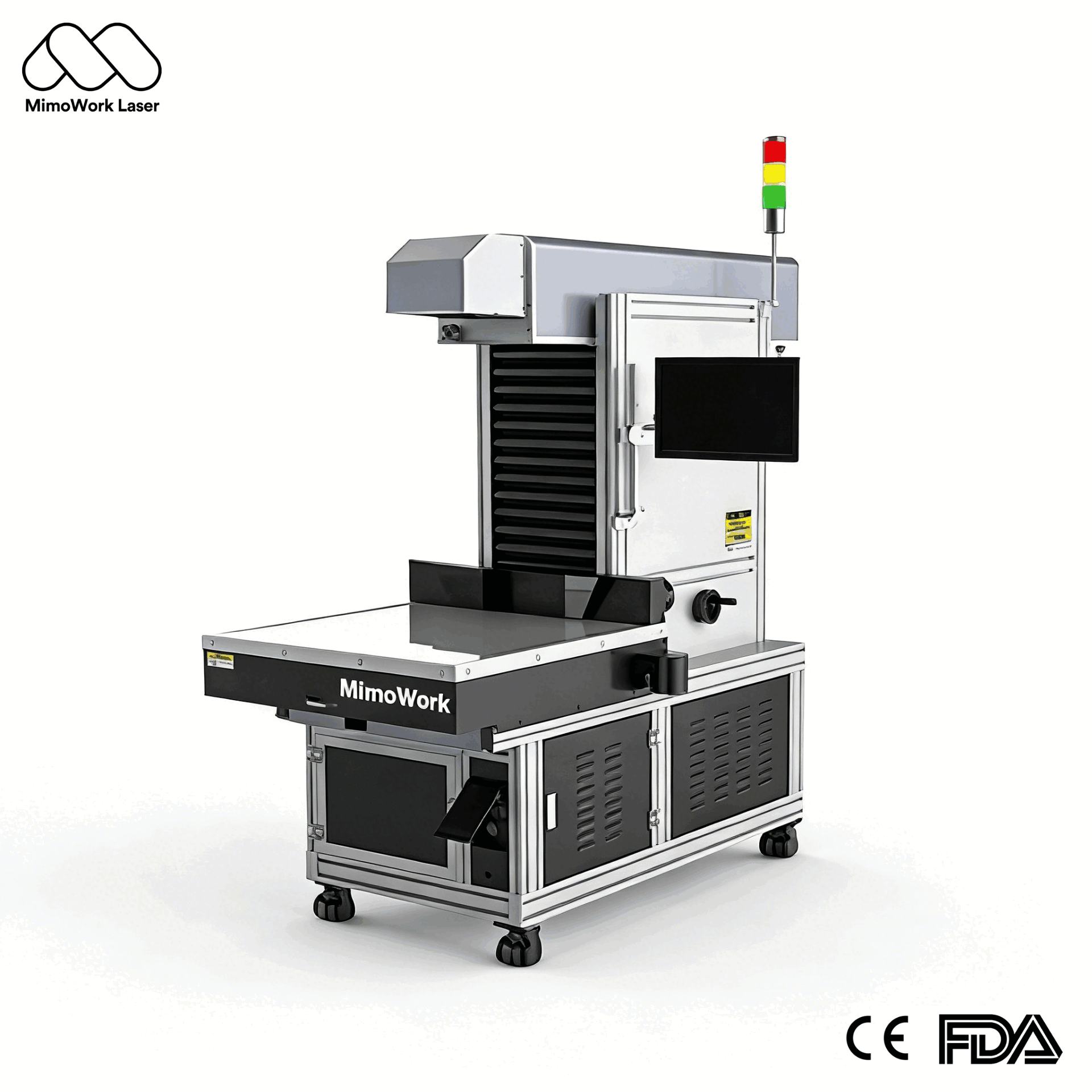
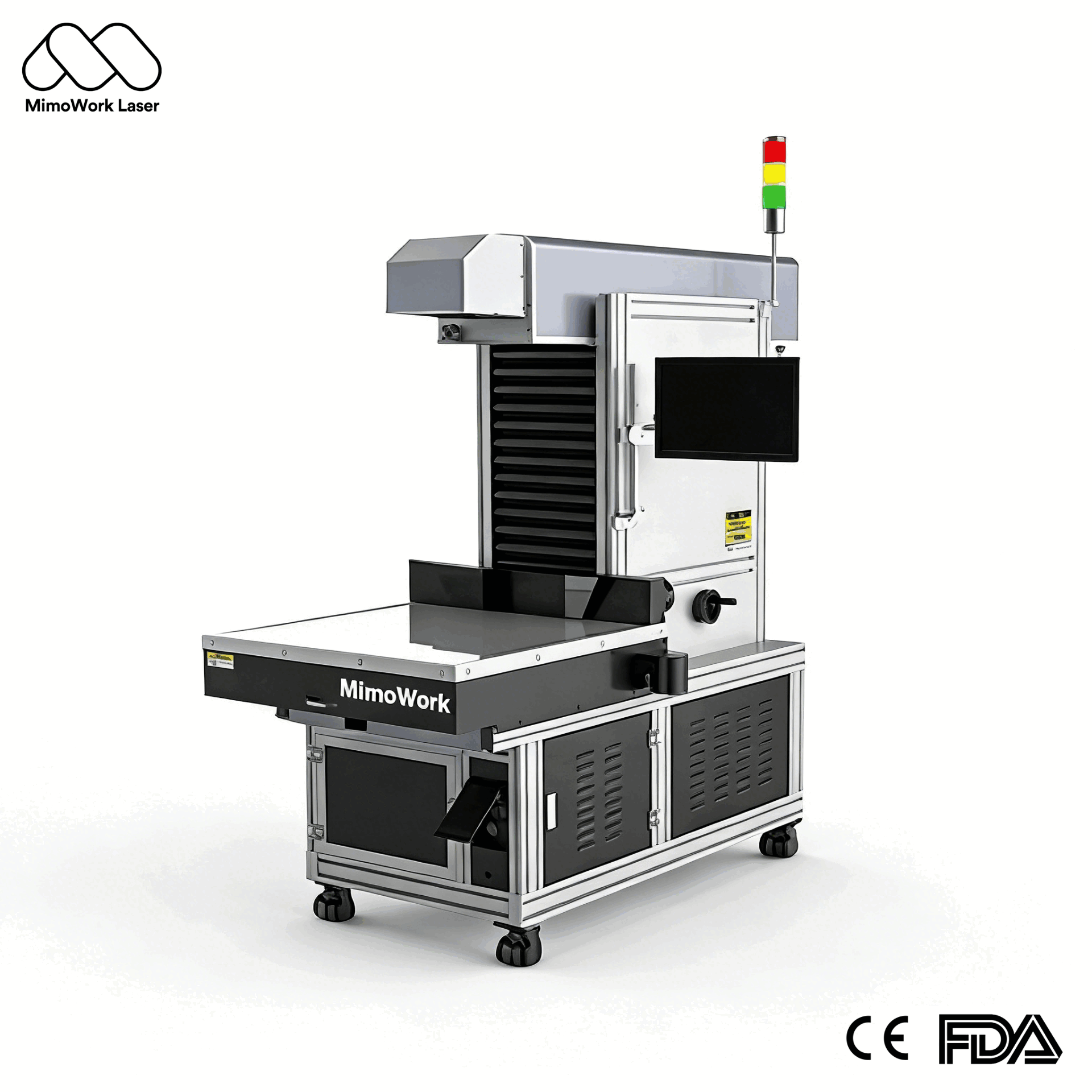
While powerful on its own, the base 30W fiber laser platform can be enhanced with specific upgrades to tackle more complex challenges. Options include a handheld laser marking system for portable, flexible operation on large or fixed assemblies. For integration into automated production lines, a complete in-line configuration with automated vision systems can be implemented for high-volume, hands-off marking. Additionally, dynamic field-of-view lenses enable marking on uneven or 3D surfaces, expanding the system’s capability beyond flat workpieces.
FAQ
Q: What materials can a 30W fiber laser mark effectively?A: A 30W fiber laser is primarily designed for marking metals such as steel, aluminum, stainless steel, and anodized aluminum. It is also highly effective on many engineered plastics, creating permanent, high-contrast marks without surface damage.
Q: Is the mark created by a 30W fiber laser truly permanent?A: Yes. The process alters the surface microstructure or creates a contrast through annealing/oxidation, resulting in a mark that is integral to the material. It is resistant to fading, abrasion, and exposure to chemicals, making it ideal for lifetime traceability.
Q: Does this process require any consumables like inks or dyes?A: No. Fiber laser marking is a non-contact, dry process that requires no inks, dyes, or other consumables. The mark is created by the interaction of the laser beam with the material itself, which minimizes ongoing operational costs and waste.
Q: Can a 30W fiber laser system be integrated into an automated production line?A: Absolutely. These systems are designed for industrial integration. With options like in-line production configurations and automated vision systems for part recognition and positioning, a 30W fiber laser can be seamlessly incorporated into automated manufacturing cells for high-throughput marking.
Q: What is the typical cooling requirement for a 30W fiber laser source?A: Most standard 30W fiber laser sources used in marking are air-cooled. They utilize integrated fan systems to maintain optimal operating temperature, eliminating the need for an external water chiller and simplifying installation and maintenance.
News | Mar-23-2026