Blog
In a field that evolves daily, staying ahead means staying informed.
Explore in-depth articles designed to help you solve complex challenges,
maximize your machine’s ROI.
Stay ahead in a competitive market.


In a field that evolves daily, staying ahead means staying informed.
Explore in-depth articles designed to help you solve complex challenges,
maximize your machine’s ROI.
Stay ahead in a competitive market.
News | Mar-25-2026
Balsa wood, renowned for its exceptional strength-to-weight ratio and ease of carving, is a premier material for modeling, prototyping, and intricate crafts. Precision is paramount when working with this delicate yet versatile wood, and a balsa wood laser cutter is the definitive tool for the job. Unlike mechanical blades that can crush or tear the fine grains, a laser cutter uses a focused beam of light to vaporize material, delivering clean, sealed edges and astonishing detail without physical contact. This guide outlines the critical technical considerations for selecting the ideal balsa wood laser cutter for your projects.
Understanding the Laser Technology for Balsa
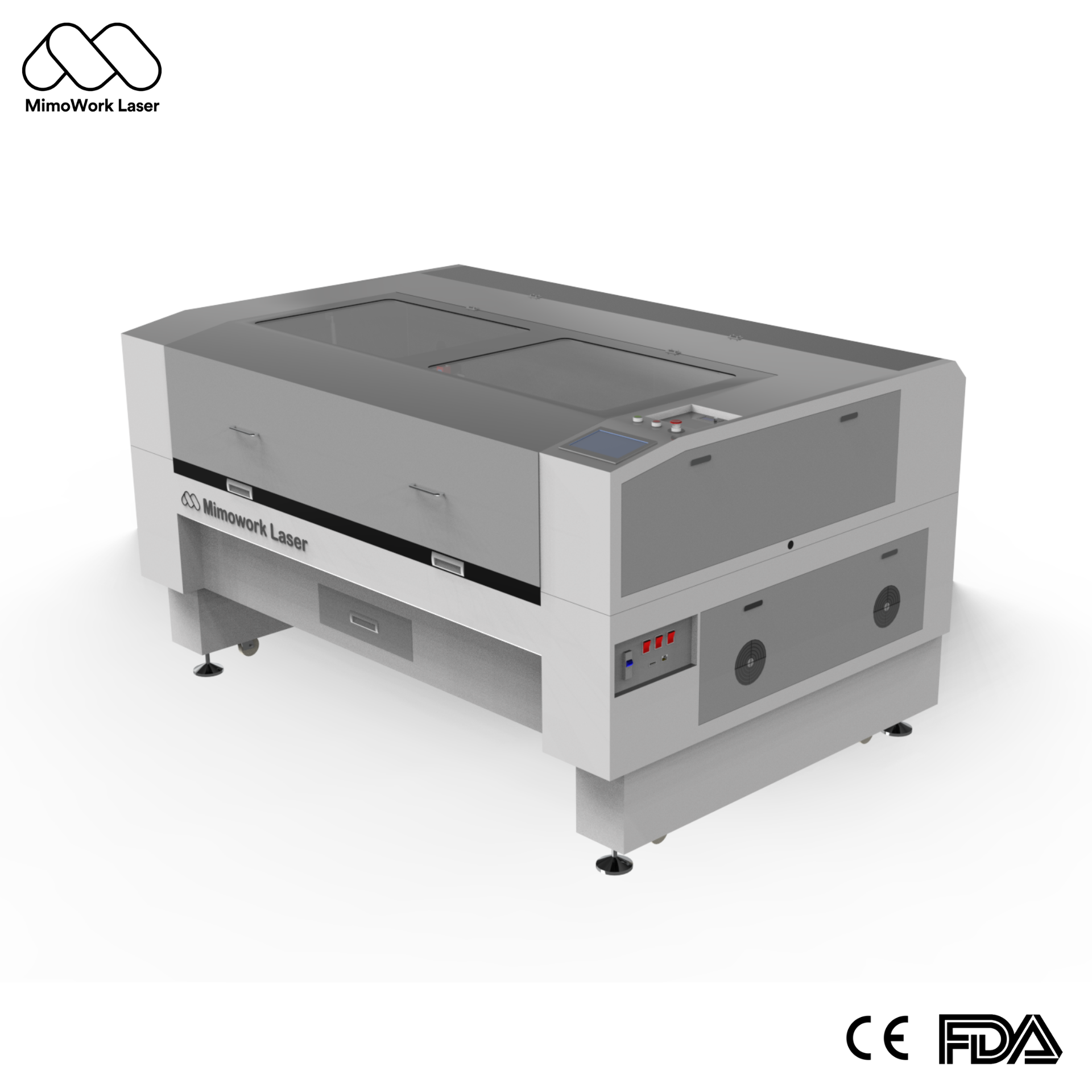
For non-metallic materials like balsa wood, CO2 laser technology is the standard and most effective choice. The wavelength of a CO2 laser is highly absorbed by organic materials, allowing for efficient cutting and engraving. Machines like the F130, equipped with a CO2 glass laser tube, are perfectly suited for this task, transforming wood and acrylic into precise components. The key advantage is the non-contact process, which eliminates tool pressure and ensures that even the most fragile balsa structures are cut without deformation.
Key Machine Specifications for Optimal Results
Selecting the right balsa wood laser cutter involves evaluating several core specifications. Laser power, typically ranging from 60W to 150W for such applications, determines cutting speed and achievable thickness. A machine with a robust mechanical control system, such as a hybrid servo motor drive and belt transmission, ensures smooth, vibration-free movement critical for fine detail. Furthermore, cutting precision, which should be 0.15mm or better, is non-negotiable for model-making where parts must fit together perfectly. An integrated air assist system is also crucial, as it blows away combustion debris during the cut, resulting in cleaner, brighter edges without scorch marks.
Workflow Advantages and Material Handling
Integrating a dedicated balsa wood laser cutter into your workshop streamlines production dramatically. The software optimizes cutting paths to maximize material efficiency and speed, which is ideal for processing personalized orders or batch production. For handling sheets, a honeycomb or knife-blade working table provides necessary support while minimizing back-side marking, preserving the pristine surface of your balsa wood. This combination of intelligent software and appropriate hardware allows for flexible, efficient, and timely production of high-quality parts.
Conclusion
Investing in a properly configured balsa wood laser cutter unlocks new levels of precision, efficiency, and creativity. By focusing on CO2 laser technology, precise motion systems, and features that protect material quality, you can choose a machine that turns delicate balsa wood into robust, intricate designs consistently. This tool is not just a cutter; it’s an essential partner for bringing detailed wooden models and prototypes to life with professional-grade accuracy.
FAQ
A: A standard 60W to 100W CO2 laser cutter can cleanly cut balsa wood up to 10mm-12mm thick, with cutting speed adjusted for thicker materials. Higher power options allow for faster speeds or slightly greater thickness capacity.
A: When optimized correctly, a laser cutter produces a clean, light-to-medium brown cut edge that is sealed and smooth. Using the correct air assist pressure and optimal speed/power settings minimizes excess carbonization, resulting in a high-quality finish ready for assembly or finishing.
A: Absolutely. Laser processing any wood material generates smoke and fumes. An efficient fume extraction system is essential to maintain a safe working environment, protect the machine’s optics from contamination, and ensure consistent cut quality by keeping the laser path clear.
A: Most laser cutting software accepts common vector formats such as AI, DXF, PLT, and SVG. These formats define the precise paths for the laser to follow, allowing you to design your balsa wood components in familiar graphic design or CAD software.
News | Mar-24-2026
News | Mar-24-2026