Blog
In a field that evolves daily, staying ahead means staying informed.
Explore in-depth articles designed to help you solve complex challenges,
maximize your machine’s ROI.
Stay ahead in a competitive market.


In a field that evolves daily, staying ahead means staying informed.
Explore in-depth articles designed to help you solve complex challenges,
maximize your machine’s ROI.
Stay ahead in a competitive market.
News | Mar-30-2026
The search for the “best laser marking machine” often begins with the wrong question. The truth is, there is no single universal best solution; the optimal machine is entirely defined by the materials you need to mark and the specific results you require. The key to selecting the best laser marking machine for your application lies in matching the laser’s wavelength and technology to your material’s properties.
Material Compatibility is the Primary Decider
Laser marking is a photochemical or photothermal process where the material’s absorption of specific laser light is paramount. A wavelength that works perfectly on one material may be reflected or cause damage on another. Therefore, identifying your primary materials is the first and most critical step in finding your best laser marking machine. For instance, metals, plastics, glass, and sensitive electronics each interact differently with various laser types.
Comparing Core Laser Technologies for Different Applications
Mimowork offers a spectrum of laser marking technologies, each engineered to excel with specific material groups. Understanding these differences is essential for making an informed investment.
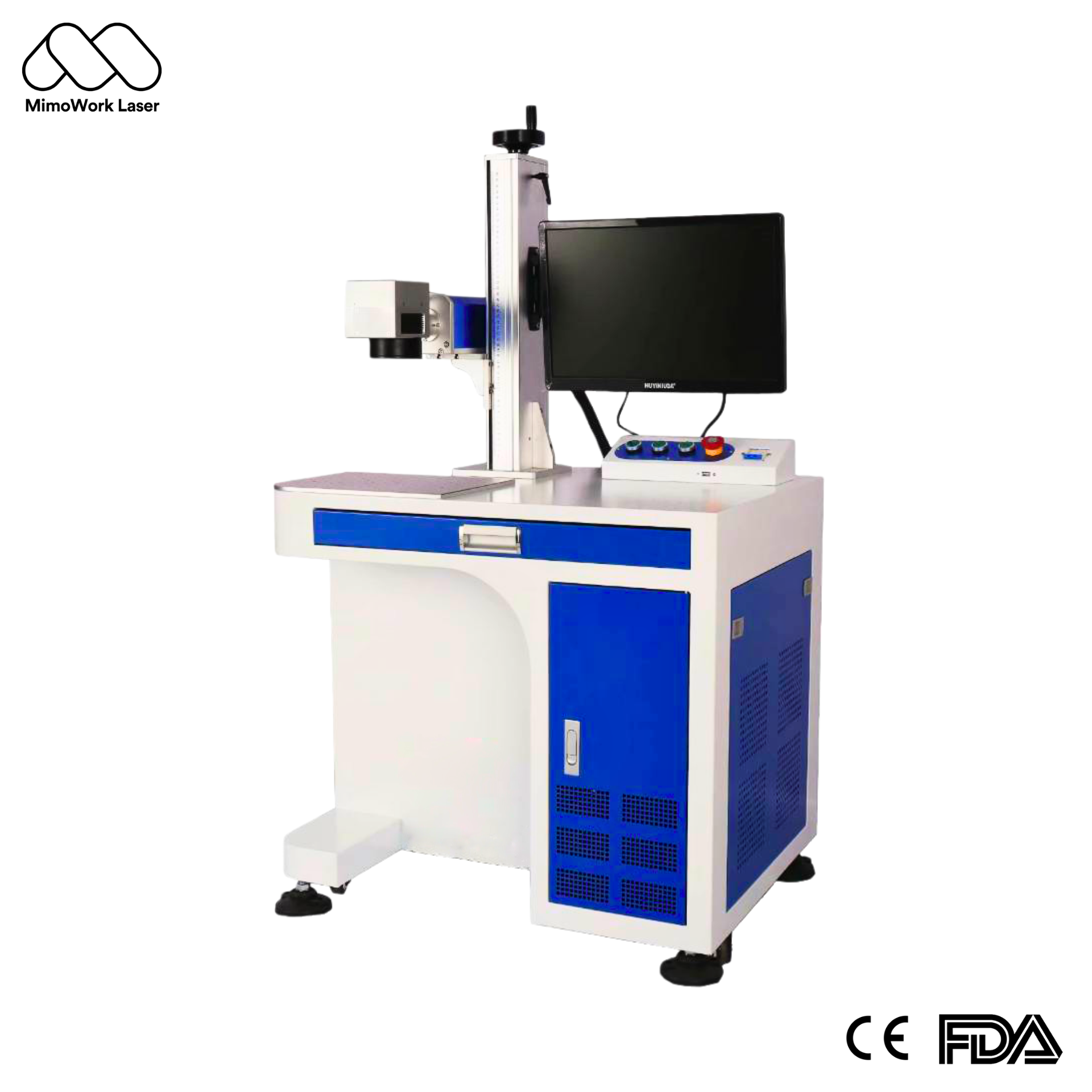
* For Metals and High-Speed Traceability: A Fiber Laser Marking Machine is often considered the best laser marking machine for industrial metal marking. It uses a robust solid-state laser to create crisp, permanent marks on materials like steel, aluminum, and engineered plastics with high speed and excellent contrast, making it ideal for serial numbers, barcodes, and logos. Its specifications, such as marking speeds up to 8,000mm/s and power options from 20W to 50W, cater to demanding production environments.
* For Non-Metallics like Plastics and Wood: The CO2 Laser Marking Machine is typically the best choice. Its long-wavelength laser is ideally absorbed by organic materials, delivering clean, high-contrast marks on acrylic, wood, leather, glass, and many plastics without the need for consumables. With high marking speeds (up to 10,000mm/s) and larger working areas, it excels in packaging, signage, and promotional item customization.
* For “Cold” Marking on Sensitive Materials: When marking heat-sensitive electronics, certain plastics (like PVC, PET), or glass, a UV Laser Marking Machine is unparalleled. Its short-wavelength ultraviolet light creates marks through a photochemical process that minimizes thermal damage, preventing micro-cracks or melting. This makes it the best laser marking machine for applications involving PCBs, medical devices, and fine plastic components.
* For Reflective Metals and Subsurface Engraving: The Green Laser Marking Machine, with its 532nm wavelength, is exceptionally well-absorbed by highly reflective metals like gold, silver, and copper, as well as many plastics. Its unique capability for subsurface engraving in glass and crystal, creating 3D images inside the material without surface damage, makes it a specialized best-in-class tool for awards and high-end glassware.
* For Advanced Color Marking on Metals: The MOPA Laser Marking Machine offers unique value through adjustable pulse control. It is the definitive solution for creating permanent, vibrant color marks on stainless steel and anodized aluminum without pigments, and for achieving precise effects on various plastics. This advanced control makes it the best laser marking machine for high-end branding on consumer electronics, medical instruments, and decorative panels.
Key Technical Specifications to Evaluate
Beyond the laser source, several technical factors determine if a machine is the best fit for your operational needs. The Working Area defines the maximum part size you can mark in a single setup. Marking Speed directly impacts throughput and is critical for production lines. Finally, Laser Power must be matched to your material and desired mark depth or effect; higher power isn’t always better, especially for delicate materials.
Conclusion: The Best Machine is the Perfect Match
Ultimately, the quest for the best laser marking machine concludes not with a single model name, but with a precise match between laser technology and application requirements. By starting with your material and defining your desired mark quality, speed, and effect, you can identify the laser type—Fiber, CO2, UV, Green, or MOPA—that will deliver optimal, reliable, and cost-effective results for your business.
FAQ
Q: How do I choose between a Fiber and a MOPA laser marking machine?
A: Both use fiber laser sources but differ in capability. A standard Fiber laser is excellent for fast, deep, and high-contrast black/white marks on metals. A MOPA laser, with its adjustable pulse parameters, is necessary for specialized tasks like creating color marks on stainless steel, very gentle marking on delicate plastics, or fine-tuning engraving depth without changing the laser source. Choose MOPA if you need this advanced functionality.
Q: Can one laser marking machine handle all materials?
A: Generally, no. Most lasers are optimized for a specific range of materials. For example, a CO2 laser is best for non-metallics but cannot mark bare metals, while a Fiber laser excels on metals but may damage many plastics. Some materials, like highly reflective metals or glass for internal engraving, require specialized wavelengths like Green lasers. It’s crucial to select based on your primary materials.
Q: What safety precautions are needed for laser marking?
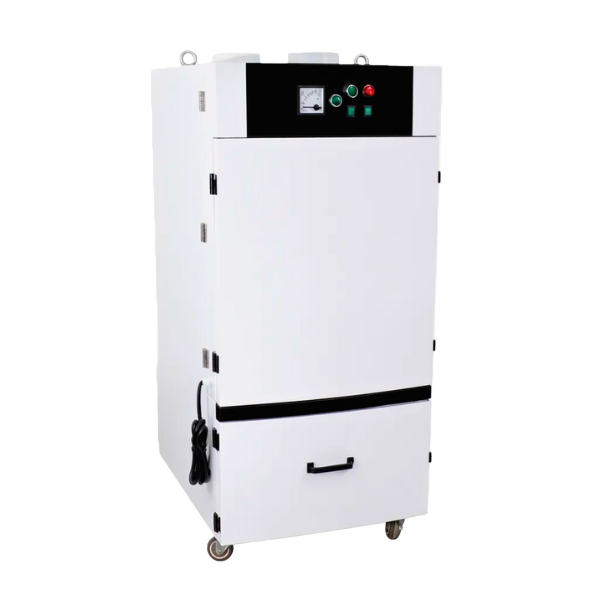
A: Laser safety is paramount. Always use the machine’s safety enclosure. For materials like PVC or PTFE that generate hazardous fumes when processed, the use of appropriate Personal Protective Equipment (PPE) and a high-efficiency fume extraction system is mandatory. Always follow the manufacturer’s safety guidelines and local regulations.
News | Mar-27-2026