Blog
In a field that evolves daily, staying ahead means staying informed.
Explore in-depth articles designed to help you solve complex challenges,
maximize your machine’s ROI.
Stay ahead in a competitive market.


In a field that evolves daily, staying ahead means staying informed.
Explore in-depth articles designed to help you solve complex challenges,
maximize your machine’s ROI.
Stay ahead in a competitive market.
News | Apr-9-2026
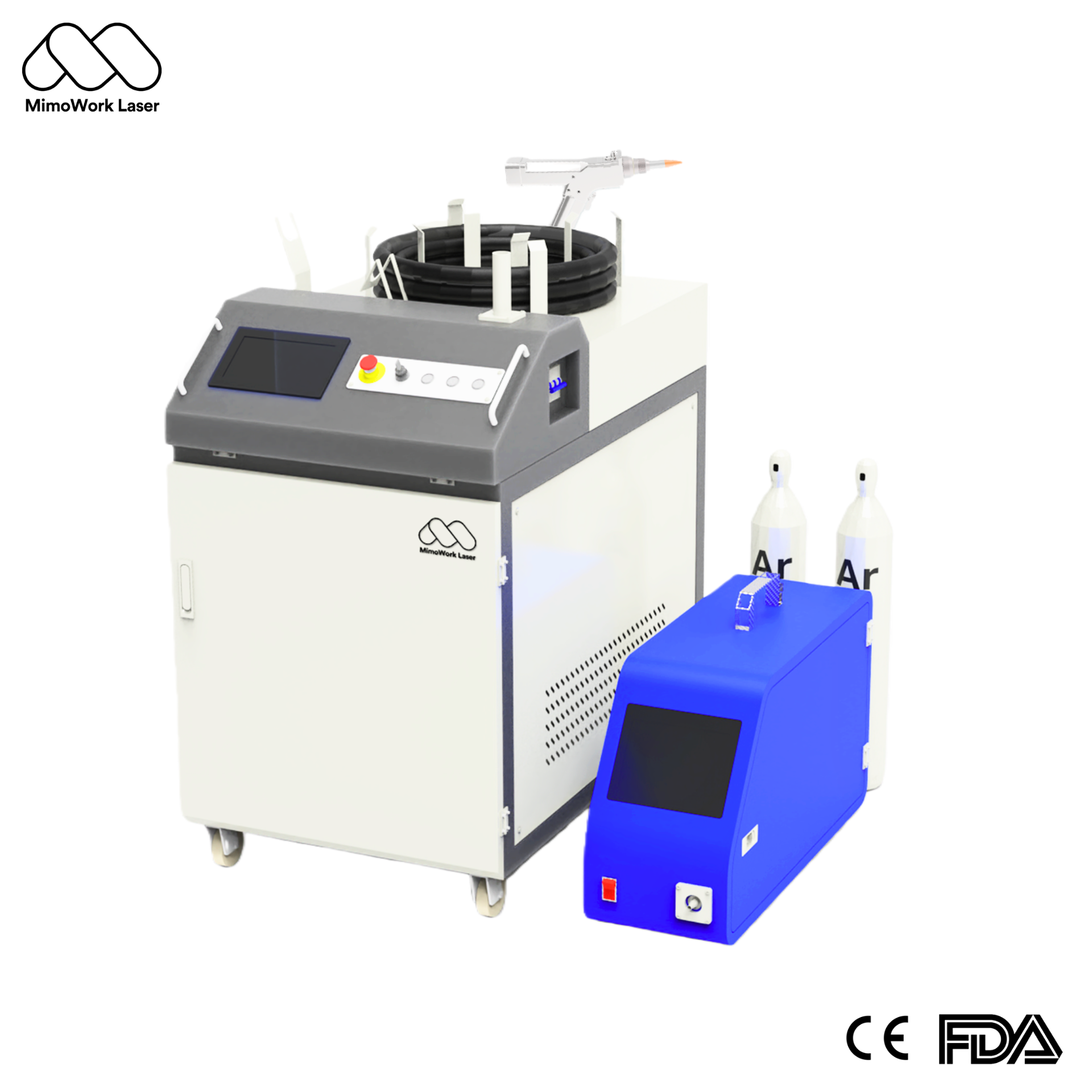
The restoration and preparation of wooden surfaces present unique challenges, requiring the removal of contaminants like paint, soot, biological growth, or aged varnish without damaging the delicate underlying grain and structure. Traditional methods often involve sanding, chemical strippers, or abrasive blasting, which can be invasive, time-consuming, and hazardous. A modern, precise alternative is the laser cleaning machine for wood. This technology offers a non-contact, eco-friendly method to selectively ablate unwanted layers, preserving the integrity of the wood substrate for high-value restoration, furniture refurbishment, and historical conservation projects.
How Laser Cleaning Technology Works on Wood
The effectiveness of a laser cleaning machine for wood hinges on the principle of selective photothermal ablation. A focused beam of light delivers energy to the surface. The contaminant layer (e.g., paint, char, mold) absorbs this energy much more efficiently than the wood beneath it, causing the pollutant to vaporize or turn into fine particulate that can be easily removed. For sensitive materials like wood, a Pulsed Fiber Laser is typically the preferred source. It emits ultra-short, high-peak-power pulses that remove material layer-by-layer with minimal heat transfer, preventing scorching, burning, or structural damage to the wood. This precision makes it ideal for delicate tasks where surface integrity is paramount.
Key Applications in Wood Processing
A specialized laser cleaning machine for wood unlocks a range of applications previously considered difficult or risky. It is exceptionally effective for paint stripping from antique furniture or architectural elements, removing soot and char from fire-damaged timbers, and eradicating biological stains like mold or mildew without using harmful chemicals. Furthermore, it can delicately clean intricate carvings, restore historical artifacts by removing aged coatings and dirt, and prepare wood surfaces for refinishing or bonding by creating a perfectly clean interface without altering the wood’s topography.
A Complete Workshop Solution
Integrating a laser cleaning machine for wood into a workshop complements other laser processes. For instance, after cleaning a restored wooden panel, a CO2 Laser Marking Machine can be used to add serial numbers or decorative engravings with sharp contrast. Similarly, laser cutters are available for precisely shaping wood and acrylic components. This synergy across laser technologies enables comprehensive fabrication and restoration workflows, from cleaning and preparation to final marking and cutting, all within a single ecosystem.
FAQ
Q: Is a laser cleaning machine safe for all types of wood?
A: Yes, when configured correctly. Using a pulsed laser with precisely controlled parameters allows for the safe removal of surface contaminants from hardwoods, softwoods, and even delicate antique wood without causing scorching or subsurface damage. The key is the selective absorption of laser energy by the contaminant versus the wood substrate.
Q: What safety equipment is needed to operate this machine?
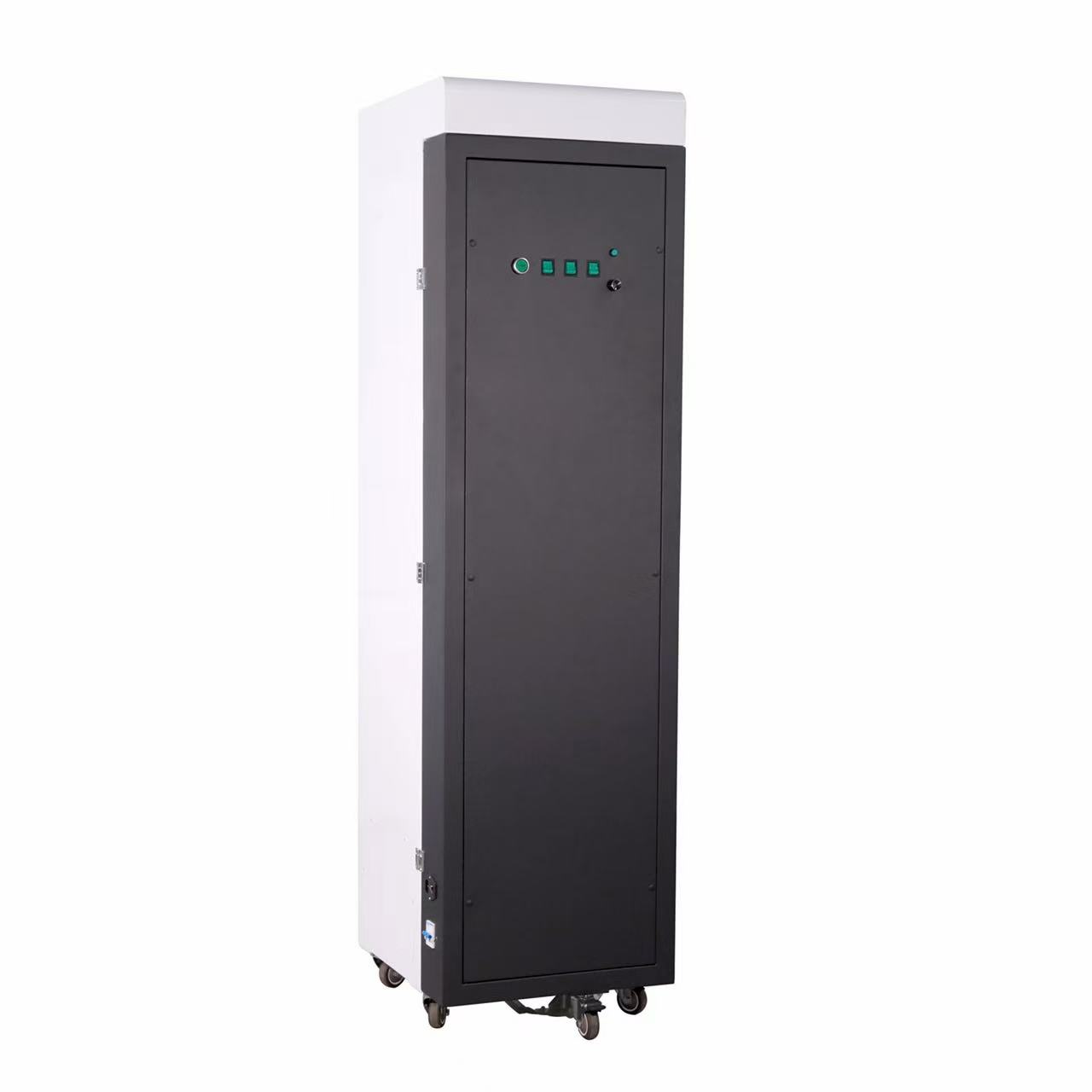
A: Essential safety equipment includes approved laser safety goggles specific to the laser’s wavelength (e.g., 1064nm for fiber lasers). A fully integrated fume extraction and filtration system is non-optional to capture airborne particles and vapors. Operators should also follow standard protocols for working with high-power laser equipment.
Q: Can it remove deep stains or paint from wood?
A: A pulsed laser cleaning machine is highly effective at removing paint, varnish, and surface-level stains. Its layer-by-layer ablation process can tackle multiple coats. However, deep stains that have penetrated the wood fibers may not be fully removable, as the laser targets surface materials. A test on an inconspicuous area is always recommended.
Q: How does the cleanup compare to sandblasting?
A: Laser cleaning produces significantly less secondary waste. Contaminants are primarily converted to fine particulate that is captured at the source by the fume extractor. This results in a virtually dust-free workspace, unlike sandblasting which creates substantial abrasive media and substrate debris that requires extensive containment and cleanup.