Blog
In a field that evolves daily, staying ahead means staying informed.
Explore in-depth articles designed to help you solve complex challenges,
maximize your machine’s ROI.
Stay ahead in a competitive market.


In a field that evolves daily, staying ahead means staying informed.
Explore in-depth articles designed to help you solve complex challenges,
maximize your machine’s ROI.
Stay ahead in a competitive market.
News | Apr-9-2026
Wood laser machines utilize focused beams of light, primarily from CO2 laser sources, to cut, engrave, and mark wood-based materials with exceptional precision and minimal waste. This technology is a cornerstone for industries ranging from custom signage and gift manufacturing to architectural model making and furniture inlay work. The non-contact nature of the process eliminates tool wear and allows for intricate designs that would be impossible or prohibitively expensive with traditional mechanical tools, making modern wood laser machines indispensable for both hobbyists and industrial production.
Core Technology and Machine Types
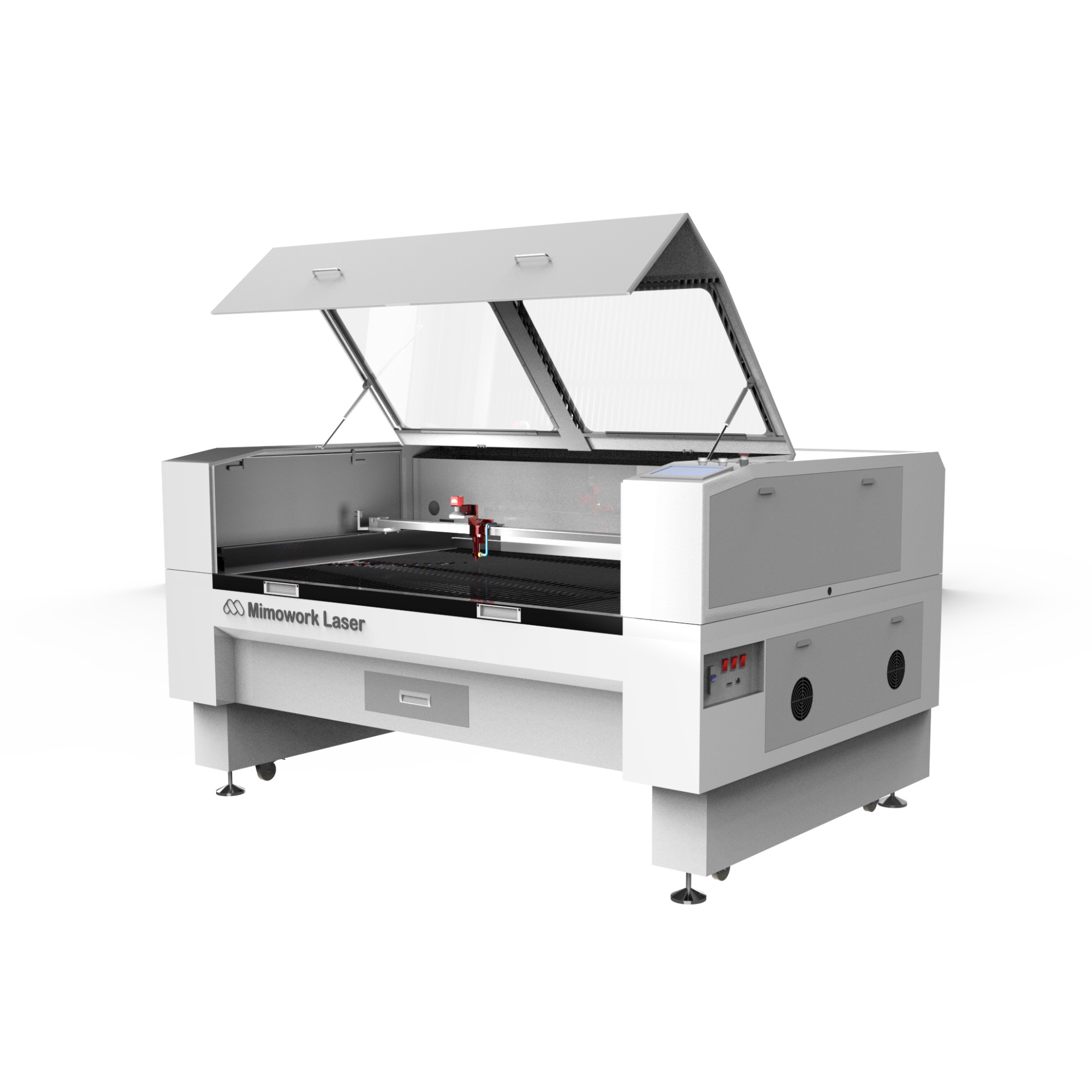
The most common and effective technology for processing wood is the CO2 laser. These machines use a gas-filled tube to generate a laser beam with a wavelength (around 10.6 micrometers) that is highly absorbed by organic materials, causing rapid vaporization for clean cutting and engraving. Wood laser machines come in various formats, from desktop models like the F60 for hobbyists to large-format flatbed systems like the F130-L or F180-L designed for processing full 4×8 foot sheets in an industrial setting. Key specifications include laser power (from 60W to 600W+), which determines cutting depth and speed, work area size, and the motion control system which ensures accuracy and repeatability.
Applications and Material Compatibility
The applications for wood laser machines are vast. They excel at cutting plywood, MDF, solid wood, and bamboo for components, creating intricate engravings for decorative art, and marking serial numbers or logos. High-power models can cut wood up to 20mm thick, while machines equipped with RF metal laser tubes can achieve engraving speeds up to 2000mm/s for high-volume production. Beyond standard woods, these machines can also process a wide array of related materials such as acrylic, leather, paper, and some plastics, offering remarkable versatility for a workshop.
Advantages and Integration
The integration of wood laser machines into a production workflow offers transformative advantages. They enable just-in-time manufacturing and high levels of customization with quick digital job changes. Automated features like shuttle tables or conveyor systems can drastically increase throughput by allowing for continuous loading and unloading, minimizing machine downtime. The precision of laser cutting minimizes material waste through optimized nesting, while the sealed edges on cuts reduce or eliminate the need for post-processing on many projects, streamlining the entire production cycle from design to finished product.
FAQ
Q: What types of wood projects are wood laser machines best suited for?
A: Wood laser machines are exceptionally versatile, ideal for creating intricate decorative engravings, precise cutting for joinery and inlays, personalized gift items, custom signage, architectural models, and industrial parts from sheet materials like plywood and MDF.
Q: How do I choose the right laser power for cutting wood?
A: Laser power requirements depend on material thickness and desired speed. For engraving and cutting thin woods (3-6mm), 60W-100W is sufficient. For cutting thicker materials (12-20mm) at production speeds, powers of 150W and above are recommended.
Q: What safety precautions are essential when operating a wood laser machine?
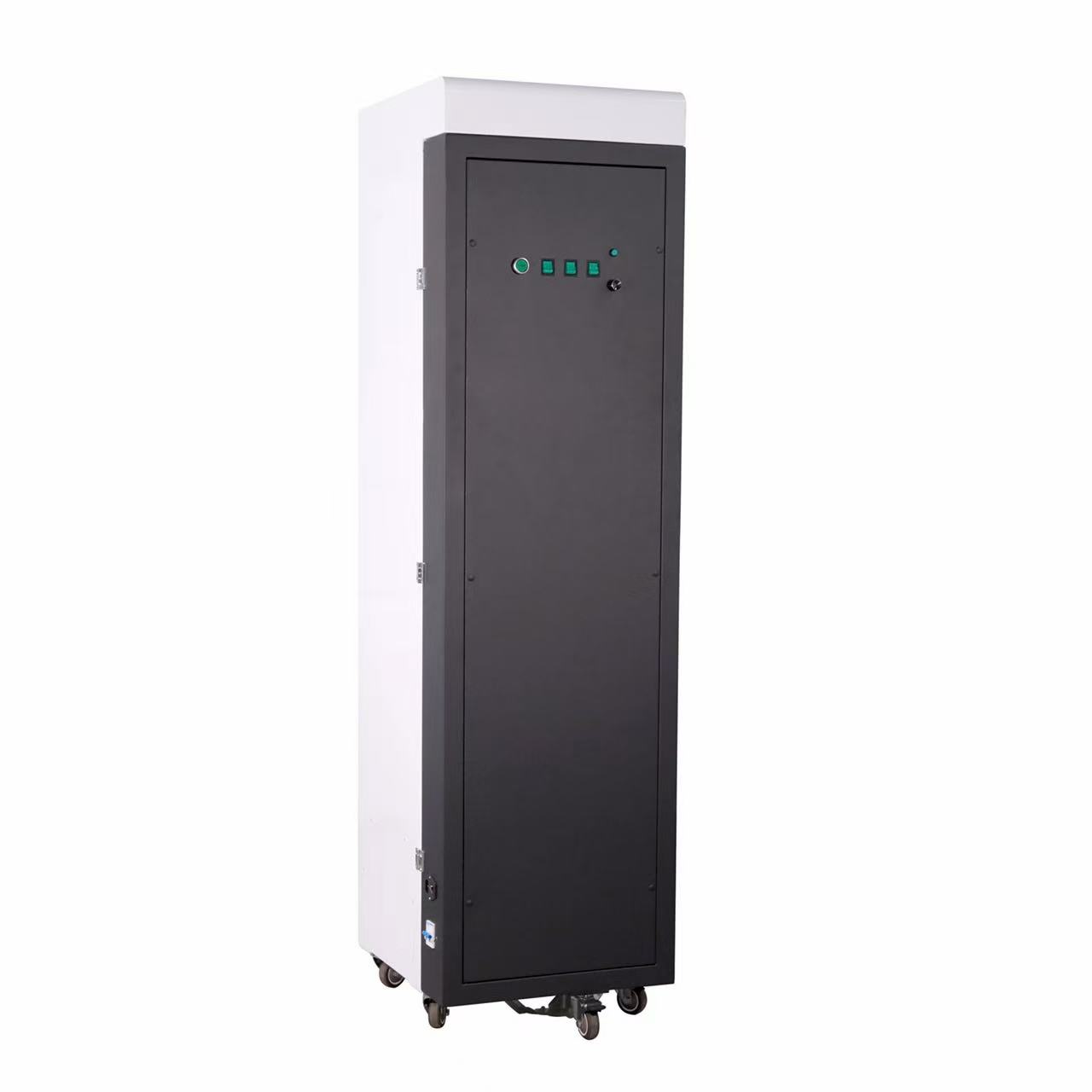
A: Beyond standard laser safety enclosures and interlocks, the most critical precaution for wood is installing a high-efficiency fume extraction system. Processing wood generates smoke and fine particulates that can harm respiratory health, coat optics, and stain workpieces.
Q: What software is used to control these machines, and is it user-friendly?
A: Many modern wood laser machines are compatible with intuitive, industry-standard software like LightBurn, which offers powerful design, editing, and machine control tools suitable for both beginners and professionals.
Q: What regular maintenance does a wood laser machine require?
A: Key maintenance tasks include regular cleaning of the lens and mirrors to ensure beam quality, checking and cleaning the exhaust path to maintain proper airflow, and ensuring the cooling system (water chiller) is functioning correctly to protect the laser source.