Blog
In a field that evolves daily, staying ahead means staying informed.
Explore in-depth articles designed to help you solve complex challenges,
maximize your machine’s ROI.
Stay ahead in a competitive market.


In a field that evolves daily, staying ahead means staying informed.
Explore in-depth articles designed to help you solve complex challenges,
maximize your machine’s ROI.
Stay ahead in a competitive market.
News | Apr-13-2026
The fiber laser 1000W represents a critical power threshold in industrial laser systems, offering an optimal balance of processing capability, operational efficiency, and investment cost. This solid-state laser technology, characterized by its 1064nm or 1070nm wavelength and superior beam quality delivered via an optical fiber, has become a cornerstone across diverse manufacturing sectors, from welding and cleaning to marking. Its versatility stems from its ability to deliver concentrated energy for both continuous and modulated applications, making it a preferred choice for tasks requiring deep penetration, high-speed ablation, or precise surface modification.
Efficient Surface Preparation with Laser Cleaning
The continuous wave (CW) fiber laser 1000w is equally transformative in surface preparation. Engineered as a workhorse for heavy-duty applications, CW Laser Cleaning Machines use this constant high-power beam to rapidly strip thick layers of rust, paint, and mill scale from large metal surfaces. The process acts as a non-abrasive “pressure washer of light,” making it ideal for surface preparation in shipbuilding, structural steel, and large-part refurbishment, where throughput and thorough cleaning are paramount. This power level provides an effective starting point for fast, large-scale removal of heavy contaminants.
High-Speed Marking for Traceability
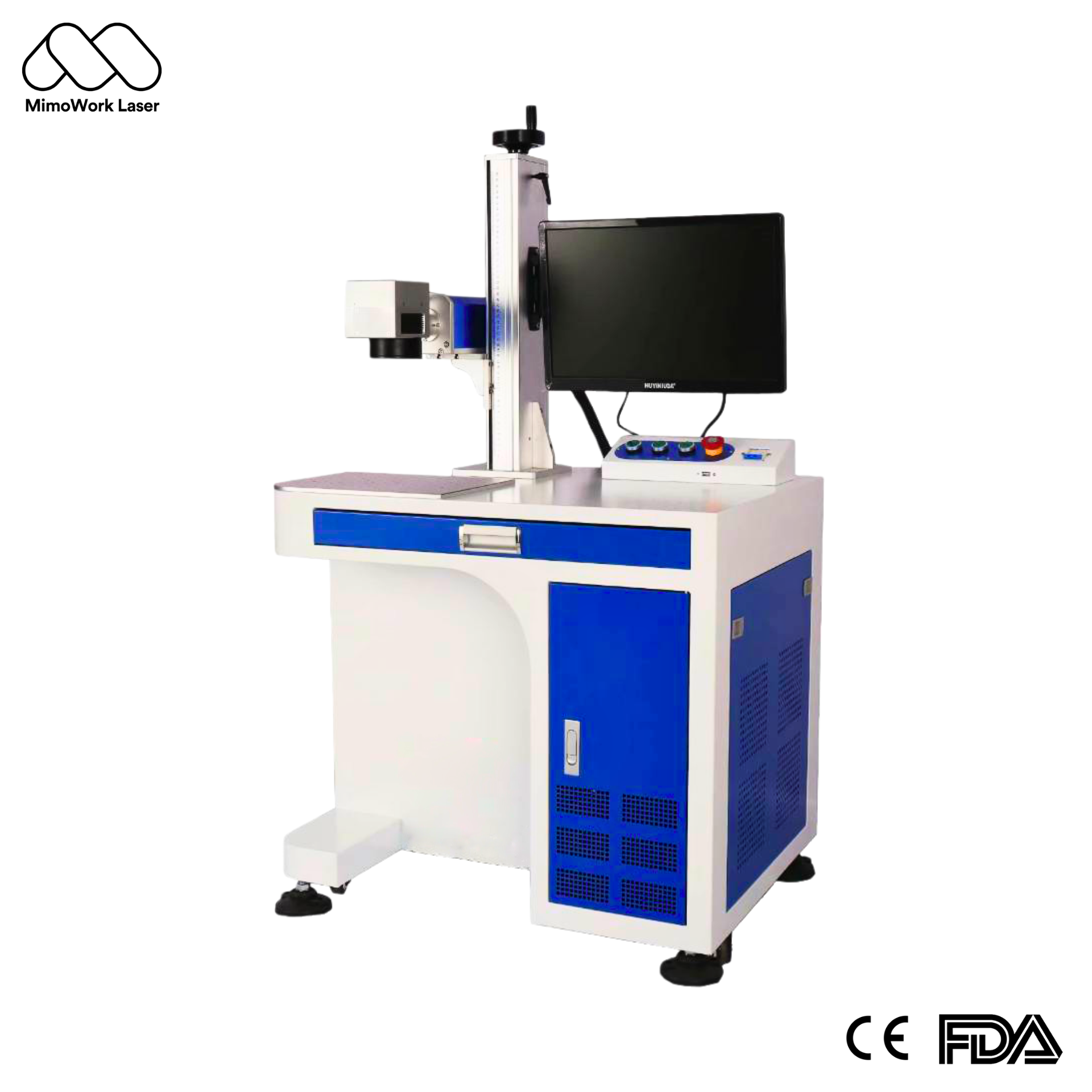
Beyond welding and cleaning, the fiber laser 1000w spectrum also includes lower-power variants for marking, though the core technology principles remain. Fiber Laser Marking Machines, often using 20W to 50W sources derived from similar fiber laser technology, create permanent, high-contrast marks on metals and plastics at speeds up to 8,000mm/s. This underscores the adaptability of fiber laser architecture across power ranges, with the 1000W models representing the high-power end of the spectrum for material modification and removal tasks.
Critical System Components and Integration
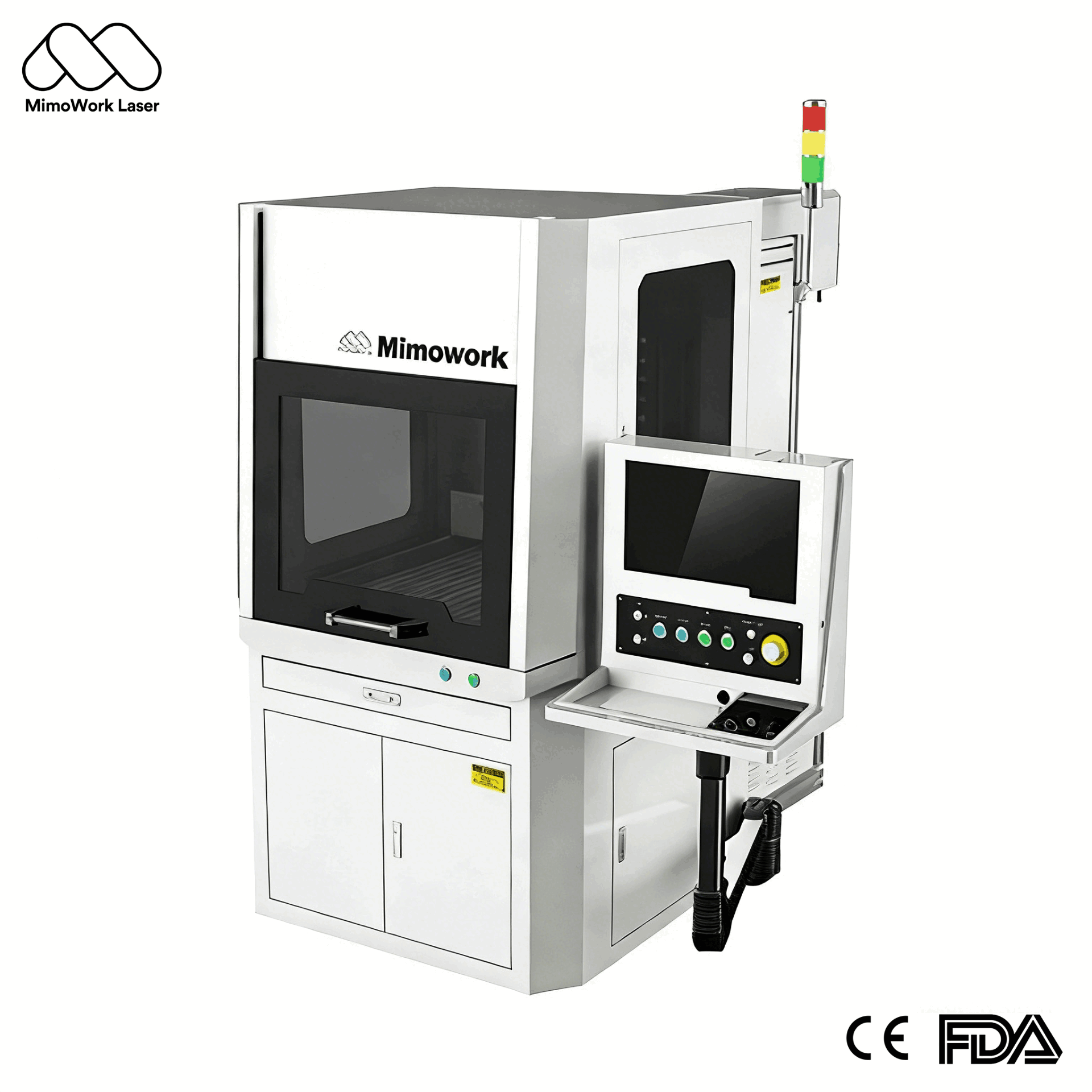
Deploying a 1000W fiber laser effectively requires robust supporting systems. Water cooling is standard for managing the thermal load during sustained operation, ensuring power stability and longevity. Furthermore, integrating a high-performance fume extraction system is vital for any laser processing at this power level. Industrial fume extractors capture the dense smoke, metal dust, and particulates generated during welding and cleaning, protecting both operator health and the laser equipment’s optics. A complete solution combines the laser with appropriate cooling, extraction, and safety enclosures for reliable, clean, and efficient operation.
FAQ
Q: Is a fiber laser 1000w suitable for all materials?
A: No, material suitability depends on the application. A 1000W laser is highly effective for welding and cleaning various metals (steel, aluminum). For marking, lower-power fiber lasers are used on metals and some plastics, while materials like glass or certain plastics may require different laser types like UV or CO2.
Q: How does a 1000W fiber laser compare to higher-power models?
A: A 1000W fiber laser offers an excellent balance for many industrial tasks. Higher-power models (e.g., 4000W) provide faster welding speeds and deeper penetration for thicker materials or faster cleaning rates, but at a higher initial cost. The 1000W unit is often the most cost-effective choice for a wide range of common thicknesses and applications.
Q: What are the key safety considerations when operating a 1000W laser?
A: Paramount safety considerations include wearing appropriate laser safety eyewear for the 1064nm wavelength, implementing interlocked safety enclosures to prevent exposure to the beam, and ensuring proper ventilation or fume extraction to remove hazardous process byproducts from the operator’s breathing zone.
Q: Can a 1000W fiber laser system be customized for a specific production line?
A: Yes, companies with independent R&D departments can develop custom solutions. This can include integrating the laser source with specific robotic arms, gantries, or vision systems, and developing tailored software interfaces to seamlessly fit into an automated production workflow.