Blog
In a field that evolves daily, staying ahead means staying informed.
Explore in-depth articles designed to help you solve complex challenges,
maximize your machine’s ROI.
Stay ahead in a competitive market.


In a field that evolves daily, staying ahead means staying informed.
Explore in-depth articles designed to help you solve complex challenges,
maximize your machine’s ROI.
Stay ahead in a competitive market.
News | Apr-14-2026
Core Strengths and Operational Principles
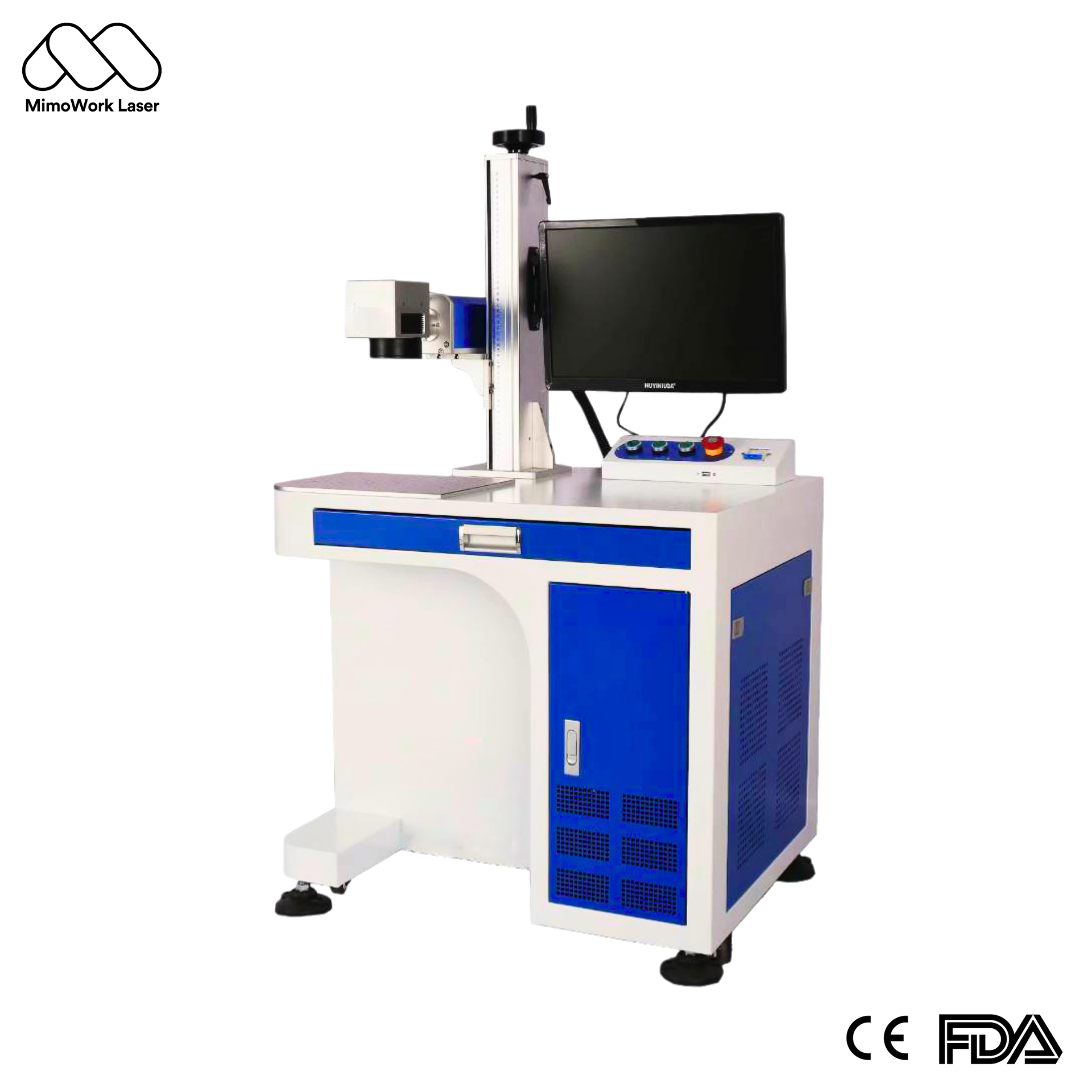
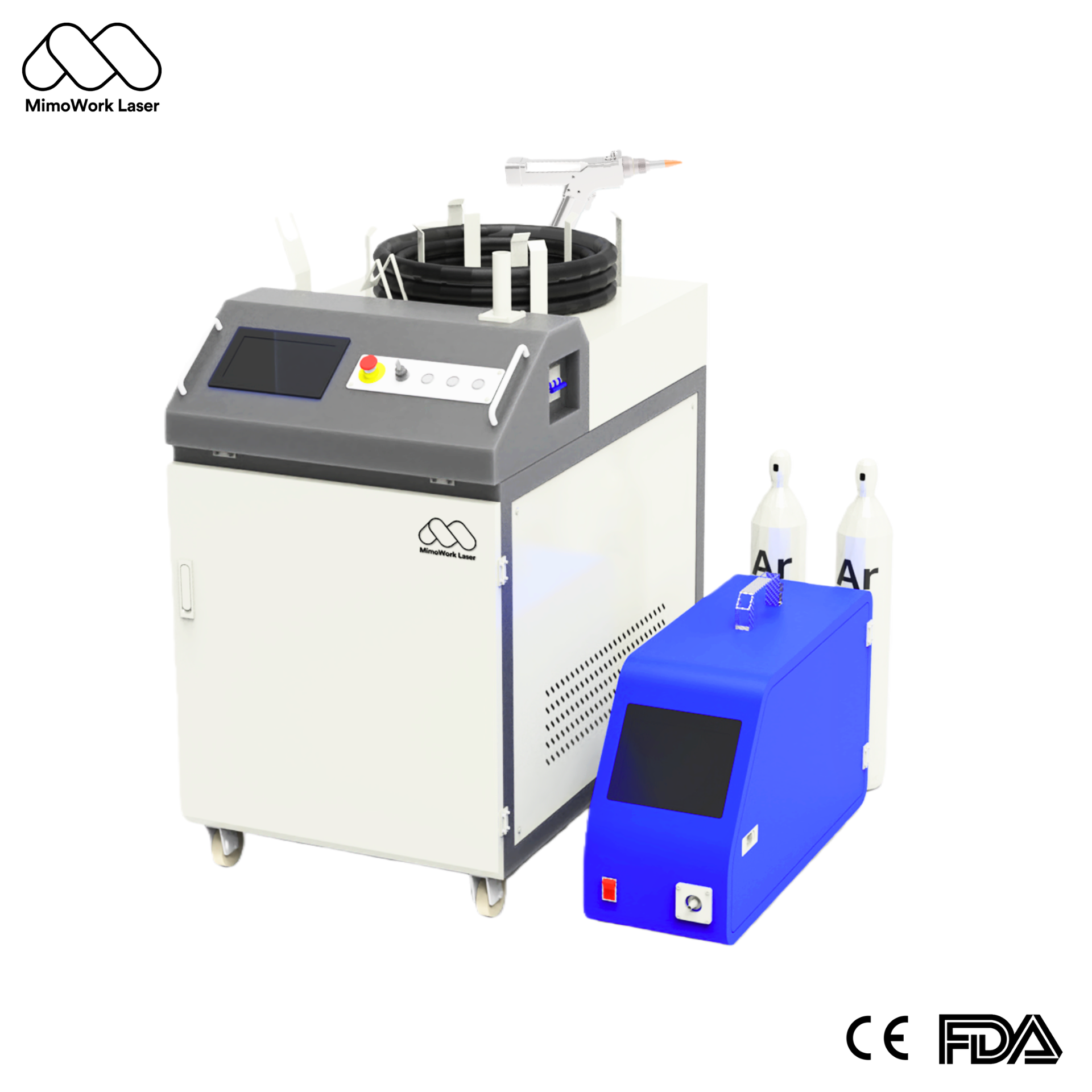
The advantage of a 30-watt system lies in its focused energy delivery. Unlike higher-power continuous wave lasers used for cleaning or welding, a 30 watt fiber laser for marking often operates in a pulsed or modulated mode. This allows for precise control over heat input, which is paramount for creating high-contrast marks without thermal distortion or damage to the substrate. The beam is directed at high speeds via a galvanometer scanner system, enabling marking speeds up to 8,000mm/s on areas typically ranging from 70x70mm up to 200x200mm. This combination of speed and control makes it a consumable-free workhorse, eliminating the need for inks, chemicals, or tooling wear associated with traditional methods.
Ideal Application Domains
This laser power is exceptionally well-suited for industries where permanence, legibility, and detail are non-negotiable. Its primary domain is the marking of metals—including steel, aluminum, anodized surfaces, and coated metals—for applications like serial numbers, Data Matrix codes, logos, and compliance labels. Furthermore, a 30 watt fiber laser is capable of processing many engineered plastics, making it invaluable in the electronics, automotive component, and tool manufacturing sectors. It excels at creating crisp, smudge-proof marks that withstand harsh environments, abrasion, and cleaning processes, ensuring lifelong part traceability.
System Configuration and Key Components
A complete 30-watt fiber laser marking station consists of more than just the source. The core fiber laser source is robust and often air-cooled, designed for integration into production environments. It is paired with a high-speed galvanometer scanner and a standard F-theta lens to steer and focus the beam accurately across the working field. For operational flexibility and safety, systems can be upgraded with a handheld marking head for large or fixed parts, or enclosed within a safety enclosure system with integrated fume extraction for clean, compliant workshop integration. Choosing the correct configuration depends on whether the system will be used for benchtop batch marking or integrated into an automated production line.
Selecting the Right Laser for Your Needs
When evaluating a 30 watt fiber laser, it is crucial to match the technology to the material and desired mark. For standard, high-contrast marks on metals, a standard pulsed fiber laser is often sufficient. However, for more advanced applications on plastics or for achieving color marks on stainless steel, a MOPA-type fiber laser—which offers adjustable pulse parameters—might be the recommended choice, even at a similar power rating. The decision should be guided by specific sample testing to ensure the mark quality, speed, and contrast meet the application requirements.
FAQ
Q: What materials can a 30 watt fiber laser mark effectively?A: A 30 watt fiber laser is primarily designed for marking metals such as steel, aluminum, and anodized aluminum with excellent permanence and contrast. It can also process many engineered plastics. For non-metals like wood, acrylic, or glass, other laser types like CO2 or UV are typically more suitable.
Q: How does a 30 watt fiber laser differ from a higher-power (e.g., 50W or 100W) fiber laser?A: The key difference is in application depth and speed on thicker materials. While a 30W laser is perfect for surface marking, engraving, and micro-processing, a 50W or 100W laser can achieve deeper engraving, faster marking speeds, and may handle slightly thicker materials for cutting. The 30W option provides a cost-effective solution for the vast majority of industrial marking and light engraving needs without unnecessary power overhead.