Blog
In a field that evolves daily, staying ahead means staying informed.
Explore in-depth articles designed to help you solve complex challenges,
maximize your machine’s ROI.
Stay ahead in a competitive market.


In a field that evolves daily, staying ahead means staying informed.
Explore in-depth articles designed to help you solve complex challenges,
maximize your machine’s ROI.
Stay ahead in a competitive market.
News | Apr-15-2026
Primary Industrial Applications and Material Compatibility
The 50 watt fiber laser finds its strongest niche in permanent marking, engraving, and micro-processing. It is the workhorse for industrial traceability, capable of creating crisp, wear-resistant serial numbers, Data Matrix codes, and logos on metal parts, tools, and automotive components at high speeds. Beyond simple marking, it can achieve deep engraving for molds, stamps, and nameplates. Its precision also extends to selectively removing coatings or anodization from metals without damaging the base material. While a 50 watt fiber laser is predominantly used on metals like steel, aluminum, and titanium, it can also effectively process certain hard plastics and ceramics, providing a clean, consumable-free alternative to ink-based methods.
System Integration and Key Components
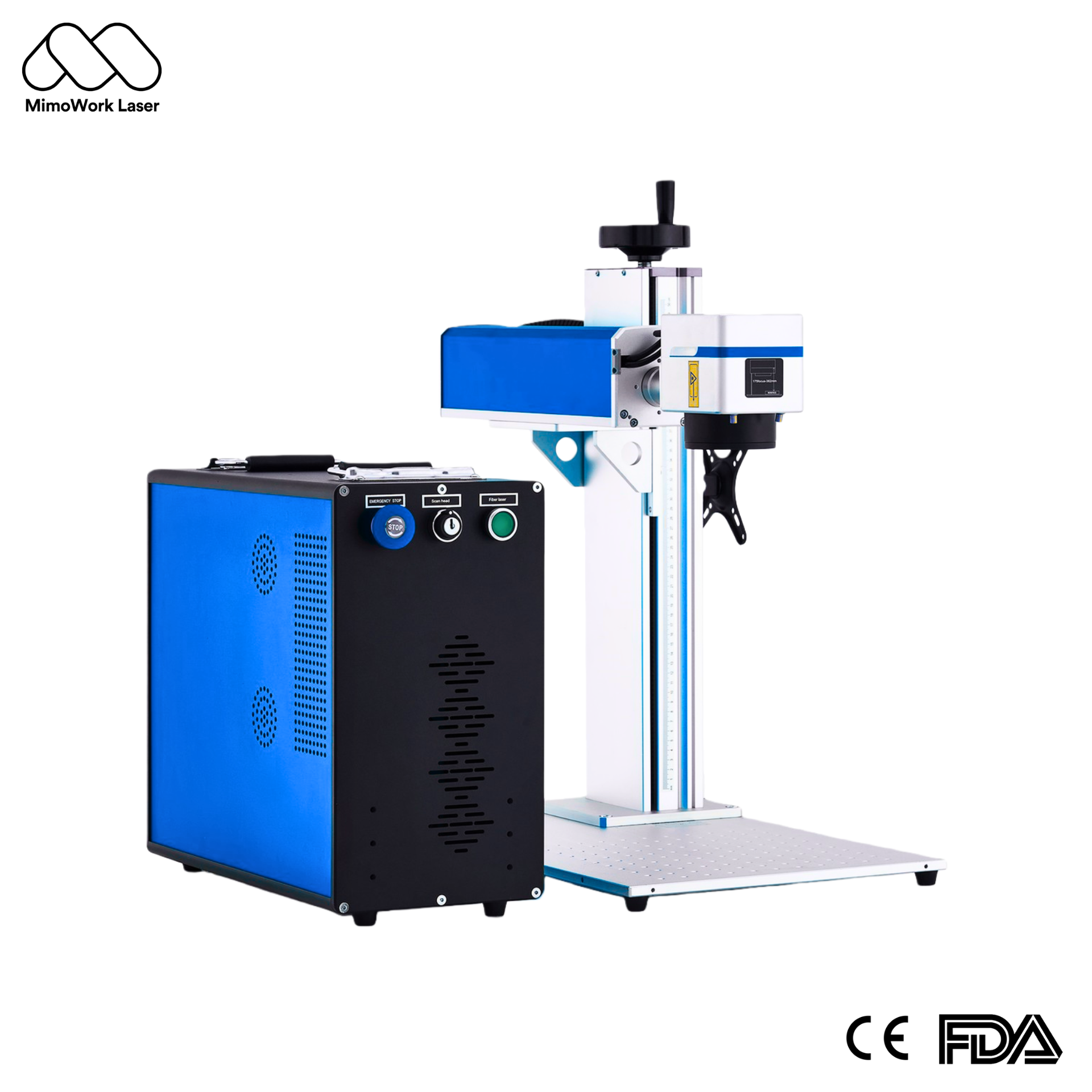
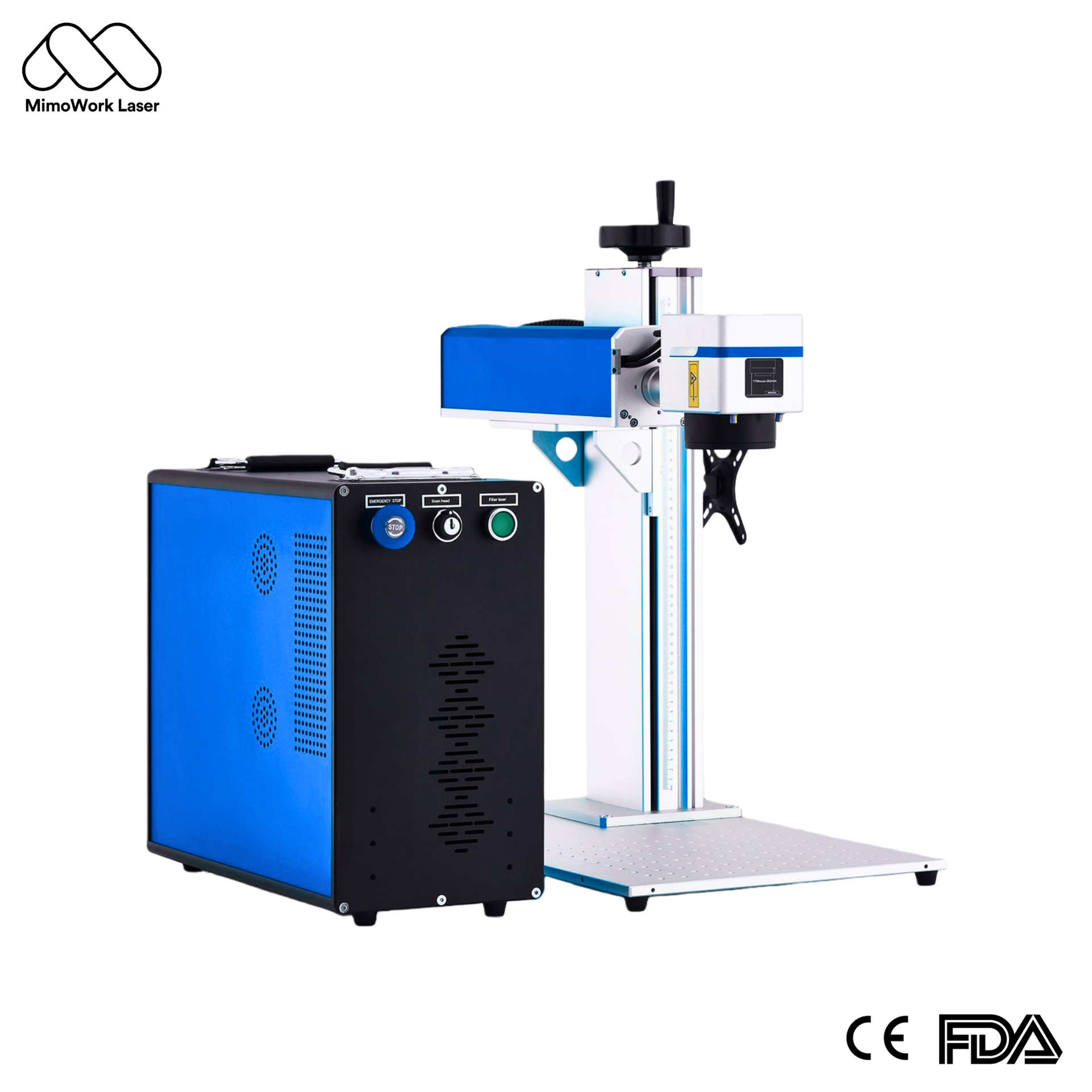
A typical industrial system built around a 50 watt fiber laser source includes several critical components. The laser source itself is often air-cooled, simplifying integration. The beam is directed by a high-speed galvanometer scanner system, which moves the laser spot with extreme speed and accuracy across the workpiece. An F-theta lens then focuses the beam to a consistent spot size within a defined working area, which can range from standard fields like 100x100mm to larger formats for bigger parts. This integration allows the 50 watt fiber laser to operate as part of an automated production line, with software controlling all parameters for consistent, repeatable results.
Selecting and Configuring a 50 Watt Fiber Laser System
Choosing the right system involves more than just the power rating. The required marking area, desired speed, and material type dictate the specifications for the scanner and lens. For operations involving parts with height variation or complex 3D surfaces, a 3D dynamic focus system becomes an essential upgrade to maintain mark quality. Furthermore, for environments demanding high-volume throughput, integration with automated part handling and vision systems for precise positioning can maximize productivity. The 50 watt fiber laser’s reliability and low maintenance requirements—with no consumables like inks or dies—make it a cost-effective solution for continuous operation.
Conclusion
The 50 watt fiber laser is a precision instrument tailored for durability and speed in marking and light engraving. Its robustness, excellent beam quality, and compatibility with industrial automation make it an indispensable tool for manufacturers across aerospace, automotive, electronics, and medical device industries seeking permanent part identification and high-quality surface texturing. When project requirements call for deep penetration welding, thick metal cutting, or large-scale surface cleaning, higher-power fiber lasers in the 1000W and above range are more appropriate. However, for the vast majority of industrial coding and precision surface engraving tasks, the 50 watt fiber laser delivers an unmatched combination of performance and value.