Blog
In a field that evolves daily, staying ahead means staying informed.
Explore in-depth articles designed to help you solve complex challenges,
maximize your machine’s ROI.
Stay ahead in a competitive market.


In a field that evolves daily, staying ahead means staying informed.
Explore in-depth articles designed to help you solve complex challenges,
maximize your machine’s ROI.
Stay ahead in a competitive market.
News | Apr-15-2026
The Workflow: From Design to Finished Part
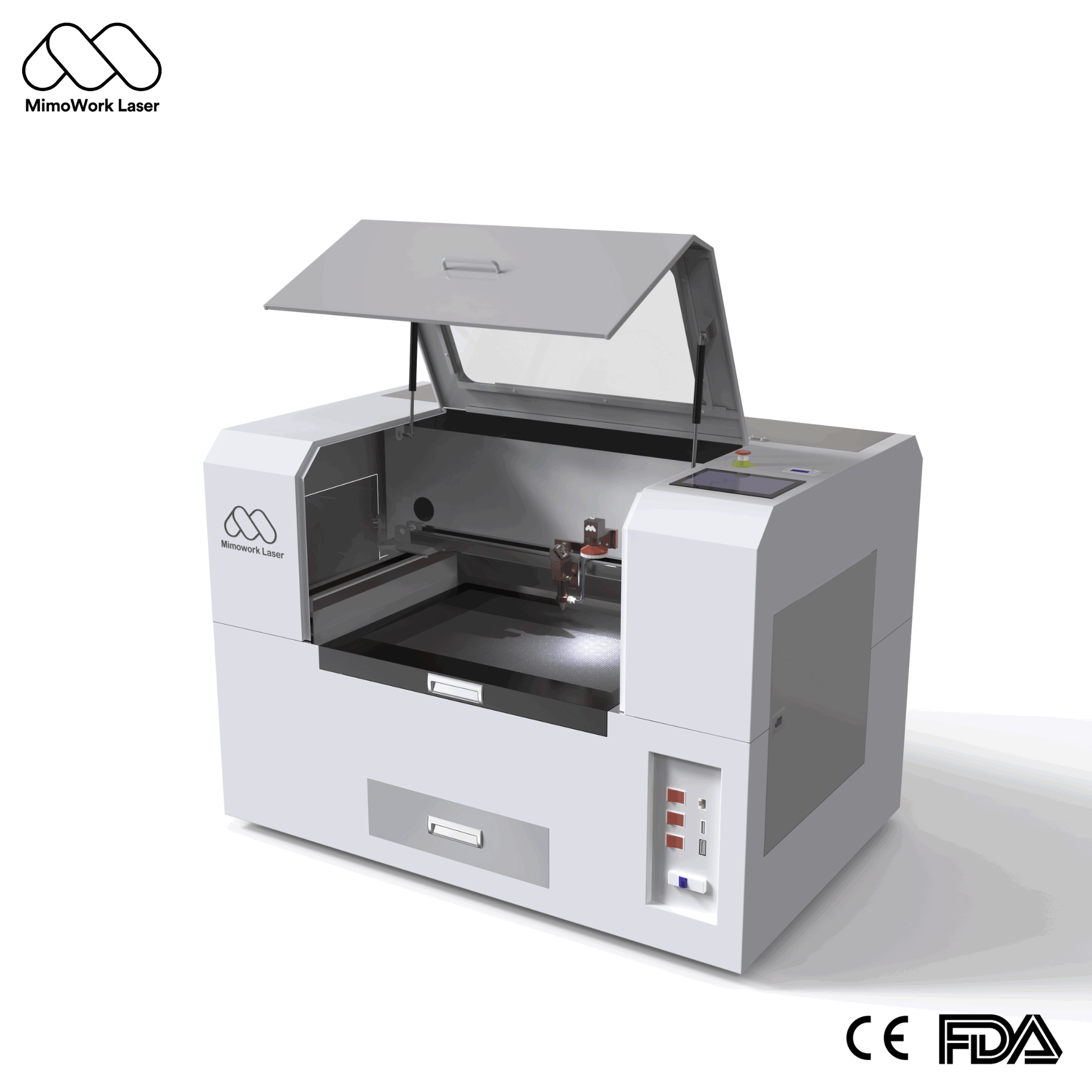
Operating a modern CO2 laser cutter and engraver typically involves a streamlined digital workflow. First, a vector or raster design is created or prepared in graphic software. This file is then imported into dedicated laser control software (such as LightBurn), where parameters like power, speed, and frequency are set based on the material. The material is placed on the machine’s work table, and the job is initiated. For advanced applications like processing pre-printed fabrics, vision systems using HD cameras can automatically recognize patterns or registration marks, allowing the laser to cut contours precisely without a pre-made cutting file, saving significant time.
Key Advantages of CO2 Laser Processing
Choosing a CO2 laser cutter and engraver brings several distinct advantages to manufacturing and creative work. It is a non-contact tool, meaning there is no physical force on the material, which prevents deformation of delicate items. It offers exceptional precision, capable of achieving intricate details as fine as 0.1mm for cutting and high-resolution engraving. The laser beam seals the edges of materials like fabrics and acrylic as it cuts, resulting in a finished, polished look without additional steps. Furthermore, these systems support automation, such as roll-to-roll feeding for textiles or dual-head configurations, dramatically increasing productivity for industrial-scale projects.
Essential Support Systems
For safe and optimal operation, a CO2 laser cutter and engraver must be integrated with proper support systems. An industrial water chiller is crucial for maintaining the laser tube at a stable temperature, ensuring consistent power output and extending the component’s lifespan. Equally important is a high-efficiency fume extraction system. Laser processing generates smoke and particulates that can harm equipment optics, redeposit on workpieces, and pose health risks. A dedicated fume extractor with appropriate filtration is mandatory to maintain a clean, safe, and productive workshop environment.