Blog
In a field that evolves daily, staying ahead means staying informed.
Explore in-depth articles designed to help you solve complex challenges,
maximize your machine’s ROI.
Stay ahead in a competitive market.


In a field that evolves daily, staying ahead means staying informed.
Explore in-depth articles designed to help you solve complex challenges,
maximize your machine’s ROI.
Stay ahead in a competitive market.
News | Apr-15-2026
Material Compatibility and Applications
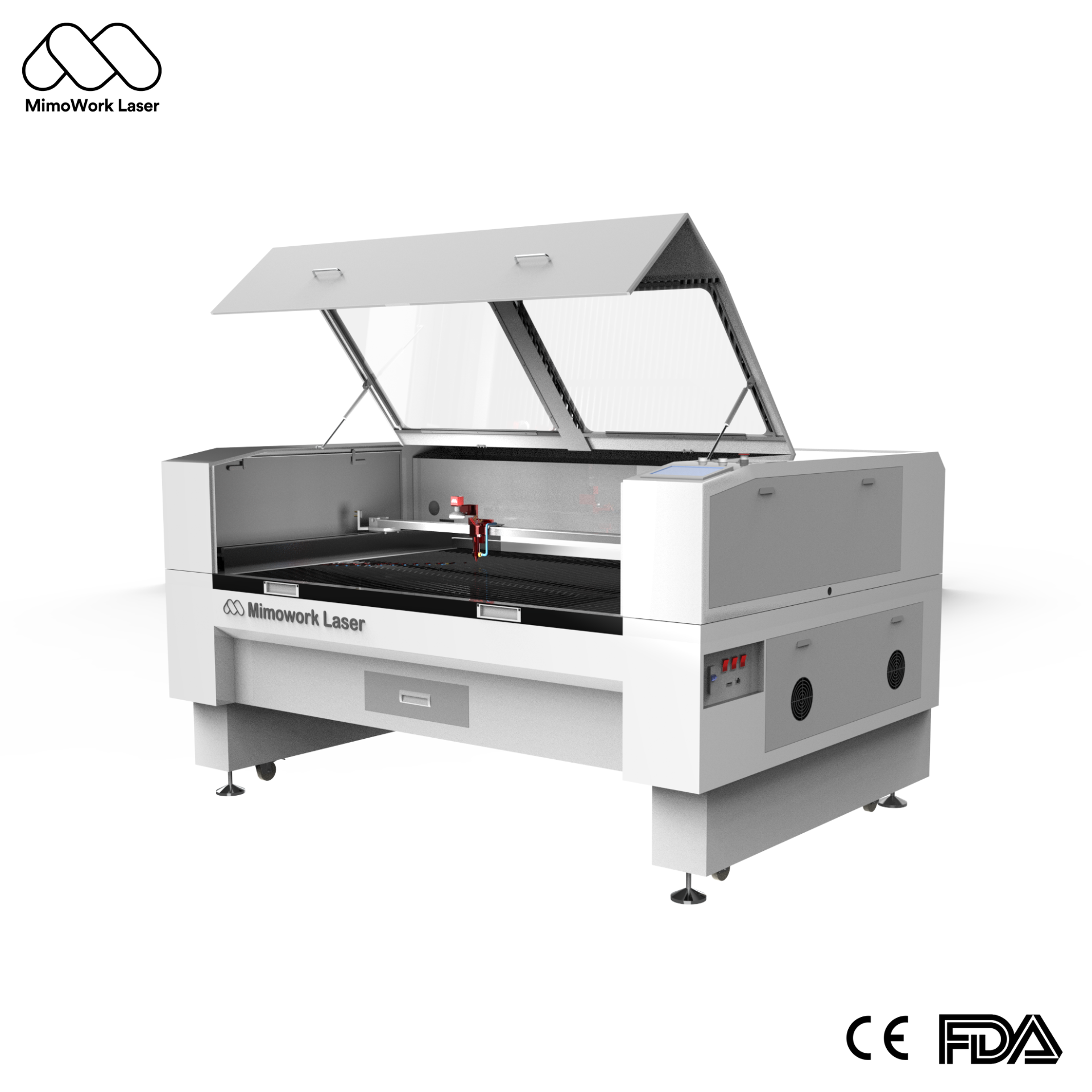
The true versatility of a CO2 laser engraving machine lies in its broad material compatibility. It is ideally suited for processing materials such as wood, acrylic (PMMA), plastics (including ABS), leather, paper, cardboard, glass, ceramics, and stone. This makes it an indispensable tool across diverse industries. It can produce detailed photo engravings on wood for personalized items, create sharp serial numbers and logos on plastic components for traceability, and perform intricate decorative work on acrylic and leather for consumer goods. The machine’s ability to handle everything from delicate paper to engineered wood underscores its role as a flexible manufacturing and customization solution.
Performance Characteristics and Optional Upgrades
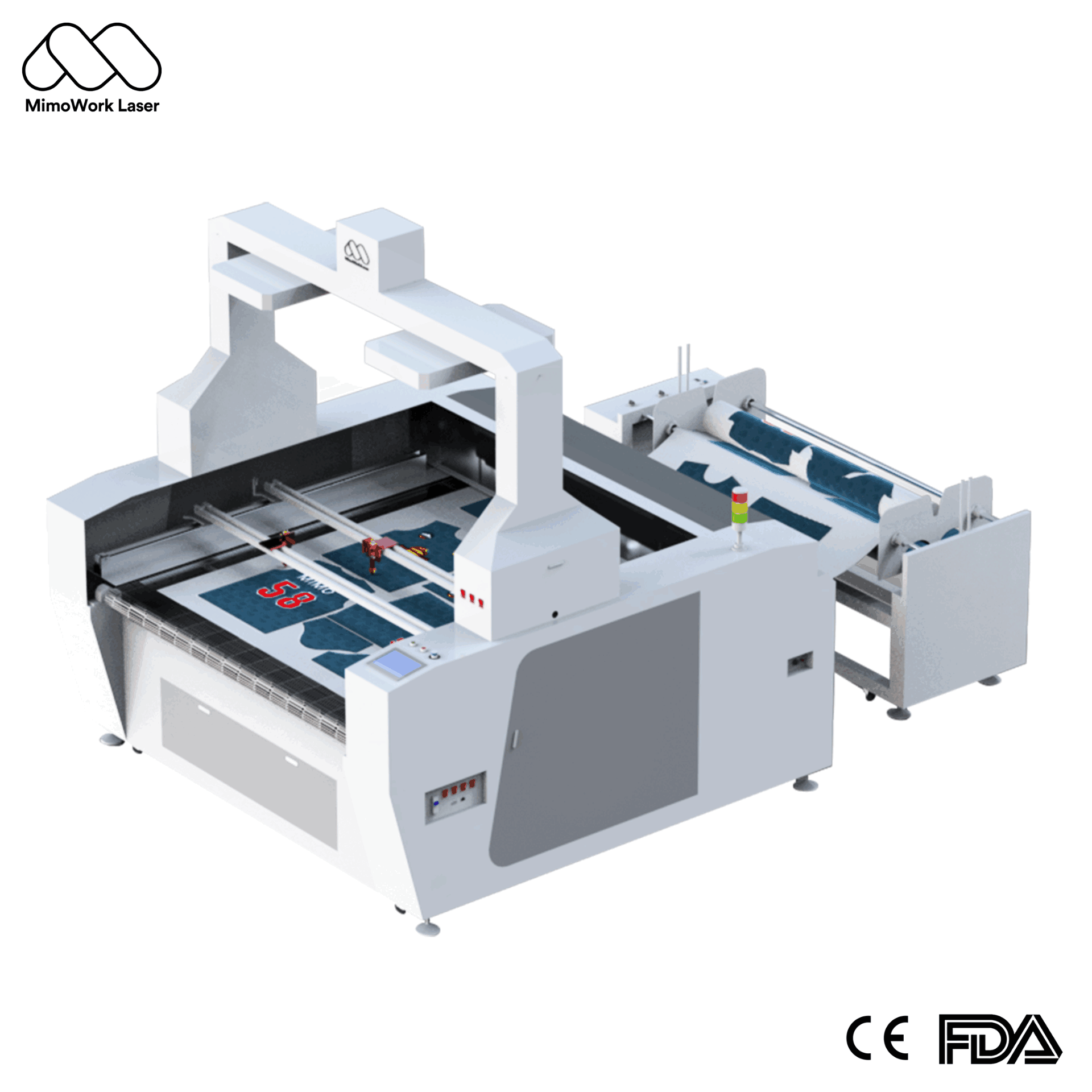
Modern CO2 laser engraving machines offer impressive performance metrics. High-speed galvanometer systems can achieve marking speeds up to 10,000 mm/s, while advanced gantry systems with optimized components support engraving speeds of 2,000 mm/s or more for high-volume throughput. To enhance capability, several upgrades are available. A shuttle table system allows for continuous production by enabling loading and unloading on one platform while the machine engraves on another, eliminating downtime. For gantry machines, upgrading to a ball screw and servo motor drive system can significantly increase speed and positioning accuracy for demanding production tasks. Furthermore, a robust fume extraction system is highly recommended to maintain air quality, protect the machine’s optics, and ensure a safe working environment by removing smoke and particulates generated during the engraving process.
FAQ
Q: What materials can a CO2 laser engraving machine process?
A: A CO2 laser engraving machine is primarily designed for non-metallic materials. It excels at engraving and cutting wood, acrylic, plastics, leather, paper, cardboard, fabric, glass, ceramics, and stone. It can also mark coated or anodized metals.
Q: Is a ventilation system necessary for a CO2 laser engraving machine?
A: Yes, it is strongly recommended. Laser processing generates fumes and particulates that can affect mark quality, harm machine optics, and pose health risks. An efficient fume extraction system, like a dedicated industrial fume extractor, is crucial for maintaining a clean, safe, and productive workshop.
Q: How do I choose the right laser power for my needs?
A: Laser power selection depends on your primary materials and desired operation. Lower power (e.g., 60W-100W) is sufficient for detailed engraving on woods and acrylics. Higher power (e.g., 150W and above) is necessary for faster engraving, deeper cuts, or processing denser materials. It’s best to discuss your specific applications with a technical expert.
Q: Can a CO2 laser engraving machine be customized for specific tasks?
A: Absolutely. Beyond standard models, many providers offer customization. This can include larger or custom work areas, integration of specialized workholding like shuttle tables, upgraded motion systems for higher speed, or complete integration with fume extraction and safety enclosures to create a tailored production solution.