Blog
In a field that evolves daily, staying ahead means staying informed.
Explore in-depth articles designed to help you solve complex challenges,
maximize your machine’s ROI.
Stay ahead in a competitive market.


In a field that evolves daily, staying ahead means staying informed.
Explore in-depth articles designed to help you solve complex challenges,
maximize your machine’s ROI.
Stay ahead in a competitive market.
News | Apr-15-2026
Compact Design and Mechanical Structure
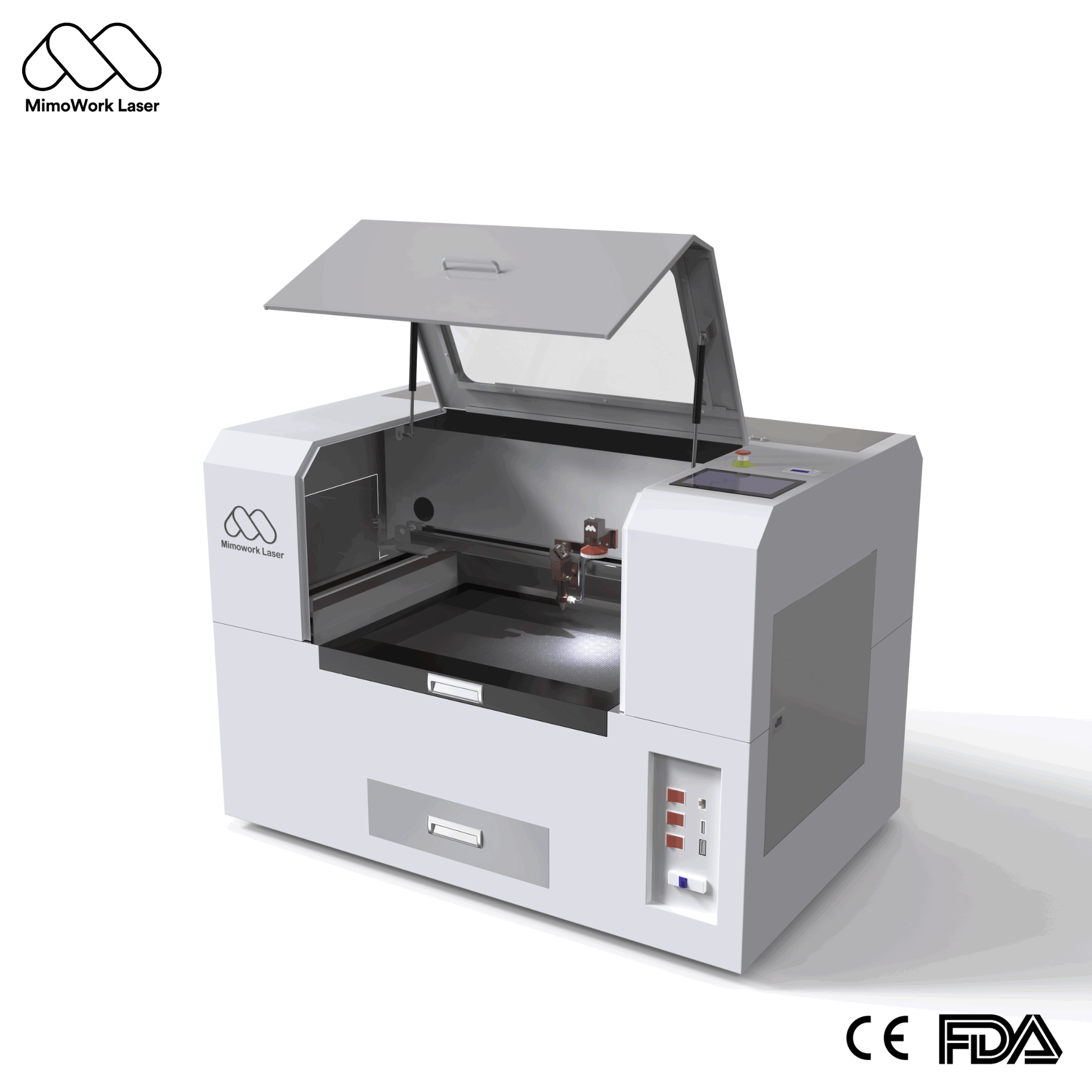
The defining feature of a desktop model is its optimized size. A typical work area may be around 600mm x 400mm, providing substantial space for projects while maintaining a minimal machine footprint. The mechanical structure must be rigid to ensure cutting precision, often employing a combination of belt transmission and hybrid servo motors for smooth, accurate motion within a compact frame. The working table is usually a honeycomb or knife-blade style, providing support while minimizing back-side marking and facilitating fume extraction.
Control System and Software Integration
Professional desktop CO2 laser cutter units are governed by sophisticated motion control systems that translate digital designs into precise physical movement. The software ecosystem is critical, supporting standard file formats like AI, BMP, PLT, and DXF. This allows users to create designs in familiar vector graphic software and seamlessly import them for cutting. Advanced software features may include nesting algorithms to optimize material usage and path planning to improve cutting efficiency.
Cooling and Safety Systems
Even in a desktop format, managing heat is paramount. An integrated industrial water chiller is a standard component, maintaining the optimal operating temperature of the laser tube for consistent performance and longevity. Safety is engineered into the system, with a mandatory focus on fume extraction. Processing materials like wood and acrylic generates smoke and particulates, making a compatible fume extractor or well-ventilated enclosure essential for operator safety and maintaining lens clarity. Therefore, integrating a proper desktop CO2 laser cutter into a workspace always requires planning for adequate ventilation or a dedicated filtration system.
Applications and Workflow Advantages
The accessibility of a desktop CO2 laser cutter opens up professional prototyping, custom gift creation, small-scale signage, and detailed model making to a broader audience. Its primary advantage is the elimination of traditional tooling, allowing for rapid iteration and complex, contactless cutting that would be difficult or impossible with manual methods. The sealed, often polished edge it creates on materials like acrylic and wood reduces post-processing time and enhances product quality. For small businesses and dedicated hobbyists, it represents a versatile and precise digital fabrication tool that bridges the gap between concept and physical object.
FAQ
Q: What materials can a desktop CO2 laser cutter process?
A: It excels at processing non-metallic materials. This includes wood, acrylic, MDF, leather, fabric, paper, cardboard, and many plastics like ABS. It is not suitable for metals, glass, or PVC, which can produce hazardous fumes.
Q: What are the key maintenance requirements?
A: Regular maintenance is crucial for performance and safety. This includes cleaning the lens and mirrors to ensure beam quality, checking and cleaning the water chiller to prevent overheating, ensuring the exhaust path is clear, and inspecting the mechanical components for wear.
Q: How important is fume extraction, and what is needed?
A: Fume extraction is mandatory, not optional. Cutting most materials produces smoke and fine particulates that are harmful to inhale and can coat optics. A dedicated fume extractor with HEPA and carbon filtration or a direct vent to the outside is required for safe operation.
Q: What file formats do these machines typically use?
A: They work with standard vector and image file formats. Common compatible formats include DXF, AI, PLT for vector cutting paths, and BMP for raster engraving operations. The control software converts these files into machine instructions.
Q: What safety certifications or standards should I look for?
A: Look for machines that comply with relevant regional safety standards (like CE, FDA for lasers). Key features include a fully interlocked safety enclosure that stops the laser when opened, proper warning labels, and emergency stop controls.