News | Apr-16-2026

 Understanding the 80 Watt CO2 Laser: Capabilities and Applications

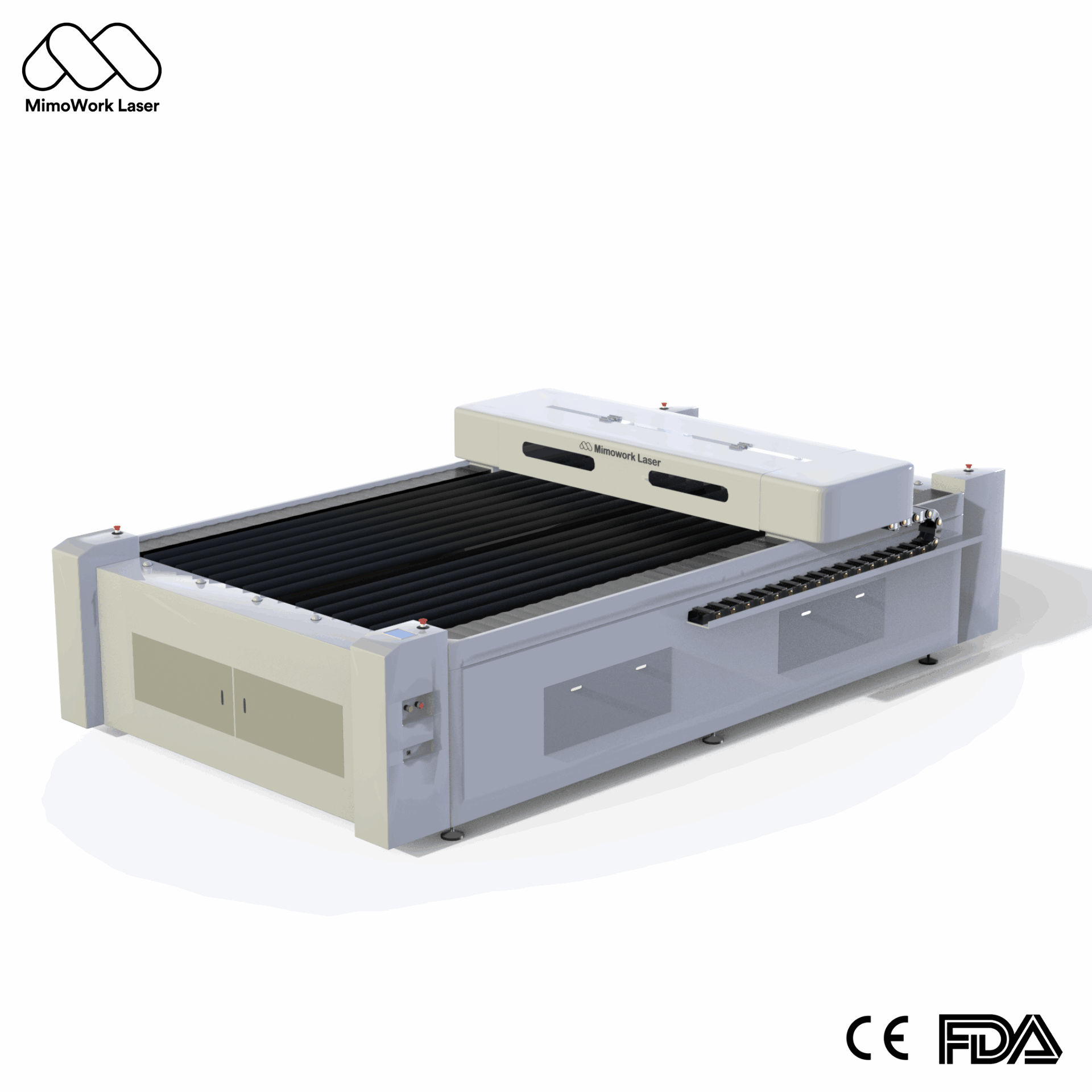
In the diverse landscape of laser cutting and engraving, the 80 watt CO2 laser represents a pivotal point of balance between capability, speed, and accessibility. This power level is frequently found in versatile, mid-range machines designed for small businesses and serious makers who require reliable performance across a broad spectrum of non-metal materials. Understanding its specifications and optimal use cases is key to maximizing productivity and return on investment.

Ideal Applications and Material Compatibility

Ideal Applications and Material Compatibility
This laser power is exceptionally well-suited for small to medium-scale production and prototyping. It excels in creating intricate wooden crafts, personalized acrylic awards, detailed fabric appliques, and precision leatherwork. The 80 watt CO2 laser is fundamentally designed for non-metal materials, delivering clean, sealed edges on organics and plastics where its wavelength is most effectively absorbed. For businesses, this translates to the ability to produce best-selling products, from custom woodworking projects to fashion accessories, with a single, reliable machine.

Operational Considerations and Safety
Operating any CO2 laser, including an 80 watt system, requires attention to safety and maintenance. A high-efficiency fume extraction system is mandatory to remove smoke and particulates, protecting both operator health and the machine’s optics. This is especially critical when processing materials like PVC or certain foams that can release hazardous fumes. Regular maintenance of the cooling system and lens cleaning are essential to preserve cutting quality and power consistency over time.

FAQ

Q: What materials can an 80 watt CO2 laser effectively cut and engrave?
A: An 80 watt CO2 laser is highly effective on a wide range of non-metallic materials. This includes wood, acrylic (PMMA), leather, fabric, paper, cardboard, and many plastics like ABS. It is ideal for applications in signage, crafts, textile design, and personalized goods.

Q: How does an 80 watt laser compare to lower or higher-power models?
A: An 80 watt CO2 laser offers a significant step up in cutting speed and thickness capacity compared to entry-level 60W machines, allowing for more efficient production. While it may not cut the very thickest materials as quickly as a 150W or 300W laser, it provides an excellent balance of capability, operational cost, and versatility for small to medium businesses.

Q: What are the essential safety accessories needed for operation?
A: The two most critical safety accessories are a high-performance fume extractor to remove hazardous smoke and a proper cooling system (like a water chiller) to maintain laser tube temperature. A fully interlocked safety enclosure is also highly recommended to contain the laser beam and protect operators.

Q: Can the laser source be upgraded in the future?
A: This depends on the specific machine model. Some systems are designed with fixed power, while others, particularly those in customizable or higher-end series, may offer the potential for future upgrades to a more powerful CO2 laser source, such as a 150W or 300W tube. It is best to consult with the manufacturer regarding upgrade paths for your specific equipment.

Q: What file formats are typically supported for sending designs to the laser?
A: Most modern CO2 laser systems, including those with 80-watt sources, support standard vector and image formats. Common compatible formats include AI, BMP, PLT, DXF, and DST, allowing for seamless workflow from design software to the laser cutter. Many also work directly with popular third-party software like LightBurn.