Blog
In a field that evolves daily, staying ahead means staying informed.
Explore in-depth articles designed to help you solve complex challenges,
maximize your machine’s ROI.
Stay ahead in a competitive market.


In a field that evolves daily, staying ahead means staying informed.
Explore in-depth articles designed to help you solve complex challenges,
maximize your machine’s ROI.
Stay ahead in a competitive market.
News | Apr-16-2026
Critical Support Systems and Safety
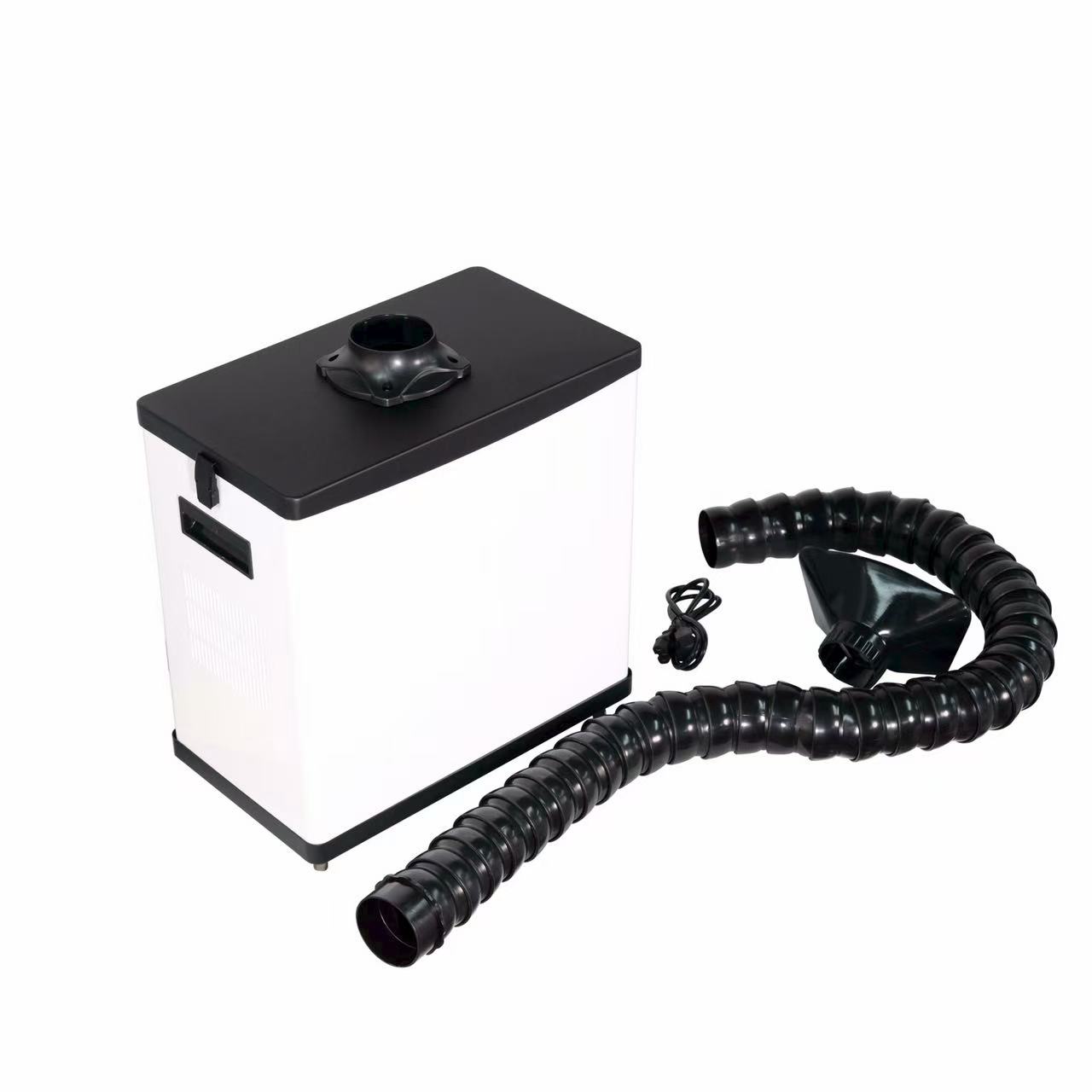
To unlock the full potential and ensure safe operation, supporting systems are crucial. Laser welding generates fumes and particulates that must be controlled. Integrating a robust fume extraction and filtration unit, such as a W-Series Fume Extractor designed for laser welding, is essential to protect operators, meet air quality standards, and maintain a clear view of the weld pool. Furthermore, mastering the use of a hand held fiber laser welder involves understanding its software and dialing in the correct parameters for specific materials and thicknesses, which is key to achieving consistent, high-quality results.
FAQ
Q: What are the primary applications for a hand held fiber laser welder?
A: The hand held fiber laser welder excels in on-site repair, maintenance, and light fabrication. It is ideal for fixing large structures that cannot be moved (like machinery frames or vehicle bodies), performing patch repairs, and for workshops handling a high mix of different metal joining tasks where flexibility is paramount.
Q: How does it compare to traditional TIG welding?
A: Compared to TIG welding, a hand held fiber laser welder typically offers faster welding speeds, produces significantly less heat input (minimizing distortion), and can be easier for operators to learn for consistent bead production. It often requires less pre-weld cleaning and can handle a variety of metals effectively.
Q: What safety equipment is necessary when operating one?
A: Beyond standard welding PPE (helmet, gloves, jacket), laser-specific safety is critical. Operators must use appropriate laser safety glasses rated for the 1064nm wavelength. Adequate ventilation is non-negotiable; an integrated fume extraction system is highly recommended to remove hazardous particulates and gases generated during the process.
Q: Can it weld without filler wire?
A: Yes, a hand held fiber laser welder can perform autogenous welds (without filler) on well-fitted joints. However, an integrated wire feeder system is a valuable upgrade for filling gaps, building up material, improving weld profile, and joining dissimilar metals, greatly enhancing its versatility.