Blog
In a field that evolves daily, staying ahead means staying informed.
Explore in-depth articles designed to help you solve complex challenges,
maximize your machine’s ROI.
Stay ahead in a competitive market.


In a field that evolves daily, staying ahead means staying informed.
Explore in-depth articles designed to help you solve complex challenges,
maximize your machine’s ROI.
Stay ahead in a competitive market.
News | Apr-16-2026
Key Advantages of Adopting a Fabric Laser
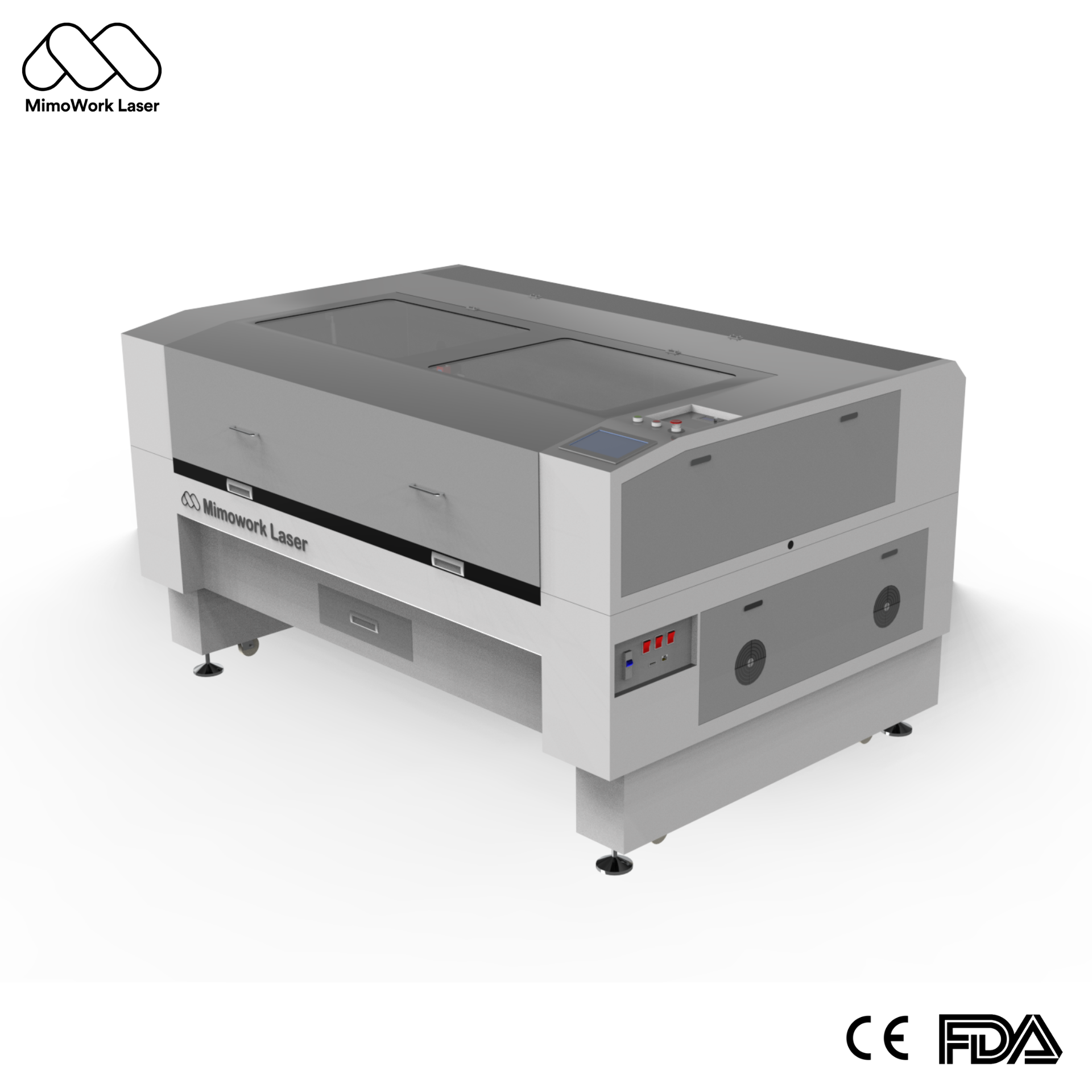
Integrating a fabric laser cutter into production offers transformative benefits. First, it dramatically increases productivity; operations can become 30-50% more efficient compared to single-head systems, especially when utilizing independent dual laser heads that work on different cutting paths simultaneously. Second, it ensures exceptional flexibility and precision. The intelligent software optimizes cutting paths for both regular and irregular patterns, allowing for efficient processing of personalized orders and producing standardized, high-quality products. This makes the fabric laser an ideal tool for on-demand manufacturing.
Critical Technical Features of a Modern Fabric Laser System
When selecting a system, several features are paramount for fabric-specific applications. A robust vacuum table is essential to hold material perfectly flat, preventing wrinkles and ensuring cut accuracy. Specialized air assist nozzles are calibrated for textiles to clear debris and prevent heat discoloration, ensuring clean edges. For operations using pre-printed fabrics, an integrated vision (CCD) camera system is indispensable. It automatically scans registration marks and aligns the laser cut to the printed graphic contours with flawless accuracy, eliminating manual tracing.
Primary Applications for Fabric Laser Cutting
The application range for this technology is vast. It is perfectly suited for activewear, sportswear, leggings, swimwear, and uniforms, where sealed edges are a premium feature. It is also the definitive solution for cutting sublimated fabrics for jerseys, flags, and banners, as the vision system guarantees perfect graphic alignment. Beyond apparel, fabric laser machines efficiently process materials for accessories, technical textiles, upholstery, and even industrial fabrics like Cordura® for outdoor gear.
FAQ
Q: Is fabric laser cutting safe for all types of textiles?
A: Yes, CO2 fabric laser cutters are highly effective and safe for most natural and synthetic textiles, including cotton, polyester, nylon, felt, and leather. The process seals the edges, preventing fraying. However, it is always recommended to test a small sample of any new material to determine optimal power and speed settings.
Q: Can a fabric laser cutter handle rolls of material?
A: Absolutely. Many industrial-grade fabric laser systems are designed with integrated conveyor or automatic feeding systems specifically for roll-to-roll processing. This allows for continuous, unattended operation, dramatically boosting throughput for large-volume orders.
Q: Does operating a fabric laser require specialized technical training?
A: No, one of the key design philosophies is ease of use. Machine operation is made to be intuitive and intelligent, allowing a single worker to master it quickly without the need for professional technician-level skills. This simplifies workforce training and retention.
Q: What is the typical return on investment (ROI) for a fabric laser?
A: ROI is achieved through multiple channels: drastically reduced labor costs via automation, lower material waste from optimized nesting and precision cutting, increased production speed, and the ability to accept high-margin, small-batch custom orders. The exact timeframe depends on production volume and application.
Q: How do I choose the right laser power for my fabric cutting needs?
A: Power requirements depend on material type, thickness, and desired cutting speed. For instance, a 100W-150W laser is often sufficient for single-ply apparel fabrics, while cutting multiple layers or heavy materials like canvas or technical textiles may benefit from 300W or higher power options. Consulting with an application specialist is the best way to determine the optimal configuration.