Blog
In a field that evolves daily, staying ahead means staying informed.
Explore in-depth articles designed to help you solve complex challenges,
maximize your machine’s ROI.
Stay ahead in a competitive market.

In a field that evolves daily, staying ahead means staying informed.
Explore in-depth articles designed to help you solve complex challenges,
maximize your machine’s ROI.
Stay ahead in a competitive market.
News | Apr-17-2026
Industrial Integration and Automation
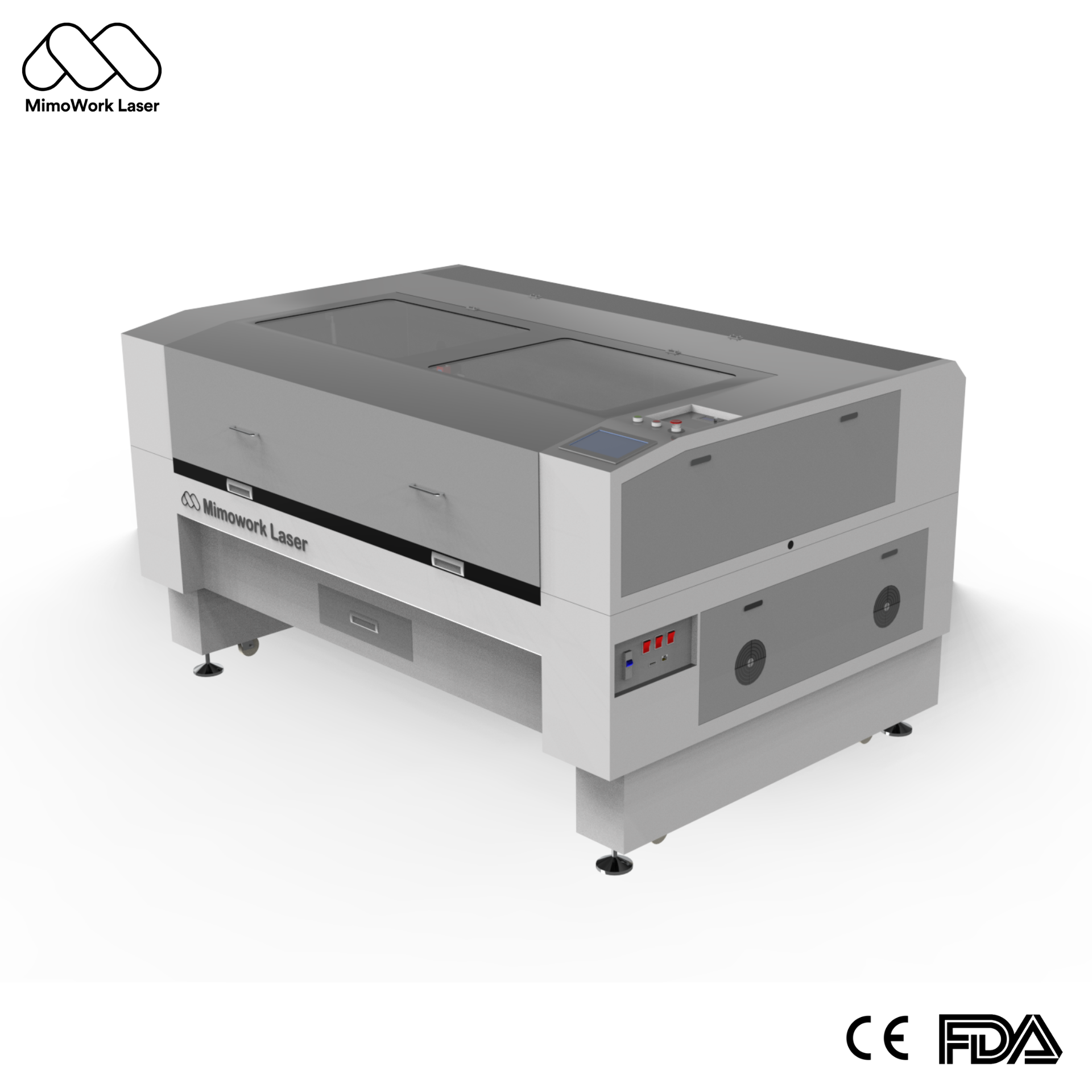
In industrial settings, the CO2 laser cutter engraver evolves from a standalone tool into an integrated production solution. Options like automatic roll-to-roll feeding systems enable continuous processing of materials like fabrics and labels, maximizing throughput. Productivity can be further enhanced with multi-head configurations, where two or more independent laser heads work simultaneously on the same gantry, potentially doubling or quadrupling output. For non-stop operation, shuttle table systems feature dual work platforms, allowing operators to safely unload finished parts on one side while the laser processes on the other, eliminating machine idle time.
Safety and Environmental Considerations
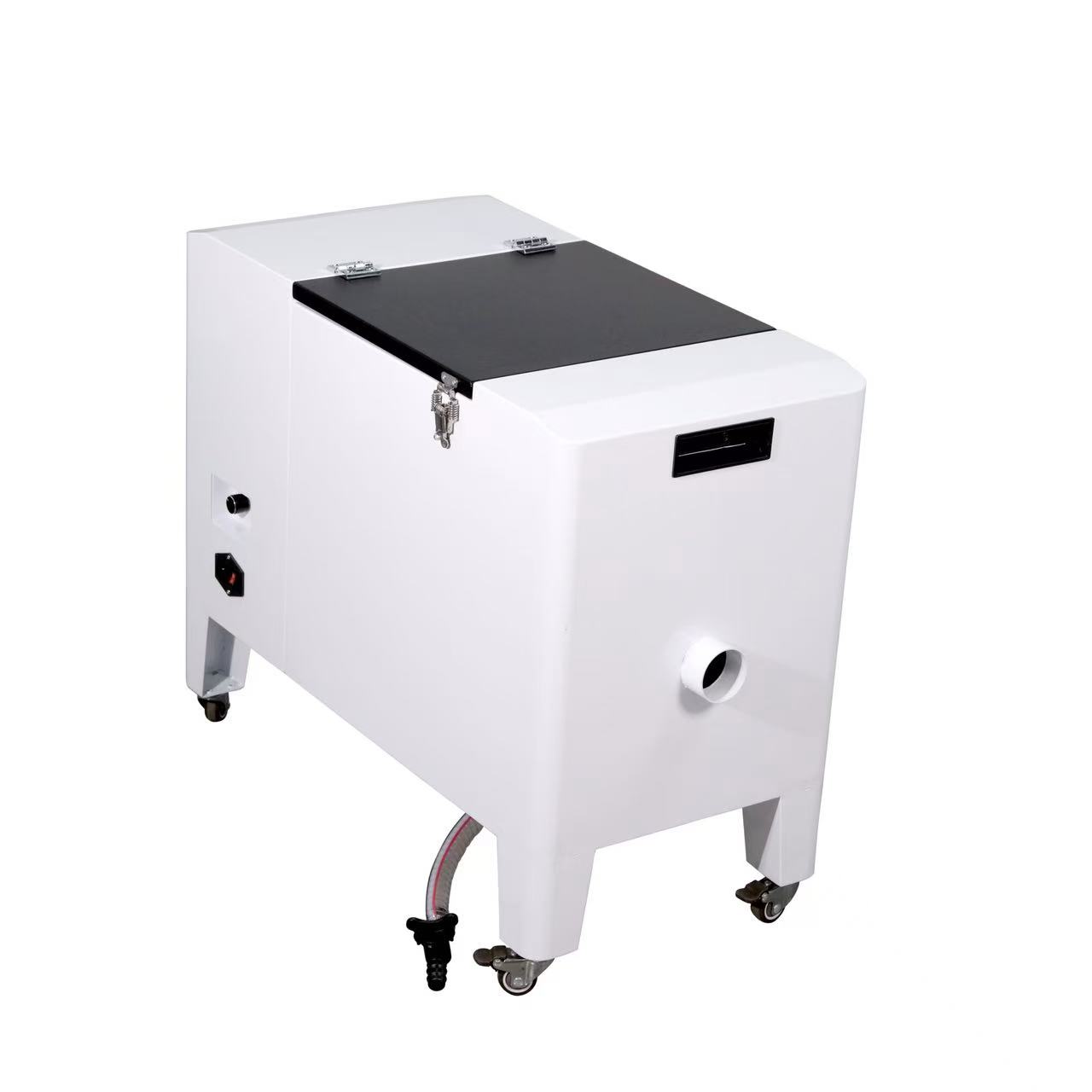
Operating a CO2 laser cutter engraver requires attention to safety and fume management. The process of cutting and engraving generates smoke, fumes, and particulates that can affect air quality, damage machine optics, and pose health risks. Therefore, integrating a high-efficiency fume extraction system is not optional but essential for a safe and clean workshop environment. Systems like the C-Series fume extractor are specifically engineered to handle the byproducts of non-metal laser processing, protecting both the operator and the equipment while ensuring consistent, high-quality results. Furthermore, safety enclosures with interlock systems are critical upgrades to contain radiation and contain fumes.
Choosing and Upgrading Your System
Selecting the right CO2 laser cutter engraver depends on your primary materials, desired work area, and production volume. For entry-level workshops, compact models offer a low barrier to entry. For large-format industrial applications, such as cutting technical textiles or oversized panels, customizable machines with work areas extending up to several meters are available. Key upgrades to consider include more durable RF metal laser tubes for longer lifespan and stable power, advanced cooling systems, and nesting software to optimize material utilization and reduce waste. Ultimately, a well-chosen CO2 laser cutter engraver is a transformative investment, bridging creativity with manufacturing efficiency.
FAQ
Q: What types of materials can a CO2 laser cutter engraver process?
A: A CO2 laser cutter engraver is primarily designed for non-metallic materials. It excels at cutting and engraving wood, acrylic, leather, fabric, paper, cardboard, rubber, stone, glass, and many plastics like ABS and PMMA. It can mark coated or anodized metals but generally cannot cut through bare metals.
Q: Why is a fume extractor necessary for a CO2 laser system?
A: Laser processing generates smoke and fumes that can be hazardous to breathe, can deposit residue on the workpiece and machine optics affecting quality, and may contain harmful particulates. A dedicated fume extractor, like the C-Series, actively removes these byproducts at the source, ensuring a safe workshop environment and protecting your equipment for consistent operation.
Q: How can I increase the productivity of my CO2 laser cutter engraver?
A: Several upgrade paths can significantly boost output. Adding a second independent laser head can increase productivity by 30-50%. Implementing a shuttle table system allows for continuous loading and unloading, eliminating machine downtime. For processing rolls of material, an automatic feeding (roll-to-roll) system enables uninterrupted cutting.
Q: Can the work area of a CO2 laser be customized for larger projects?
A: Yes, fully customizable solutions are available. Beyond standard bed sizes, manufacturers can engineer CO2 laser cutter engravers with extended work areas to several meters in length, accommodating large-format industrial applications like cutting sailcloth, parachutes, or architectural panels. This allows businesses to scale their production capabilities to match specific project requirements.