News | Apr-21-2026

The Definitive Guide to Laser Marking Machine Portable Systems

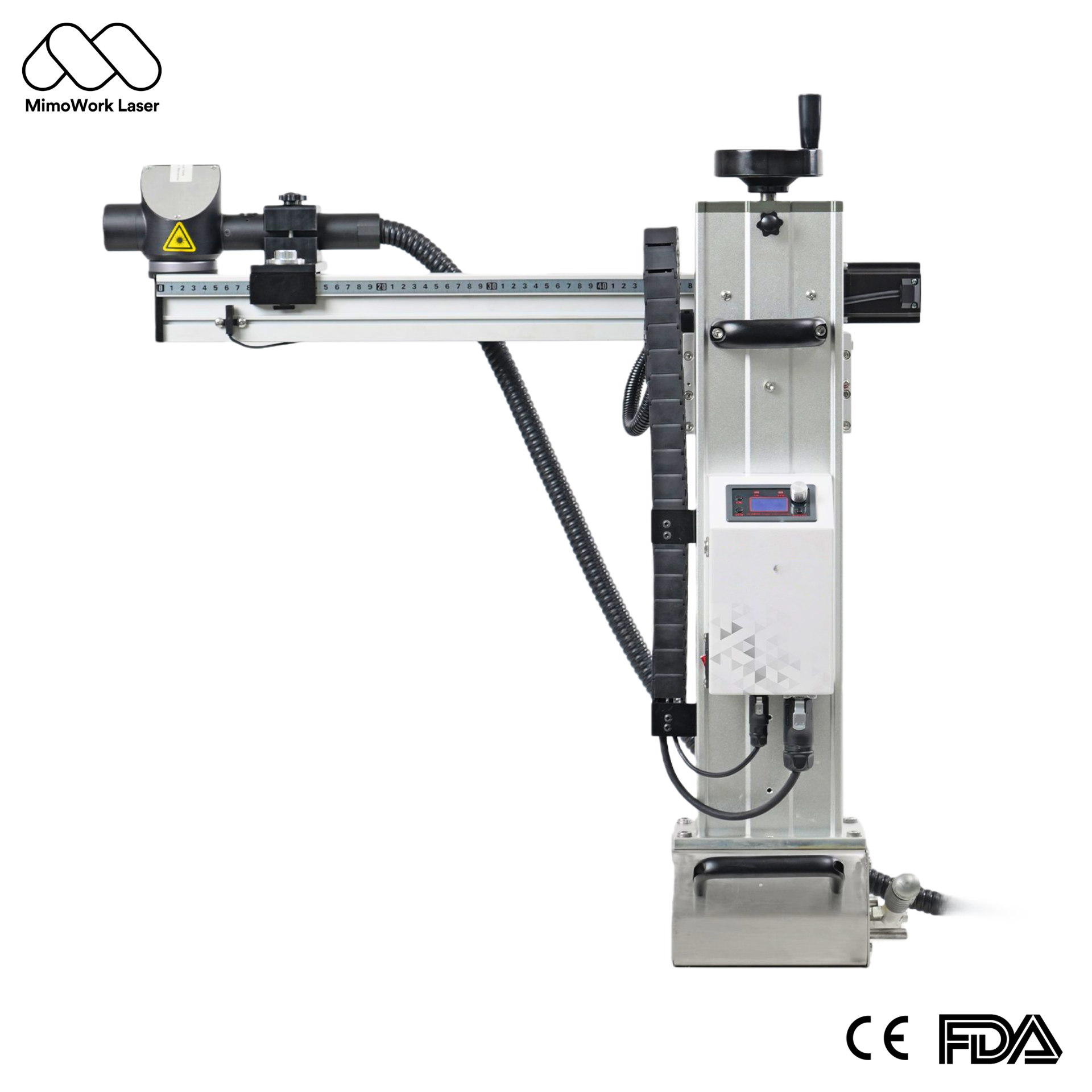
In today’s dynamic manufacturing and maintenance environments, the demand for flexibility and on-site capability has never been greater. Enter the laser marking machine portable system, a transformative solution that brings industrial-grade permanent marking directly to the workpiece, regardless of its size or location. Unlike traditional fixed-bed systems, a portable laser marking machine liberates the marking process from the confines of the shop floor, enabling direct part marking (DPM) for traceability, branding, and identification in the field, on large assemblies, or in remote locations. This guide delves into the technology, applications, and key considerations behind these powerful mobile units.

Primary Applications and Use Cases

Critical Selection Considerations
Choosing the right portable system requires careful analysis. First, match the laser source (e.g., standard fiber vs. MOPA fiber) and its power (e.g., 20W, 30W, 50W) to your target materials—primarily metals like steel and aluminum—and the desired mark depth or aesthetic effect. Second, evaluate the ergonomics and reach of the handpiece, as well as the length of the fiber delivery cable, to ensure it suits your intended workspace. Software ease-of-use is crucial for field operation; look for intuitive interfaces that allow quick job creation and parameter adjustment. Finally, never compromise on safety; ensure the system has integrated safety interlocks, proper labeling, and consider the necessary personal protective equipment (PPE) and fume extraction for the materials being processed.

Conclusion
The advent of the robust laser marking machine portable has redefined where and how permanent marking can be applied. By offering the durability and quality of fixed systems in a flexible format, it solves critical challenges in logistics, large-scale asset management, and field service. Investing in a well-specified portable laser marker is investing in operational agility, enhanced traceability, and the ability to deliver professional results anywhere.

FAQ


Q: What exactly defines a portable laser marking machine?
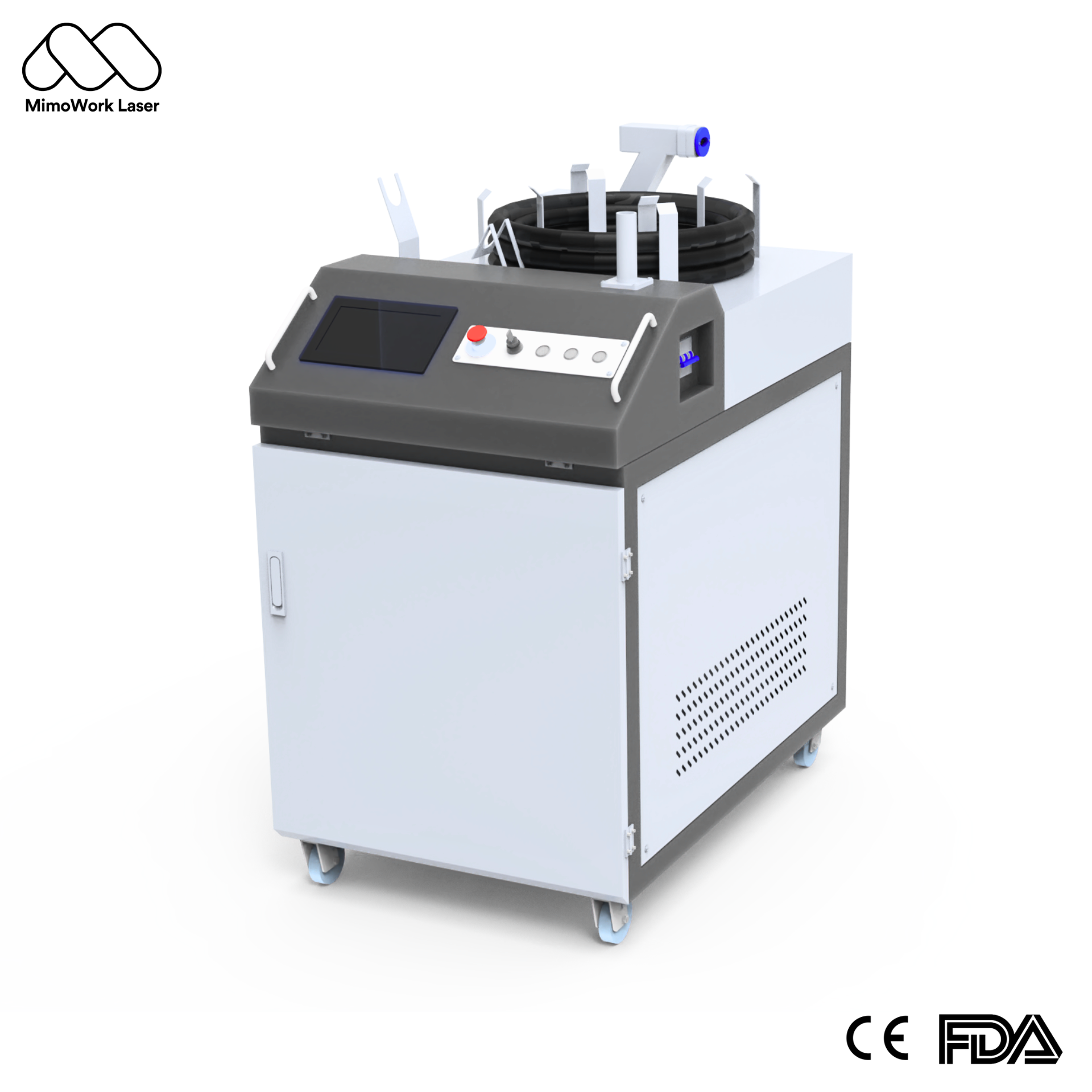
A: A portable laser marking machine is characterized by a handheld marking gun or pen connected to a separate laser generator and control unit via an optical fiber cable. This design allows the operator to bring the marking head directly to large, heavy, or fixed objects, unlike traditional systems where the part must be moved to the machine.

Q: How does a portable system differ from a standard benchtop fiber laser marker?
A: The core laser technology (e.g., fiber laser) may be similar, but the key difference is the beam delivery and form factor. Portable systems sacrifice the large, fixed galvanometer scanning area of a benchtop model for a manually aimed handpiece with a smaller, fixed focal point, prioritizing mobility over maximum marking field size and fully automated speed.

Q: What are the most common applications for this type of equipment?
A: Typical applications include on-site serial number marking for large machinery, asset tagging in warehouses or construction sites, maintenance logging on industrial equipment, and marking prototypes or custom parts directly in the fabrication area. It is ideal for any scenario where moving the workpiece is impractical or impossible.

Q: Are there safety concerns specific to portable laser markers?
A: Yes. Portability increases the risk of exposure to the laser beam and reflected light. It is paramount that the handpiece has a safety interlock (often a trigger that must be continuously engaged) and that operators use appropriate laser safety goggles. Proper training on safe operation in varied environments is essential.

Q: Can a portable marker handle different materials like a fixed system?
A: While primarily designed for metals, the specific capabilities depend on the laser source. A standard portable fiber laser is excellent for steels and aluminum. A system with a MOPA fiber laser source offers greater versatility, allowing for delicate plastic marking or color effects on metals by adjusting pulse parameters, making one portable unit suitable for more diverse tasks.