Blog
In a field that evolves daily, staying ahead means staying informed.
Explore in-depth articles designed to help you solve complex challenges,
maximize your machine’s ROI.
Stay ahead in a competitive market.


In a field that evolves daily, staying ahead means staying informed.
Explore in-depth articles designed to help you solve complex challenges,
maximize your machine’s ROI.
Stay ahead in a competitive market.
News | Apr-22-2026
Pulsed Laser Cleaning: For Precision and Delicate Substrates
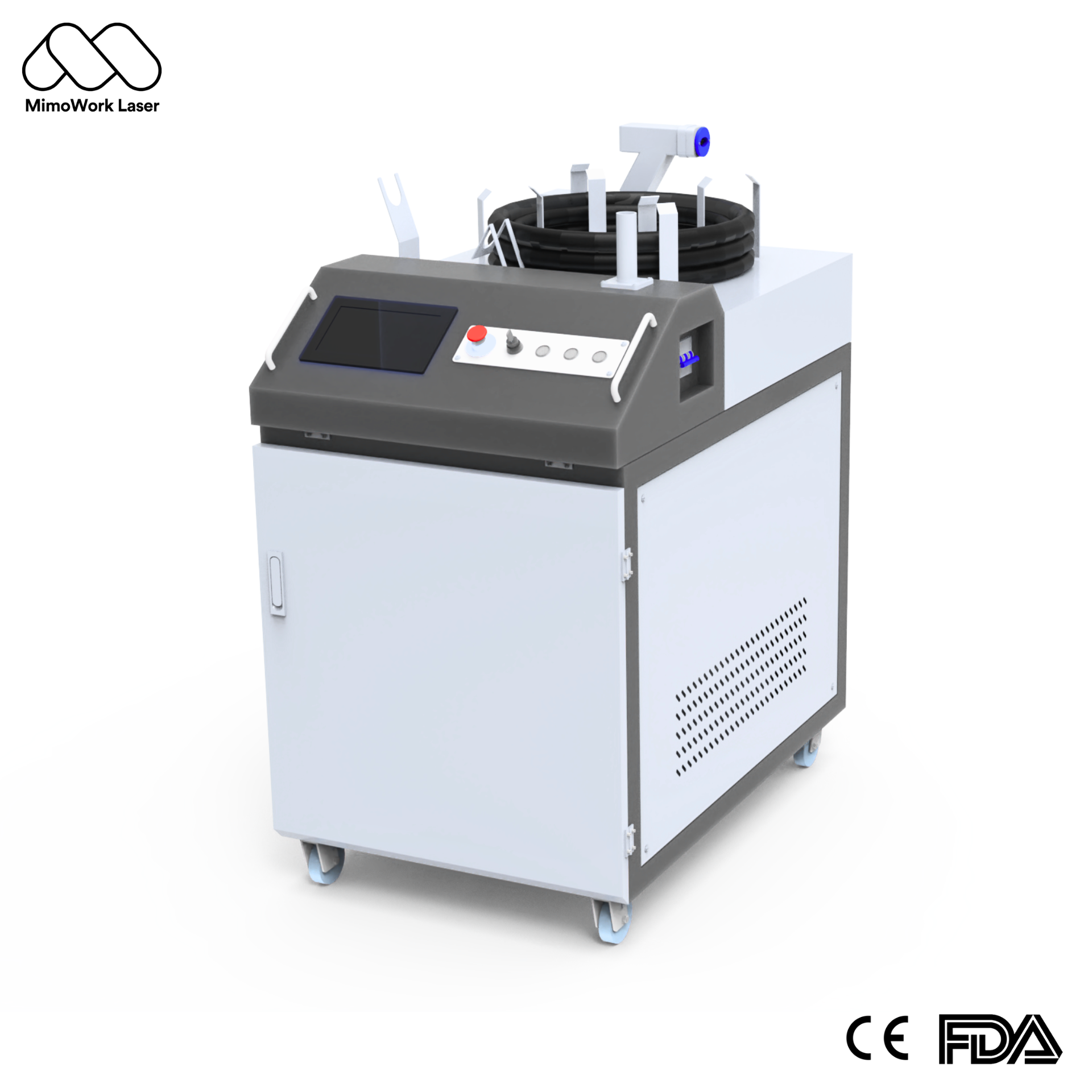
In contrast, a pulsed fiber laser cleaning machine emits ultra-short, high-peak-power pulses. This technology provides exceptional control, allowing for the layer-by-layer removal of contaminants with minimal thermal input to the base metal. It is the preferred solution for precision tasks such as restoring sensitive molds and tooling, cleaning weld seams, conserving historical artifacts, and preparing surfaces in the aerospace and automotive industries where preserving substrate integrity is paramount.
Automation and Complex Geometries: The 5-Axis Gantry System
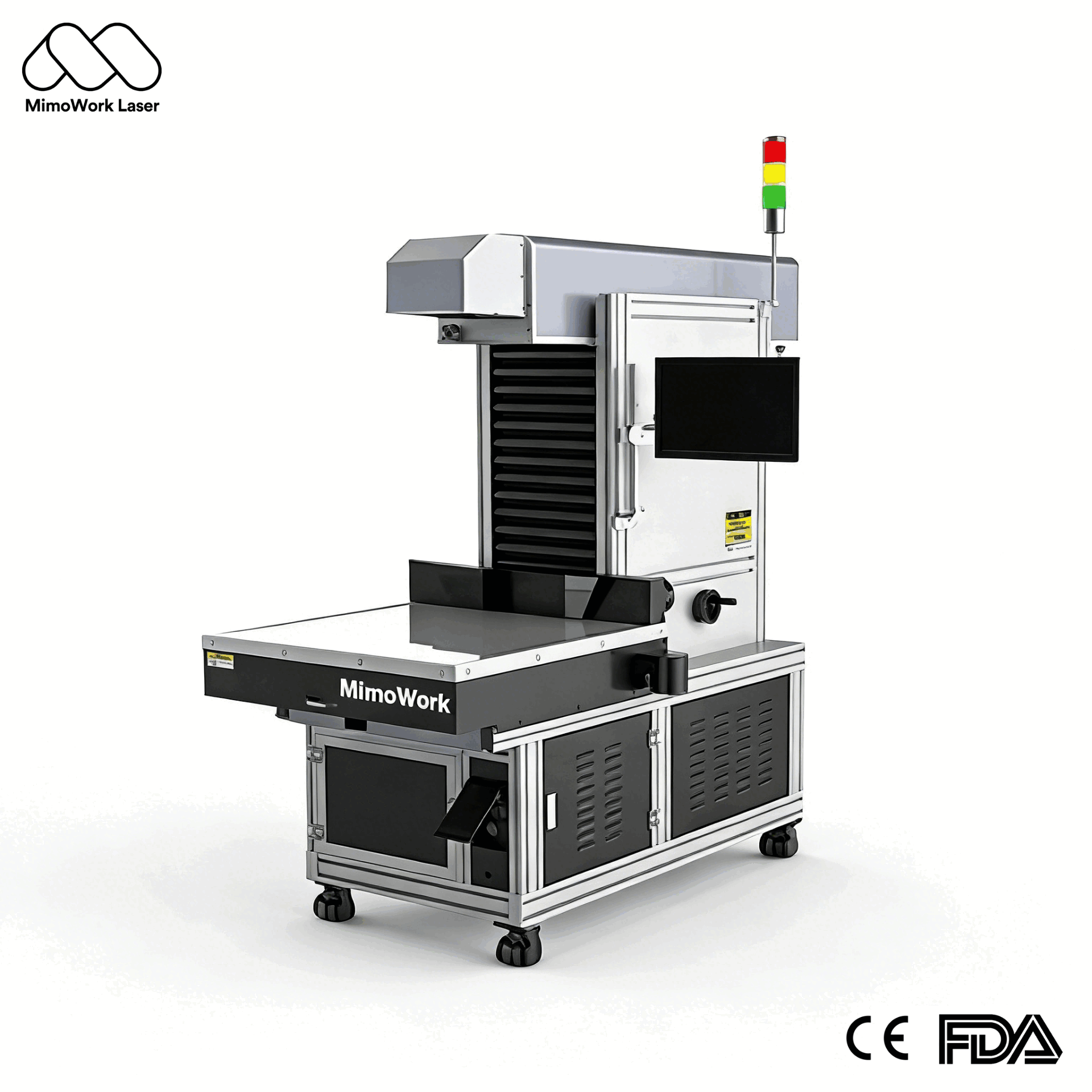
For automating the cleaning of complex, three-dimensional components, a 5-axis gantry metal laser cleaning machine offers unparalleled versatility. This system integrates a pulsed fiber laser with a CNC motion system that provides precise movement along linear axes (X, Y, Z) plus rotational and tilt axes (A/C). This multi-axis capability allows the laser head to maintain the optimal angle and distance across contoured surfaces, intricate castings, and large, heavy parts, ensuring consistent and thorough cleaning that is difficult to achieve manually. It is a transformative solution for high-mix manufacturing and maintenance of complex parts like turbine blades.
Essential Support Systems: Fume Extraction
Regardless of the laser type, operating a metal laser cleaning machine generates fumes, smoke, and airborne particulates. Integrating a high-performance fume extraction system is not optional; it is vital for protecting operator health, maintaining equipment cleanliness, and ensuring a safe, compliant working environment. Systems designed for laser applications use multi-stage filtration to effectively capture and remove these by-products at the source.
Conclusion
The modern metal laser cleaning machine is a sophisticated tool that comes in various configurations—from high-power CW systems for bulk cleaning to precise pulsed and automated 5-axis solutions for delicate or complex work. By understanding the distinct capabilities of CW versus pulsed laser sources and the role of integrated fume management, manufacturers can select the ideal system to enhance productivity, improve surface quality, and promote a safer, more sustainable workshop.
FAQ
Q: How does a laser clean metal without damaging it?
A: The process relies on selective photothermal ablation. The laser wavelength (typically 1064nm or 1070nm) is highly absorbed by the surface contaminant (e.g., rust) but much less so by the clean base metal. The contaminant rapidly heats up, vaporizes, or is ejected, while the underlying metal remains largely unaffected due to its different absorption properties and the precise control of laser parameters like pulse energy.
Q: What types of coatings and materials can a metal laser cleaner remove?
A: These machines are highly effective on a wide range of contaminants found on metals, including rust, mill scale, paint, powder coating, oils, grease, oxides, welding spatter, and thermal oxides. They are compatible with common industrial metals like carbon steel, stainless steel, aluminum, and titanium. However, effectiveness on non-metallic substrates like glass or certain composites is limited and requires careful evaluation.
Q: Is fume extraction necessary when using a laser cleaning machine?
A: Absolutely. Laser cleaning and welding produce dense smoke and fine particulates that can harm operator health and damage equipment optics over time. A dedicated fume extractor with appropriate filtration (like HEPA and carbon filters) is an essential part of a complete laser cleaning solution to ensure a safe, clean working environment and protect your investment.