Blog
In a field that evolves daily, staying ahead means staying informed.
Explore in-depth articles designed to help you solve complex challenges,
maximize your machine’s ROI.
Stay ahead in a competitive market.


In a field that evolves daily, staying ahead means staying informed.
Explore in-depth articles designed to help you solve complex challenges,
maximize your machine’s ROI.
Stay ahead in a competitive market.
News | Jun-17-2026
Industrial textile manufacturing is rapidly shifting toward automation, digital cutting systems, and high-efficiency production workflows. Among modern fabric-processing technologies, the industrial CO₂ laser cutter has become one of the most widely adopted solutions due to its ability to deliver precision cutting, continuous production, and reduced labor dependence.
Compared with traditional knife cutting or die cutting, laser cutting eliminates physical tool wear, improves consistency, and enables manufacturers to process a wide range of textile materials more efficiently. For industries such as sportswear, fashion apparel, home textiles, and technical fabrics, laser technology is no longer optional.
This guide explains how industrial laser-cutting systems transform textile manufacturing, how automation improves efficiency, how vision systems address sublimation challenges, and how to evaluate ROI before investing
The large-format CO₂ laser cutter has become the industry standard because it addresses three critical manufacturing challenges simultaneously: precision, scalability, and material efficiency. In modern textile production, especially for apparel and technical fabrics, manufacturers must process large fabric rolls while maintaining consistent cutting accuracy and minimizing waste. Traditional cutting systems struggle to meet these requirements efficiently.
CO₂ laser technology provides a non-contact cutting method that eliminates mechanical stress on the fabric. This ensures stable dimensions, clean edges, and consistent output quality across large production batches. At the same time, it enables manufacturers to handle complex shapes and intricate patterns without tool changes, significantly improving production flexibility.
One of the most important advantages of CO₂ laser cutting is its non-contact nature. Unlike mechanical blade cutting, the laser beam does not physically touch the fabric. This eliminates pressure-based deformation, material dragging, and edge distortion that commonly occur in traditional cutting systems.
For synthetic textiles such as polyester, nylon, and performance fabrics, the laser heat simultaneously melts the fiber edge during cutting. This creates an automatic sealing effect that prevents fraying and improves long-term durability. As a result, manufacturers can eliminate additional finishing processes such as edge stitching or heat sealing, reducing both labor costs and production time.
This advantage is particularly important for sportswear, outdoor gear, banners, and industrial textiles, where edge quality directly impacts product performance and appearance. MimoWork CO₂ laser systems are widely used in these industries because they provide stable cutting quality even under high-speed production conditions.
Large-format working areas directly determine how efficiently a factory can process textile rolls. Most industrial fabrics come in widths ranging from 1.6 meters to over 2.5 meters, requiring machines capable of handling wide material without segmentation.
A larger cutting bed allows multiple pattern pieces to be arranged and processed simultaneously. This reduces repositioning time, minimizes handling errors, and increases total throughput per cycle. It also enables manufacturers to process oversized items such as tents, industrial covers, banners, and technical fabrics in a single workflow.
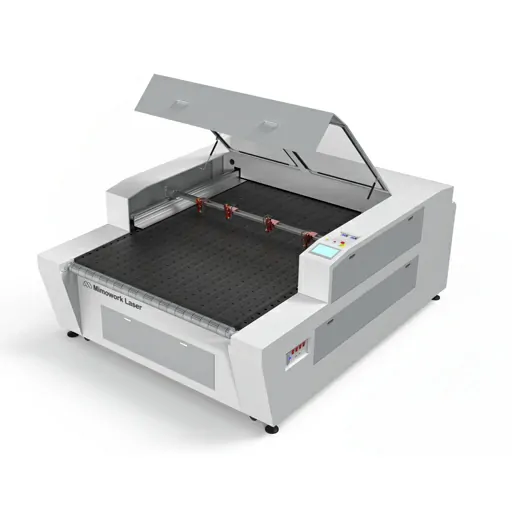
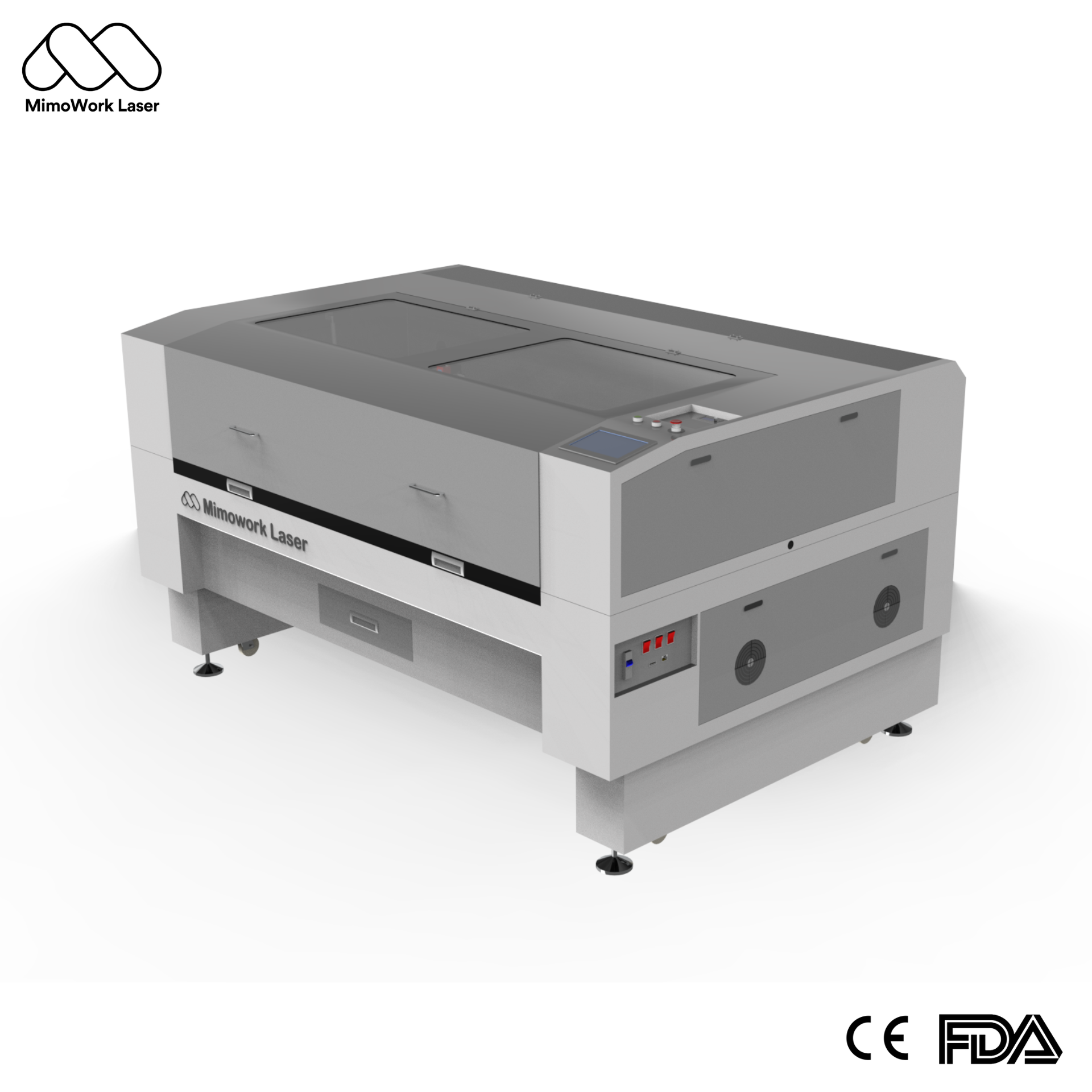
MimoWork large-format laser cutting machines are designed specifically for industrial textile production environments. Their extended working areas and stable motion systems ensure high-speed cutting performance while maintaining dimensional accuracy across the entire working field.
The performance of an industrial laser cutter depends on several key technical components working together. Laser power determines cutting capability and material compatibility, while motion systems define accuracy and speed. For textile applications, typical power ranges from 100W to 600W, depending on material thickness and production requirements.
Depending on production needs, industrial laser systems utilize different motion configurations. While high-precision stepper motor systems combined with belt transmissions offer a highly cost-effective and reliable solution for standard textile cutting, advanced servo-driven systems paired with rack-and-pinion transmissions provide the maximum acceleration and long-term stability required for continuous, heavy-duty, large-format operations.
Other critical components include automatic feeding systems, vacuum adsorption platforms, and intelligent control software. MimoWork integrates these technologies into complete production solutions designed to maximize efficiency and ensure stable long-term operation.
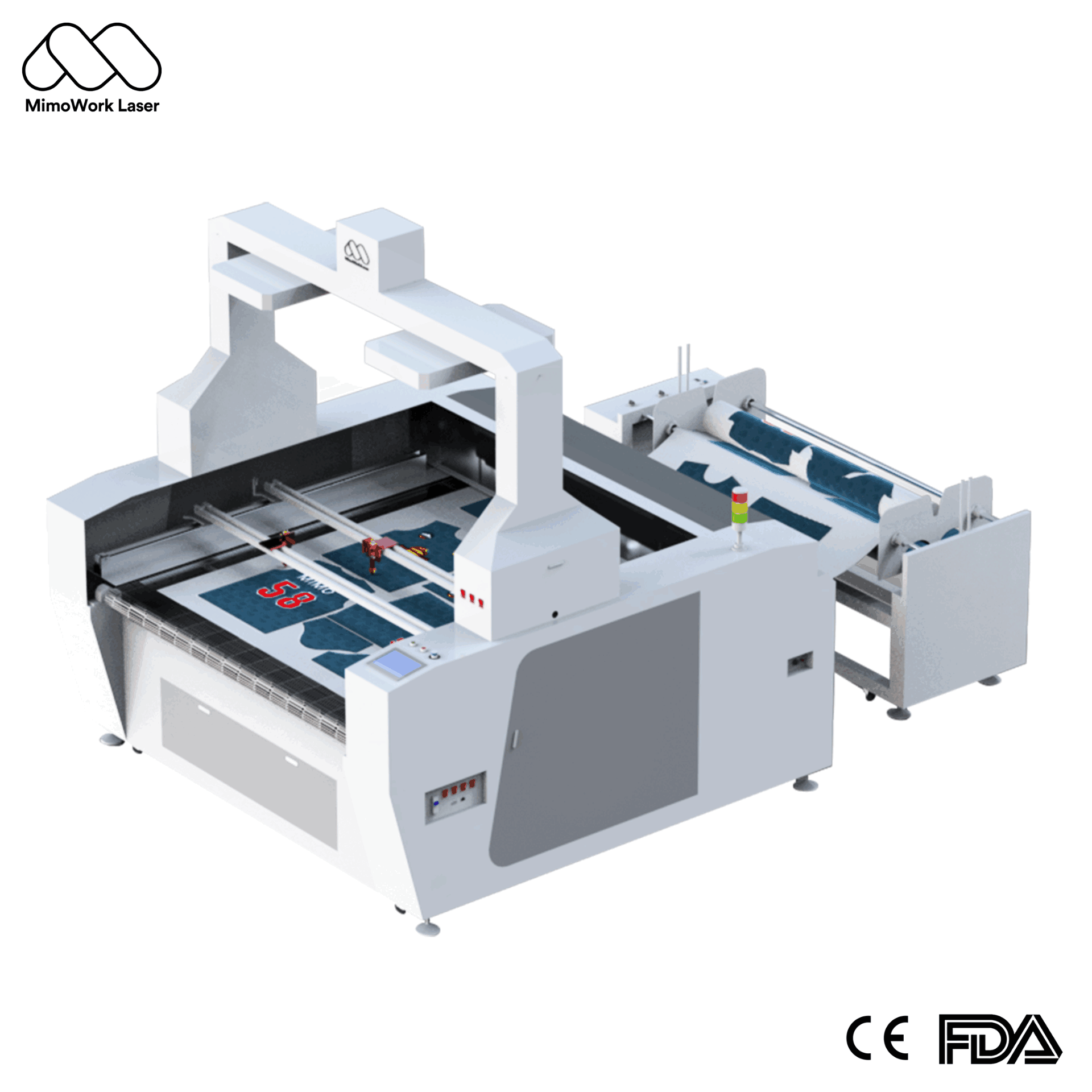
An automatic conveyor laser-cutting machine significantly improves production efficiency by transforming textile processing from a batch-based workflow to a continuous production system. In traditional manufacturing environments, production speed is often limited not by the cutting machine itself, but by manual material handling, alignment, and reloading processes.
Operators must repeatedly stop production to reposition fabric, flatten material, and adjust alignment. These interruptions reduce machine utilization and increase labor dependency. As production volumes grow, these inefficiencies become major bottlenecks that limit scalability.
A conveyor-based laser cutting system solves this issue by introducing continuous material feeding. Fabric is automatically delivered to the cutting platform by an intelligent feeding system, while the conveyor belt moves the material forward during processing. This allows cutting operations to continue without interruption.
Continuous cutting fundamentally changes how textile factories operate. Instead of stopping after each cycle, the system continuously processes fabric rolls. This continuous workflow enables operators to focus entirely on collecting finished pieces and reloading, significantly minimizing machine downtime.
This continuous workflow significantly increases machine utilization rates and reduces idle time. In high-volume production environments such as sportswear manufacturing or home textile processing, this can result in substantial productivity improvements.
MimoWork conveyor laser systems are designed to support uninterrupted roll-to-roll production, making them ideal for factories seeking to scale output while minimizing labor requirements.
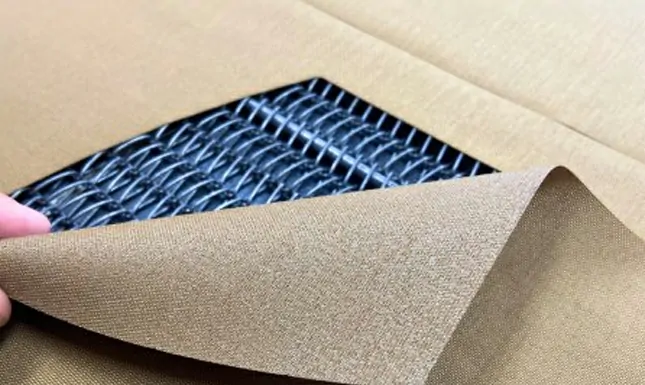
Material stability is one of the biggest challenges in textile cutting. Fabric can easily wrinkle, shift, or stretch during processing, leading to cutting inaccuracies. Automatic feeding systems solve this problem by maintaining consistent tension and alignment throughout the production process.
Combined with vacuum-assisted worktables, the material remains flat and stable during cutting. This ensures consistent quality even during high-speed operation. MimoWork systems integrate intelligent feeding and conveyor coordination to ensure smooth and stable material handling from start to finish.
The biggest productivity limitation in many factories is not machine speed but human workflow limitations. Manual spreading, alignment, and repositioning significantly slow down production.
By automating these processes, conveyor laser cutting machines reduce reliance on skilled labor and improve production consistency. This allows factories to scale output without a proportional increase in labor costs, making automation a key factor in long-term competitiveness.
Smart vision laser-cutting machines (equipped with MimoWork’s Contour Recognition System) are essential for sublimation sportswear because sublimation printing inevitably introduces material distortion. During heat transfer printing, fabrics often shrink, stretch, or shift slightly, making traditional cutting methods inaccurate when relying solely on digital design files.
Sportswear manufacturing requires extremely high precision because even small misalignments can affect logo placement, seam accuracy, and overall garment appearance. Vision systems solve this issue by aligning cutting paths with the actual printed fabric instead of theoretical patterns.
These smart vision systems use HD cameras to scan fabric surfaces and detect printed contours or registration marks. The system then automatically adjusts cutting paths based on real-time material conditions rather than pre-designed coordinates.
This ensures that even if the fabric has shifted or deformed during printing, the final cut remains perfectly aligned with the design. For sportswear brands, this level of precision is essential for maintaining professional appearance and product consistency.
MimoWork Smart Vision Laser Cutting Systems are specifically designed for sublimation applications, offering reliable contour detection and high-speed image processing for industrial-scale production.
Sublimation fabrics are highly heat-sensitive, often causing slight deformation after printing. This creates challenges for manufacturers who rely on standard cutting templates.
Vision systems automatically compensate for these distortions by mapping the actual printed image. This eliminates the need for manual correction and significantly reduces error rates, especially in complex multi-panel garments such as jerseys or compression wear.
Fabric cost is one of the largest expenses in textile production, often accounting for more than half of total manufacturing costs. Intelligent nesting software plays a key role in reducing waste by optimizing pattern placement.
Advanced algorithms rotate, position, and arrange cutting patterns to maximize material utilization. Even small improvements in efficiency can result in significant cost savings on a scale.
MimoWork’s intelligent nesting solutions help manufacturers reduce fabric waste while maintaining production speed and design accuracy.
The cost of an industrial fabric laser cutter depends on multiple factors, including machine size, laser power, automation level, and software integration. However, focusing only on the purchase price is not sufficient to make a sound investment decision.
The real value of a laser cutting system lies in its long-term return on investment, which is driven by labor savings, material efficiency, and production scalability.
Industrial laser cutting systems vary widely in configuration. Entry-level systems focus on basic cutting capabilities, while advanced systems include automation features such as conveyor feeding, vision recognition, and intelligent nesting.
Higher-configuration machines require a greater initial investment but deliver significantly higher productivity and operational efficiency. For large-scale manufacturers, these features often become essential rather than optional.
The most immediate ROI comes from labor reduction. Automated systems require fewer operators while increasing output capacity. At the same time, intelligent nesting reduces material waste, which can lead to substantial savings in high-volume production.
In many cases, improvements in material utilization alone can significantly offset equipment investment over time.
Industrial-grade laser systems are designed for long-term operation. High-quality machines offer lower failure rates, reduced maintenance requirements, and more stable performance over time.
MimoWork systems are engineered for industrial durability, ensuring consistent production performance and lower total cost of ownership across the machine lifecycle.
Industrial laser cutting systems must comply with strict safety and environmental standards to ensure safe and sustainable operation. As production scales increase, proper safety design becomes critical for both operators and equipment longevity.
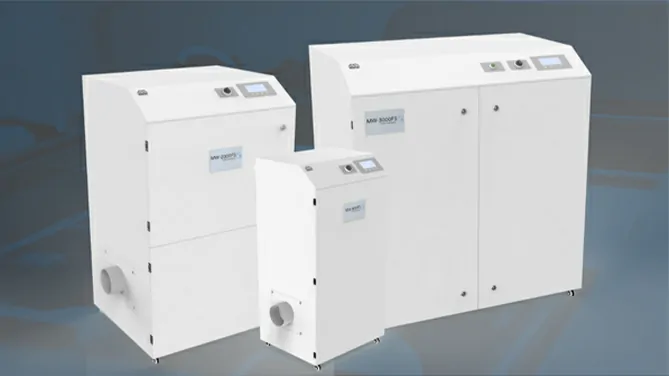
Laser cutting of synthetic textiles generates smoke, particles, and fumes that must be properly managed. Without effective extraction systems, air quality can deteriorate, and machine components may become contaminated.
Industrial systems typically include high-efficiency filtration and exhaust systems that remove harmful particles and maintain clean working environments.
Modern laser cutting machines are equipped with protective enclosures and safety interlock systems. These systems automatically pause operation when access doors are opened, preventing accidental exposure to laser radiation.
This ensures operator safety while maintaining compliance with industrial standards.
Proper operator training is essential for safe and efficient machine use. Standard procedures include routine maintenance, system checks, and emergency response protocols.
MimoWork provides industrial safety design and operational support to help manufacturers maintain safe, compliant production environments.
| Parameter | Entry-Level Configuration (Small Workshop / Studio) | Mid-Level Industrial Configuration (Standard Apparel Factory) | High-End Automated Configuration (Mass Production) |
| Laser Power | 100W–150W | 150W–300W | 300W–600W (Up to 450W/600W) |
| Suitable Materials | Light polyester, thin fabrics | Sportswear fabrics, nylon, polyester | Thick industrial textiles, Cordura, composite materials |
| Working Area Size | 1300×900mm | 1600×1000mm / 1800×1300mm | 1600mm × 3000mm+ / Customized Large Format |
| Drive & Motion System | Precision Belt Transmission & Stepper Motor Drive | Conveyor Table with Belt Transmission & Stepper Drive | Heavy-duty Rack & Pinion Transmission with Servo Motor Driven |
| Loading Method | Manual fabric placement | Semi-automatic feeding | Fully automatic roll-to-roll conveyor system |
| Production Mode | Batch processing | Semi-continuous production | Fully continuous production |
| Vision System Support | ❌ Not supported | Optional (Contour Recognition System) | ✔ Standard Integrated HD Camera System |
| Conveyor System | ❌ Not available | Optional upgrade | ✔ Standard conveyor system |
| Typical Applications | Small batch apparel, sampling | Sportswear, home textiles | Industrial textiles, large-scale production |
| Core Advantage | Low cost, reliable entry-level | Balanced performance and cost | High efficiency + full automation |
| Machine Type Example | MimoWork Flatbed Laser Cutter 130 | MimoWork Flatbed Laser Cutter 160 / 180 | MimoWork Flatbed Laser Cutter 160L / Custom Automation System |
They can process polyester, nylon, spandex, canvas, felt, nonwoven fabrics, Cordura, sublimation textiles, and various technical fabrics commonly used in apparel and industrial applications.
Conveyor systems combined with vacuum adsorption ensure fabric remains flat and stable during processing, preventing wrinkles, shifting, or distortion.
Most textile applications require 100W–300W, while heavier industrial materials may require up to 600W, depending on production speed and thickness.
Yes. Vision systems automatically detect actual printed contours and compensate for deformation, making them ideal for sublimation sportswear and complex garment production.
Industrial laser cutter machines have become a core technology in modern textile manufacturing. By combining CO₂ laser cutting, automation systems, vision recognition, and intelligent nesting, manufacturers can significantly improve productivity, reduce waste, and achieve scalable production.
MimoWork laser solutions are designed to support these evolving industry needs, helping manufacturers transition toward smarter, more efficient, and more profitable textile production systems.
News | May-21-2026
News | Apr-23-2026