Blog
In a field that evolves daily, staying ahead means staying informed.
Explore in-depth articles designed to help you solve complex challenges,
maximize your machine’s ROI.
Stay ahead in a competitive market.


In a field that evolves daily, staying ahead means staying informed.
Explore in-depth articles designed to help you solve complex challenges,
maximize your machine’s ROI.
Stay ahead in a competitive market.
News | Jul-30-2026
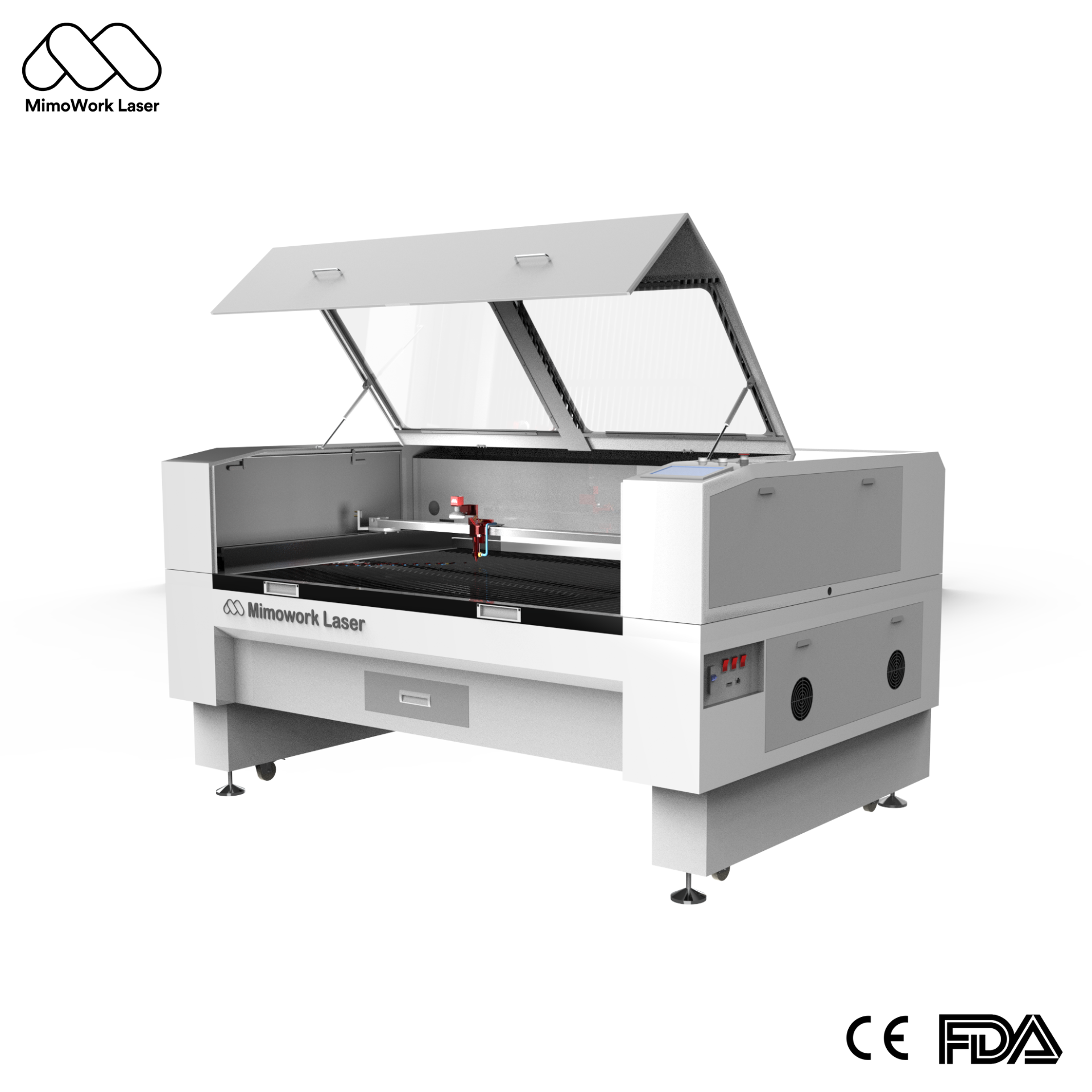
A 150W CO2 laser cutter is built for businesses that require faster production, higher efficiency, and greater cutting capability. Compared with 80W or 100W systems, a 150W machine allows manufacturers to process thicker non-metal materials, reduce cutting time, and handle larger production orders more efficiently.
Choosing the right laser power based on material thickness and cutting requirements helps achieve better cutting results and production efficiency.
This guide covers the cutting capabilities, material compatibility, power comparison, and key factors to consider before choosing a 150W CO2 laser cutter.
A 150W CO2 laser cutter can process a variety of non-metal materials commonly used in manufacturing and customization. The higher laser power makes it suitable for thicker materials and applications that require faster, more consistent cutting performance.
| Material | Common Applications | Cutting Performance |
| Acrylic | Signs, displays, decorative products | Delivers smooth, polished edges and handles thicker acrylic sheets with higher cutting speed |
| Wood & MDF | Furniture parts, crafts, models, prototypes | Cuts wood-based materials efficiently with consistent results for repeated production |
| Fabric & Textiles | Garments, upholstery, fashion products | Enables precise, contact-free cutting with minimal material deformation |
| Leather | Bags, accessories, customized products | Creates precise patterns and detailed cuts for personalized designs |
| Foam | Packaging, protective inserts, industrial parts | Cuts various foam materials for custom shapes and applications |
The cutting result of a 150W CO2 laser cutter depends on the material type, thickness, and machine settings. The additional power is especially useful when working with thicker sheets or handling larger production orders.
Acrylic is one of the most common materials for CO2 laser cutting.
A 150W CO2 laser cutter can cut acrylic with:
Common applications include acrylic signs, display panels, trophies, and retail products.
Suitable for plywood, MDF boards, wooden crafts, furniture components, and architectural models.
Typical applications include:
CO2 laser cutting technology is widely used for fabric and leather processing because it enables precise, contact-free cutting without applying mechanical pressure to the material.
A 150W CO2 laser cutter is suitable for:
Laser power directly affects cutting speed, material capability, and production efficiency. However, higher power is not always necessary. The best choice depends on your actual applications.
| Laser Power | Recommended For | Key Advantages |
| 80W CO2 Laser Cutter | Small workshops, entry-level production, engraving applications | Lower upfront cost and suitable for thinner materials and light-duty cutting tasks |
| 100W CO2 Laser Cutter | Small to medium businesses, general production | A good balance of cutting capability, speed, and operating cost |
| 150W CO2 Laser Cutter | Commercial production, higher-volume applications | Faster cutting speeds and better performance when processing thicker materials |
A 150W CO2 laser cutter is a better choice when your business needs:
The actual cutting thickness varies depending on the material and machine setup.
The cutting performance is affected by factors such as:
Compared with 80W and 100W CO2 laser cutters, a 150W system provides more cutting power for applications that require faster processing and better performance on thicker sheets.
Common materials processed with a 150W CO2 laser cutter include:
| Material | Common Applications |
| Acrylic | Signage, displays, and commercial products |
| MDF | Models, furniture components, and packaging |
| Plywood | Decorative products and custom components |
| Fabric | Multi-layer textile cutting |
| Foam | Packaging inserts and industrial parts |
For the best cutting results, the recommended thickness should be evaluated based on the specific material, lens setup, and production requirements.
A 150W CO2 laser cutter is designed for users who need more than basic cutting and engraving. It is especially suitable for businesses that prioritize production efficiency.
Small Workshop Applications
For small businesses, a 150W CO2 laser cutter can support growth by allowing them to:
Common users include:
Commercial and Industrial Production
For production environments, the advantages of a 150W system become more noticeable.
Businesses benefit from:
However, large-scale industrial production may require additional considerations, such as:
The right configuration depends on production volume and manufacturing goals.
Although a 150W CO2 laser cutter offers strong cutting performance, it may not be the most cost-effective option for every application.
A lower-power laser cutter may be a better choice if you:
For businesses with lighter workloads, an 80W or 100W system may provide sufficient performance while reducing initial investment and operating costs.
When choosing a laser cutter, businesses should evaluate not only the initial purchase cost but also long-term operating efficiency, maintenance requirements, and production reliability.
A well-configured 150W CO2 laser cutter can help improve productivity by reducing processing time and supporting higher-volume production.
A 150W laser tube does not mean the machine constantly operates at maximum power.
Actual energy consumption depends on:
Although a 150W system may consume more energy than lower-power machines, faster processing speeds can improve overall production efficiency.
Regular maintenance helps maintain cutting quality and extend machine lifespan.
Common maintenance tasks include:
A properly maintained CO2 laser cutter can provide stable performance for long-term production.
Selecting the right laser system requires evaluating your complete production requirements rather than simply choosing the highest available power.
Before investing, consider the following factors.
Before purchasing, consider:
The right laser power should match your workflow rather than simply choosing the highest available wattage.
2. Consider the Working Area Size
The working area determines the maximum product size you can process.
When selecting a 150W CO2 laser cutter, consider:
For example, a 1300 × 900mm working area provides enough space for processing medium-size sheets and is suitable for applications such as signage, wood products, acrylic displays, and customized items. A larger working area can help businesses improve workflow efficiency by reducing material repositioning and supporting larger production tasks.
3. Check the Laser Tube and Cooling System
Important machine components include:
These factors directly influence cutting consistency and machine lifespan.
4. Evaluate Control System and Software Compatibility
A reliable control system helps operators work more efficiently.
Look for:
User-friendly software reduces training time and improves daily productivity.
Most CO2 laser cutters are designed for non-metal materials such as acrylic, wood, fabric, and leather. For metal cutting and marking applications, fiber laser technology is generally more suitable.
A 150W CO2 laser cutter provides higher cutting power and faster processing capability, especially when working with thicker materials or higher production volumes.
However, a 100W laser cutter may be a better choice for businesses that mainly process thinner materials or have moderate production requirements.
The best option depends on your materials, workload, and production goals.
Common users include sign manufacturers, woodworking businesses, textile companies, packaging manufacturers, and custom product producers.
Yes. A 150W CO2 laser cutter can perform both cutting and engraving on many non-metal materials.
The lifespan of a CO2 laser tube depends on operating conditions, cooling performance, working hours, and maintenance practices.
Proper machine operation, regular maintenance, and stable cooling conditions can help extend laser tube service life.
A 150W CO2 laser cutter is a powerful solution for businesses that need faster production speeds, wider material compatibility, and reliable cutting performance.
Understanding your material requirements, production volume, and workflow needs is essential when selecting the right laser system.
By matching laser power with your applications, businesses can achieve:
Whether you are expanding your manufacturing capabilities, upgrading existing equipment, or exploring new material applications, choosing the right CO2 laser cutter plays an important role in long-term production success.
MimoWork provides professional CO2 laser cutting solutions designed for various industries, helping businesses improve production processes and achieve reliable cutting performance.
News | Jul-9-2026
News | Jul-1-2026