Blog
In a field that evolves daily, staying ahead means staying informed.
Explore in-depth articles designed to help you solve complex challenges,
maximize your machine’s ROI.
Stay ahead in a competitive market.


In a field that evolves daily, staying ahead means staying informed.
Explore in-depth articles designed to help you solve complex challenges,
maximize your machine’s ROI.
Stay ahead in a competitive market.
News | Sep-5-2023
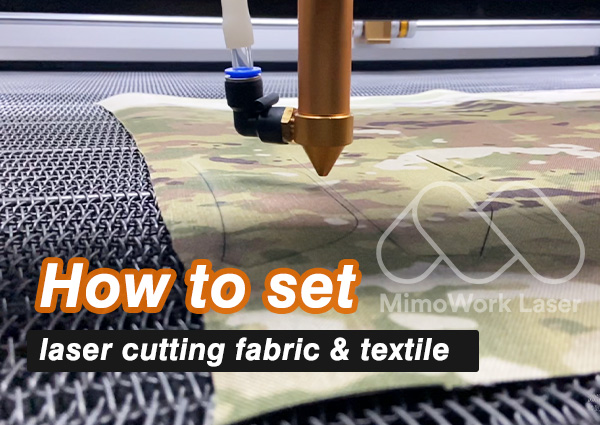
Laser cutting fabric is a game-changer for designers, offering a precise way to bring intricate ideas to life.
If you want to achieve flawless results, getting your settings and techniques just right is key.
In this article, we’ll walk you through everything you need to know about laser cutting fabric. From the best settings to tried-and-true techniques, we’ve got the tips to help you elevate your projects and achieve stunning results. Let’s dive in!
How to Set Laser Cutting FabricLaser cutting fabric is a revolutionary technology that’s changing the game in textiles and design.
At its essence, it uses a high-powered laser beam to cut through different types of fabrics with incredible precision.
The benefits are impressive: you get clean, sealed edges that stop fraying in its tracks, the ability to create intricate and complex patterns, and the versatility to work with everything from delicate silk to durable canvas. It’s a fantastic way to bring your creative visions to life!
Crafting Precision with Light
Laser-cutting fabric is not limited by traditional cutting tools’ constraints, allowing for the creation of intricate lace-like patterns.
Custom designs, and even personalized logos or monograms on clothing and accessories.
Additionally, it’s a non-contact process, meaning there’s no direct physical contact with the fabric, minimizing the risk of damage or distortion.
Getting the right laser settings is crucial for achieving top-notch results when cutting fabric. The optimal settings can vary based on several factors, including the thickness and type of fabric, your design, and the specific laser cutter you’re using.
Here are some general guidelines to help you set up your laser for fabric cutting:
The laser power you choose should match the thickness of your fabric.
This way, you’ll ensure clean cuts without damaging your materials!
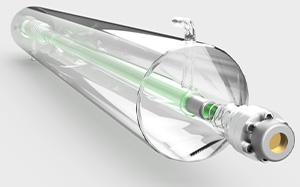
Laser Tube for Laser Cutter
CO2 laser cutting is a widely used and efficient method suitable for various fabrics, including polyester, cotton, nylon, felt, Cordura, silk, and more.
Typically, a 100W laser tube works well for most applications.
However, if you have specific needs—like cutting multiple layers of fabric or specialized composite materials—it’s essential to consider those requirements.
We always recommend conducting a laser test before starting actual fabric production. This helps ensure you achieve the desired results without any surprises!
Contact us for more professional advice if you have problems with laser cutting fabric.
The cutting speed of the laser is another critical factor that varies with fabric thickness:
Adjusting the speed appropriately ensures clean cuts while maintaining the integrity of the fabric!
Set the laser frequency to a high value of 1000-2000 Hz.
This ensures clean and precise cuts, reducing the risk of rough edges.
Utilizing an air assist feature is beneficial.
It helps blow away debris from the cutting area, keeping it clean and preventing potential damage to the fabric during the cutting process.
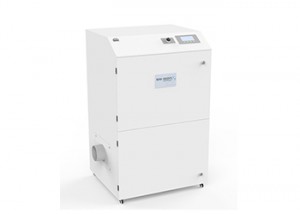
When cutting certain composite materials, you may encounter unpleasant odors.
A fume extractor is essential for maintaining a clean environment, particularly for clients working on sensitive projects, such as airbags.
This helps ensure a safer and more pleasant working atmosphere.
The fume extractor can help you solve these.
To achieve the best results when laser cutting fabric, consider the following techniques and tips:
Wash and Iron: Always wash and iron the fabric to remove any wrinkles and dirt.
Fusible Stabilizer: Apply a fusible stabilizer to the back of the fabric. This helps prevent shifting during the cutting process.
Intricacy and Detail: Keep in mind the complexity of your design.
Avoid very small details or sharp corners, as these can be challenging to cut accurately with a fabric laser cutter.
Do a Test Cut: Always perform a test cut on a scrap piece of fabric before cutting your final design.
This will help you identify the optimal laser settings for your specific fabric and design.
Regular Maintenance: After cutting, clean the laser cutter to prevent debris from accumulating, which could potentially damage the machine.
Regular maintenance ensures optimal performance and longevity.
While various laser cutters can cut fabric, a dedicated fabric laser cutter is the optimal choice for several reasons:
1. Precision and Accuracy
Tailored Design: Fabric laser cutters are specifically designed for cutting fabric, featuring software that allows for precise control over the cutting process. This ensures that the fabric is cut to the exact specifications of your design.
2. Specialized Features
Air Assist: Many fabric laser cutters come equipped with air assist features that blow away debris from the cutting area. This keeps the fabric clean and minimizes the risk of damage during the cutting process.
3. Intricate Design Capability
Complex Patterns: The precision of fabric laser cutting enables designers to create intricate and detailed designs that would be difficult to achieve with traditional cutting methods.
In conclusion, laser cutting fabric is an innovative and precise way of cutting fabric that provides designers with the ability to create intricate designs with precision and accuracy.
By using the right laser settings, techniques.
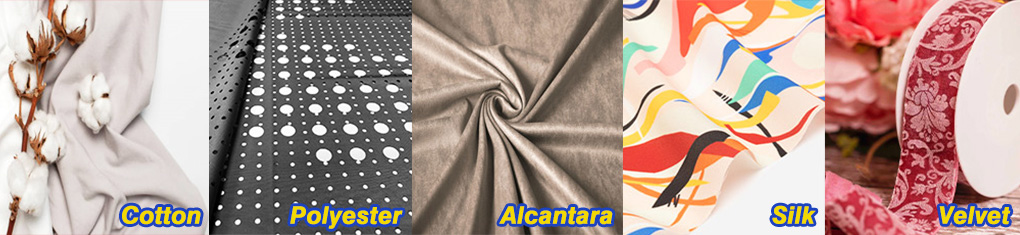
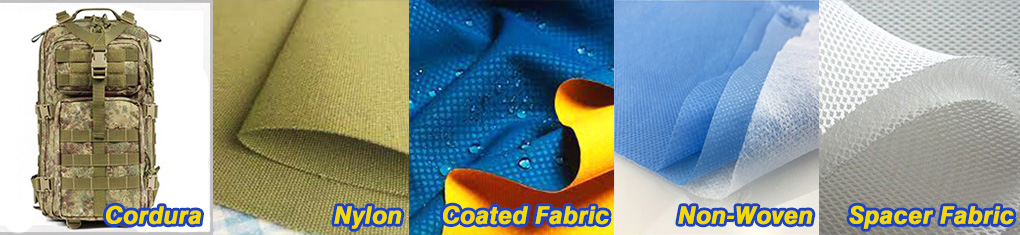
Recently receiving many requirements about fabric laser cutters for home use or workshop, we decided to get things clear and straight.
Yes, laser cut fabric at home is feasible but you need to consider your fabric sizes and laser bed size.
Usually, a small laser cutter will be great like laser cutter 6040, and laser cutter 9060.
And the ventilation system is required, better if you have a ventilation tube or outlet.
For the factory, mass production is required, so we recommend the standard fabric laser cutter1610, and larger format laser cutting machine1630.
Auto-feeder and conveyor table can work together, realizing automatic fabric laser cutting.
Not only that, we have researched and developed versatile solutions for higher efficiency, less labor, and other special requirements.
At the core of CO2 laser engraving is the CO2 laser itself, which generates a highly concentrated beam of light at a specific wavelength. This wavelength is particularly effective for engraving and cutting a variety of materials, including fabric.
When the laser beam interacts with the fabric, it heats the surface, causing localized vaporization. This process creates precise and intricate patterns, allowing for detailed designs that are difficult to achieve through traditional methods.
Advantages of CO2 Laser Engraving:
Empowering Creativity
CO2 laser engraving is a revolutionary technology that transforms how textiles are designed and produced. It offers a powerful tool for artisans, entrepreneurs, and designers, enabling them to push the boundaries of creativity.
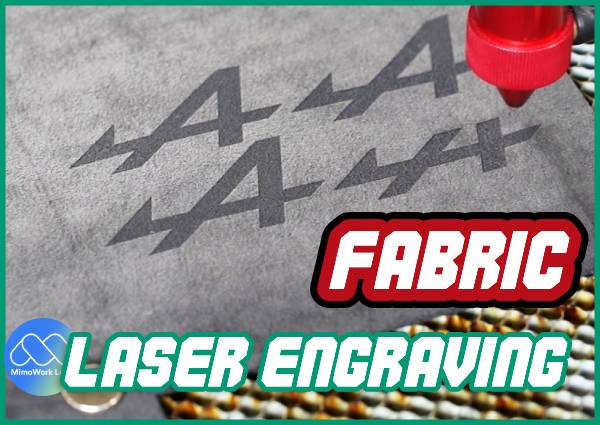
Explore Laser Engraving Fabric Setting
Whether you’re a fashion enthusiast, a craftsperson, or an eco-conscious creator, CO2 laser engraving on fabric opens up a world of possibilities waiting to be explored. From unique, personalized fabric creations to innovative design applications, the potential is limitless!
Not all fabrics are ideal for laser engraving. Here’s a breakdown of the types of fabrics that work best:
Best Fabrics for Laser Engraving
Polyester: Fabrics with a high polyester content are the best candidates for laser engraving. The polymer content interacts effectively with the laser’s heat, allowing for precise and clear engravings. Polyester is commonly used in sportswear and activewear due to its durability and moisture-wicking properties.
Challenging Fabrics
Natural and Organic Materials: Fabrics primarily made of cotton, silk, wool, or other organic materials can be more difficult to engrave. These materials may not produce clear results due to their composition and the way they react to heat.
Conclusion
For optimal results in laser engraving, focus on polyester-based fabrics. Their properties not only facilitate precise engraving but also enhance durability and performance in various applications.
Common Materials of Laser Engraving Fabric:
fleece, felt, foam, denim, neoprene, nylon, canvas fabric, velvet, etc.