Blog
In a field that evolves daily, staying ahead means staying informed.
Explore in-depth articles designed to help you solve complex challenges,
maximize your machine’s ROI.
Stay ahead in a competitive market.


In a field that evolves daily, staying ahead means staying informed.
Explore in-depth articles designed to help you solve complex challenges,
maximize your machine’s ROI.
Stay ahead in a competitive market.
News | Apr-24-2026
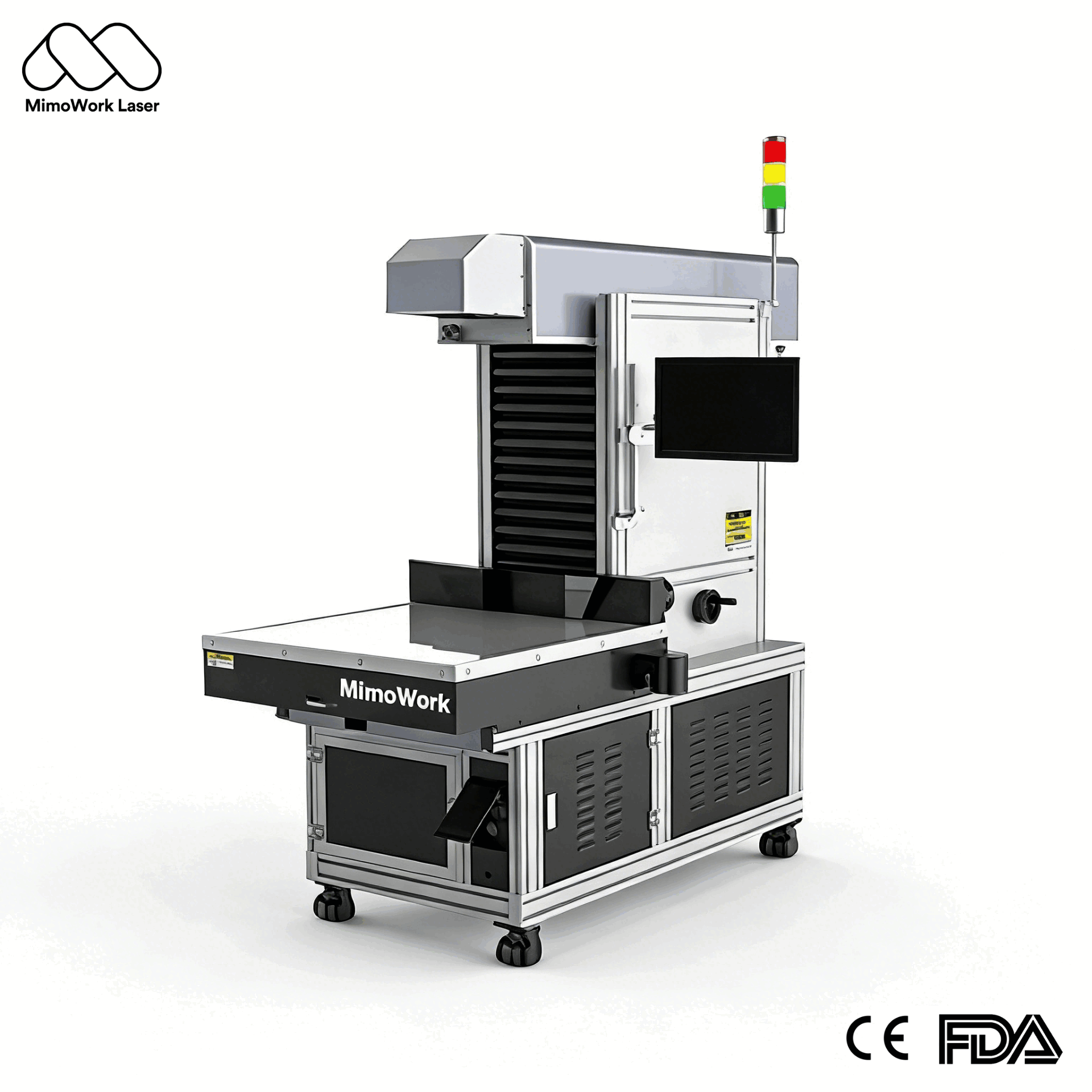
The integration of computer numerical control (CNC) with laser technology has revolutionized woodworking, offering unparalleled precision and repeatability. A CNC laser cutter for wood utilizes a focused beam of light, typically from a CO2 laser source, to vaporize material along a digitally defined path. This non-contact process eliminates tool wear and mechanical force, allowing for the creation of intricate designs, sharp internal corners, and complex geometries that are challenging or impossible with traditional mechanical tools like router bits. For businesses producing signs, architectural models, custom gifts, or detailed inlays, a CNC laser cutter for wood represents a significant leap in capability and finish quality.
Applications and Workflow Integration
A modern CNC laser cutter for wood integrates seamlessly into digital fabrication workflows. It supports standard file formats like AI, DXF, and PLT, allowing designs from common vector software to be processed directly. This enables the production of a vast array of items: intricate decorative panels, precise joinery parts for furniture, custom signage with engraved details, personalized gifts, and architectural scale models. The non-contact nature also allows for the processing of delicate wood veneers or thin sheets without clamping or risk of splintering.
FAQ
Q: What laser power do I need for cutting wood?A: The required power depends on the thickness and density of the wood. For hobbyist use on woods up to 1/4″ (6mm), a 60W-100W laser is sufficient. For professional production and cutting thicker materials like 1/2″ (12mm) plywood or MDF efficiently, a 150W or higher power laser is recommended.
Q: Can a CO2 laser cutter handle all types of wood?A: CO2 lasers excel at cutting and engraving most non-metallic materials, including plywood, MDF, solid wood, bamboo, and acrylic. However, oily or resinous woods (like some exotic hardwoods) can sometimes cause more residue and require careful parameter adjustment. Woods with PVC or halogen-based treatments should be avoided due to toxic fume generation.
Q: What software is used to operate these machines?A: MimoWork laser cutters are compatible with industry-standard design and control software. They readily work with programs like LightBurn, which is popular for its intuitive interface and powerful toolpath capabilities, allowing for easy import of designs and machine control.
Q: Is a fume extraction system necessary?A: Absolutely. Laser cutting wood produces smoke and particulates that can affect cut quality, coat the machine’s optics, and pose a health risk. An efficient fume extraction system, like the MimoWork C-Series, is essential for maintaining a clean, safe working environment and ensuring consistent machine performance and longevity.