Blog
In a field that evolves daily, staying ahead means staying informed.
Explore in-depth articles designed to help you solve complex challenges,
maximize your machine’s ROI.
Stay ahead in a competitive market.


In a field that evolves daily, staying ahead means staying informed.
Explore in-depth articles designed to help you solve complex challenges,
maximize your machine’s ROI.
Stay ahead in a competitive market.
News | Apr-20-2026
Material Compatibility and Application Spectrum
The versatility of a CNC laser marking machine is demonstrated by its wide material compatibility. A fiber laser excels on metals like stainless steel, aluminum, and titanium, while a CO2 laser is perfect for plastics, wood, leather, and glass. Specialized lasers like the Green laser are uniquely capable of subsurface engraving inside glass and crystal, creating stunning 3D images, and the MOPA laser can produce vibrant color marks on metals like stainless steel without inks or dyes. This makes the technology suitable for applications ranging from functional serial numbers and barcodes on tools to decorative branding on promotional items and intricate artistic engraving.
System Components and Operational Advantages
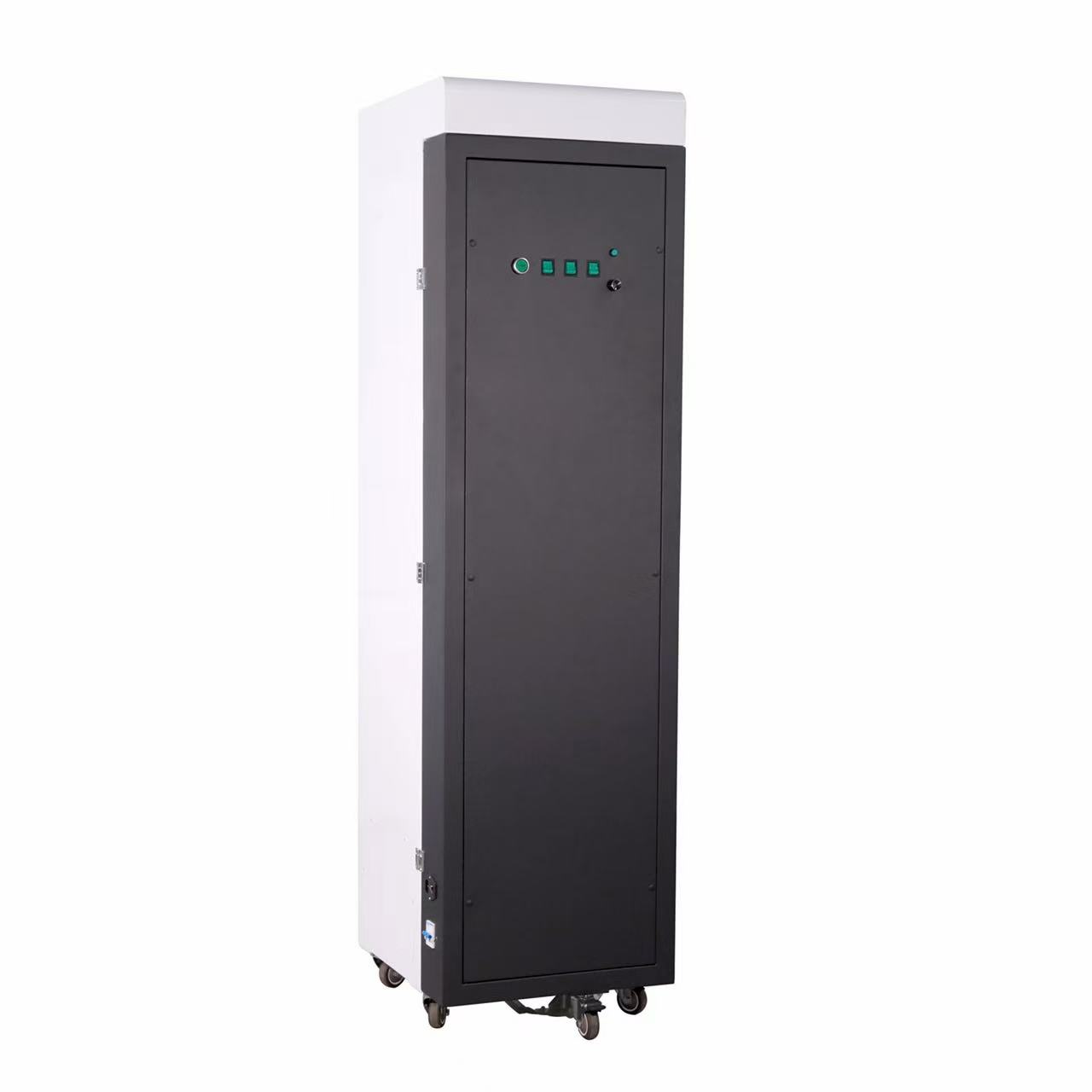
A complete system includes more than just the laser and scanner. Critical components like an RF metal laser tube (for CO2 systems) ensure consistent power and long life, while dedicated air or water-cooling systems maintain optimal operating temperatures for reliability. Safety enclosure systems with integrated fume extraction are essential for operator protection and clean operation. The consumable-free nature of the process results in very low operating costs and minimal maintenance, offering a significant advantage over ink-based or mechanical methods. Ultimately, investing in the right CNC laser marking machine translates to enhanced product identification, improved brand aesthetics, and streamlined, automated production workflows.
FAQ
A: CNC stands for Computer Numerical Control. It refers to the automated, programmable system—typically using high-speed galvanometer scanners or a precision gantry—that directs the laser beam to follow a precise digital path. This ensures exceptional accuracy, repeatability, and the ability to mark complex designs directly from a computer file.
A: Material selection is the primary driver. For most metals, a Fiber laser is the standard choice. For non-metals like wood, acrylic, and many plastics, a CO2 laser is ideal. For sensitive plastics, electronics (like PCBs), or glass where heat must be minimized, a UV laser is best. For specialized tasks like color marking on stainless steel or subsurface glass engraving, MOPA or Green lasers are required, respectively.
A: Absolutely. These machines are designed for industrial integration. Options like in-line production configurations, automated vision systems for part recognition, and shuttle table systems (which allow loading/unloading outside the marking area) enable seamless integration into 24/7 automated manufacturing cells for maximum throughput.
A: Key safety measures include using a fully interlocked safety enclosure to contain the laser beam, wearing appropriate laser safety glasses, and implementing a high-efficiency fume extraction system. This is especially critical when processing materials like PVC or PTFE, which can generate hazardous fumes.