Blog
In a field that evolves daily, staying ahead means staying informed.
Explore in-depth articles designed to help you solve complex challenges,
maximize your machine’s ROI.
Stay ahead in a competitive market.


In a field that evolves daily, staying ahead means staying informed.
Explore in-depth articles designed to help you solve complex challenges,
maximize your machine’s ROI.
Stay ahead in a competitive market.
News | Oct-2-2023
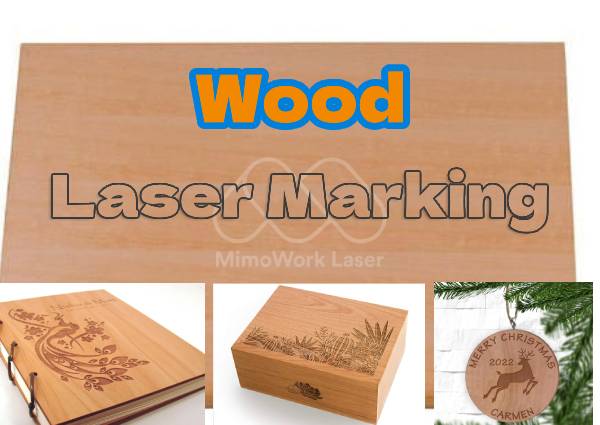
Laser marking wood has become a go-to choice for designers, makers, and businesses looking to combine precision with creativity. A wood laser marker allows you to engrave logos, patterns, and text with incredible detail while keeping the natural beauty of wood intact. From furniture and packaging to custom crafts, laser marking wood offers durability, eco-friendliness, and endless possibilities for personalization. This modern process transforms traditional woodworking into something more efficient, artistic, and sustainable.
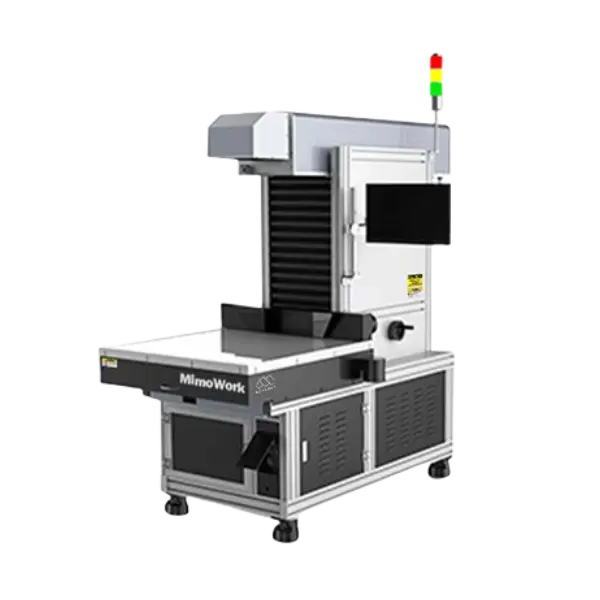
Laser marking involves non-contact processing, using laser beams for engraving. This prevents issues like mechanical deformation often encountered in traditional machining. High-density laser beams rapidly vaporize the surface material, achieving precise engraving and cutting effects. The small laser beam spot allows for a reduced heat-affected zone, enabling intricate and precise engraving.
Traditional hand-carving on wood is time-consuming and labor-intensive, demanding advanced craftsmanship and artistic skills, which has hindered the growth of the wooden goods industry. With the advent of laser marking and cutting devices such as CO2 laser machines, laser marking technology has found widespread application, propelling the wood industry forward.
CO2 laser marking machines are versatile, capable of engraving logos, trademarks, text, QR codes, encoding, anti-counterfeiting codes, and serial numbers on wood, bamboo, leather, silicone, etc., without the need for ink, only electrical power. The process is swift, with a QR code or logo taking merely 1-5 seconds to complete.
Using a laser marking machine for wood comes with a wide range of benefits, making it a popular choice for creating lasting, high-quality designs, text, and patterns on wooden surfaces. Whether you are personalizing furniture, crafting unique packaging, or enhancing decorative items, laser marking on wood provides precision, durability, and a professional finish that traditional methods simply can’t match. Here are some of the top advantages you’ll enjoy with laser marking on wood.
Laser marking provides precise and highly detailed results, allowing for intricate designs, fine text, and complex patterns on wood. This level of precision is particularly valuable for decorative and artistic applications.
Laser markings on wood are permanent and resistant to wear, fading, and smudging. The laser creates a deep and stable bond with the wood, ensuring longevity.
Laser marking is a non-contact process, meaning there is no physical contact between the laser and the wood surface. This eliminates the risk of damage or distortion to the wood, making it suitable for delicate or sensitive materials.
Laser marking can be applied to various types of wood, including hardwoods, softwoods, plywood, MDF, and more. It works well on both natural and engineered wood materials.
Laser marking is highly versatile and can be customized for different purposes, such as branding, personalization, identification, or decorative purposes. You can mark logos, serial numbers, barcodes, or artistic designs.
Laser marking does not require consumables like inks or dyes. This reduces ongoing operational costs and eliminates the need for maintenance associated with ink-based marking methods.
Laser marking is an eco-friendly process as it does not produce chemical waste or emissions. It is a clean and sustainable method.
Laser marking is a fast process, making it suitable for high-volume production. It requires minimal setup time and can be easily automated for efficiency.
Unlike traditional methods that may require custom molds or dies for marking, laser marking does not involve tooling costs. This can result in cost savings, especially for small-batch production.
Laser parameters such as power, speed, and focus can be adjusted to achieve different marking effects, including deep engraving, surface etching, or color changes (as in the case of certain woods like cherry or walnut).
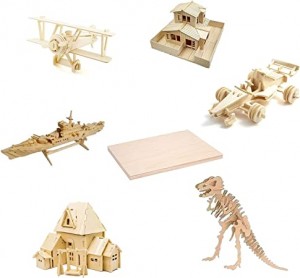
Interior Decor:
Laser engraved basswood finds its place in exquisite interior decorations, including intricately designed wall panels, decorative screens, and ornate picture frames.
Model Making:
Enthusiasts can utilize laser engraving on basswood to craft intricate architectural models, vehicles, and miniature replicas, adding realism to their creations.
Jewelry and Accessories:
Delicate jewelry pieces, such as earrings, pendants, and brooches, benefit from the precision and intricate detailing of laser engraving on basswood.
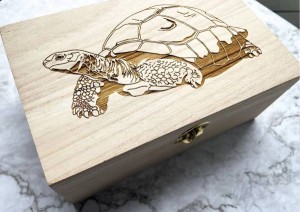
Artistic Embellishments:
Artists can incorporate laser-engraved basswood elements into paintings, sculptures, and mixed-media artworks, enhancing texture and depth.
Educational Aids:
Laser engraving on basswood contributes to educational models, architectural prototypes, and scientific projects, enhancing engagement and interactivity.