Blog
In a field that evolves daily, staying ahead means staying informed.
Explore in-depth articles designed to help you solve complex challenges,
maximize your machine’s ROI.
Stay ahead in a competitive market.


In a field that evolves daily, staying ahead means staying informed.
Explore in-depth articles designed to help you solve complex challenges,
maximize your machine’s ROI.
Stay ahead in a competitive market.
News | Apr-20-2026
The Importance of a Robust Fume Extraction System
A truly professional setup for the best CO2 laser machine must include effective fume management. Laser processing generates smoke, fumes, and particulates that can affect mark quality, damage optics, and pose health risks. This is especially critical when processing materials like PVC or PTFE, which produce hazardous fumes. Integrating a dedicated fume extraction system, such as a C-Series or M-Series extractor designed for laser applications, is not optional for safe, clean, and compliant industrial operation.
Advanced Features and Customization for Demanding Needs
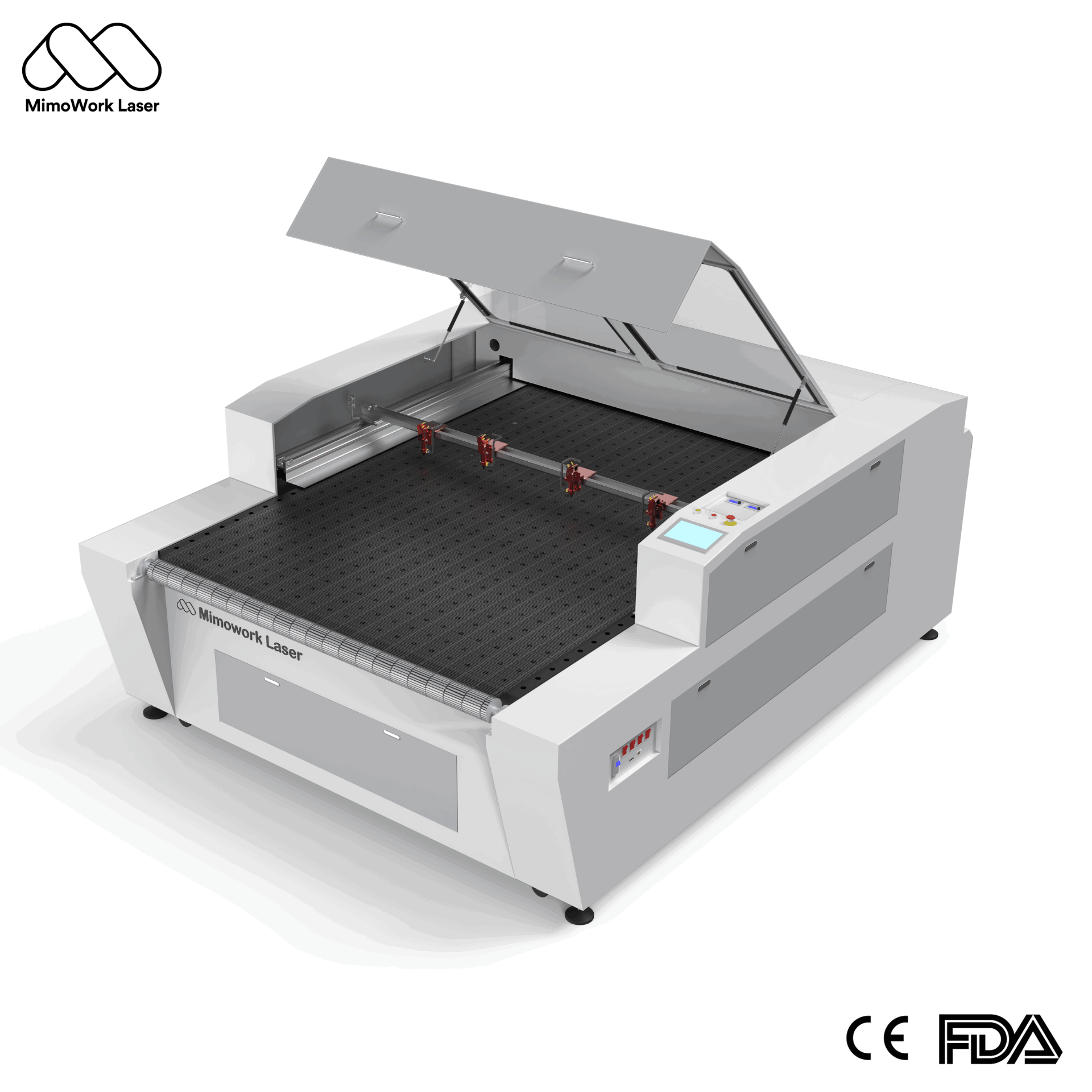
For high-mix or high-volume production, the best CO2 laser machine may require advanced upgrades. A Safety Enclosure System with integrated extraction ensures operator safety and contains fumes. A Dynamic Field-of-View Lens enables marking on uneven or 3D surfaces by automatically adjusting focus. To maximize throughput, a Shuttle Table System allows for continuous operation by letting operators load one platform while the machine marks on another, eliminating idle time. For unique applications, a fully customizable laser cutter with a tailored work area and integrated workflow solutions can be engineered to meet exact specifications, proving to be the best CO2 laser machine for specialized industrial tasks.
Material Compatibility and Safety Considerations
The best CO2 laser machine for your operation must be compatible with your primary materials. CO2 lasers are exceptionally effective on organic and non-metallic materials. A comprehensive compatibility chart should be consulted, but common suitable materials include acrylic (PMMA), engineered wood (MDF), natural leather, glass, ceramics, paper, and many plastics like ABS. Always verify material compatibility and strictly adhere to safety protocols, using mandatory Personal Protective Equipment (PPE) and extraction when processing materials known to emit hazardous fumes.
Conclusion: The Best CO2 Laser Machine is a Tailored Solution
Ultimately, the best CO2 laser machine is the one that aligns precisely with your material portfolio, desired output (marking vs. cutting), required throughput, and safety standards. It balances robust core specifications—like laser power, work area, and cooling—with the right enhancements for productivity and is supported by essential auxiliary systems like fume extraction. By methodically evaluating these factors against your specific production challenges, you can select a system that delivers consistent quality, reliability, and a strong return on investment.
FAQ
Q: What are the primary applications for a CO2 laser marking machine?
A: The CO2 laser marking machine is ideal for creating permanent, high-contrast marks on non-metallic materials. Its key applications include adding serial numbers, barcodes, and logos on consumer goods packaging, food/pharmaceutical packaging, and promotional items, as well as intricate decorative engraving on plastics, wood, acrylic, leather, and glass.
Q: How does a CO2 laser machine differ from a fiber laser machine?
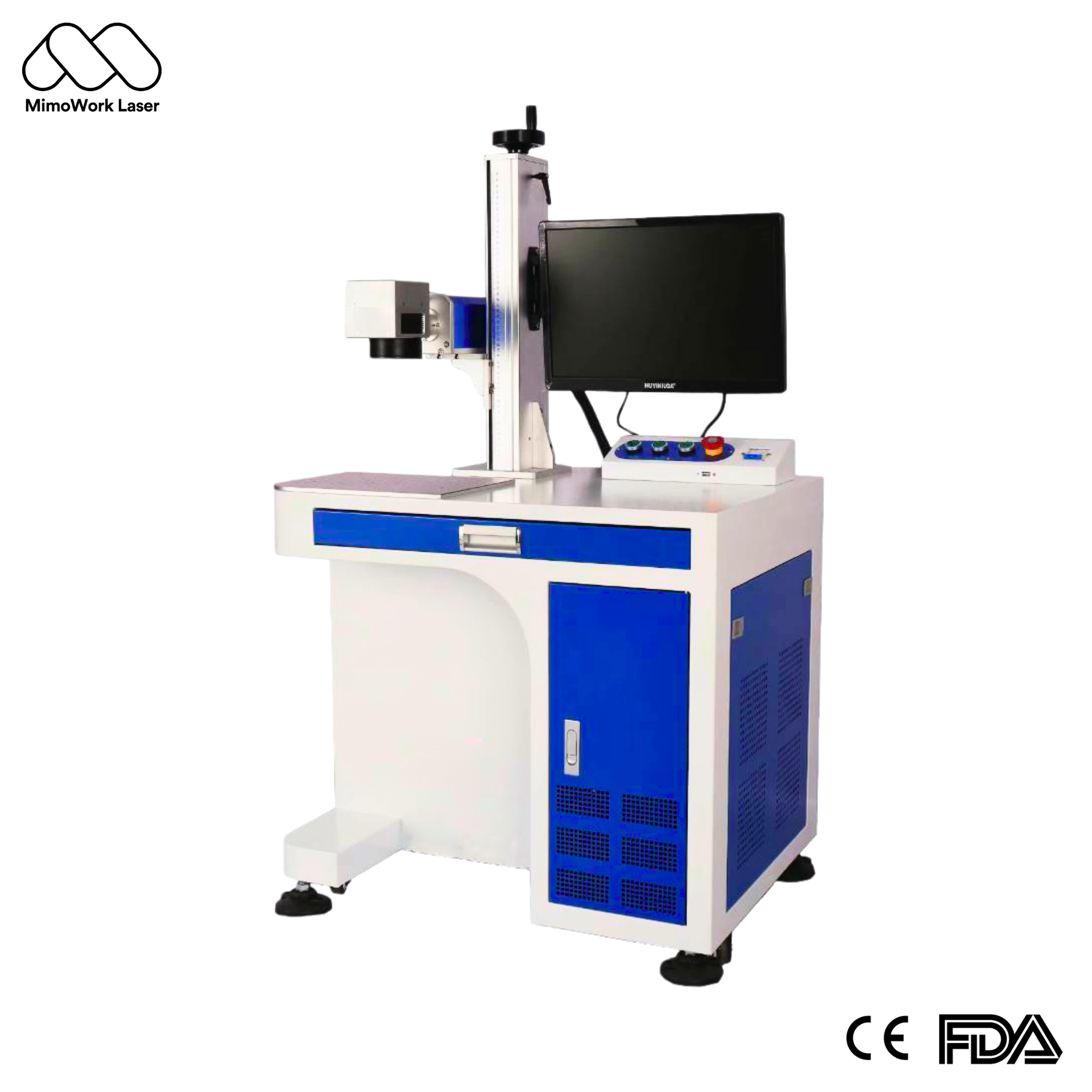
A: The core difference lies in the laser wavelength and material interaction. A CO2 laser’s long wavelength is highly absorbed by organic and non-metallic materials, making it the best choice for plastics, wood, and acrylic. Fiber lasers, with a shorter wavelength, are primarily absorbed by metals and are therefore used for marking and cutting metallic materials.
Q: Is a fume extractor necessary when operating a CO2 laser?
A: Yes, it is highly recommended and often mandatory for safety. Processes like cutting, engraving, and marking produce fumes and dust which can affect product quality, damage equipment, and harm operator health. An efficient fume extraction system is essential for maintaining a clean, safe, and stable working environment.
Q: Can a CO2 laser machine be customized for specific needs?
A: Absolutely. Beyond standard models, fully customizable solutions are available. This includes engineering machines with larger work areas (e.g., up to 10 meters), integrating specialized features like shuttle tables for non-stop production, and developing complete systems tailored to unique workflow and application challenges.