Blog
In a field that evolves daily, staying ahead means staying informed.
Explore in-depth articles designed to help you solve complex challenges,
maximize your machine’s ROI.
Stay ahead in a competitive market.


In a field that evolves daily, staying ahead means staying informed.
Explore in-depth articles designed to help you solve complex challenges,
maximize your machine’s ROI.
Stay ahead in a competitive market.
News | Apr-20-2026
System Upgrades and Advanced Integration
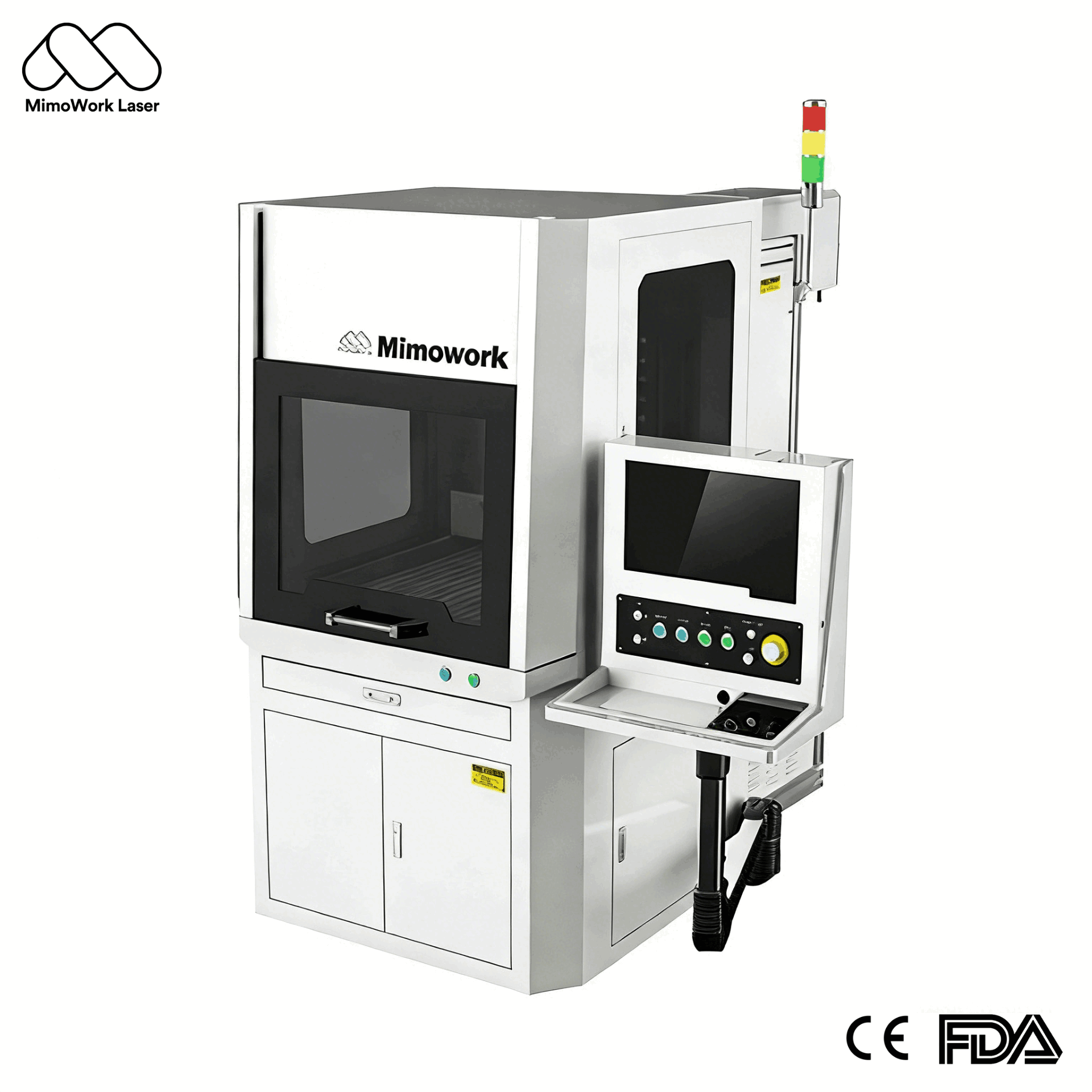
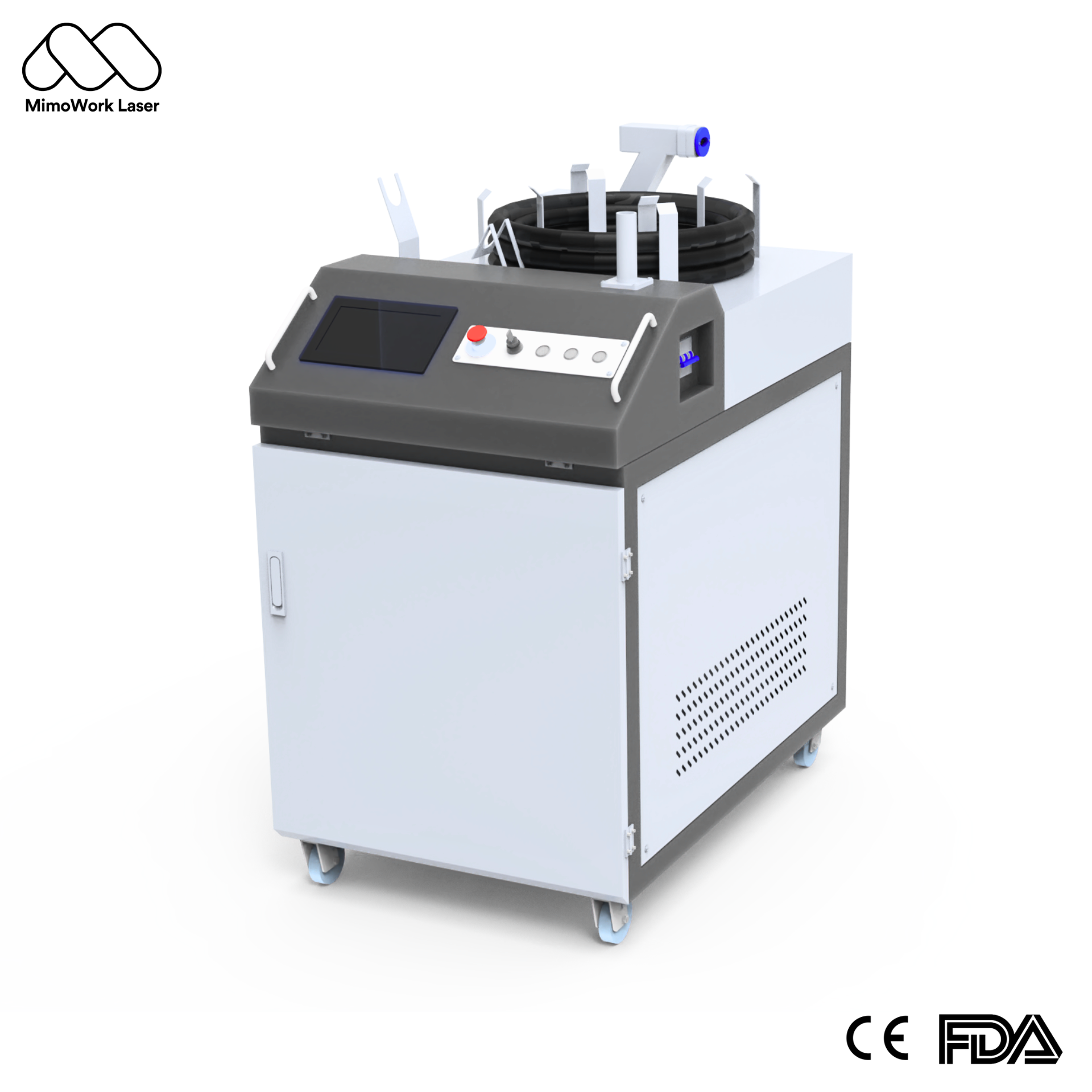
To extend its versatility, the standard fiber laser marker platform can be enhanced with several upgrades. These include a Handheld Laser Marking System for portable operation, a Safety Enclosure System with integrated fume extraction, and a Field-of-View Lens for dynamic focus marking on uneven or 3D surfaces. For high-volume manufacturing, the system can be fully reconfigured for In-Line Production Integration with automated vision systems, transforming the fiber laser marker into a seamless component of an automated production cell.
Choosing the Right Laser Marking Technology
While the fiber laser marker is ideal for metals, selecting the correct technology depends on the material. For non-metals like plastics, wood, and acrylic, a CO2 Laser Marking Machine is often the optimal choice for sharp, high-contrast marks. For sensitive electronics and plastics requiring “cold” precision marking with minimal thermal damage, a UV Laser Marking Machine is critical. For advanced applications like color marking on stainless steel or flexible effects on metals, a MOPA Laser Marking Machine offers unparalleled pulse control. Understanding these distinctions ensures investment in the right fiber laser marker or alternative technology for specific operational needs.
FAQ
Q: What is the primary advantage of using a fiber laser marker over traditional marking methods?
A: The fiber laser marker offers a completely consumable-free process, eliminating the need for inks, chemicals, or tooling. This results in lower long-term operating costs, exceptional mark durability, and high-speed, permanent marking ideal for industrial traceability.
Q: Can a fiber laser marker handle materials other than metals?
A: Yes, a fiber laser marker can mark many engineered plastics. However, its interaction is highly material-dependent. For instance, it creates excellent marks on materials like ABS but requires extreme caution with PVC or PTFE due to the generation of hazardous fumes, necessitating strict safety protocols.
Q: What are the key factors to consider when selecting a fiber laser marker?
A: Key factors include the required marking area (dictated by the galvo scanner and lens), necessary laser power (20W, 30W, 50W) for the material and mark depth, marking speed (up to 8,000mm/s), and the specific material compatibility. Also, consider future needs for upgrades like handheld operation or production line integration.
Q: Is special ventilation needed for a fiber laser marker?
A: While standard metal marking produces minimal fumes, effective fume extraction is crucial for material safety, protecting optical lenses from contamination, and maintaining a clean workshop environment. A dedicated fume extractor is strongly recommended, especially for certain plastics or high-duty cycles.