Blog
In a field that evolves daily, staying ahead means staying informed.
Explore in-depth articles designed to help you solve complex challenges,
maximize your machine’s ROI.
Stay ahead in a competitive market.


In a field that evolves daily, staying ahead means staying informed.
Explore in-depth articles designed to help you solve complex challenges,
maximize your machine’s ROI.
Stay ahead in a competitive market.
News | Apr-24-2026
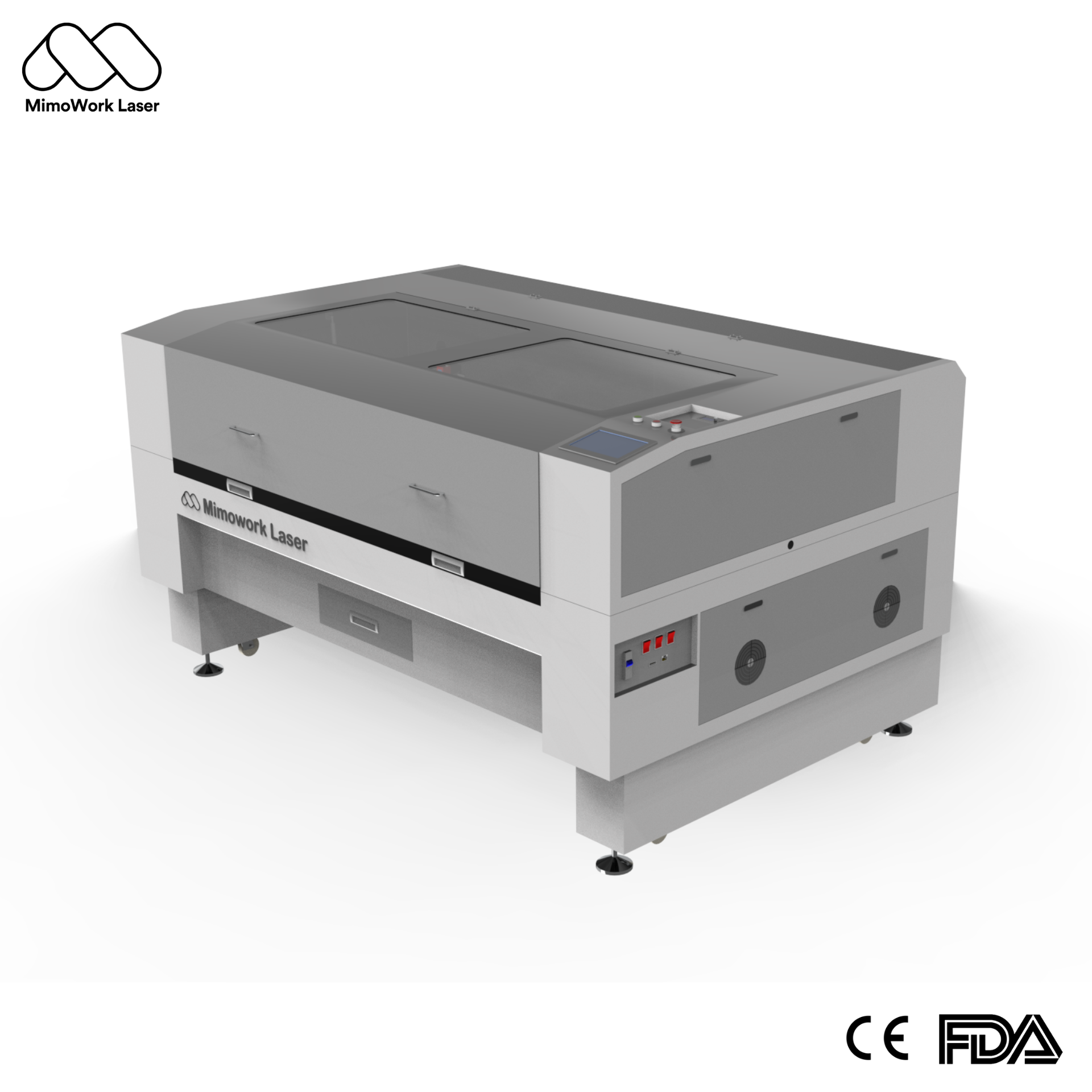
The integration of a wood laser engraver and cutter into a workshop represents a significant leap in capability, merging digital design precision with the natural beauty of wood. This technology, utilizing primarily CO2 laser sources, allows for contactless processing that minimizes material waste and enables the creation of intricate designs impossible with traditional tools. Understanding its core mechanisms and specifications is key to leveraging its full potential for projects ranging from personalized gifts to high-volume signage production.
Selecting and Operating a System
For small businesses and serious hobbyists, a machine like the F100, with its 1000mm x 600mm work area and focus on high-resolution engraving, provides an excellent balance of capability and footprint. For industrial-scale production handling full sheets, a heavy-duty wood laser engraver and cutter such as the F130-L, with its large-format bed, high-power options up to 600W, and gear-rack drive system, is engineered for daily, high-throughput demands. Regardless of scale, pairing the system with an efficient fume extraction unit is non-negotiable to maintain a safe workshop environment and protect the machine’s optics from smoke and particulate contamination.
Conclusion
A wood laser engraver and cutter is a transformative investment that unlocks new realms of creativity and efficiency in woodworking. By carefully matching the machine’s technical specifications—power, work area, precision, and features—to your specific project goals and volume requirements, you can establish a highly capable digital fabrication hub. This technology streamlines production, reduces material waste, and enables the consistent creation of complex, high-value wooden products with professional finish and detail.
FAQ
Q: What types of wood are best suited for a laser engraver and cutter?
A: Most natural woods and wood composites like plywood and MDF process excellently. However, oily or resinous woods (e.g., some pine) may require parameter adjustments to minimize residue. Avoid woods with vinyl or plastic coatings, as they can release toxic fumes.
Q: What is the main difference between engraving and cutting with a laser?
A: Engraving removes a shallow layer of material to create a design on the surface, perfect for images and text. Cutting uses higher power to vaporize material along a path, completely separating parts from the sheet. The machine controls power and speed to switch between these functions seamlessly.
Q: How do I choose the right laser power for working with wood?
A: Power needs depend on your primary goal. For detailed engraving and cutting thin woods (3-6mm), 60W-100W is often sufficient. For faster cutting speeds and the ability to process thicker materials (like 20mm plywood), 150W or higher is recommended.
Q: Why is fume extraction important for a wood laser system?
A: Laser processing wood generates smoke, fine particulates, and odors. An efficient fume extractor protects operator health, prevents soot from settling on the workpiece and machine optics, and maintains a clean workshop air quality, which is essential for safe and consistent operation.