Blog
In a field that evolves daily, staying ahead means staying informed.
Explore in-depth articles designed to help you solve complex challenges,
maximize your machine’s ROI.
Stay ahead in a competitive market.


In a field that evolves daily, staying ahead means staying informed.
Explore in-depth articles designed to help you solve complex challenges,
maximize your machine’s ROI.
Stay ahead in a competitive market.
News | Mar-31-2026
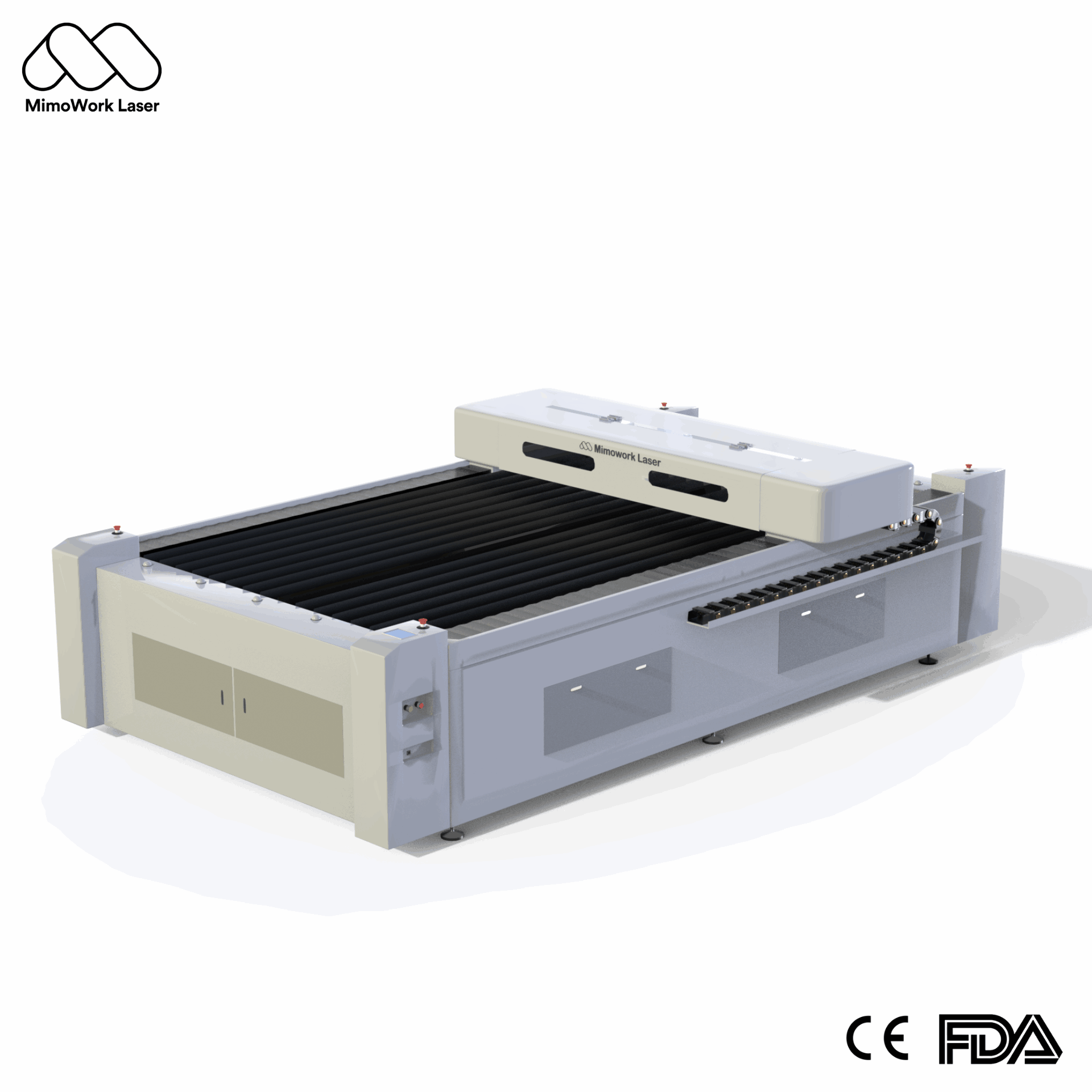
The CO2 laser cutting machine stands as a cornerstone technology in digital fabrication, offering unparalleled precision and versatility for processing non-metallic materials. Its operation is based on a gas laser source, typically a sealed glass or RF-metal tube, filled with a mixture of carbon dioxide, nitrogen, and helium. When electrically excited, this gas mixture produces an infrared laser beam with a wavelength of around 10.6 micrometers, which is highly absorbed by organic materials and plastics. This fundamental characteristic makes the CO2 laser cutter exceptionally effective for industries ranging from signage and textiles to packaging and model making.
The Core Working Principle and Advantages
At its heart, a CO2 laser cutting machine directs the generated beam through a series of mirrors and a focusing lens onto the workpiece. The focused, high-energy beam rapidly heats, vaporizes, or melts a narrow path through the material, resulting in a clean, precise cut. The non-contact nature of this process eliminates tool wear and mechanical stress on the material. Key advantages include the ability to produce intricate designs with tight tolerances, sealed edges on fabrics to prevent fraying, and smooth, polished cuts on acrylic. Furthermore, the same machine can often perform detailed engraving, adding to its utility.
Key Components of a CO2 Laser Cutting Machine
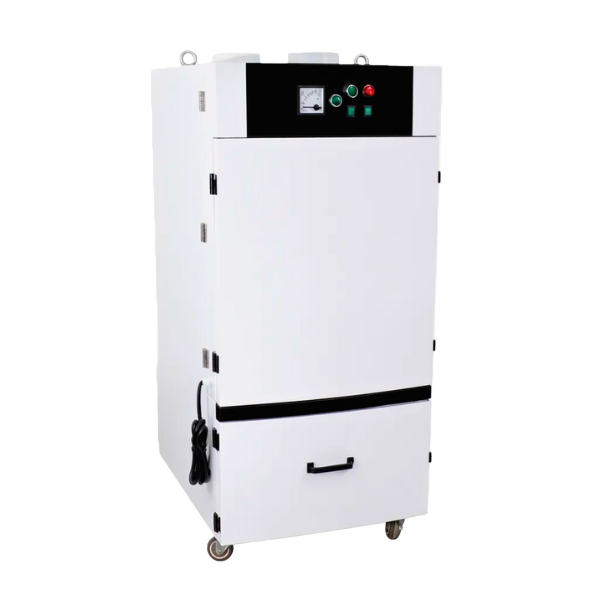
A reliable CO2 laser cutting system is built on several critical components. The Laser Source, either a glass tube or more durable RF metal tube, is the core generator. The Motion System, employing belt drives or gear racks with servo/stepper motors, dictates cutting speed and accuracy. A Water Chiller is essential for maintaining the optimal operating temperature of the laser tube to ensure stable power output and longevity. The Air Assist System blows compressed air through the cutting head to keep the lens clean, cool the material, and eject debris for a cleaner edge. Finally, an effective Fume Extraction System is mandatory to remove smoke and particulates, protecting both the machine’s optics and the operator’s health.
Material Compatibility and Industrial Applications
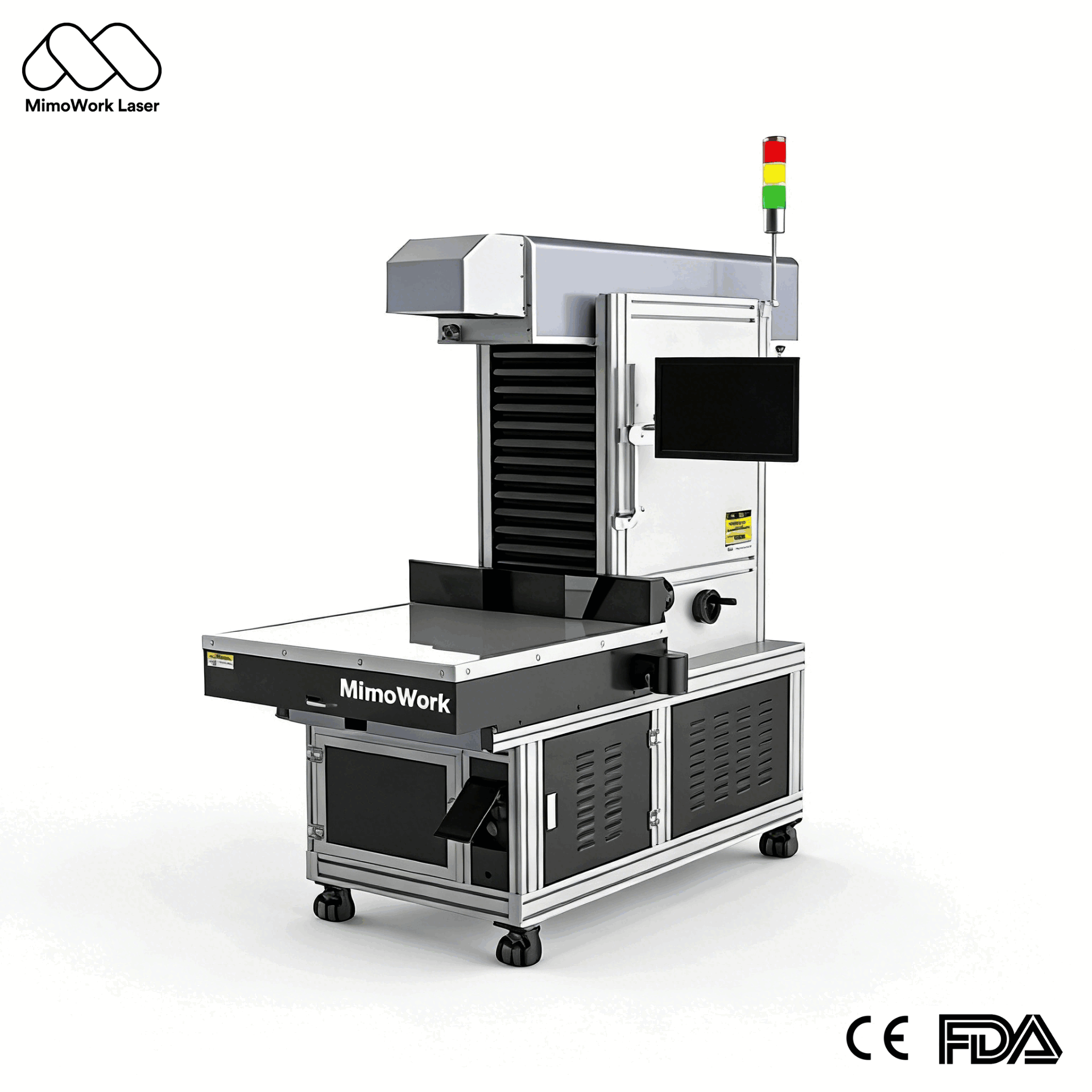
The versatility of a CO2 laser cutting machine is demonstrated by its wide material compatibility. It excels at cutting and engraving acrylic, wood, plywood, MDF, leather, fabric, paper, cardboard, and many plastics. In industrial settings, this translates to diverse applications: creating intricate patterns for apparel and sportswear from fabrics, producing precise gaskets from rubber or foam, fabricating detailed architectural models from wood and acrylic, and cutting components for electronics from specialized plastics. For textile production, advanced models feature vision systems for automatic contour cutting of printed fabrics and automated roll-to-roll feeding for continuous operation.
Selecting the Right Machine and Workflow Integration
Choosing the appropriate CO2 laser cutting machine depends on your primary materials, desired work area, and production volume. Key specifications to evaluate include laser power (from 60W to 600W+), which affects cutting speed and thickness capacity, and the working area dimensions. For high-volume environments, options like dual-laser heads for parallel processing or shuttle table systems for non-stop loading can dramatically boost productivity. Integrating the cutter with a robust fume extraction system and considering optional upgrades like auto-focus or camera registration are crucial steps for creating a safe, efficient, and professional workshop capable of handling complex orders with consistent quality.
FAQ
Q: What materials can a CO2 laser cutting machine NOT process?
A: Standard CO2 lasers are not suitable for cutting raw, uncoated metals like steel or aluminum, as the 10.6µm wavelength is highly reflective. They are also generally avoided for materials containing PVC or vinyl, as these can release corrosive and toxic chlorine gas when processed.
Q: Is a special ventilation system required for a CO2 laser cutter?
A: Yes, absolutely. Laser processing generates smoke, fumes, and particulates that can harm equipment and pose health risks. An industrial-grade fume extractor with appropriate filtration is essential for maintaining a safe workshop environment and ensuring clean cuts.
Q: How do I choose the right laser power for my needs?
A: Power selection depends on your materials and desired speed. Lower power (60W-100W) is sufficient for engraving and cutting thin materials like paper or fabric. For cutting thicker woods or acrylics (e.g., 10mm-20mm) at a good speed, 150W to 300W is recommended. Higher powers (450W+) are for industrial throughput on very thick materials.
Q: Can a CO2 laser cutter handle pre-printed fabrics?
A: Yes, with the right configuration. Machines equipped with a vision camera system can automatically scan and recognize printed patterns or registration marks, then precisely cut around the contours without needing a pre-programmed cut file, ideal for sublimated apparel and custom textiles.
News | Mar-25-2026