Blog
In a field that evolves daily, staying ahead means staying informed.
Explore in-depth articles designed to help you solve complex challenges,
maximize your machine’s ROI.
Stay ahead in a competitive market.


In a field that evolves daily, staying ahead means staying informed.
Explore in-depth articles designed to help you solve complex challenges,
maximize your machine’s ROI.
Stay ahead in a competitive market.
News | Jul-9-2026
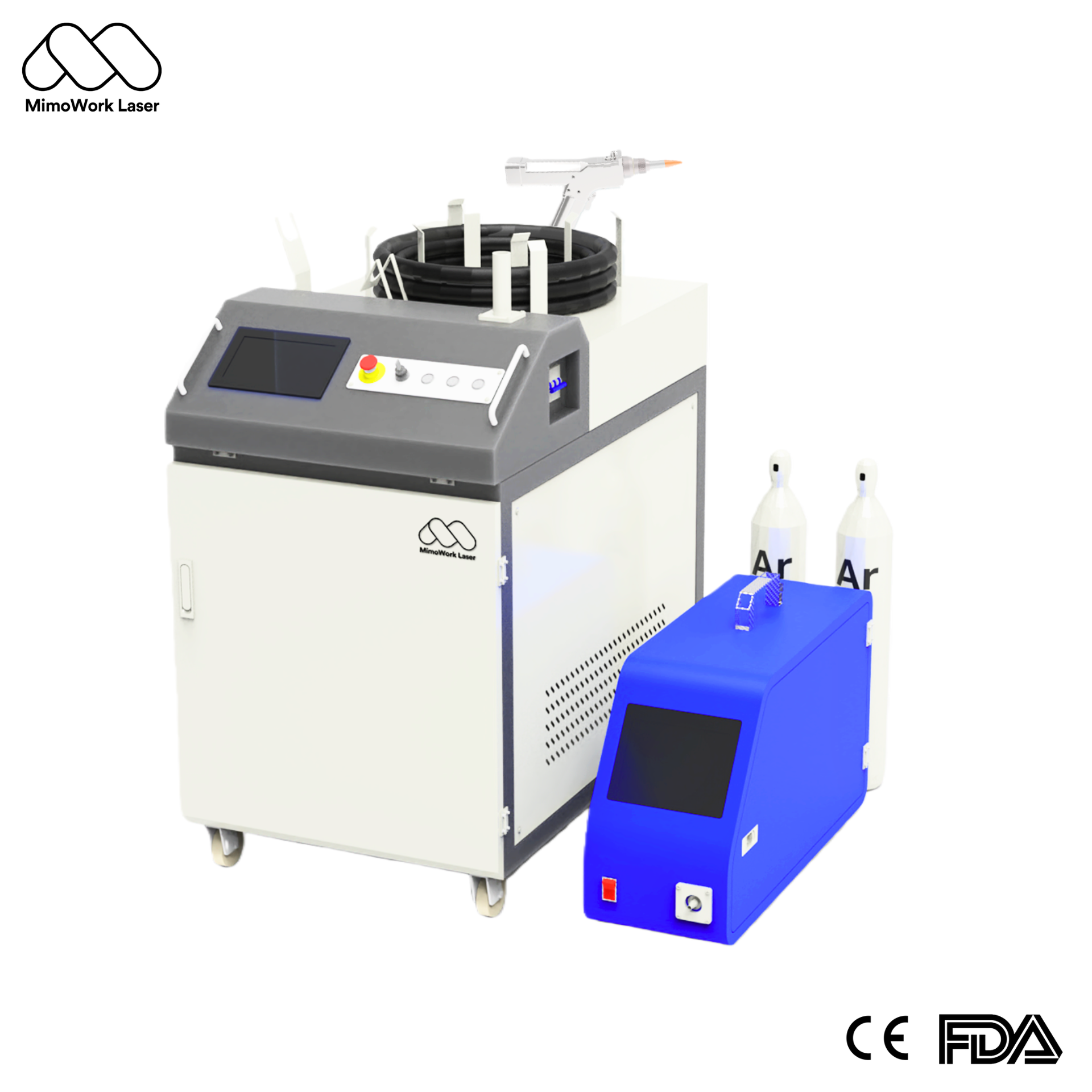
In the fast-evolving landscape of industrial manufacturing, precision and speed are the cornerstones of success. A handheld fiber laser welder represents a significant leap forward in metal fabrication, providing a portable and highly efficient solution for joining various metals. Unlike traditional welding technologies that often rely on bulky setups and complex manual control, this modern equipment uses a high-intensity laser beam to melt and fuse metal surfaces with incredible accuracy.
The machine generates a continuous-wave laser beam transmitted through a flexible fiber optic cable to the handheld gun. This concentrated energy source creates a very small, precisely targeted heat-affected zone. By focusing the laser on a tiny spot, the operator can achieve deep penetration with minimal heat input, which is essential for thin-walled materials and delicate components.
Understanding Fiber Laser Technology
While understanding the core mechanics of a laser is vital for welding, mastering the practical operation of a handheld laser welder is equally critical for achieving high‑quality, consistent results. Whether you are working on thin sheets or thick plates, it is essential to get familiar with the correct parameter settings, handling techniques, and safety precautions. Watch the guide below to learn the key steps and best practices for using a handheld laser welder effectively: How to Use Handheld Laser Welder?
When comparing this advanced technology to traditional arc welding (such as MIG or TIG), the efficiency gains are substantial. Traditional methods often result in significant thermal distortion, requiring extensive post-weld grinding and polishing.
| Feature | Handheld fiber laser welder | Traditional arc welding |
| Welding Speed | 2–10x faster | Baseline speed |
| Heat-Affected Zone | Very small (minimal distortion) | Large (prone to warping) |
| Post-Weld Finish | Smooth, often no polishing needed | Frequent grinding/polishing required |
| Operator Skill | Low to moderate | High skill required |
The primary reason industries are shifting toward this technology is the superior weld quality. Because the heat input is so tightly controlled, the risk of burn-through or material warping is drastically reduced. This makes it a perfect efficient laser welding tool for high-precision industries such as medical device manufacturing and electronics, where structural integrity and aesthetic finish are equally important.
By utilizing an automated wire feeding system, operators can perform gap-filling welds with ease, further increasing the strength and durability of the joints. Since the process is significantly faster than conventional methods, manufacturers can achieve higher throughput per shift without sacrificing quality, effectively lowering labor and operational costs.
Operators must always wear specialized laser safety eyewear rated for the specific wavelength of the machine (typically 1070 nm). Additionally, fire-resistant clothing and gloves are necessary to protect against reflected light and hot metal spatter.
The welding area should be clearly marked and cordoned off to prevent unauthorized access. Using laser-safe barriers and ensuring proper fume extraction systems are in place will help maintain a safe, professional working environment.
Every day, operators should perform a quick check of the fiber optic cable for sharp bends or damage. It is also vital to inspect the welding gun nozzle for spatter buildup. Clearing debris ensures the laser energy is delivered consistently.
The protective lens inside the welding head is the most critical consumable. Keeping this lens clean using optical-grade wipes and approved solutions prevents laser scattering, which is a common cause of power loss. Regularly scheduled deep cleaning and checking the water chiller’s coolant levels will significantly extend the lifespan of your system.
It can weld a wide range of metals, including stainless steel, carbon steel, aluminum, copper, and even dissimilar metal combinations, depending on the power settings.
Generally, no. Laser welding produces smooth, aesthetic seams with minimal spatter, often eliminating the need for traditional grinding or polishing.
A fiber laser welder is typically 2 to 10 times faster than traditional TIG or MIG welding, depending on the material thickness and joint type.
The learning curve is significantly shorter than traditional welding. With its ergonomic design and simplified parameter controls, operators can achieve professional results after a relatively brief training period.
It is recommended to inspect the lens daily. If you notice spatter or dust buildup, clean it immediately with a lint-free cloth and optical cleaning solution to maintain beam quality and machine longevity.
The handheld fiber laser welder is more than just a tool; it is a transformative investment for any workshop seeking to enhance its capabilities. By offering unmatched precision, reduced processing times, and high material versatility, it stands as the future of manual metal joining. For fabricators who prioritize quality and efficiency, adopting this technology is the logical step toward modernizing their production line.
At MimoWork, we are a professional laser solution provider dedicated to empowering manufacturers with cutting-edge technology. With extensive experience in laser application, we specialize in high-performance equipment designed to streamline your production and enhance quality. If you are looking for advanced laser systems to elevate your fabrication process, please feel free to contact us for expert guidance and support.
News | Jun-30-2026
News | Apr-16-2026