Blog
In a field that evolves daily, staying ahead means staying informed.
Explore in-depth articles designed to help you solve complex challenges,
maximize your machine’s ROI.
Stay ahead in a competitive market.


In a field that evolves daily, staying ahead means staying informed.
Explore in-depth articles designed to help you solve complex challenges,
maximize your machine’s ROI.
Stay ahead in a competitive market.
News | Jul-15-2026
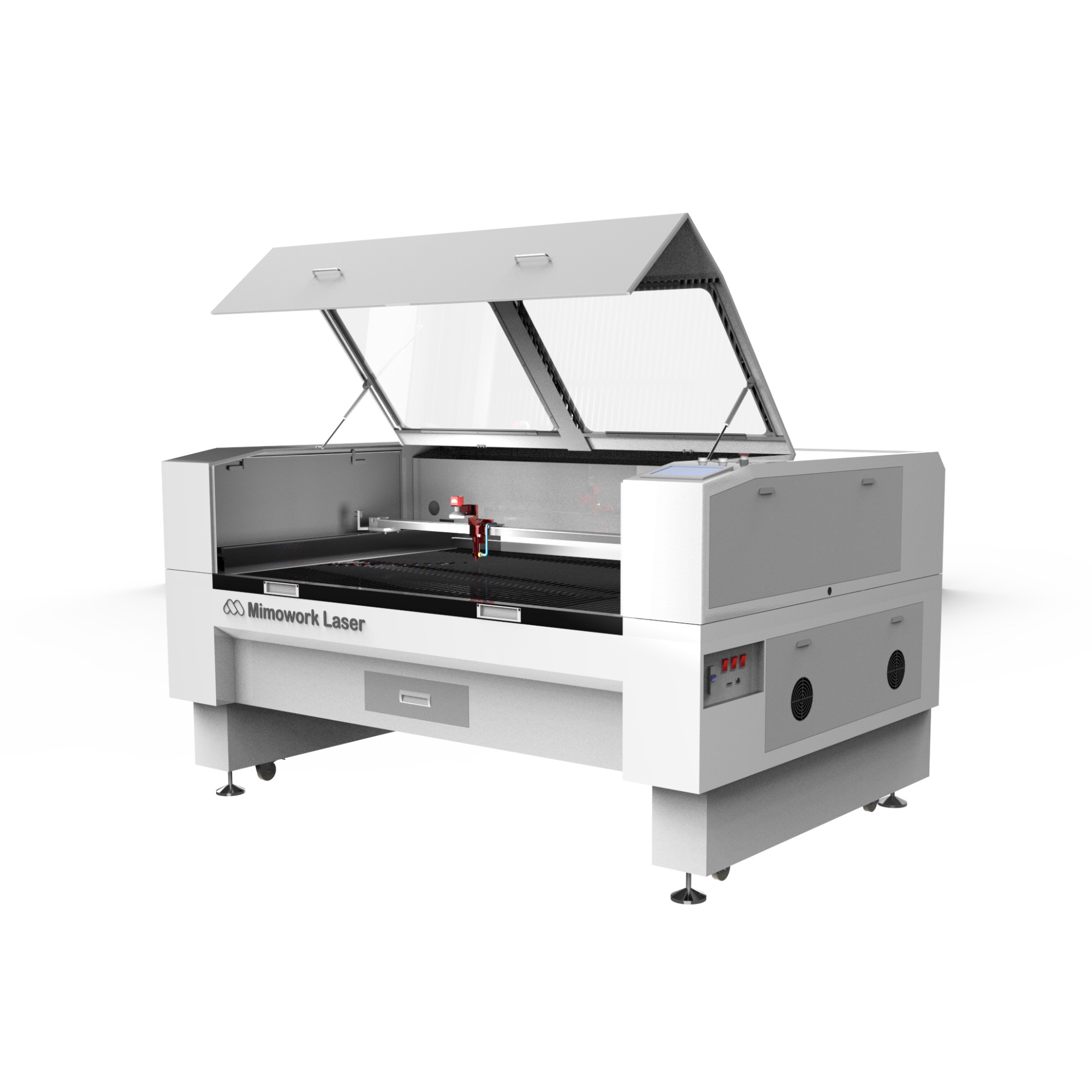
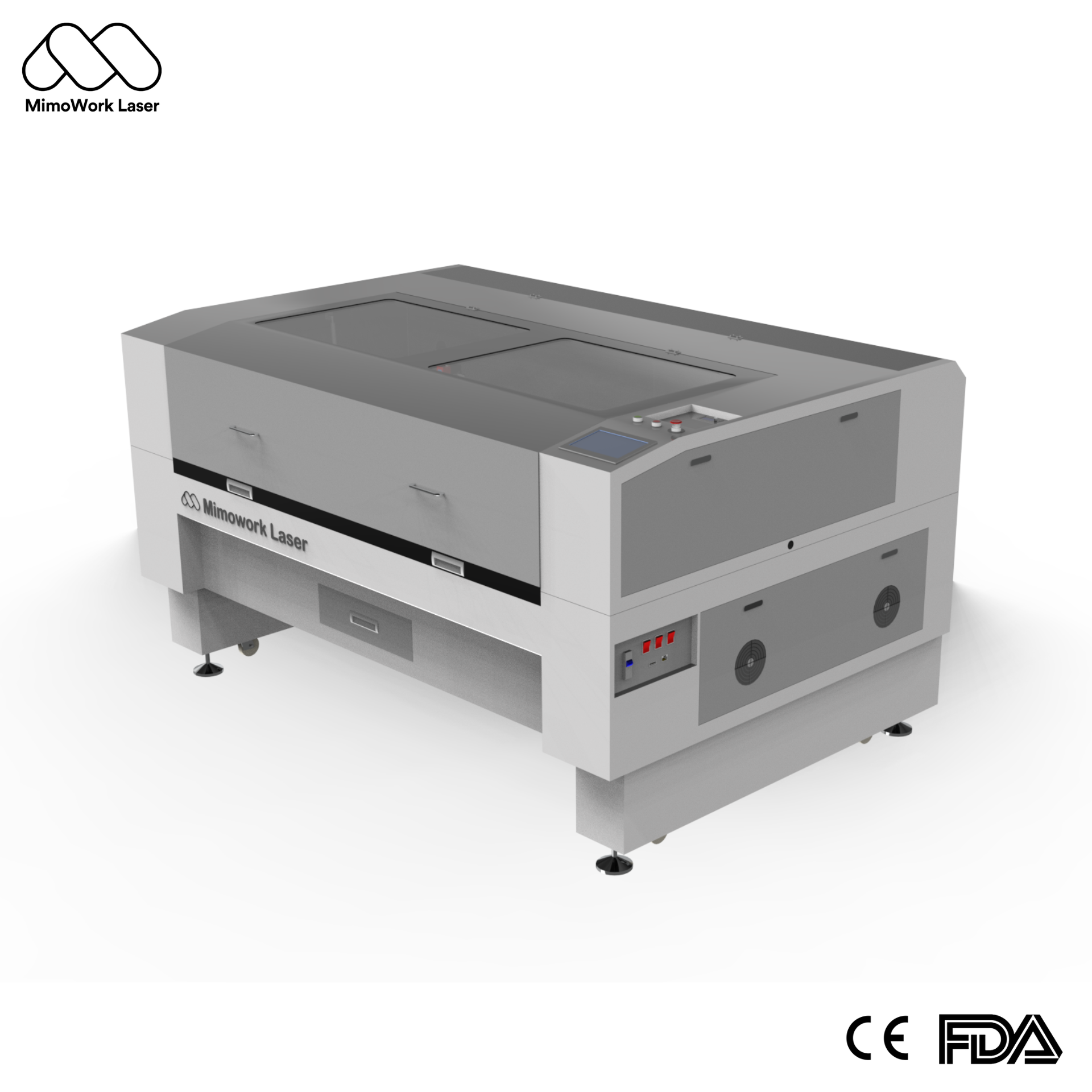
If you need to produce faster and you do not want to lose quality, a CO2 laser engraving cutting machine is something to consider. It offers a combination of cutting and engraving in one machine, enabling you to process more orders with less waste. Whether working with cloth, wood, leather, or acrylic, the right machine can boost accuracy and speed up production. In this guide, we will explain why and how to upgrade to CO2 laser technology.
Manufacturers need greater flexibility, consistent quality, and faster production to stay competitive. The CO2 laser engraving cutting machine helps to meet these demands by enhancing productivity and reducing the production cost.
| Problem | Traditional Processing | CO2 Laser Cutting Machine |
| Low Efficiency | Slow setup and production | Fast digital processing |
| High Cost | Tool wear and material waste | Lower maintenance and less waste |
| Poor Precision | Inconsistent cuts and rough edges | Accurate, clean, repeatable cuts |
A CO2 laser cutting and engraving machine completes cutting and engraving in a single workflow. This means less handling time may be spent in production. Each product has consistent quality because the laser always follows the same pre-programmed path. You may also easily change designs without changing tools, making it easier to deal with recurring and customized demands.
Most of the factories are replacing manual processes with automated machines to enhance production. A modern CO2 laser engraving machine can integrate with automated feeding systems and production software, enabling you to process more orders with less manual effort. It also helps reduce operating expenses and encourages steady production.
Many businesses use CO2 laser engraving cutting machines because they can process a wide range of non-metallic materials accurately. It enables fast production of both standard and customized products.
A CO2 laser cutter for acrylic cuts smooth edges and produces delicate engravings for signs, exhibition stands, light boxes, and nameplates. This uses digital files, which allows quick design changes and the fast completion of large orders without the need for new molds.
A CO2 laser engraving machine can cut leather and textiles without making contact, thus reducing distortion and improving edge quality. It’s great for patches, shoes, handbags, clothing patterns, and decorative designs. Logos can also be engraved within the same production run.
(High-Value-Added Products)
Gift and package manufacturers often need small runs with different designs. The CO2 laser cutting and engraving machine can cut and engrave wood, paper, cardboard, bamboo, cork, and acrylic with precision. If you manufacture wooden products, this machine will engrave detailed patterns and text while maintaining a neat finish.
OEM and ODM factories usually work with different products for many customers. You can use an industrial laser engraver on many non-metal materials without any modifications to your equipment. This allows you to improve consistency, reduce production time, and respond quickly to client requests.
Selecting the right machine is more than just looking at specs. To maximize your investment, you need to consider your production volume, materials, and long-term operating costs.
Choosing the highest laser power is not always the best option. The right power depends on the materials you are working with, the thickness of the materials, and your daily workload. A machine designed for your production needs will eliminate unnecessary operating costs and boost productivity. When making a choice, consider your existing orders and future business growth.
The size of the working area determines how many pieces you can process in one cycle. On a larger table, you can cut larger sheets or bundle multiple smaller pieces together, which speeds up loading and maximizes material utilization. A larger workstation offers more flexibility for different product sizes if you often handle custom orders.
| Feature | Single-Head | Multi-Head |
| Best for | Custom jobs, small batches | High-volume production |
| Output | One part at a time | Multiple identical parts at once |
| Efficiency | Good for flexibility | Higher productivity |
| Ideal users | Small workshops | Large-scale manufacturers |
A lower buying price does not necessarily mean lower costs. Production downtime, poor performance, and constant repairs can quickly add to your costs. A reliable CO2 laser engraving cutting machine should have stable laser output, precise motion control, durable components, and reliable technical support. These factors help ensure stable long-term production.
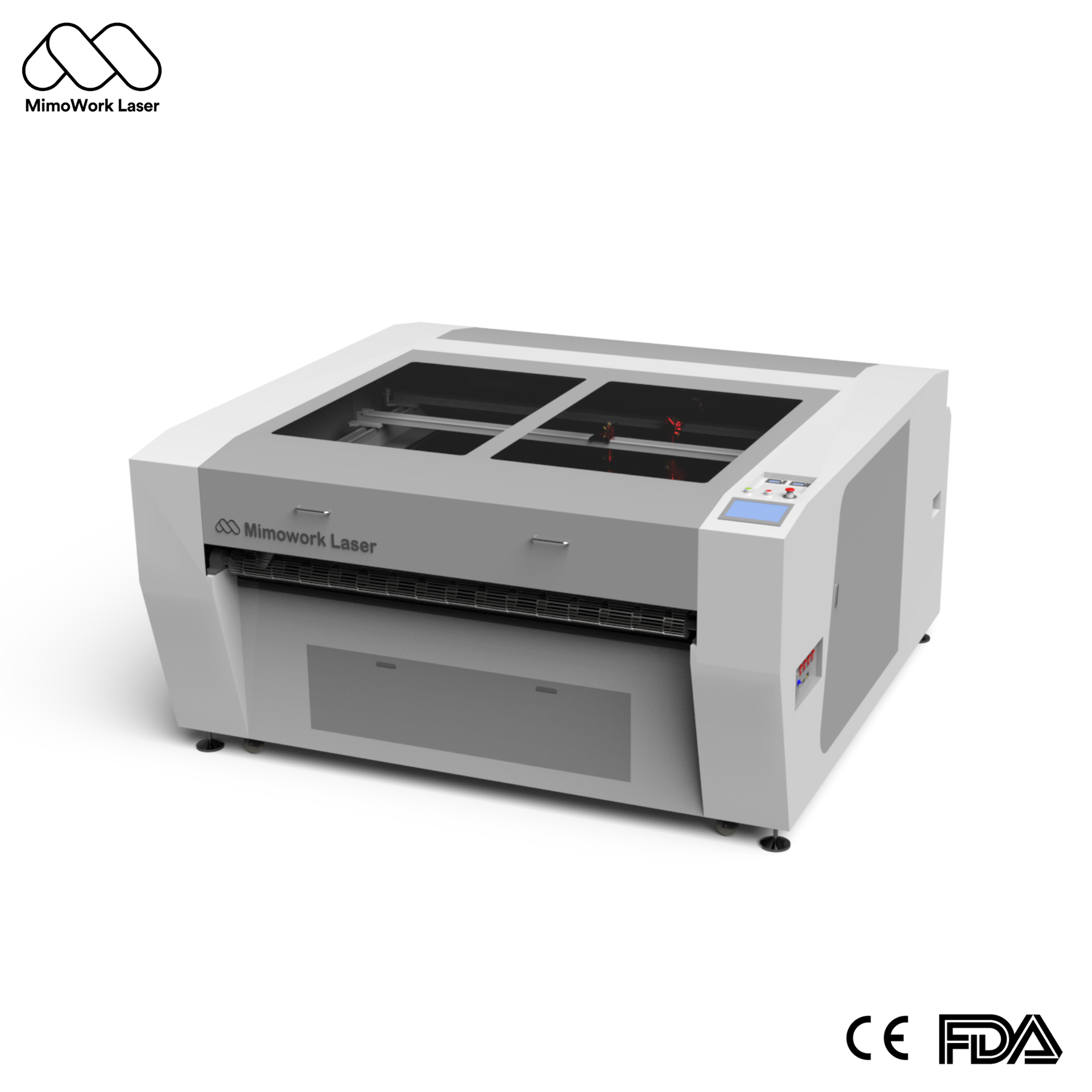
Traditional processing methods are still relevant, but they typically do not have the flexibility required by modern manufacturing. CO2 laser technology provides a more efficient and speedier option for a variety of cutting and engraving applications.
| Feature | Die Cutting | CO2 Laser Cutting |
| Tooling | Requires custom dies | No physical tooling |
| Design Changes | New die needed | Instant digital updates |
| Cost | Higher tooling costs | Lower setup costs |
| Best For | High-volume, fixed designs | Custom and flexible production |
| Feature | CNC Machining | CO2 Laser Cutting |
| Best for | Thick, rigid materials | Wood, acrylic, leather, fabric, and paper |
| Precision | Good | Fine details with clean edges |
| Processing Speed | Slower for intricate designs | Faster for cutting and engraving |
| Post-Processing | More finishing required | Minimal finishing needed |
The demand for personalized goods is still growing. Traditional processing is often expensive, as new designs require additional setup. To begin production on a CO2 laser engraving machine, simply load a new design file. This allows you to mass-create hundreds of goods while maintaining the same quality.
The best machine is not necessarily the one with the highest power, but the one that performs reliably. Keeping in mind the essential technical requirements, you can choose equipment that will enable long-term productivity and will fit your production needs.
Laser power influences cutting speed and material thickness, but other parameters influence performance too. Other important aspects are optics, machine quality, and motion accuracy. You can’t just look at the maximum wattage; you need to select a CO2 laser engraving cutting machine that will work with the materials and production volume of your business.
Fast production is only useful if the results are reproducible. An unsteady machine can lead to uneven cuts, wastage material, and unwanted downtime. A reliable industrial laser engraver helps you keep consistent quality during long production runs by stabilizing the laser output and ensuring accurate placement.
An efficient cooling system is essential as continuous production generates heat. Proper cooling not only helps maintain consistent cutting performance but also reduces the risk of overheating and protects the laser tube. If you run long shifts in your business, a reliable cooling system can extend the life of your machinery and keep production going without interruption.
Your investment is more than simply the purchase price. In the long term, operating costs are affected by technical support, replacement parts, and routine maintenance. A well-designed CO2 laser cutting and engraving machine means less downtime and less maintenance, ultimately helping you reduce your production cost.
Yes. They are often used for batch production due to their uniform quality, fast processing, and quick design changes. They are suitable for packaging, advertising, woodworking, textiles, leather, and similar industries.
A CO2 laser engraving cutting machine is capable of working on many non-metal materials such as acrylic, wood, MDF, plywood, leather, cloth, paper, cardboard, bamboo, cork, rubber, and some plastics. Always check the compatibility of materials before production.
Yes. A CO2 laser cutting and engraving machine performs both cutting and engraving in a single workflow. This speeds up processing, boosts productivity, and allows you to make complex designs with one machine.
A CO2 laser engraving cutting machine can boost production efficiency, guarantee steady quality, and handle custom orders easily. Choose the right laser power, working space, and machine design so you may build a production line that fits your current needs and supports future growth.
MimoWork offers solutions engineered for consistent performance and long-term value for those looking for a reliable CO2 laser engraving machine for acrylic, wood, leather, textile, packaging, and other non-metal materials.
News | Jul-9-2026
News | Jul-9-2026
News | Jul-9-2026