Blog
In a field that evolves daily, staying ahead means staying informed.
Explore in-depth articles designed to help you solve complex challenges,
maximize your machine’s ROI.
Stay ahead in a competitive market.


In a field that evolves daily, staying ahead means staying informed.
Explore in-depth articles designed to help you solve complex challenges,
maximize your machine’s ROI.
Stay ahead in a competitive market.
News | Jul-15-2026
Woodworking operations require clean cuts, precise engraving, and consistent results. From personalized gifts to furniture, signage, and ornamental products, choosing the right CNC laser cutter for wood will improve your efficiency and reduce material wastage. This guide will help you choose the best wood laser cutting equipment.
The right CNC laser cutter for wood depends on what you make and how often you make it. A furniture business making hundreds of parts a day has distinct needs from a small workshop making personalized gifts. Prior to comparing equipment, think about cutting quality, reliability, and the materials you intend to work with.
Here are the features that a good wood laser cutting machine should have:
All these features reduce material waste and improve cutting precision.
| Budget Level | Best For | Typical Applications |
| Entry-Level | Hobbyists, schools, and beginners | Miniature crafts, personalized gifts, school or hobby projects |
| Commercial | Small businesses and workshops | Customized signs, interior décor, daily customer orders, small furniture components |
| Industrial | Large manufacturers | Furniture panels, large decorative items, continuous manufacturing |
MimoWork offers CO2 laser systems for all production stages, allowing you to easily select the appropriate equipment for your firm.
Small machines are perfect for crafts and engraved products. Medium-sized models are perfect for sign makers and furniture builders. Systems with conveyors are suitable for batch production and continuous processing of large wood sheets for larger companies.
The first step to choosing the appropriate machine is to understand your materials, product size, and daily production requirements. A machine that better fits your process will usually be of better value.
The effectiveness of slicing depends on the laser intensity and thickness of the substance to be sliced.
60W to 80W: Thin plywood and engraving
100W to 150W: Medium-thickness plywood and hardwood
180W and above: Industrial production and thick wood
Higher laser power generally allows faster cutting. The proper settings are just as important.
The work area should fit the size of your materials.
A smaller table is best for gifts and decorations. Furniture makers often benefit from larger work areas since they can handle larger panels without moving them. If you handle big manufacturing runs, a conveyor system might boost productivity.
For most applications of woodworking, the best option is a CO2 laser cutter for wood. It does a great job on plywood, MDF, bamboo, veneer, and different hardwoods, providing you with detailed engraving and neat cuts. It is also one of the most popular solutions for non-metal materials.
The suggested settings may be slightly different depending on the material, as moisture and wood density affect cutting performance.
| Wood Thickness | Recommended Power | Typical Applications |
| 3 mm | 60W to 80W | Crafts, ornaments |
| 6 mm | 80W to 100W | Signs, gift boxes |
| 10 mm | 100W to 150W | Furniture parts |
| 20 mm | 180W+ | Industrial components |
To minimize burn marks:
You can do a quick test run before production to fine-tune settings.
Cutting is done at slower speeds and higher power through the material. On the other hand, engraving requires less force, is faster, and marks the surface without cutting through it. Save separate settings for each type of wood to speed up and improve future jobs.
A CNC laser machine for woodworking helps small businesses produce custom products with consistent quality. You can save time and space by using one machine instead of multiple tools to cut and engrave.
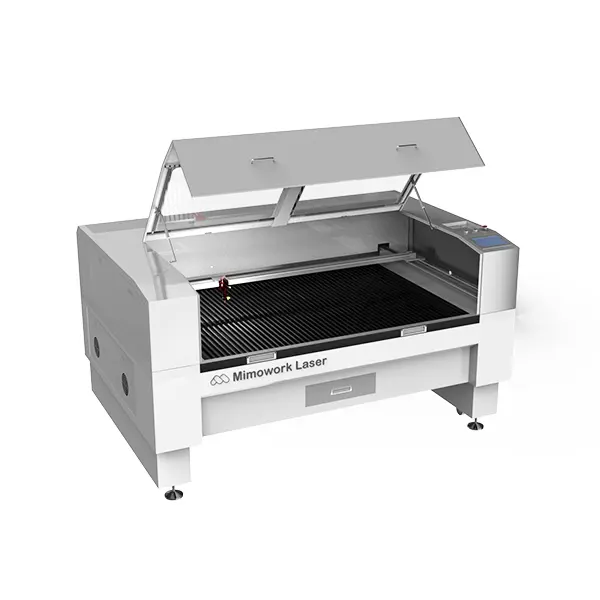
Reliable output at low operating costs is essential for a small woodworking studio. An 80W to 100W CO2 laser is suitable for most custom wood products. Plus, accessories can help to increase workflow and cutting quality.
A recommended setup consists of:
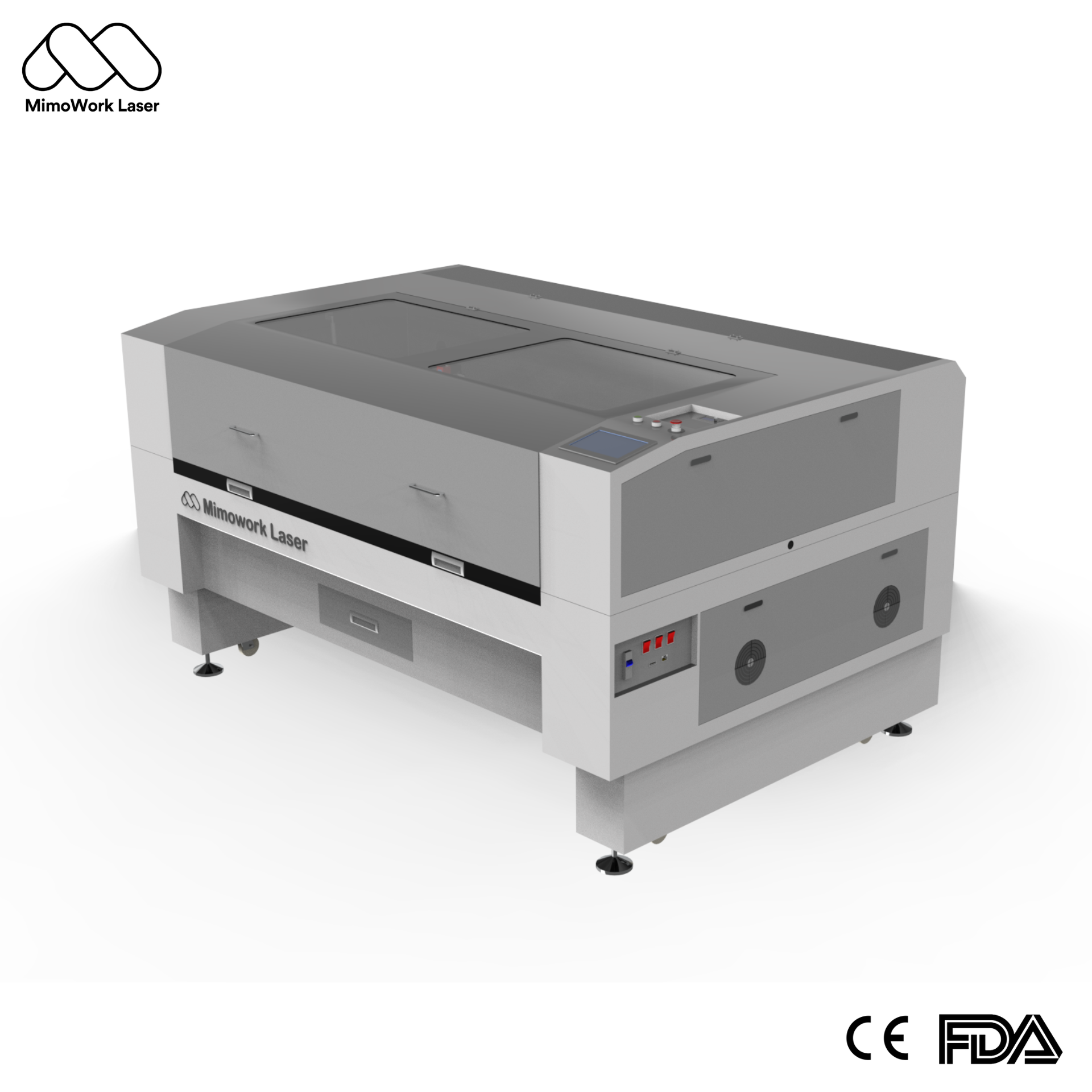
If you are looking for a machine that has these features, you may want to consider Mimowork F130 Laser Cutter Machine. It is a laser cutter and engraver and can be used for signs, personalized gifts, home decor, and small furniture components. It is a wise solution to expand workshops as it provides a broad working surface and different laser power options.
With a laser cutter, you may make products that people are always looking for, like:
Also, offering personalized engraving can add value to each order without adding much to the production time.
Laser cutter boosts productivity by reducing human effort and providing uniform results. Less material waste and quick production time reduce operational costs over time. Businesses that have steady orders might get a faster ROI with a reliable machine than with traditional cutting methods.
Machines in industrial workshops have to be operational 24/7 without any compromise on the quality of the cut. Automation, a larger working space, and a stronger laser power help in increasing the daily production.
Laser cutting is often used by furniture manufacturers for:
This process is more efficient because the precise beam produces clean edges and requires less finishing work.
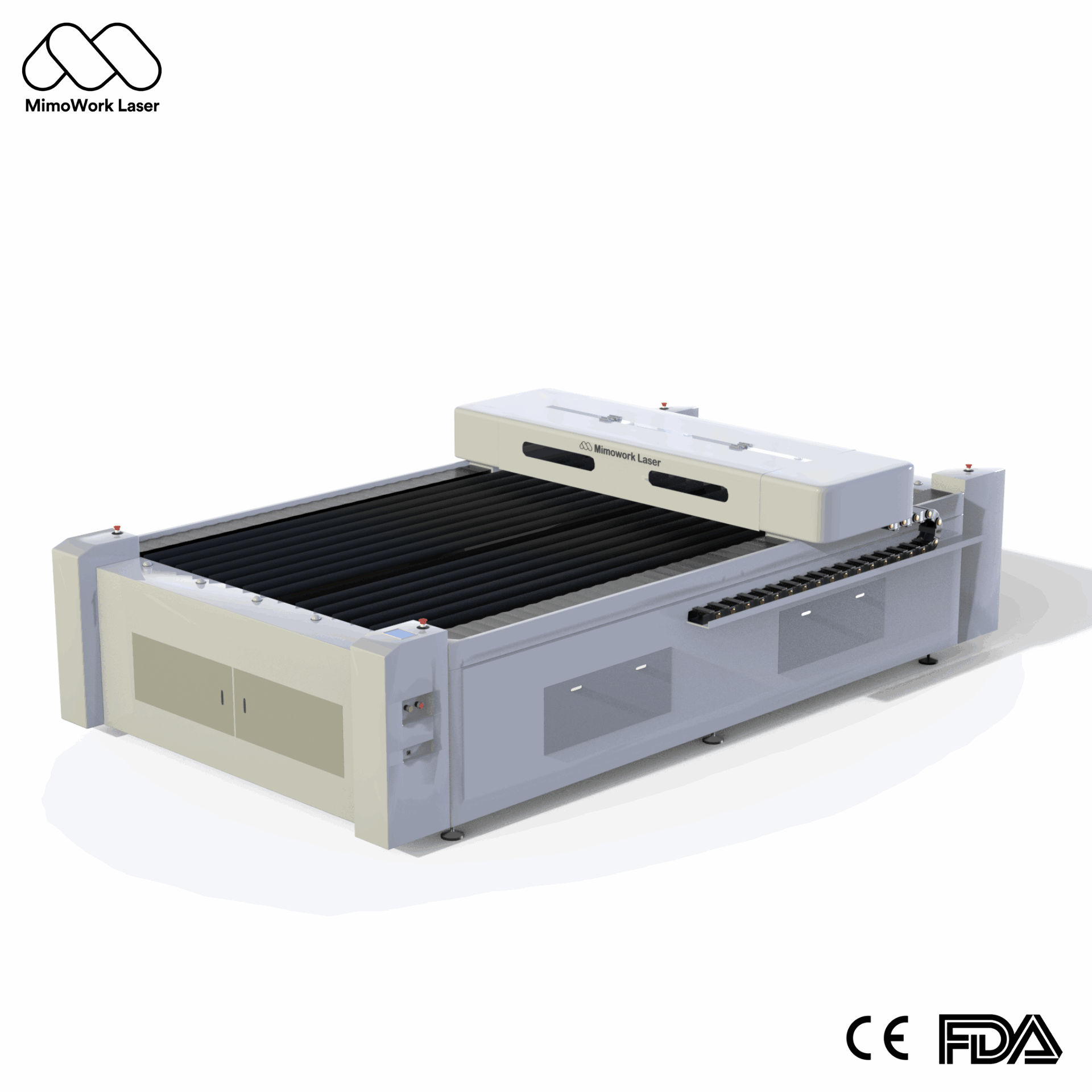
For manufacturers working with full-size wood panels, MimoWork F130-L Laser Cutter Machine is a helpful choice. It has a working surface of 1,300 x 2,500 mm, and can handle large sheets without the need for frequent repositioning, and the ability to boost laser power helps speed up the cutting of furniture components and ornamental panels.
Automation means less downtime and constant production. Helpful features include:
These features enable operators to process more materials with less interruption.
High power laser cutters can cut thicker wood faster and more efficiently. With the help of the proper machine settings and automation, they enable producers to increase daily production while ensuring consistent quality.
Burn marks are generally caused by high laser power, slow cutting speed, insufficient airflow, or incorrect focus. Cleaner edges can be accomplished with air assist, clean optics, and right settings.
Common causes are inadequate laser power, dirty lenses, incorrect focus, or material that is too thick for the machine to cut. Usually, these factors are checked to resolve the problem.
For better engraving results:
Try different speeds before beginning a production run.
Regularly clean the mirrors and lens.
Use fine, dry wood.
For fine details, lower the laser power.
Depending on the materials you process, the thickness you cut, and your daily production requirements, select a CNC laser cutter for wood. The perfect machine needs to provide enough workspace for your tasks, sharp cuts, and reliable performance. Matching equipment to your application can improve efficiency and obtain better results.
Whatever the size of your manufacturing business is, MimoWork offers wood laser cutting machines that fit your production needs. Contact the MimoWork team or request a quote to discover the best option for your application and budget.
News | Apr-13-2026