Blog
In a field that evolves daily, staying ahead means staying informed.
Explore in-depth articles designed to help you solve complex challenges,
maximize your machine’s ROI.
Stay ahead in a competitive market.


In a field that evolves daily, staying ahead means staying informed.
Explore in-depth articles designed to help you solve complex challenges,
maximize your machine’s ROI.
Stay ahead in a competitive market.
News | Jul-9-2026
Introduction: Why Industrial Laser Engravers Are Transforming Modern Manufacturing
As manufacturers continue to improve production efficiency and product traceability, the demand for advanced marking and engraving solutions is increasing rapidly.
An industrial laser engraver provides a precise, reliable, and flexible way to engrave permanent markings on various materials, including metals, plastics, wood, acrylic, leather, and fabrics.
Unlike traditional engraving methods, industrial laser engraving uses a focused laser beam to process materials without physical contact. This technology reduces tool wear, improves accuracy, and supports high-volume production.
Today, industrial laser engraving machines are widely used in industries such as:
Choosing the right industrial laser engraver helps businesses achieve consistent engraving quality, improve manufacturing efficiency, and reduce long-term operating costs.
MimoWork Laser provides professional laser processing solutions designed for different industrial applications, helping manufacturers optimize their production workflows with reliable laser technology.
An industrial laser engraver is an advanced laser processing system that uses concentrated laser energy to create permanent marks, patterns, text, or designs on material surfaces.
The laser beam removes or modifies the surface layer of a material through controlled energy output, creating high-quality engraving results without direct contact.
Compared with conventional engraving equipment, an industrial laser engraving machine offers greater flexibility and precision for modern manufacturing requirements.
Common applications include:
Because of its high accuracy and repeatability, an industrial laser engraver has become an important solution for manufacturers that require stable performance in continuous production environments.
Traditional mechanical engraving relies on physical tools to remove material. Although it can complete basic engraving tasks, it often faces limitations in speed, precision, and maintenance.
An industrial laser engraving machine provides several advantages:
| Feature | Industrial Laser Engraver | Traditional Engraving |
| Processing method | Non-contact laser processing | Physical cutting tool |
| Precision | High accuracy | Limited by tool wear |
| Maintenance | Low maintenance | Requires tool replacement |
| Processing speed | Fast | Slower |
| Material compatibility | Wide range | More limited |
Key advantages of laser engraving include:
For businesses looking for long-term production efficiency, an industrial laser engraver offers a more advanced alternative to traditional engraving equipment.
Understanding how an industrial laser engraver works helps manufacturers select the right equipment for their specific applications.
The engraving process mainly includes three stages:
The laser source is the core component of an industrial laser engraving machine.
It generates a concentrated beam of light energy that can be precisely controlled to process different materials.
Different laser sources are designed for different applications:
Selecting the correct laser source ensures better engraving performance and higher production efficiency.
After generation, the laser beam passes through optical components and is focused onto the material surface.
Advanced control systems guide the laser movement to create accurate patterns and designs.
The main components of an industrial laser engraving machine include:
Together, these components ensure stable operation and precise engraving results.
When the focused laser beam reaches the material surface, it creates controlled thermal energy.
Depending on the material and laser parameters, the process can:
This flexible processing capability allows an industrial laser engraver to handle a wide range of manufacturing applications.
Different industries require different laser technologies. Selecting the correct type of industrial laser engraver is essential for achieving the best engraving quality.
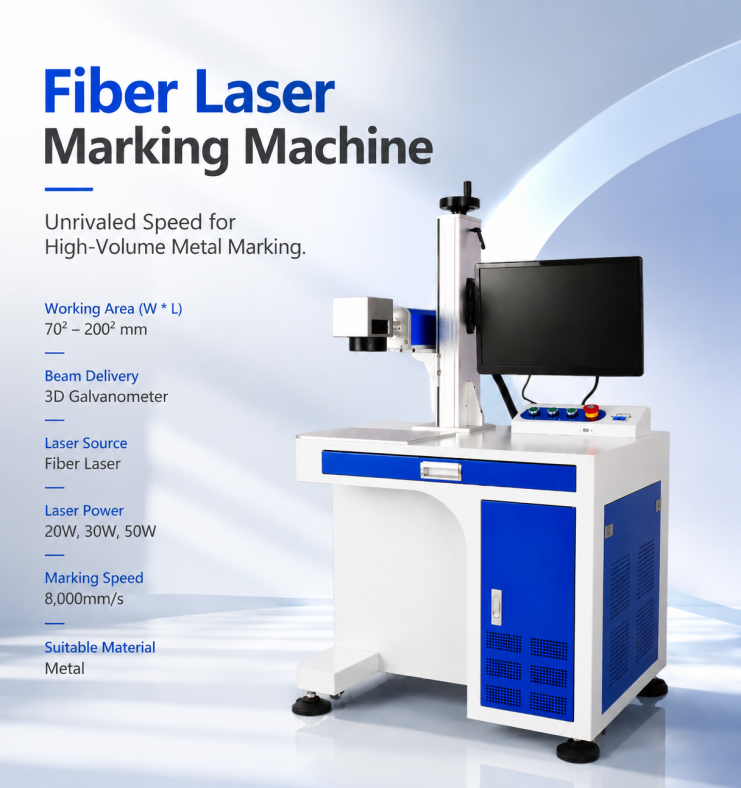
An industrial fiber laser engraver is one of the most commonly used solutions for metal processing.
Fiber laser systems are designed for high-speed and permanent marking on metal surfaces.
They are widely used for:
Advantages of fiber laser engraving include:
For manufacturers working with metal products, a fiber laser engraving machine provides an efficient solution for product identification and traceability.
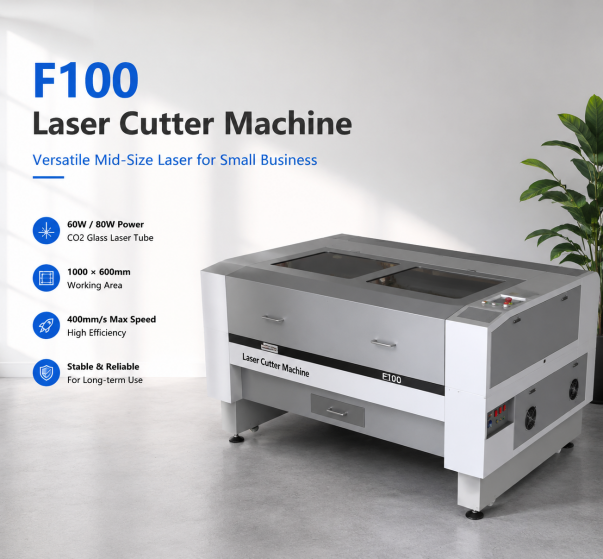
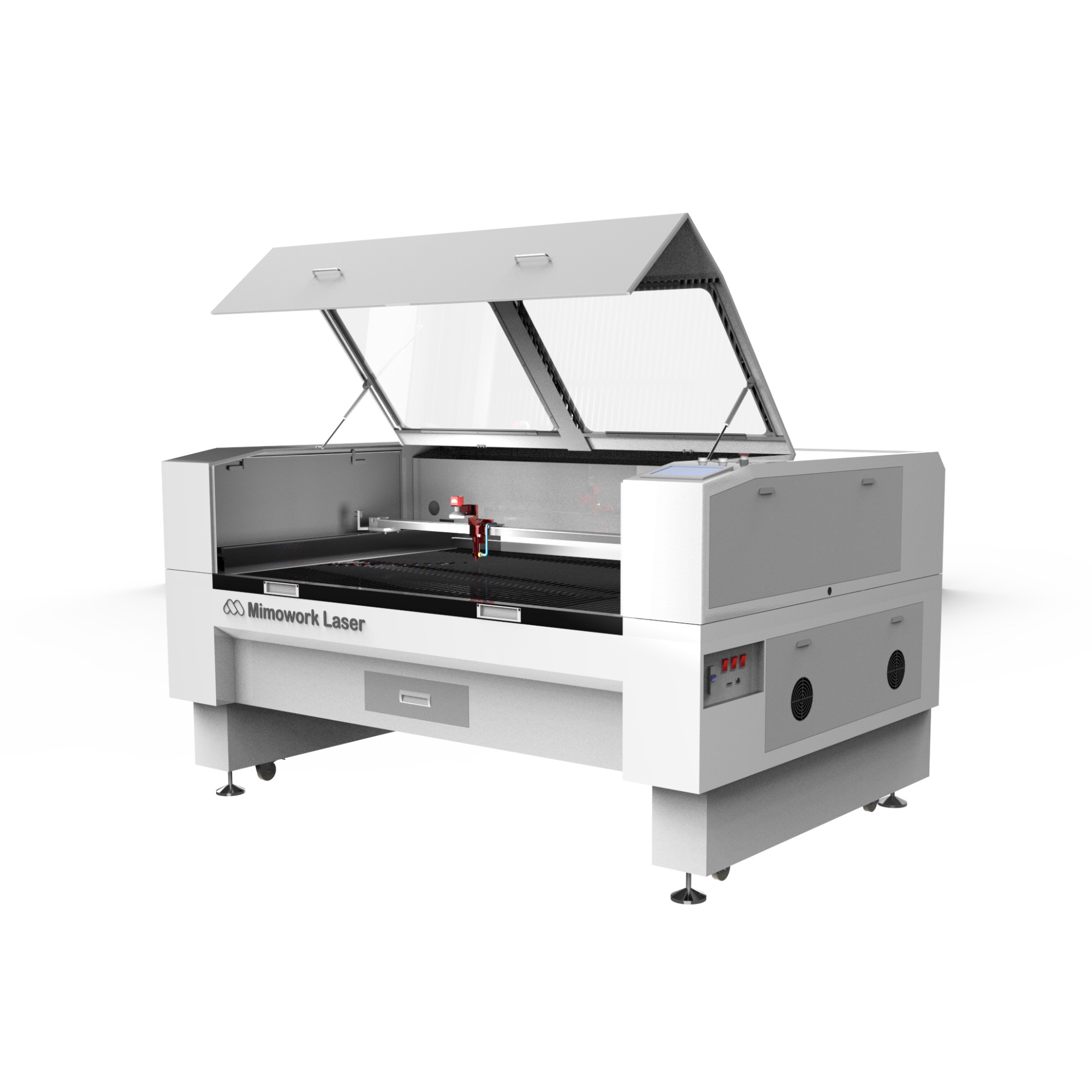
A CO2 laser engraver industrial solution is ideal for processing non-metal materials.
CO2 laser systems are widely used because they provide excellent cutting and engraving performance on materials such as:
Key benefits include:
For industries involving signage, packaging, textiles, and creative manufacturing, CO2 laser engraving machines provide versatile processing capabilities.
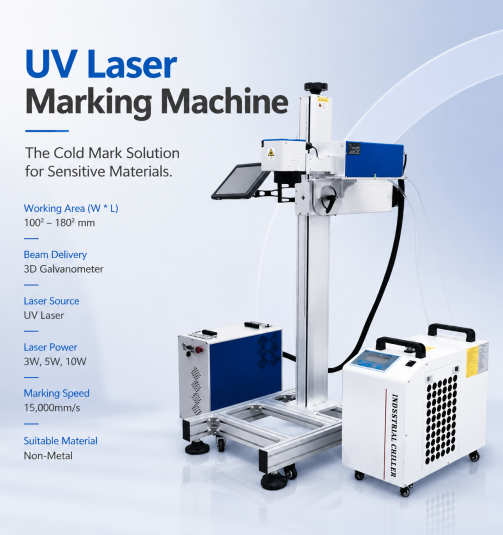
UV laser engravers are designed for applications requiring extremely precise processing with minimal heat impact.
They are commonly used in:
The advantages of UV laser engraving include:
For sensitive materials that require fine processing quality, UV laser technology provides an effective industrial engraving solution.
An industrial laser engraver is widely used across multiple industries because of its precision, flexibility, and ability to create permanent markings.
From metal components to customized consumer products, laser engraving technology helps manufacturers improve product identification, branding, and production efficiency.
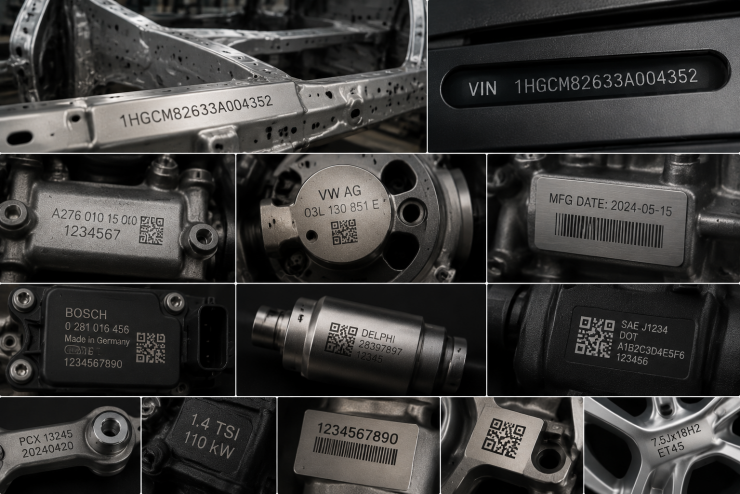
The automotive industry requires reliable marking solutions for component tracking, quality control, and product identification.
An industrial laser engraving machine can be used for:
Compared with traditional marking methods, laser engraving provides permanent and wear-resistant results, ensuring important information remains readable throughout the product lifecycle.
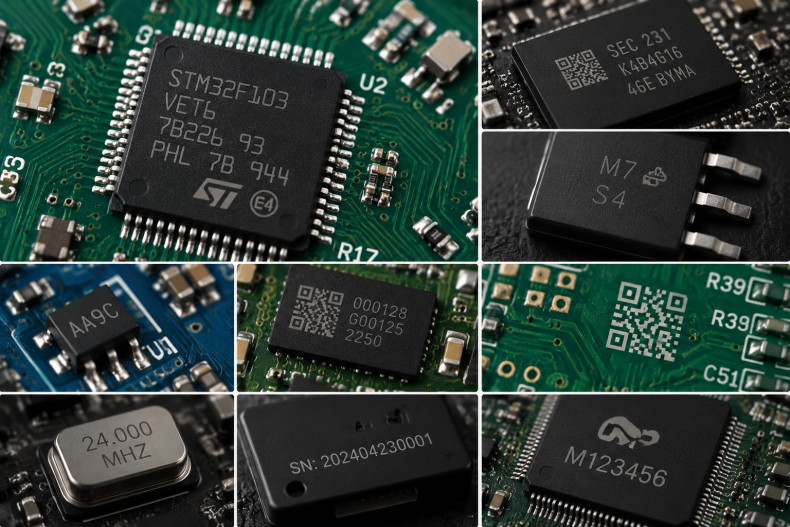
Electronic products often require precise marking without damaging sensitive components.
Industrial laser engravers are commonly used for:
UV laser and fiber laser technologies are especially suitable for electronics because they provide high accuracy with minimal material impact.
With increasing demand for personalized products, manufacturers need flexible engraving solutions that can handle different materials and designs.
An industrial laser engraver can create:
Industries such as packaging, consumer goods, and promotional products benefit from the speed and flexibility of laser engraving technology.

Laser engraving technology is also widely used in textile and material processing applications.
MimoWork Laser provides laser solutions for materials including:
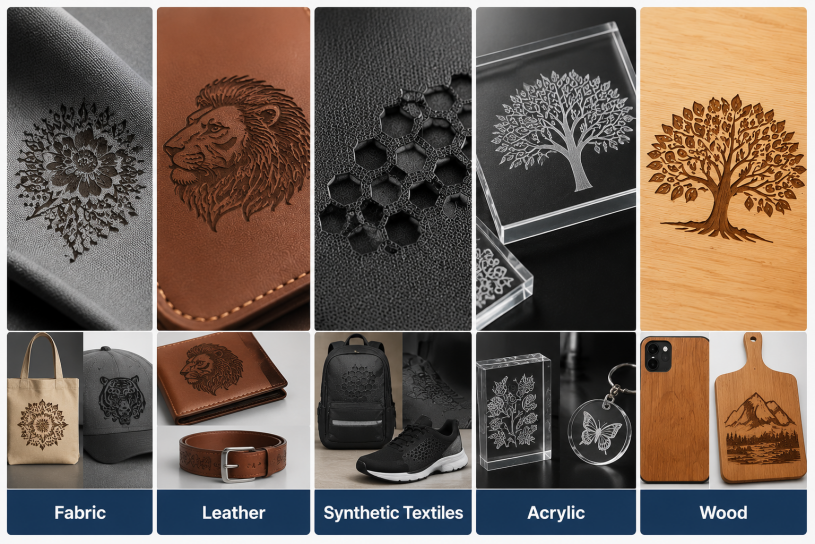
Compared with mechanical processing, laser engraving provides clean edges, detailed patterns, and reduced material waste.
This makes an industrial laser engraving machine an ideal solution for manufacturers requiring precise and efficient material processing.
Investing in an industrial laser engraver can help manufacturers improve production efficiency while maintaining consistent quality.
The main benefits include:
One of the biggest advantages of laser engraving is its exceptional accuracy.
Industrial laser engraving machines use advanced optical systems and digital control technology to achieve:
This is especially important for industries that require strict product standards and traceability.
Modern manufacturing requires faster processing speeds and reliable equipment performance.
An industrial laser engraver improves productivity through:
For large-scale production, laser engraving helps manufacturers save time while maintaining high-quality output.
Compared with traditional engraving equipment, laser engraving systems require fewer consumable parts.
Key cost advantages include:
These advantages make an industrial laser engraving machine a cost-effective solution for long-term industrial production.
Many manufacturers are moving toward smart factories and automated production lines.
An industrial laser engraver can be integrated with:
This allows businesses to improve production consistency and achieve higher levels of automation.How to Choose the Right In
Selecting the right industrial laser engraver requires careful consideration of materials, production requirements, and future expansion plans.
A suitable laser engraving solution should match your specific manufacturing needs.
Different materials require different laser technologies.
The basic selection guide includes:
| Material | Recommended Laser Type |
| Stainless steel and metals | Fiber laser |
| Wood and acrylic | CO2 laser |
| Leather and fabric | CO2 laser |
| Glass and sensitive materials | UV laser |
| Plastic components | CO2 or UV laser |
Choosing the correct laser source ensures better engraving quality and processing efficiency.
Laser power directly affects engraving speed, depth, and processing capability.
Lower power systems are suitable for:
Higher power industrial laser engraving machines are better for:
Manufacturers should select laser power based on material type and production requirements.
The working area of an industrial laser engraver should match the size of your products.
Before purchasing, consider:
For companies with customized requirements, choosing a supplier that provides flexible laser solutions is important.
A professional laser equipment supplier can provide more than just a machine.
When selecting an industrial laser engraving solution, consider:
MimoWork Laser specializes in customized laser processing solutions, providing professional equipment options for different materials and industrial applications.
An industrial laser engraver can process a wide range of materials depending on the type of laser.
Common materials include:
Fiber lasers are commonly used for metals, while CO2 and UV lasers are suitable for non-metal and sensitive materials.
The main difference is the processing depth.
Laser engraving:
Laser marking:
Both technologies are important applications of industrial laser processing.
The service life of an industrial laser engraving machine depends on:
With proper maintenance, professional laser systems can provide years of reliable operation.
Regular cleaning, calibration, and system checks help maintain stable performance.
Yes.
Modern industrial laser engraving systems can be integrated with automated manufacturing environments.
Possible integrations include:
This makes laser engraving an important technology for smart manufacturing.
An industrial laser engraver provides manufacturers with a reliable solution for precision marking, engraving, and product identification.
Compared with traditional engraving methods, laser technology offers:
Choosing the right laser engraving machine depends on several factors, including material type, production requirements, laser technology, and future business needs.
Whether you need a fiber laser engraver for metal applications, a CO2 laser system for non-metal materials, or a customized industrial laser engraving solution, selecting an experienced laser equipment manufacturer is essential.
MimoWork Laser provides professional laser processing equipment and customized solutions to help businesses improve production efficiency and achieve high-quality engraving results.
Ready to find the right industrial laser engraver for your application? Contact MimoWork Laser today to discuss your requirements and get a customized laser engraving solution.
News | Jun-30-2026
News | Jun-5-2026
News | May-14-2026