Blog
In a field that evolves daily, staying ahead means staying informed.
Explore in-depth articles designed to help you solve complex challenges,
maximize your machine’s ROI.
Stay ahead in a competitive market.


In a field that evolves daily, staying ahead means staying informed.
Explore in-depth articles designed to help you solve complex challenges,
maximize your machine’s ROI.
Stay ahead in a competitive market.
News | Aug-7-2026
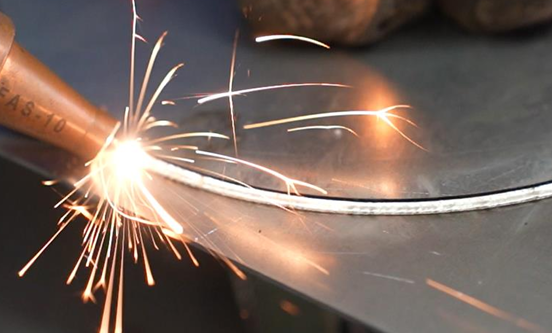
If you’ve been shopping for a fiber laser welder, you already know the problem: half the listings give you vague specs, the other half quote prices that make no sense without context. This guide cuts through that noise. Whether you’re running a metal fabrication shop, scaling up production, or replacing aging TIG equipment, here’s what actually matters when buying a fiber laser welder
A fiber laser welder is a precision joining machine that uses a high-intensity laser beam delivered through a fiber optic cable to fuse metal parts together. Unlike conventional arc welding processes, fiber laser welding typically requires no electrode and uses little or no filler material depending on the application.
The result? Cleaner welds, less post-processing, and improved consistency for applications across industries such as automotive, aerospace components, medical devices, and precision manufacturing.
Here’s the short version: a laser diode generates light, which is amplified inside a doped fiber optic cable (typically ytterbium-doped). That amplified beam exits through a focusing lens and concentrates energy into a spot sometimes smaller than 0.1mm in diameter.
At higher energy densities, the laser can create a keyhole mode, allowing deeper penetration into the material. The keyhole allows the beam to penetrate deep into the material rather than just melting the surface. When the beam moves on, the keyhole collapses and the molten pool solidifies almost instantly.
That rapid solidification is why fiber laser welds typically show:
| Factor | Fiber Laser Welding | TIG Welding |
| Heat Input | Very low, localized | High, widespread |
| Weld Appearance | Narrow, clean bead | Wider bead, more spatter |
| Post-Processing | Minimal grinding/polishing | Often requires finishing |
| Operator Skill Required | Low to moderate | Moderate to high |
| Speed | Typically faster for many thin-to-medium metal welding applications | Baseline |
| Material Sensitivity | Excellent on most metals | Varies by process |
| Equipment Cost | Higher upfront | Lower upfront |
Before you request a quote or click “add to cart,” these are the three decisions that actually determine whether a machine fits your application.
Laser power is one of the most important factors when choosing a fiber laser welder. Higher power generally allows deeper penetration, faster welding speeds, and a wider range of material thicknesses.
1000W–1500W—Suitable for light fabrication, thin sheet metal, stainless steel enclosures, kitchen equipment, and general repair applications.
2000W–3000W—A versatile choice for medium-duty fabrication. It provides higher productivity for stainless steel, carbon steel, and aluminum components, with actual thickness capability depending on material type and welding conditions.
3000W+—Designed for heavy fabrication, thicker metal components, and industrial production environments where welding speed and penetration are priorities.
A common mistake is choosing the lowest power option only to reduce upfront cost. As production requirements grow, insufficient power can limit welding speed and increase processing time. Selecting the right power level based on current and future applications often provides better long-term value.
This is really a question about your production volume and part complexity.
Handheld fiber laser welders make sense when:
Automated/gantry welding systems make sense when:
Fiber lasers work well on most metals: carbon steel, stainless steel, aluminum, copper, brass, titanium, and galvanized steel. The key variables are:
Mimowork offers four distinct fiber laser welding configurations, each targeting a specific production scenario.
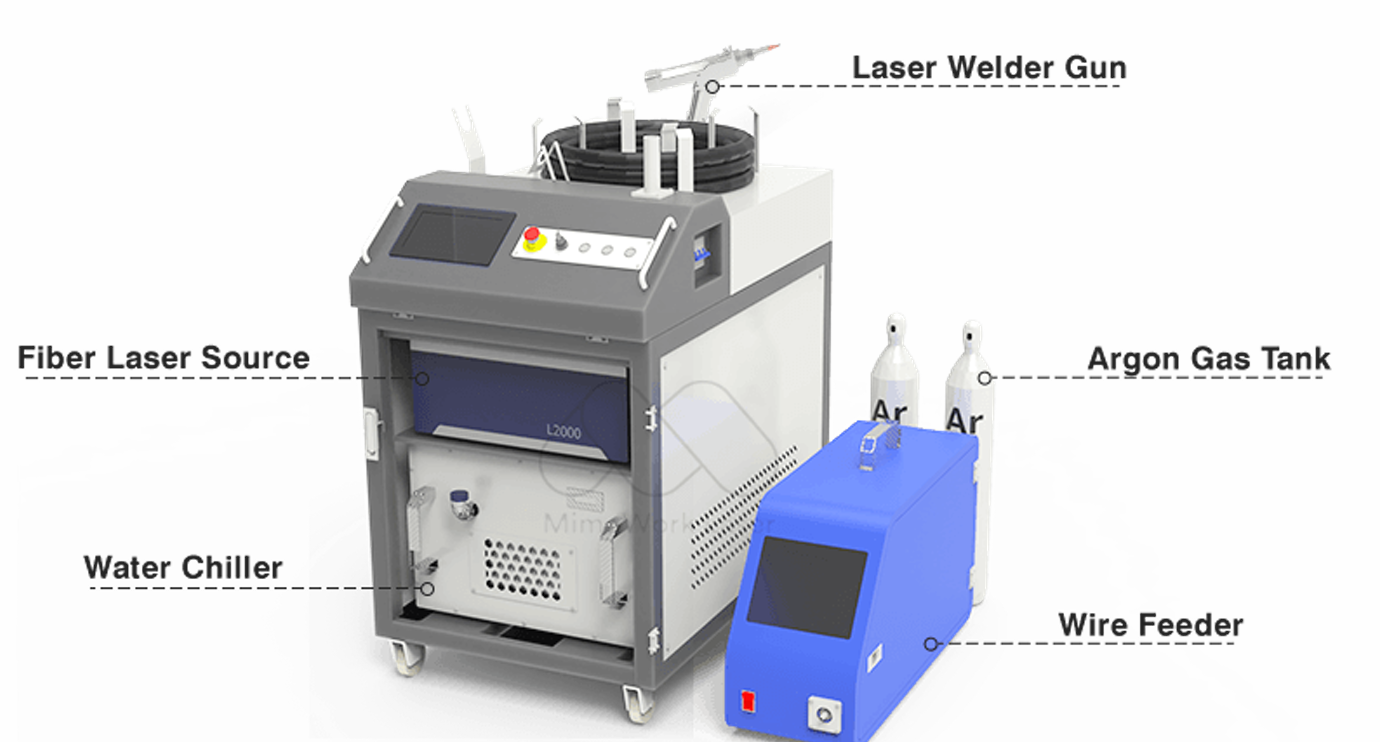
A handheld laser welding machine is designed for manufacturers that need welding flexibility without being limited by a fixed workstation.
Versatility – Weld Various Metals
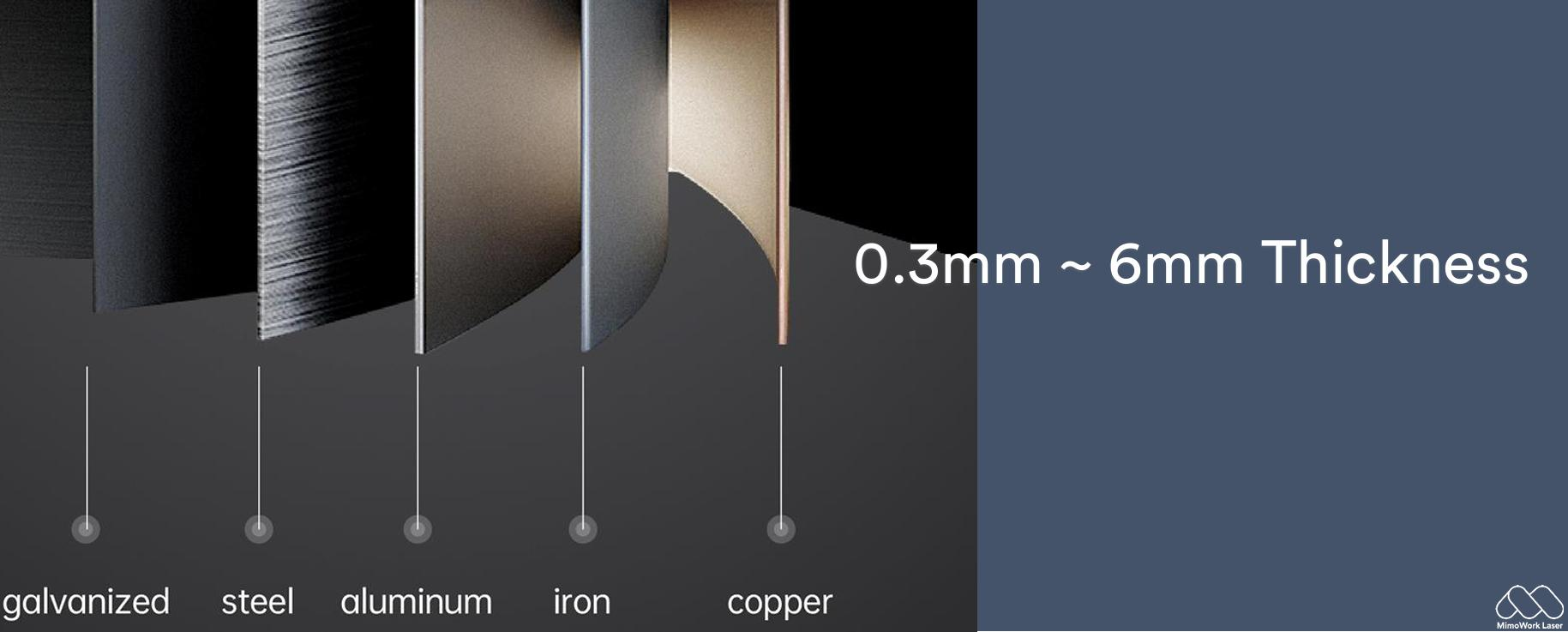
MimoWork fiber laser welding machines are designed to weld commonly used materials such as stainless steel, carbon steel, galvanized steel, aluminum, and copper.
From lightweight aluminum housings to durable steel structures, the system provides precise heat control for different material properties and thickness requirements. With suitable laser power selection, it supports applications ranging from thin sheet metal fabrication to heavier industrial components.
Versatility – Handle Various Welding Positions and Joint Types
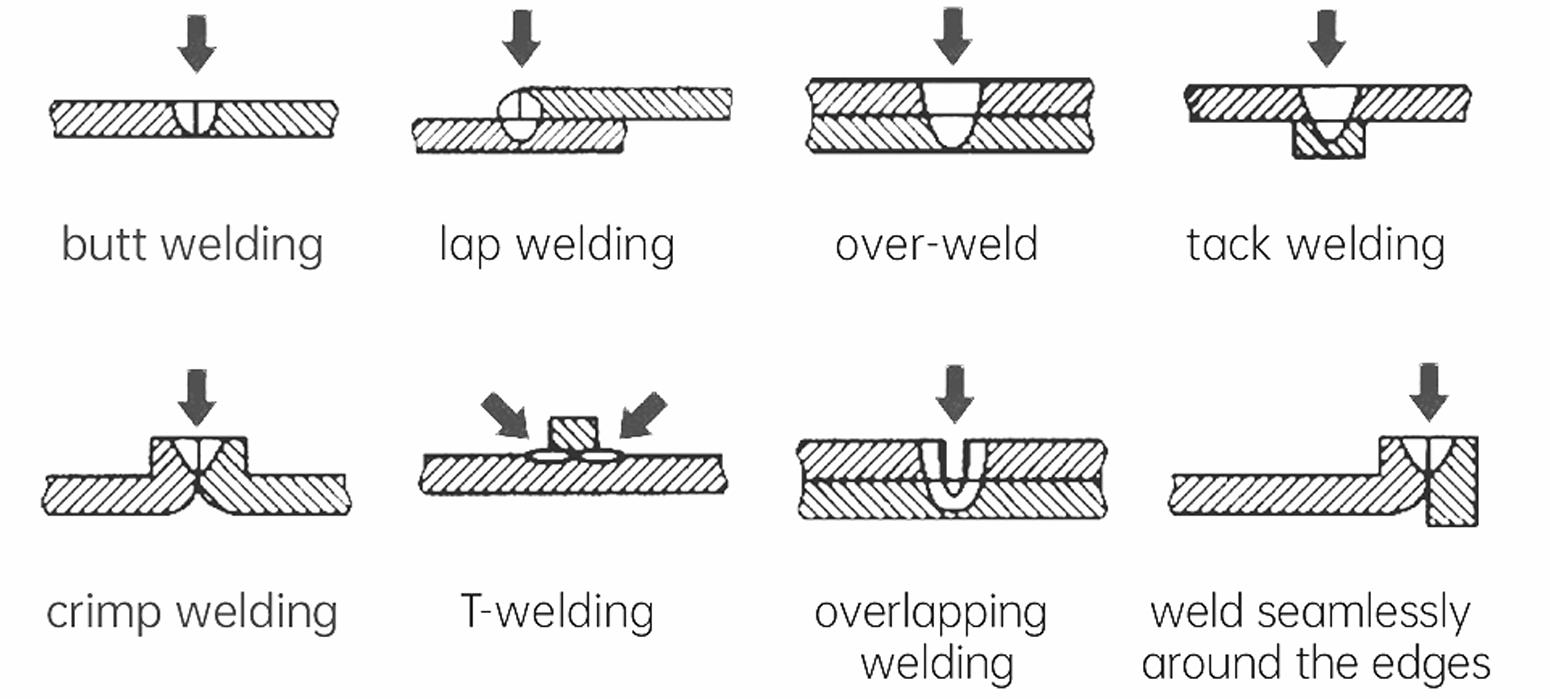
Enables flexible welding from different angles and positions, allowing operators to handle complex joints and hard-to-reach areas with greater control.
Easier Operation
Modern handheld laser welders require less specialized welding experience compared with traditional processes, making them easier to integrate into production environments.
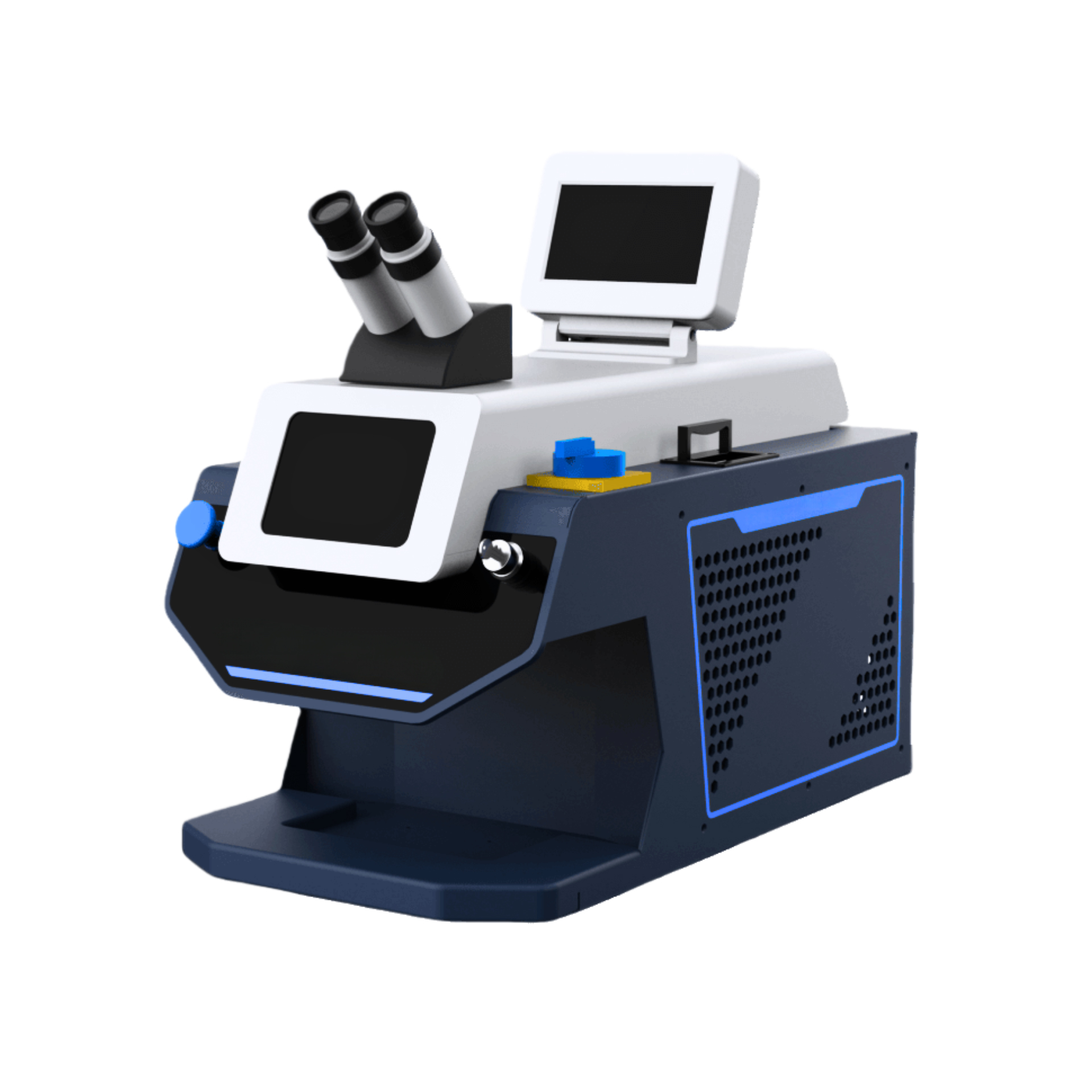
A jewelry laser welding machine is specifically designed for high-precision applications where accuracy and minimal thermal impact are critical.
Precision on Small Components
The laser beam can target specific areas without affecting nearby structures, making it suitable for complex jewelry designs.
Expanded Design Possibilities
Manufacturers can create more intricate jewelry structures that would be difficult or impossible with traditional welding techniques.
4-Axis Gantry Laser Welding Machine: Automated Solution for Production Manufacturing
A 4-axis gantry laser welding machine combines fiber laser technology with CNC-controlled movement, enabling repeatable welding operations across multiple axes.
Consistent Weld Quality
Automation ensures every part follows the same programmed welding path, reducing variations caused by operator technique.
Improved Production Efficiency
For repetitive manufacturing tasks, automated laser welding reduces manual intervention and increases production capacity.
For applications that don’t fit a standard configuration—irregular part geometries, specialized fixturing requirements, integration with existing production lines—Mimowork offers engineered custom solutions. This typically involves application consultation, fixture design, and a system configured to the specific weld path and production rate requirements.
Fiber laser welding has found adoption across industries that previously relied on TIG or MIG welding:
Fiber laser welders are lower-maintenance than arc welding equipment, but they’re not maintenance-free.
Daily checks:
Weekly:
Monthly:
What to avoid: Never touch optical components with bare hands. Fingerprints on lenses cause localized heating that can permanently damage the optic.
A laser welding machine is used to join metal parts with a focused laser beam, creating strong, precise welds with minimal heat distortion. It is commonly used in automotive repair, metal fabrication, jewelry manufacturing, electronics, medical devices, and industrial production.
For most stainless steel and carbon steel applications, yes. For precision exotic alloys or very thick sections requiring deep penetration passes, TIG may still have a role. Many shops run both.
A handheld laser welding machine is designed for flexibility, repair work, and small-to-medium production where operators need mobility.
An automated laser welding machine uses CNC-controlled movement to provide consistent weld quality for high-volume manufacturing and repeatable production tasks.
The cost of a laser welding machine depends on factors such as laser power, automation level, configuration, and application requirements.
Handheld laser welders are generally more affordable for repair and fabrication work, while automated laser welding systems require a higher investment due to CNC control, integration capability, and production features.
Modern handheld laser welding machines are designed to be easier to operate than many traditional welding processes. Operators can usually become familiar with basic operation quickly, although proper training is still required for optimizing welding parameters and ensuring safety.
The right laser power depends on your material type, thickness, welding speed, and production requirements.
| Laser Power | Best For | Typical Applications |
| 1000W | Thin sheet metal and light fabrication | Stainless steel cabinets, small parts, repair work |
| 1500W | Flexible workshop applications | Stainless steel, aluminum, and general fabrication |
| 2000W | Medium-duty production | Thicker metal parts and higher welding speeds |
| 3000W+ | Heavy fabrication | Large components and industrial production |
Not sure which laser power fits your welding requirements?
Compare Mimowork fiber laser welder models by laser power, material compatibility, and application requirements.
Send us your material type, thickness, and production needs. Our engineers can help recommend the right fiber laser welding configuration for your application.
News | Aug-6-2026
News | Jun-30-2026