Blog
In a field that evolves daily, staying ahead means staying informed.
Explore in-depth articles designed to help you solve complex challenges,
maximize your machine’s ROI.
Stay ahead in a competitive market.


In a field that evolves daily, staying ahead means staying informed.
Explore in-depth articles designed to help you solve complex challenges,
maximize your machine’s ROI.
Stay ahead in a competitive market.
News | Aug-27-2026
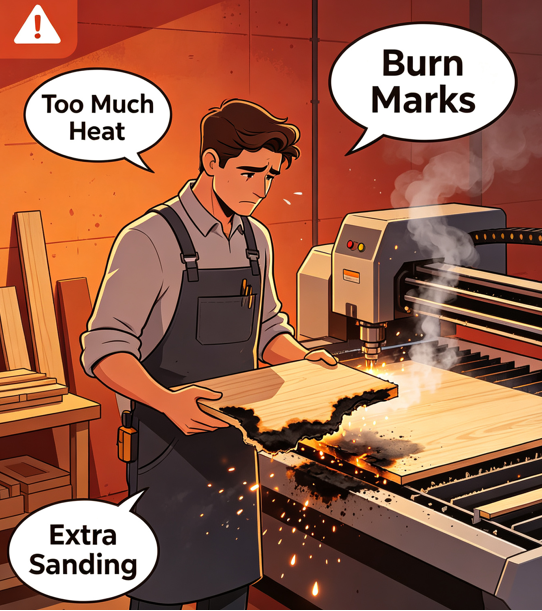
You bought a laser cutter because you wanted clean edges, detailed designs, and faster production.
But after every cut, you see the same problem:
Dark burn marks.
Blackened edges.
Smoke stains on the surface.
Extra sanding before the product is ready.
Meanwhile, other workshops are producing smooth wooden signs, furniture parts, and customized products with clean golden edges.
So what is the difference?
In most cases, the problem is not the wood itself. It is the way the laser system handles heat.
Wood is a natural material. Different types of wood react differently to laser energy. A small change in power, speed, airflow, or exhaust performance can determine whether you achieve a professional finish or end up with burned material.That is why choosing the right wood laser machines matters. A professional system is not simply about having a stronger laser. It is about controlling heat, managing smoke, and delivering consistent results every time.
Many beginners assume that burning happens because the laser power is too weak.
Actually, the opposite is often true.
Most wood cutting problems come from excessive heat staying on the material for too long.
Understanding these problems is the first step toward cleaner cuts.
Laser power determines how much energy is delivered to the wood surface.
Too little power means the laser cannot cut through the material.
Too much power creates another problem:
The laser removes more material than necessary and transfers excess heat into the surrounding area.
The result?
Different materials require different settings.
For example, thin plywood may need a completely different setup compared with hardwood, MDF, or acrylic-coated wood.
A professional wood laser cutter allows operators to adjust power levels more precisely, helping balance cutting depth and edge quality.
The goal is the right amount of power for the job.
Speed is another factor that directly affects wood quality.
When the laser moves too slowly, the same area receives heat for a longer period.
This creates:
For businesses producing wooden signs, decorations, or custom products, slow cutting creates another hidden cost:
More time spent cleaning, sanding, and repairing finished parts.
A faster laser wood cutting machine reduces unnecessary heat exposure while improving workflow efficiency.
This is especially important when moving from hobby projects to commercial production.
A machine that cuts one perfect piece is useful.
A machine that cuts hundreds of consistent pieces is what businesses need.
Many wood cutting issues are not caused by the laser itself.
They are caused by what happens around the cutting area.
During laser processing, wood releases smoke, resin, and fine particles.
Without effective airflow:
A reliable air assist system pushes away smoke and helps maintain a cleaner cutting process.
Meanwhile, an efficient exhaust system removes fumes quickly, improving both cutting quality and the working environment.
This is why professional wood laser machines are designed as complete systems, not just laser sources.
The laser creates the cut.
The airflow system protects the result.
A good wood laser system is built around one idea:
Control heat before it becomes a problem.
Instead of simply increasing laser power, professional machines focus on precision, speed, and stability.
Not all wood behaves the same.
A craft maker working with thin plywood has different needs from a manufacturer cutting thick hardwood panels.
Professional wood laser machines allow users to adjust:
This flexibility makes the machine suitable for different applications.
For example:
A small business creating personalized wooden gifts may prioritize detail and clean engraving.
A furniture manufacturer may focus more on cutting depth and production efficiency.
The right machine adapts to the material instead of forcing every project into one setting.
Speed is not only about saving time.
It also affects product quality.
When a laser completes a cut faster, heat has less time to spread into surrounding areas.
This helps achieve:
For businesses handling repeated orders, this difference becomes significant.
A few seconds saved on one piece may become hours saved across hundreds of products.
That is why many manufacturers choose a dedicated laser cutter for thick wood sheets instead of relying on general-purpose machines.
During wood cutting, smoke is unavoidable.
The question is how efficiently the machine manages it.
A professional air assist system helps:
Combined with proper exhaust ventilation, it creates a cleaner production environment.
This matters especially for businesses working indoors or producing customer-facing products where surface quality directly affects selling price.
Many machines can technically cut wood.
But not every machine is designed for serious wood production.
The difference appears when you use the machine every day.
For most wood cutting applications, CO2 laser technology remains one of the most popular choices.
Compared with entry-level machines, professional CO2 systems provide better control over:
For users who want to turn woodworking into a business, this reliability matters more than simply buying the cheapest machine available.
Small desktop machines are useful for small projects.
But production needs change quickly.
A customer may start with small wooden ornaments and later move into:
A larger working area reduces the need to cut materials into smaller sections.
This improves efficiency and reduces material waste.
For growing workshops, upgrading to larger wood laser machines often means fewer production limitations.
A laser machine may perform well during the first few projects.
The real test is months or years later.
Professional machines focus on:
This is important because businesses cannot afford unpredictable results.
One imperfect piece may only waste material.
Hundreds of imperfect pieces can damage delivery schedules and customer satisfaction.
Buying a laser machine is not only about choosing the highest wattage or the biggest working area.
The better question is:
What kind of wood products do you want to make, and how much production do you expect in the future?
A machine that works perfectly for a hobby project may become a limitation once orders increase.
Before choosing wood laser machines, consider your materials, production volume, and growth plans.
If you are starting a small business, running an online shop, or creating personalized products, a desktop laser cutter may be the right starting point.
These machines are suitable for:
For makers who produce customized items with different designs every day, flexibility is often more important than maximum cutting speed.
A compact wood laser cutter gives you the ability to test new product ideas without requiring a large production space.
It is a practical choice for:
However, if your order volume grows quickly, you may eventually need a larger system with faster processing speed and a bigger working area.
Many businesses reach a point where desktop machines cannot keep up.
Orders increase.
Materials become larger.
Customers expect faster delivery.
This is where medium-size laser cutters become valuable.
They are commonly used for:
A medium-format laser wood cutting machine provides a better balance between production capacity and investment.
It gives businesses room to grow without immediately moving into large industrial equipment.
For companies already receiving regular orders, this type of machine often delivers the best return on investment.
When wood processing becomes a core part of your business, production requirements change.
You need:
Industrial-level wood laser machines are designed for manufacturers handling larger workloads.
They are suitable for:
At this stage, the machine is no longer just a tool.
It becomes part of your production line.
One reason wood laser cutting is popular is its flexibility.
A single machine can handle many different product categories, allowing businesses to test markets and expand product lines.
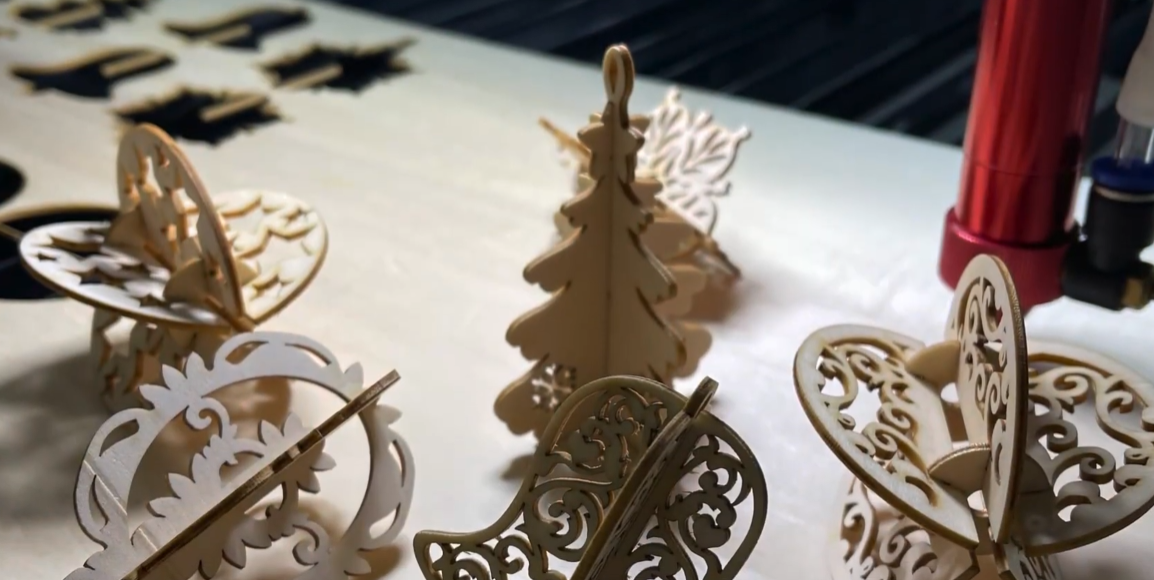
Custom wooden products remain one of the most common laser applications.
A laser machine allows businesses to create:
The advantage is customization.
Customers are often willing to pay more for unique products rather than mass-produced items.
A reliable wood laser cutter helps businesses produce detailed designs while maintaining professional quality.
Laser cutting is also becoming popular in interior design and furniture manufacturing.
Applications include:
Compared with traditional cutting methods, laser processing provides cleaner details and makes complex designs easier to produce.
For designers and manufacturers creating customized interiors, laser technology offers more creative freedom.
Wood laser cutting is not limited to consumer products.
Many businesses use laser systems for:
For companies that need accurate repeat production, a professional laser cutter for thick wood sheets can improve efficiency and reduce manual processing.
Different businesses need different machines.
The right choice depends on what you make, how much you produce, and where you want your business to go.
| Model | Working Area | Best For |
| F60 | 600 × 400 mm | Custom products, small projects |
| F130 | 1300 × 900 mm | Growing production needs |
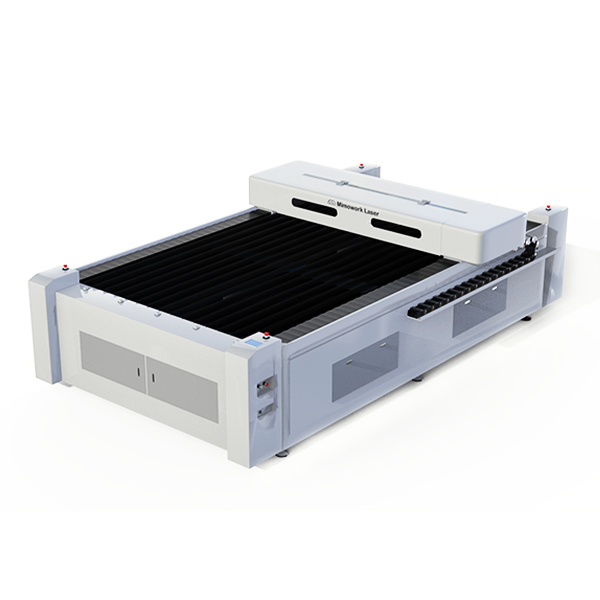
| F130-L | 1300 × 2500mm | Large wood sheets and industrial projects |
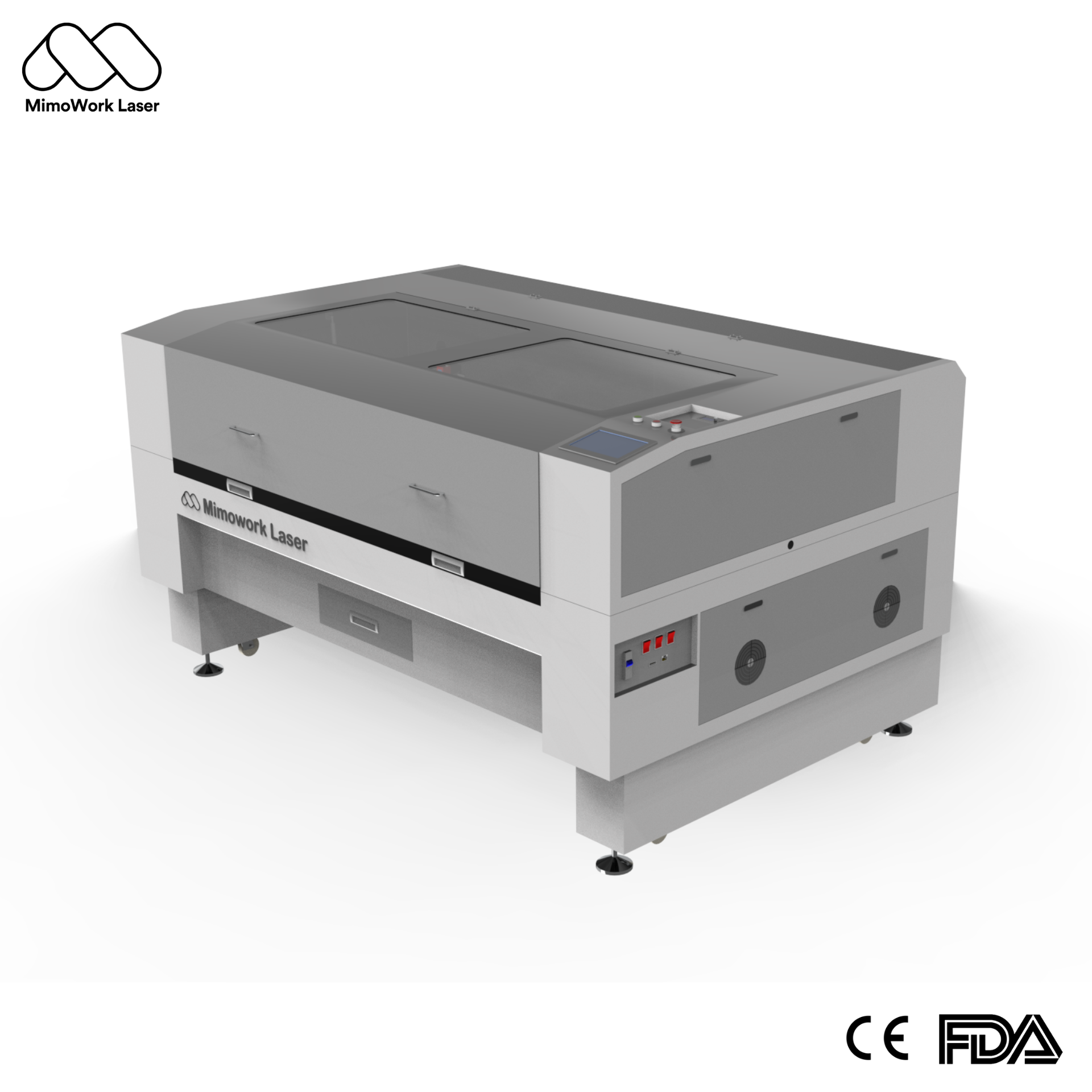
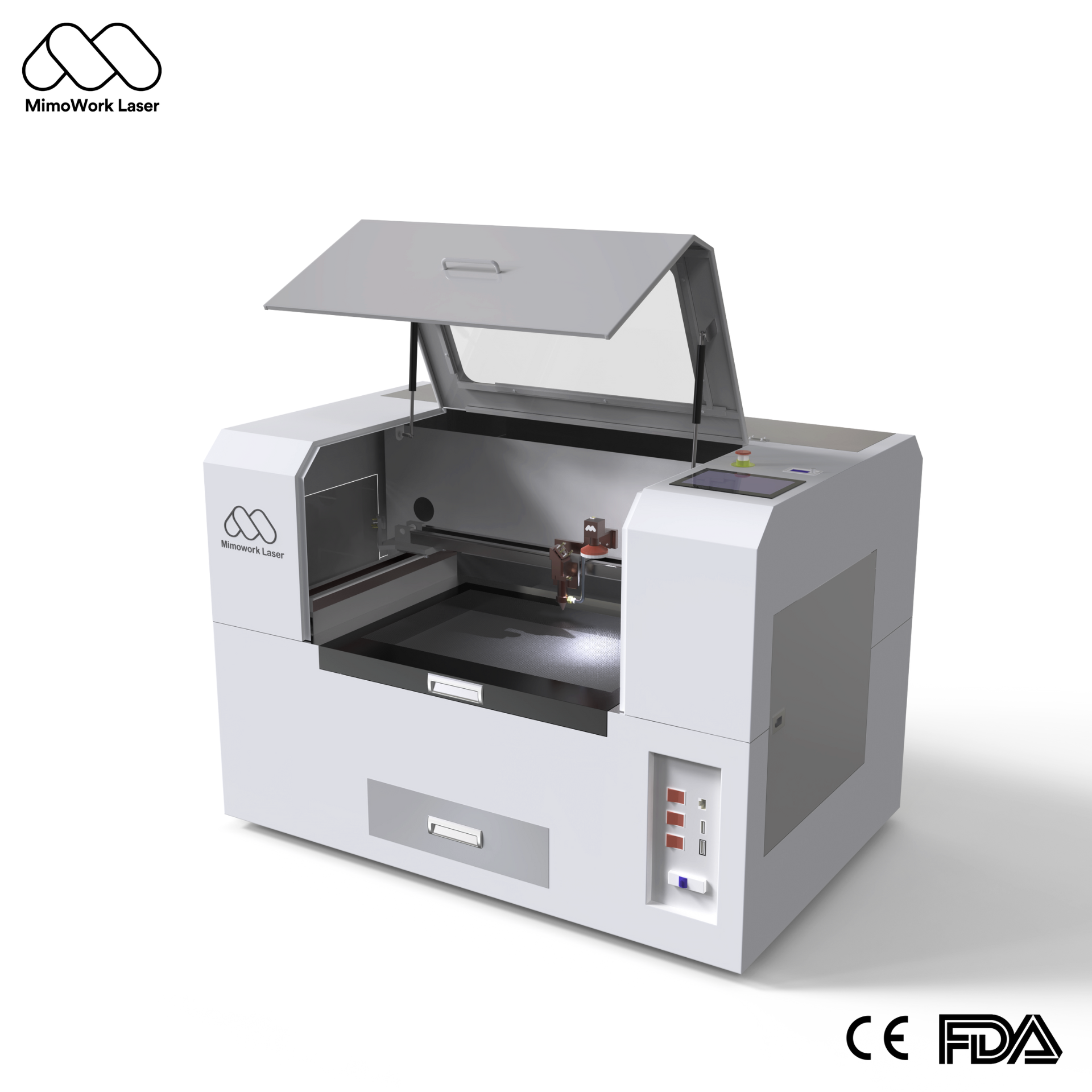
The F60 Desktop Laser Cutter is designed for users who need a compact but capable solution.
It is a good fit for:
If your business focuses on personalized orders rather than mass production, F60 provides the flexibility needed to explore different products.
It is especially suitable for users who want to move beyond hobby tools but do not need industrial-scale equipment yet.
The F130 Laser Cutter is a better choice for businesses that are already producing regular orders.
It fits users who need:
Typical buyers include:
If your current machine is slowing down your workflow, F130 offers more room for expansion.
It is a practical upgrade for businesses moving from occasional production to professional manufacturing.
The F130-L Large Format Laser Cutter is designed for users working with larger materials and higher production requirements.
It is suitable for:
If your biggest limitation is working area, a large-format system can reduce material handling and improve production efficiency.
For manufacturers searching for the best laser machine for cutting wood, choosing the correct size often matters as much as choosing laser power.
| Buying Factor | Why It Matters |
| Wood Thickness | Determines required laser power |
| Working Area | Affects production flexibility |
| Production Volume | Determines machine size |
| Material Types | Impacts cutting settings |
| Future Growth | Prevents early equipment upgrades |
A laser machine is a long-term investment.
Before making a decision, ask yourself these questions.
Material thickness directly affects your machine requirements.
Thin plywood, MDF, and veneer require different settings from thick hardwood.
Consider:
Buying a machine only for today’s projects may create limitations later.
Before choosing a machine, consider what matters most for your workflow. The right wood laser machines should match your products, materials, and production requirements instead of simply offering the highest power or fastest speed.
Many businesses begin with handmade production because it offers flexibility and low startup costs.
However, as orders increase, manual cutting can become a bottleneck. Production takes longer, material waste increases, and maintaining consistent quality becomes more difficult.
This is often when investing in wood laser machines makes sense. A laser system does not replace creativity—it helps automate repetitive tasks, improve production efficiency, and give you more time to focus on product development, customer orders, and business growth.
Wood burning usually happens because of excessive heat.
Common causes include:
Adjusting power and speed, improving air assist, and using a properly designed wood laser cutter can significantly reduce burn marks.
Yes.
A CO2 laser cutter for wood can process many types of wood, including plywood, MDF, bamboo, veneer, and some solid woods.
However, cutting performance depends on:
Testing different settings is important for achieving the best edge quality.
To achieve cleaner edges:
A professional laser system reduces the amount of post-processing needed after cutting.
Our laser experts can help you compare options based on your wood types, product requirements, and production volume.
Contact MimoWork today for a free consultation and discover the right wood laser cutting solution for your business. Let’s turn your ideas into high-quality wooden products with cleaner cuts and smarter production.
News | Aug-7-2026
News | Jul-31-2026