Blog
In a field that evolves daily, staying ahead means staying informed.
Explore in-depth articles designed to help you solve complex challenges,
maximize your machine’s ROI.
Stay ahead in a competitive market.


In a field that evolves daily, staying ahead means staying informed.
Explore in-depth articles designed to help you solve complex challenges,
maximize your machine’s ROI.
Stay ahead in a competitive market.
News | Aug-27-2026
Every time your laser cutter starts working, smoke is being created.
You may notice the visible fumes rising from the cutting area, but the real concern is what you cannot see. Laser processing can release fine particles, dust, odors, and chemical fumes depending on the material being cut or engraved.
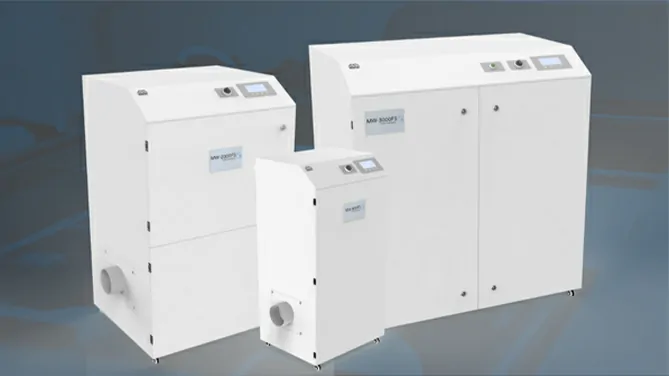
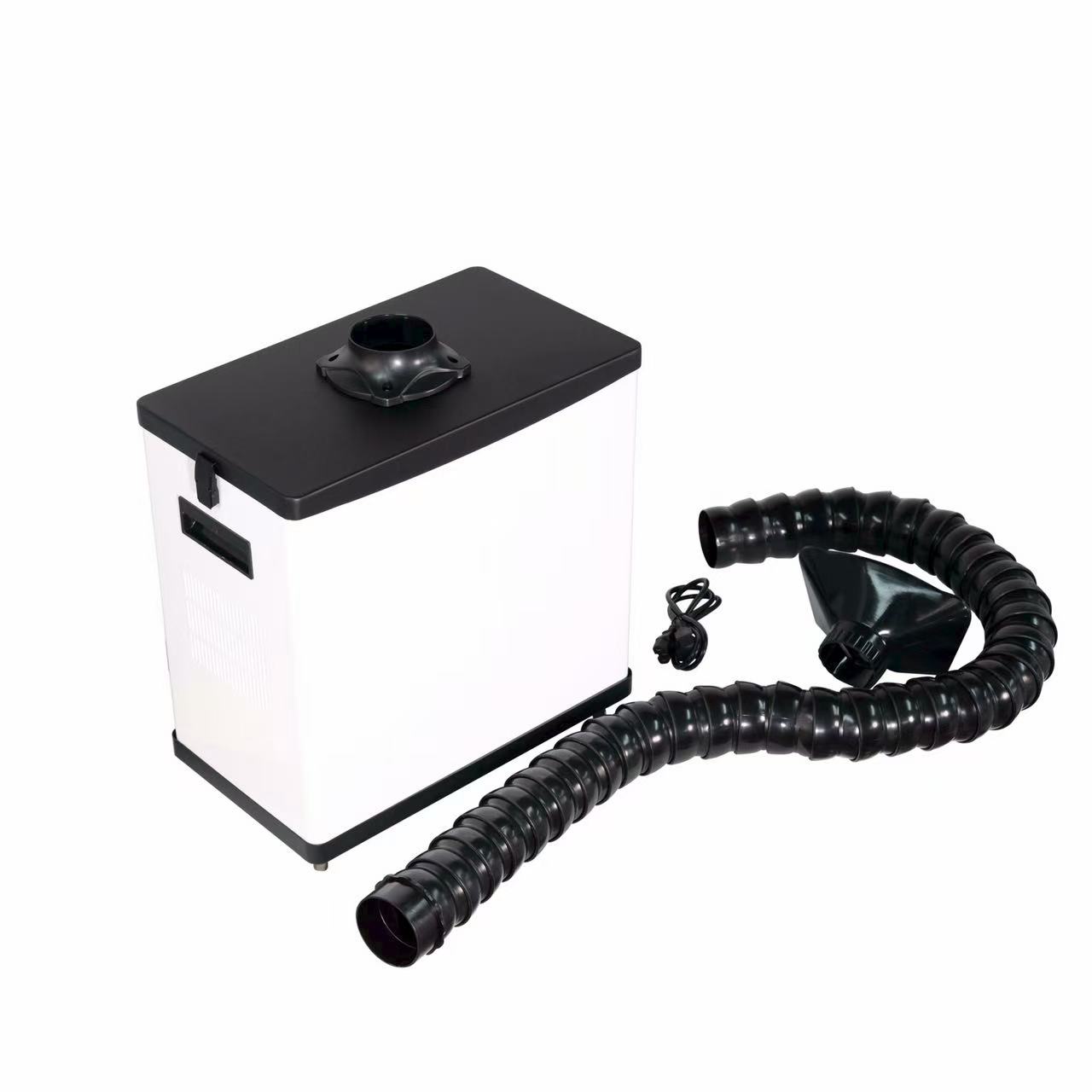
A professional laser fume extractor captures smoke and airborne particles at the source, filters contaminants through multiple stages, and helps maintain cleaner air during laser cutting, engraving, marking, and welding processes.
Whether you operate a CO₂ laser cutter, fiber laser system, or laser engraving machine, choosing the right extraction solution is an important part of building a complete laser processing setup.
A laser fume extractor is a filtration system designed to remove smoke, dust, fine particles, and gases generated during laser processing.
Unlike traditional exhaust fans that simply move contaminated air away, a dedicated extraction system works closer to the pollution source. It captures fumes before they spread throughout the workspace and passes them through specialized filters.
A complete laser fume extraction system usually includes:
For professional laser applications, extraction is not only about removing visible smoke. It is about controlling the invisible particles created during processing.
Laser machines create precise cuts by concentrating high-energy laser beams onto material surfaces. During this process, materials are melted, vaporized, or burned.
The type and amount of smoke generated depend on:
Different materials create different challenges.
Wondering if laser cutting plastic is safe and viable for your shop?
CO₂ lasers are commonly used for cutting and engraving materials such as:
These materials can generate smoke, fine dust, and odors during processing.
Fiber laser cutting and marking applications may produce fine metal particles and require filtration systems designed for industrial environments.
Laser welding creates high-temperature fumes that require specialized extraction solutions designed for welding processes.
Because every application produces different types of contaminants, selecting a suitable laser cutter fume extractor is important for maintaining effective smoke removal.
Laser smoke is a complex mixture of airborne particles and gases.
Depending on the material being processed, it may include:
Small airborne particles can remain suspended in the workspace and may settle on machine components, work surfaces, and finished products.
Visible smoke can create:
Certain materials may release VOCs or other chemical compounds when exposed to laser heat.
This is why simply opening a window or using general workshop ventilation may not provide the same level of source capture as a dedicated extraction system.
A professional laser fume extraction system uses multiple filtration stages to handle different types of contaminants.
The pre-filter captures larger dust particles and protects the main filters from premature loading.
High-efficiency filters capture smaller airborne particles generated during laser cutting and engraving.
Activated carbon filters help reduce odors and absorb certain gases generated during material processing.
After filtration, cleaner air is returned to the workspace, supporting a more comfortable production environment.
A laser machine is designed to improve productivity and precision. A suitable extraction system helps ensure that the surrounding environment supports that performance.
Whether you operate a small engraving studio or an industrial production line, effective smoke management can improve daily workflow in several ways.
The primary purpose of a laser fume extractor is to capture airborne contaminants before they spread throughout the workspace.
During continuous laser cutting or engraving, operators may spend hours near the machine. Without proper extraction, smoke and particles can accumulate around the working area.
A source-capture extraction system helps reduce direct exposure by removing fumes close to where they are generated.
For businesses using laser equipment as part of daily production, investing in proper filtration is an important step toward creating a cleaner and more comfortable working environment.
Laser smoke does not disappear completely after the cutting process stops.
Fine particles and residue may settle on:
Over time, this buildup can increase cleaning requirements and affect the overall condition of the workspace.
A professional laser smoke extractor helps continuously remove airborne contaminants during operation, keeping the production area cleaner.
Smoke management is also related to production efficiency.
Excessive smoke inside a laser machine may:
By removing smoke effectively, an extraction system helps maintain more consistent operating conditions.
Choosing the right extraction system depends on your laser type, materials, production requirements, and working environment.
A small desktop engraver and a large industrial cutting system do not require the same extraction capacity.
The goal is not simply choosing the most powerful unit—it is choosing the system that matches your application.
Different laser technologies create different types of fumes.
CO₂ Laser Cutting and Engraving
CO₂ lasers are widely used for processing:
These applications usually require effective smoke removal and odor filtration.
For users searching for the best laser fume extractor for CO2 laser cutter, important factors include airflow capacity, filtration efficiency, and compatibility with the machine size.
Fiber Laser Processing
Fiber laser applications often involve:
These processes may generate fine metal particles, requiring extraction systems designed for industrial applications.
Laser Welding
Laser welding produces different smoke characteristics compared with cutting and engraving.
A welding-focused extraction solution should consider:
Airflow is one of the most important factors when selecting an extraction system.
A system with insufficient airflow may not capture smoke effectively, while an oversized system may increase unnecessary operating costs.
Important specifications include:
Extraction Capacity
MimoWork provides different extraction capacities depending on application requirements:
The correct airflow depends on:
Filtration Efficiency
High-quality filtration is essential for removing fine particles.
MimoWork fume extraction solutions can achieve:
99.97% filtration efficiency at 0.3 μm
This level of filtration helps capture fine airborne particles generated during laser cutting, engraving, and other processing applications.
A reliable extraction system should support long-term operation with manageable maintenance.
Before purchasing, consider:
A well-matched system can reduce unnecessary maintenance and help maintain stable production.
MimoWork offers different fume extraction solutions designed for laser cutting, engraving, marking, welding, and industrial processing applications.
The right model depends on your machine type and production requirements.
MimoWork Laser Fume Extractor Selection Guide
| Series | Main Application | Extraction Capacity | Filtration Performance | Recommended For |
| M-Series | Laser Marking | 390 m³/h | 99.97% @ 0.3 μm | Small workshops and marking systems |
| C-Series | CO₂ Laser Cutting & Engraving | Up to 5,000 m³/h | Wood, acrylic, leather, fabric processing | |
| F-Series | Fiber Laser Cutting | Up to 5,000 m³/h | Industrial metal processing | |
| W-Series | Laser Welding & Cleaning | 690 m³/h | Welding smoke extraction |
M-Series Fume Extractor: Compact Solution for Laser Marking
The M-Series is designed for applications that require compact smoke extraction in a smaller footprint.
Typical applications include:
With an extraction capacity of 390 m³/h, the M-Series provides a practical solution for users who need reliable filtration without a large installation space.
Choose the M-Series if your application involves:
The C-Series is developed for CO₂ laser cutting and engraving applications where smoke and odor control are important.
Suitable materials include:
With extraction capacity up to 5,000 m³/h, the C-Series is suitable for users requiring stronger airflow for continuous laser processing.
For businesses operating CO₂ laser systems, a dedicated laser engraving fume extractor can help maintain cleaner equipment conditions and improve workshop comfort.
Fiber laser cutting and marking applications often generate fine metal particles that require efficient filtration.
The F-Series is designed for industrial environments that need reliable smoke extraction during metal processing.
Key features include:
It is ideal for manufacturers working with:
For factories searching for an industrial laser fume extractor, airflow capacity, filtration performance, and continuous operation capability are important factors to consider.
Laser welding produces different types of fumes compared with cutting and engraving.
The W-Series is designed for welding applications that require localized smoke capture.
Key specifications:
It is suitable for:
High-temperature fume extraction
Laser welding
Industrial repair applications
Laser fume extraction systems are widely used in:
Suitable for processing:
Common applications include signage, custom products, and small-batch manufacturing.
CO₂ laser systems are commonly used for precise cutting and engraving in textile, garment, leather, and advertising industries.
A suitable laser engraving fume extractor helps remove smoke and odors generated during processing.
Fiber laser cutting, laser marking, and welding applications require extraction solutions designed for higher production demands.
The right system helps maintain cleaner equipment and more stable workflows.
Yes, a fume extractor is recommended for most laser cutting and engraving applications.
Laser processing can generate smoke, fine particles, and odors depending on the material being processed. A dedicated extraction system captures these contaminants near the source instead of simply moving air around the workspace.
A ventilation fan mainly moves air, while a laser fume extractor filters contaminants before clean air is returned to the workspace.
Fume extractors typically use multiple filtration stages, such as pre-filters, fine particle filters, and activated carbon filters, to handle smoke, particles, and odors generated during laser processing.
The right extractor depends on:
For example, CO₂ laser cutting applications usually focus on smoke and odor filtration, while fiber laser processing may require solutions designed for fine metal particles.
Filter replacement depends on:
Instead of following a fixed schedule, users should monitor airflow performance, filter indicators, and changes in extraction efficiency.
It depends on the machines and required airflow.
Multiple machines can sometimes share one extraction system, but the total airflow demand, duct design, and operating conditions must be considered before configuration.
The required size depends on:
For users looking for the best laser fume extractor for CO2 laser cutter, selecting a system based on actual production requirements is more important than simply choosing the highest airflow model.
Need help choosing the right fume extraction solution for your laser machine? Contact MimoWork’s laser experts to find the right airflow capacity, filtration system, and configuration for your application.
Explore MimoWork Laser Fume Extractors today and build a cleaner, safer, and more efficient laser processing environment.
News | Aug-14-2026
News | Jul-31-2026
News | Jul-24-2026