Blog
In a field that evolves daily, staying ahead means staying informed.
Explore in-depth articles designed to help you solve complex challenges,
maximize your machine’s ROI.
Stay ahead in a competitive market.


In a field that evolves daily, staying ahead means staying informed.
Explore in-depth articles designed to help you solve complex challenges,
maximize your machine’s ROI.
Stay ahead in a competitive market.
News | Sep-27-2026
CO2 laser autofocus automatically adjusts the focal position between the laser head and the workpiece, reducing the need for manual height adjustment before cutting. This can make a noticeable difference when a workshop processes different material thicknesses or runs repeated jobs.
But autofocus is not automatically necessary for every machine. If you mainly cut one material at a fixed thickness, manual focusing may be perfectly adequate. The real benefit appears when setup time and repeatability start affecting production.
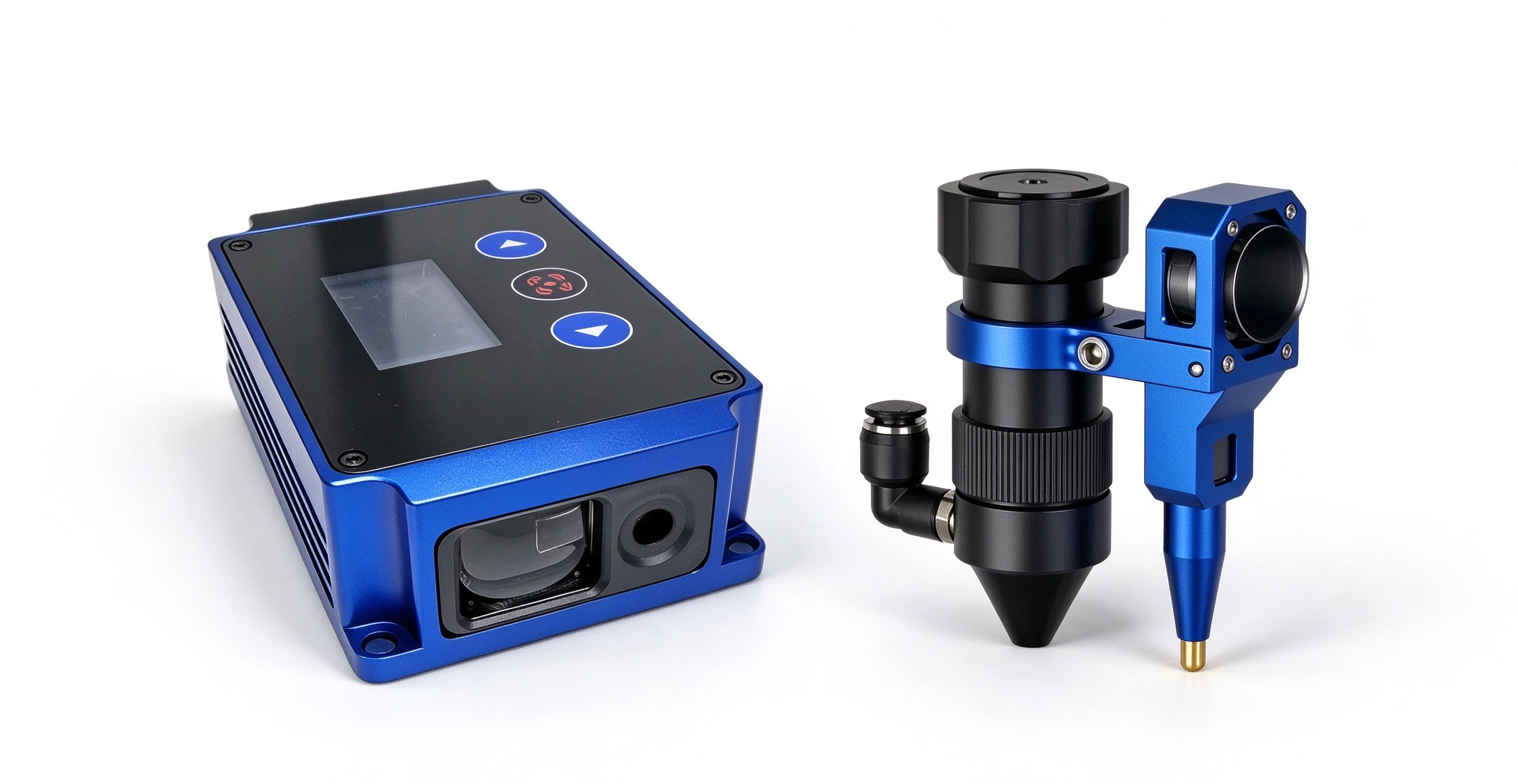
In simple terms, co2 laser autofocus is a focusing system that automatically establishes the correct distance between the focusing lens and the material surface.
Instead of asking the operator to measure the focus distance each time, the machine uses a sensor, preset position, or another focusing mechanism to determine the required Z-axis position.
If you’re wondering how does CO2 laser autofocus work, the exact method depends on the machine. Some systems detect the material surface directly, while others use programmed coordinates or a combination of sensing and mechanical positioning.
The objective is the same: place the focal point at the intended position before cutting begins.
Manual focusing is still a practical option for many users. The operator sets the material at the required height using a gauge, spacer, or preset distance.
The difference becomes more obvious when material thickness changes frequently.
| Focusing method | Manual focus | Autofocus |
| Operator adjustment | Required | Minimal |
| Thickness changes | Manual adjustment | Automatic adjustment |
| Setup time | Longer | Shorter |
| Operator dependence | Higher | Lower |
| Best suited to | Stable, occasional jobs | Repeated or mixed-material production |
Autofocus does not replace proper cutting parameters. Power, speed, lens selection, air assist, material type, and material condition still influence the final result.
The main advantage is less setup work and more consistent focusing, rather than a fundamental change in how the laser cuts.
Particularly when operators switch between different materials or thicknesses.
On a busy production floor, manually checking and adjusting focus may only take a short time per job. But when the same process is repeated dozens of times, those small steps add up.
A CO2 laser autofocus machine can make focusing part of the machine’s setup routine, allowing the operator to spend less time measuring and more time loading, unloading, and monitoring production.
For occasional users, however, the time savings may not justify paying more for the feature.
Yes, within the machine’s designed focusing range.
A CO2 laser autofocus for different material thicknesses can automatically adjust the focal position when switching between, for example, thin acrylic and thicker plywood.
That is useful for workshops where material thickness changes throughout the day. It also reduces the chance of an operator forgetting to reset the focus after changing materials.
Keep in mind that a new thickness may still require a different combination of power and speed. Autofocus handles focal positioning; it does not automatically optimize the entire cutting recipe.
It can reduce one source of variation.
When several operators use the same CO2 laser cutting machine, manual focusing introduces another step that may be performed slightly differently from person to person. An automated focus routine makes that part of the setup more repeatable.
It does not guarantee identical results. Laser power stability, material flatness, mechanical accuracy, optics, ventilation, and cutting settings all remain important.
There is no single autofocus system for every application. The appropriate setup depends on the material and production workflow.
For most flat-sheet applications, standard autofocus is usually sufficient.
The machine establishes the focal position before cutting begins. This works well for materials such as acrylic, plywood, MDF, leather, cardboard, and other relatively flat sheets.
If your production consists mainly of standard sheet materials, there may be little practical reason to choose a more complicated focusing system.
Dynamic autofocus can adjust the focus position during processing rather than establishing it only at the beginning.
That becomes more relevant when the surface height changes, when processing contoured workpieces, or when specialized applications require focus control across different Z positions.
For ordinary flat-sheet cutting, however, dynamic focusing can be unnecessary. A standard autofocus system may provide everything the workflow actually needs.
Look at the workpiece first, not the feature list.
The most advanced focusing system is not necessarily the most useful one. It should solve a problem that actually exists in your production process.
CO2 lasers are widely used for non-metallic materials, and autofocus can be useful when these materials vary in thickness or require frequent setup changes.
Plywood, MDF, solid wood, and acrylic are common CO2 laser materials.
Acrylic sheets, for example, may be supplied in several thicknesses depending on the application. Autofocus can make switching between those thicknesses easier because the operator does not need to manually reset the focus each time.
For thick materials, though, laser power and cutting parameters still need to be matched to the material.
Fabric and leather can also be processed with CO2 lasers, depending on the specific material.
Here, autofocus is only part of the equation. Flexible materials can wrinkle, shift, or sit unevenly on the worktable. Material handling and a suitable cutting bed are equally important.
Paper, cardboard, selected plastics, rubber, and other non-metallic materials are commonly processed with CO2 lasers. However, material compatibility and fume safety should always be checked before cutting.
Autofocus only controls the focal position. It does not make an otherwise unsuitable material safe to process.
Autofocus should be evaluated alongside the rest of the machine configuration.
Start with the size of your actual workpieces.
If you routinely process large acrylic or plywood sheets, a larger working area can have a greater effect on productivity than autofocus alone. Pass-through designs, conveyor systems, and appropriate bed configurations may also matter depending on the workflow.
A machine with autofocus but an undersized working area may still create unnecessary handling and repositioning.
Autofocus cannot compensate for insufficient laser power.
For thicker acrylic, plywood, or MDF, compare power, optics, cutting speed, and actual sample results together. A higher-power machine may be more useful than investing in additional focusing functions if cutting capacity is the main bottleneck.
Three questions can quickly clarify whether it is worth considering:
How often do you change material thickness?
How many jobs do you process each day?
How much time do operators spend setting focus?
If the answers are mostly “rarely,” manual focusing may be enough.
If operators constantly move between materials and thicknesses, laser cutting autofocus can remove a repetitive step and make setup easier to standardize.
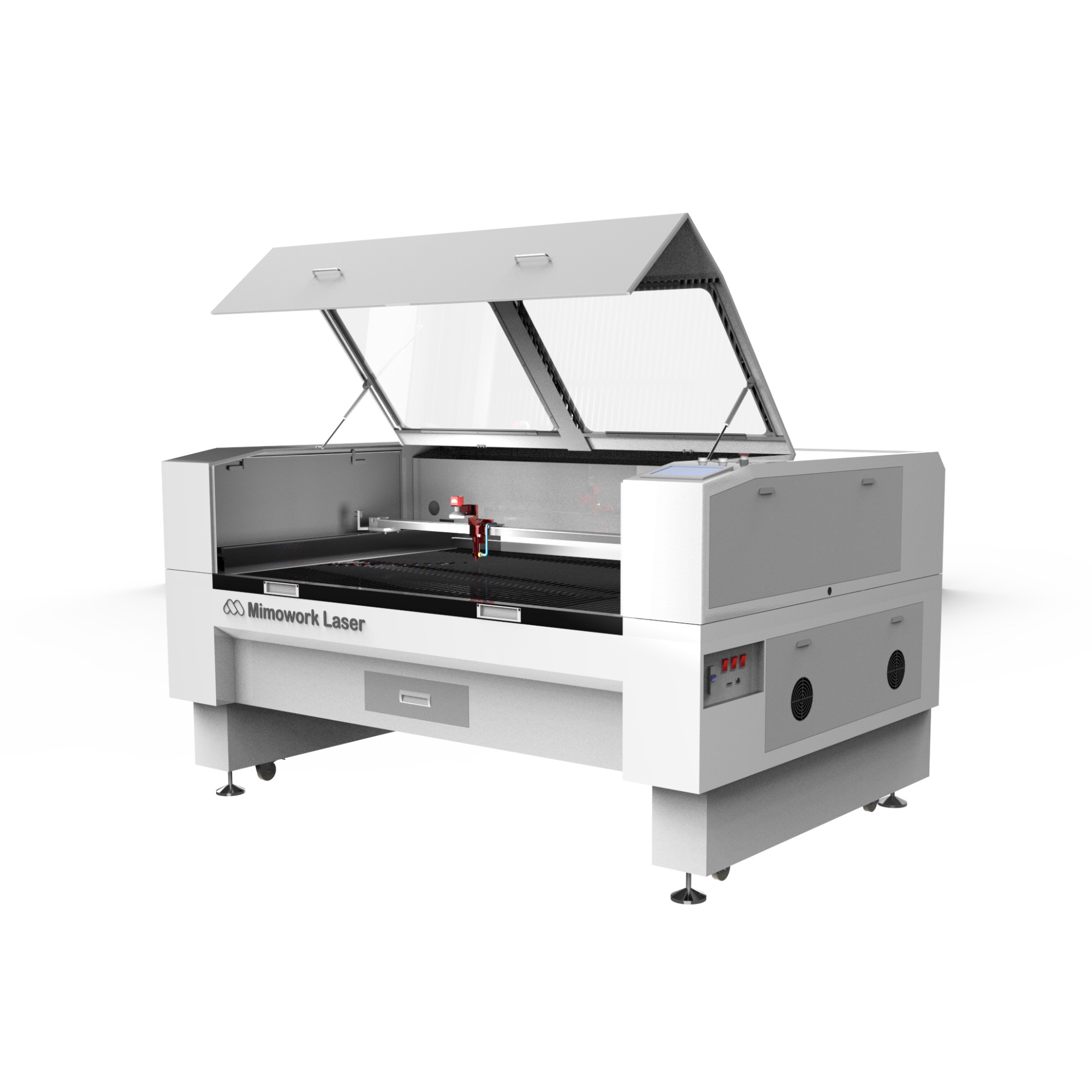
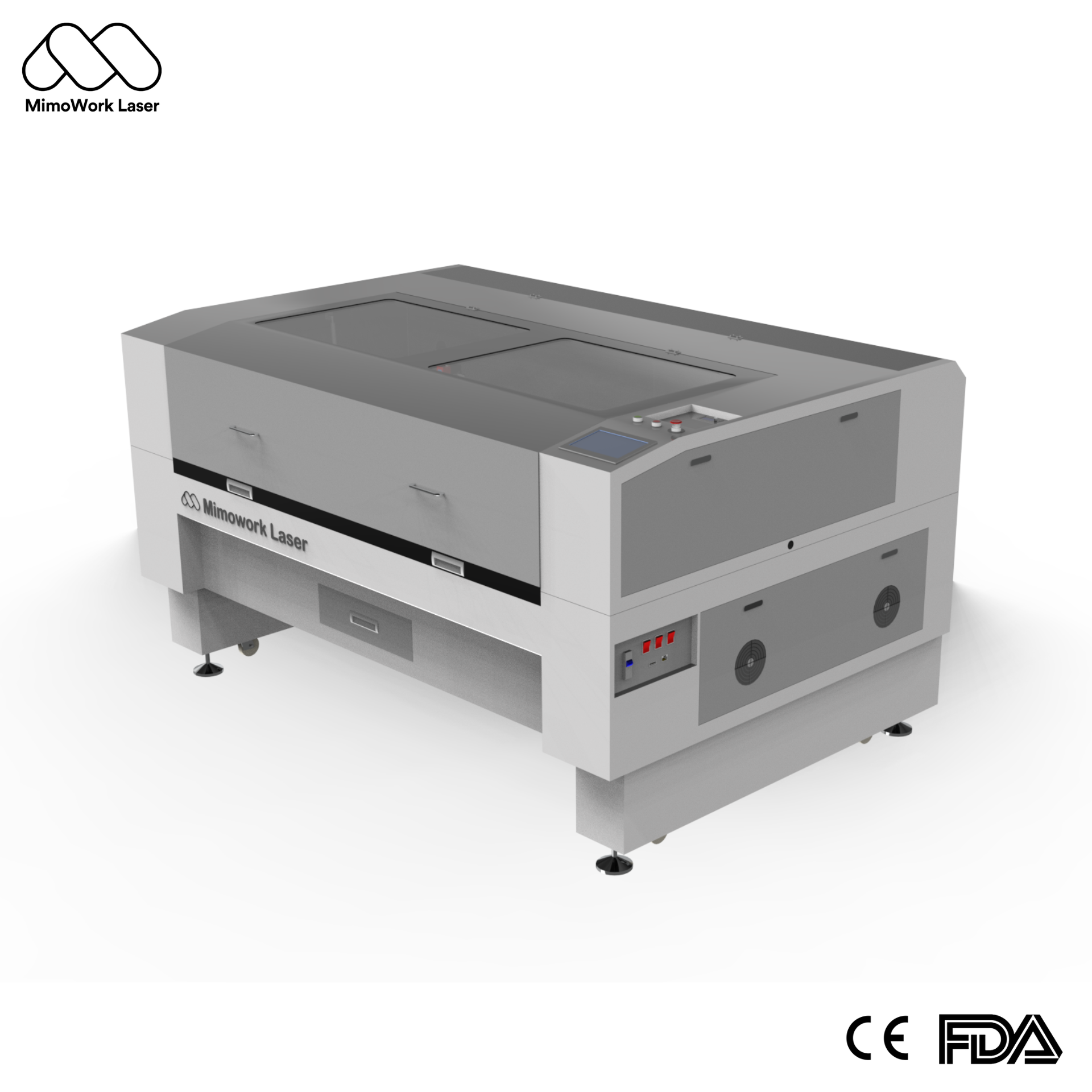
The MimoWork F130 also shows why autofocus should be evaluated as part of the complete machine configuration rather than as an isolated feature. Its 1300 × 900 mm working area provides a useful balance for users who need more workspace than a compact desktop cutter without immediately moving to a large-format system.
When comparing an automatic focus laser cutter, check:
For production environments with frequent material changes, autofocus can be a worthwhile productivity feature. Its biggest advantage is usually not dramatically better laser performance, but faster setup and more repeatable focusing.
For occasional cutting with a fixed material thickness, the difference is less significant.
The best way to make the decision is to test your own materials. Compare setup time, focus consistency, cutting quality, and operator workload rather than judging autofocus from specifications alone.
No. Manual focusing can work well for low-volume jobs where material type and thickness remain consistent.
Accuracy depends on the sensor, mechanical structure, calibration, lens, and overall machine design. Actual workpiece testing provides a more useful indication than a single advertised accuracy figure.
Yes, provided the thickness falls within the machine’s autofocus range. Different materials and thicknesses may still require separate power and speed settings.
Standard autofocus generally establishes the focal position before cutting. Dynamic autofocus can adjust focus during processing and is more useful for changing surface heights or specialized applications.
CO2 laser autofocus is most useful when focusing has become a repeated production task rather than a one-time setup.
For workshops processing different material thicknesses, running batches, or trying to reduce operator intervention, automatic focusing can simplify setup and improve repeatability. For occasional work with fixed materials, manual focusing may still be sufficient.
When comparing machines, look beyond autofocus alone. Consider the working area, laser power, optics, material handling, software, and actual cutting requirements together.
If you are evaluating a CO2 laser for production, test your actual acrylic, wood, MDF, leather, or other materials before making the final configuration decision. Send MimoWork your material type, thickness, sheet size, and cutting file to test the application and determine which focusing and machine configuration fits the workflow.