Blog
In a field that evolves daily, staying ahead means staying informed.
Explore in-depth articles designed to help you solve complex challenges,
maximize your machine’s ROI.
Stay ahead in a competitive market.


In a field that evolves daily, staying ahead means staying informed.
Explore in-depth articles designed to help you solve complex challenges,
maximize your machine’s ROI.
Stay ahead in a competitive market.
News | Apr-7-2026
Laser processing transforms materials with unmatched precision, but whether you are slicing through acrylic or etching intricate details on wood, the process inherently generates hazardous byproducts. For anyone operating a CO2 laser machine, managing laser cutting fumes, thick smoke, and fine particulates is not optional—it is a critical component of professional, safe operation.
An effective fume extraction system directly tackles these heavy emissions, safeguarding three core areas: operator health, equipment longevity, and product quality. Without proper ventilation, shops risk exposing personnel to harmful airborne chemical compounds and allowing sticky residue to redeposit onto workpieces, causing permanent staining and costly rework.
To properly manage air quality, we must first understand what happens when a high-temperature laser beam interacts with organic and synthetic materials. “Laser cutting” is fundamentally a thermal vaporization process. The material isn’t just cut; it is boiled and turned into a mixture of gases and ultra-fine particulates.
Depending on your substrate, the composition of laser cutting fumes changes drastically, and each presents unique hazards:
| Material Type | Typical Byproducts & Hazards | Impact on Equipment & Workpiece |
| Acrylic (PMMA) | Volatile Organic Compounds (VOCs), Methyl Methacrylate (MMA). Extremely pungent, sweet odor. | Generates heavy, sticky vapors that condense on cold surfaces, fogging the laser lens. |
| Wood & MDF | Carbon monoxide, formaldehyde, wood dust, and sticky resins/tars. | Produces dense carbon soot and wood tar that causes dark, unremovable burn stains on workpieces. |
| Leather & Fabrics | Hydrogen cyanide, ammonia, and heavy organic smoke with a severe burnt odor. | Releases oily residues that coat linear guides and mechanical bearings, increasing wear and tear. |
| Plastics (ABS/PET) | Highly toxic gases, styrene, and fine chemical dusts. (Note: PVC should never be laser-cut as it releases deadly chlorine gas). | Corrosive chemical dust can pit metals and destroy sensitive internal electronic circuitry over time. |
Without a high-performance extractor, these laser cutting fumes linger in the ambient air, presenting long-term respiratory risks to operators and leading to rapid degradation of your laser machine’s precise optical components.
Not all laser setups share the same exhaust volume requirements. Laser cutting fumes are typically denser and more high-volume than engraving smoke because the laser torch vaporizes material all the way through, rather than just etching the surface.
To address these varying demands, Mimowork provides targeted filtration solutions engineered for real-world production scales:
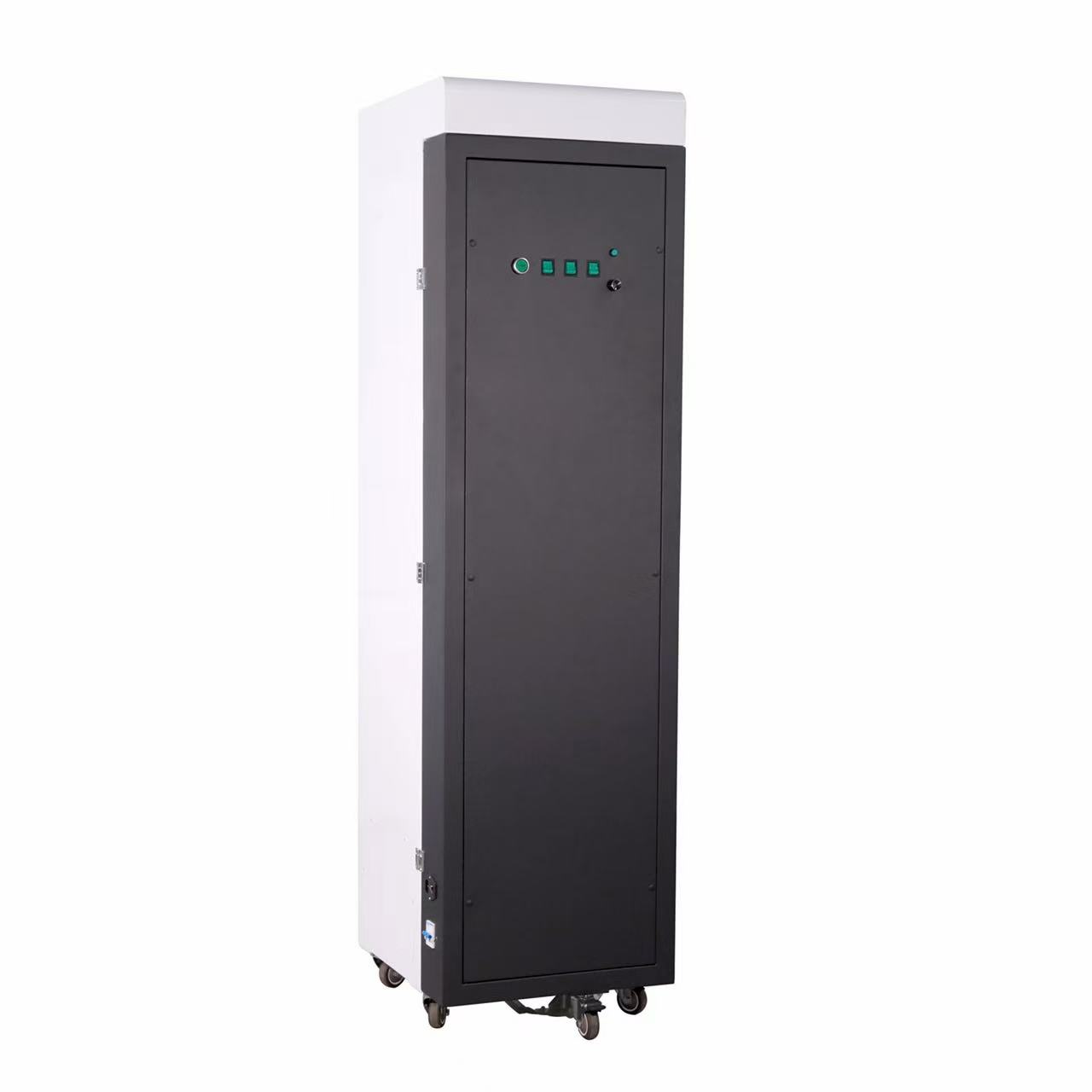
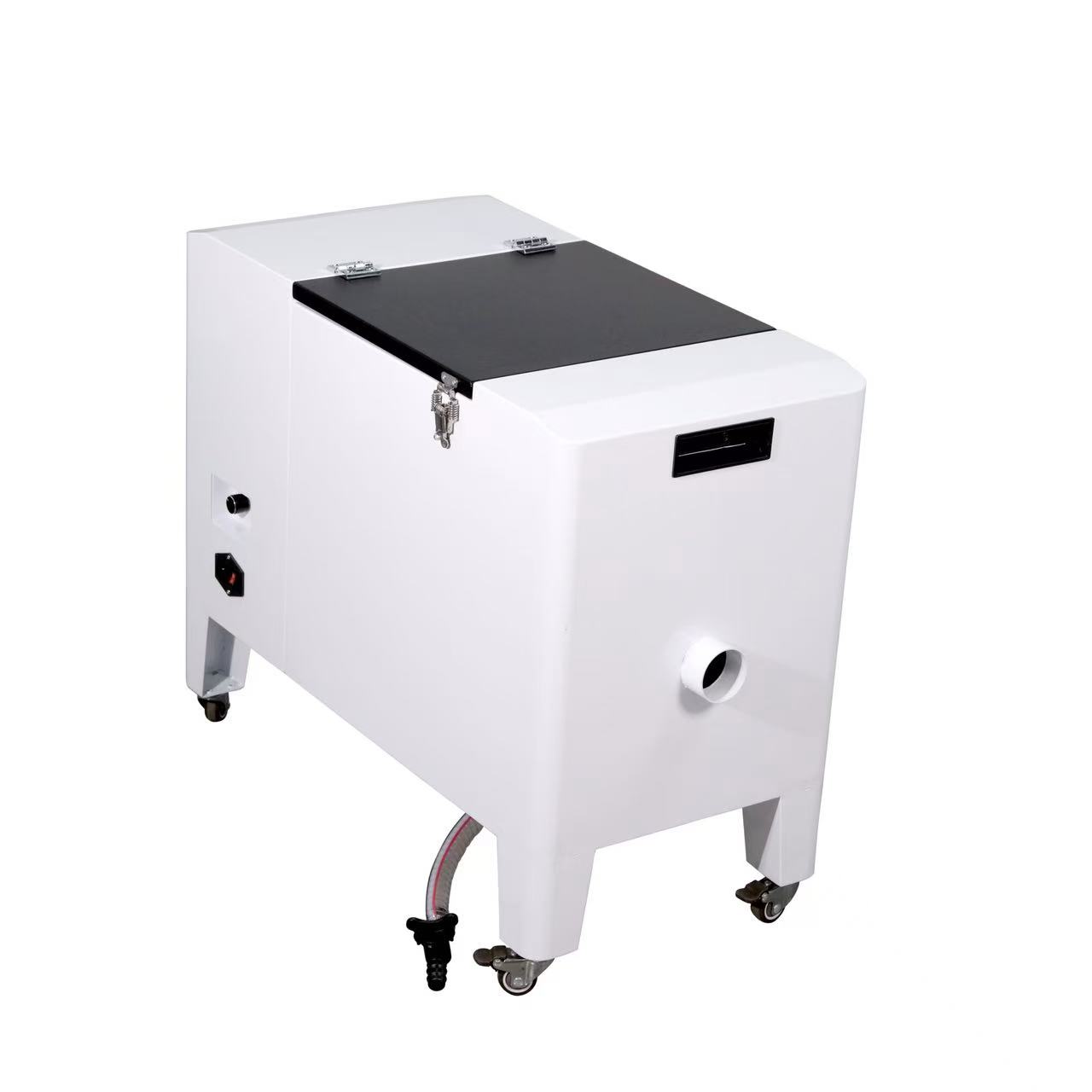
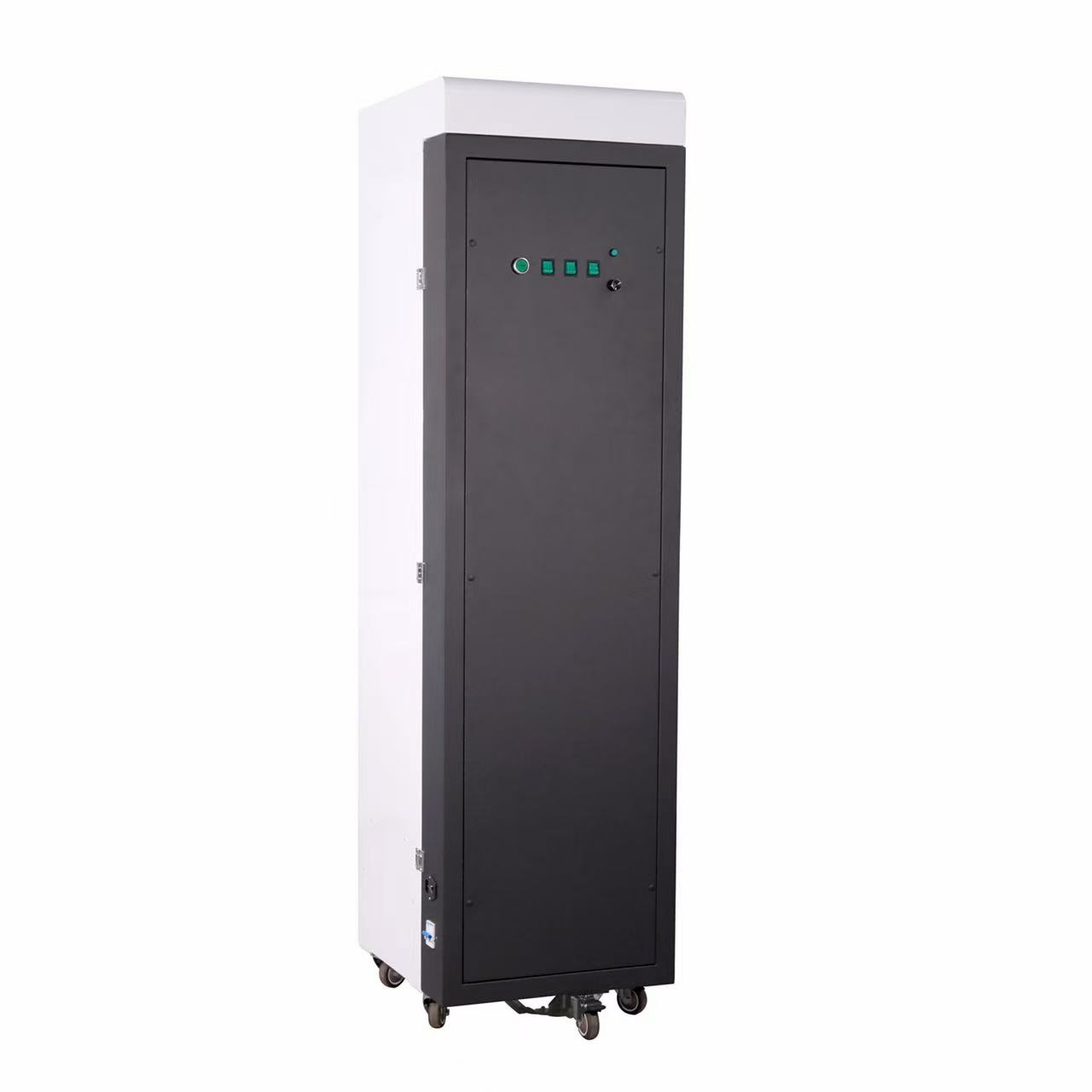
This heavy-duty system stands as the premier industry-standard choice for non-metal CO2 laser cutting and engraving. It is specifically engineered to handle the high-volume, potentially sticky laser cutting fumes generated from high-speed fabric cutting, thick acrylic fabrication, and continuous wood engraving. Featuring high-airflow blowers and massive filter capacities, the C-Series pulls smoke away instantly, ensuring that sticky resins never settle on your material or your laser’s focus lens.
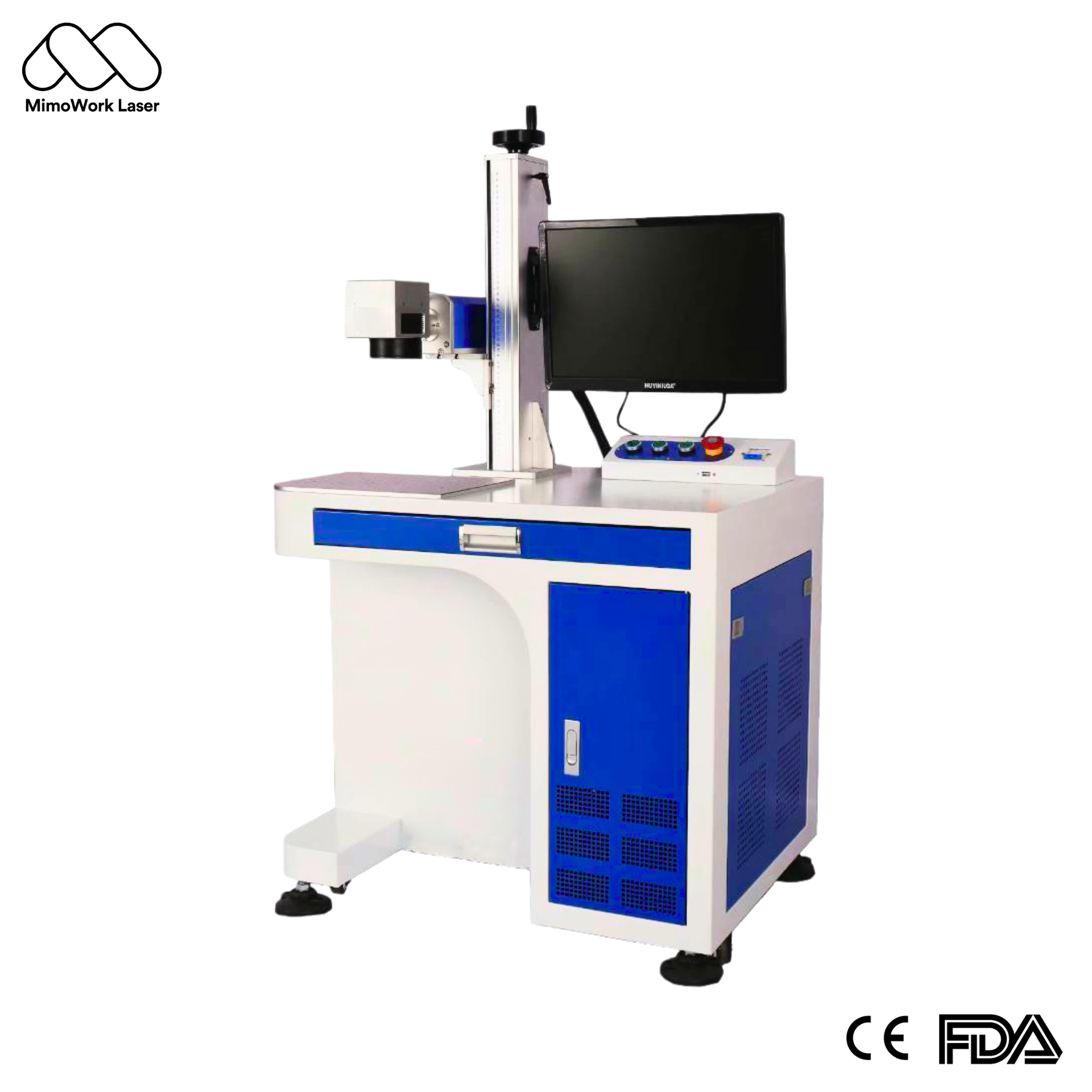
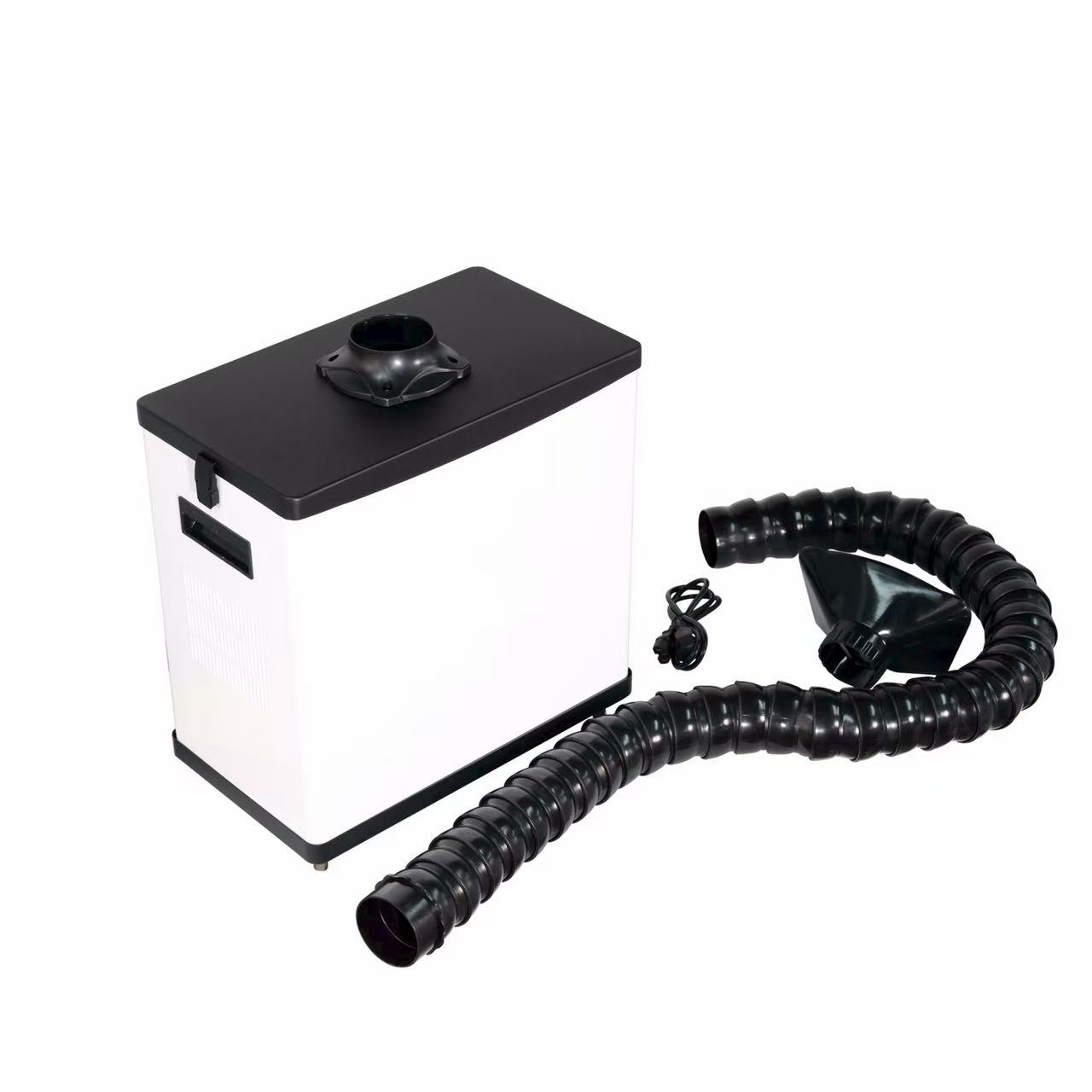
For operations focused on galvo-based fiber laser marking, UV laser etching, or compact desktop engraving systems, the M-Series offers a space-saving alternative. This purpose-built unit captures fumes directly at the source, integrating seamlessly under or next to smaller workstations without consuming valuable floor space. It is ideal for high-precision, low-volume extraction where mobility and footprint are major priorities.
A robust extraction system for handling intense laser cutting fumes is more than just a standard exhaust fan venting outside. True air purification relies on a multi-stage filtration system that captures contaminants step-by-step:
The Activated Carbon Filter (Chemical & Odor Elimination): Gases, VOCs, and foul odors cannot be stopped by a mechanical filter. Deep-bed activated carbon utilizes chemical adsorption to trap gas molecules within its porous structure, ensuring the air returned to your shop is completely odorless and safe.
The Pre-Filter (The First Line of Defense): This layer captures large particulates, such as wood dust, fabric lint, and heavy soot. By trapping these bulky particles first, it prevents the more expensive secondary filters from clogging prematurely.
The HEPA Filter (High-Efficiency Particulate Air): Certified to capture 99.97% of particles as small as 0.3 microns. This is where the dangerous, invisible micro-particles found in laser cutting fumes are trapped, preventing them from entering the workshop’s breathing zone.
To maximize the efficiency of your Mimowork extractor, several functional upgrades can be tailored to your production floor:
Acoustical Silencers: High-power extraction can be noisy. For shops operating in noise-sensitive environments or small design studios, an integrated acoustical silencer significantly reduces operational decibels, ensuring a comfortable working environment during long production runs.
Articulated Extraction Arms & Magnetic Hoods: These allow you to position the suction power within inches of the laser cutting path. Capturing dense smoke immediately at the source prevents it from expanding across the entire machine bed.
Variable Frequency Drive (VFD): A game-changing upgrade that allows operators to precisely dial the suction power up or down via a digital interface. You can run quieter, lower settings for delicate, low-smoke engraving details, and crank the system to maximum power to clear out heavy laser cutting fumes during deep, continuous vector cuts—all while optimizing energy consumption.
An extraction system is only as good as its maintenance schedule. When dealing with heavy laser cutting fumes, keeping an eye on your filters guarantees consistent cutting quality and machine protection.
Component Longevity: Investing in a properly sealed system like Mimowork ensures that no unfiltered air bypasses the filters, preventing internal fan damage and keeping your workshop’s air crystal clear.
Airflow Monitoring: Always monitor the system’s pressure gauges. A sudden drop in airflow indicates that your pre-filter or HEPA filter is saturated.
Preventative Cleaning: While filters are consumable and must be replaced, regularly clearing loose debris from the pre-filter housing can extend its operational life.
A: Laser cutting fumes are generated at a much higher volume and density because the laser beam is melting and vaporizing the entire thickness of the material. This process releases more concentrated smoke, polymers, and sticky resins, which require high-capacity filtration systems like the Mimowork C-Series to prevent air contamination and machine damage.
A: Yes, but the filters must be designed to handle both. Acrylic cutting creates strong, pungent chemical odors (VOCs), while wood cutting generates thick carbon dust and sticky tars. A multi-stage extractor equipped with both a pre-filter (for dust), a HEPA filter (for particulates), and a deep-bed Activated Carbon filter (for gas/odors) is essential.
A: A VFD allows you to adjust the fan’s motor speed to match the job. When cutting thick materials that create heavy laser cutting fumes, you can run the system at 100% capacity. When switching to light engraving, you can lower the speed to reduce noise and extend the lifespan of your filters.
A: Filter longevity depends entirely on your production volume and the materials processed. Heavy usage—such as continuous laser cutting of MDF or leather—will clog pre-filters faster due to high dust and oil content. Most advanced systems feature pressure indicators or airflow alerts to notify you exactly when a filter replacement is required.
A: In most industrial zones and urban areas, venting raw, unfiltered laser cutting fumes outdoors violates local environmental and environmental health regulations. Sticky soot can stain your building’s exterior walls, and heavy odors (especially from acrylic or leather) will inevitably trigger complaints from neighboring businesses or residents. Filtering the air first is always the best practice for community relations and legal compliance.
Managing laser cutting fumes and engraving smoke is far more than a regulatory requirement—it is a foundational pillar of a successful, professional laser processing business. By understanding the specific hazards of your materials and investing in a tailored filtration system like Mimowork’s C-Series or M-Series, you actively protect your workers’ health, extend the lifespan of your machine’s expensive optical components, and ensure flawless, burn-free product quality.
Don’t let dense smoke hold back your production efficiency. Transition your workshop from a reactive, smoke-filled environment into a clean, modern, and high-performing facility.
News | Apr-17-2026
News | Apr-8-2026