Blog
In a field that evolves daily, staying ahead means staying informed.
Explore in-depth articles designed to help you solve complex challenges,
maximize your machine’s ROI.
Stay ahead in a competitive market.


In a field that evolves daily, staying ahead means staying informed.
Explore in-depth articles designed to help you solve complex challenges,
maximize your machine’s ROI.
Stay ahead in a competitive market.
News | Aug-14-2026
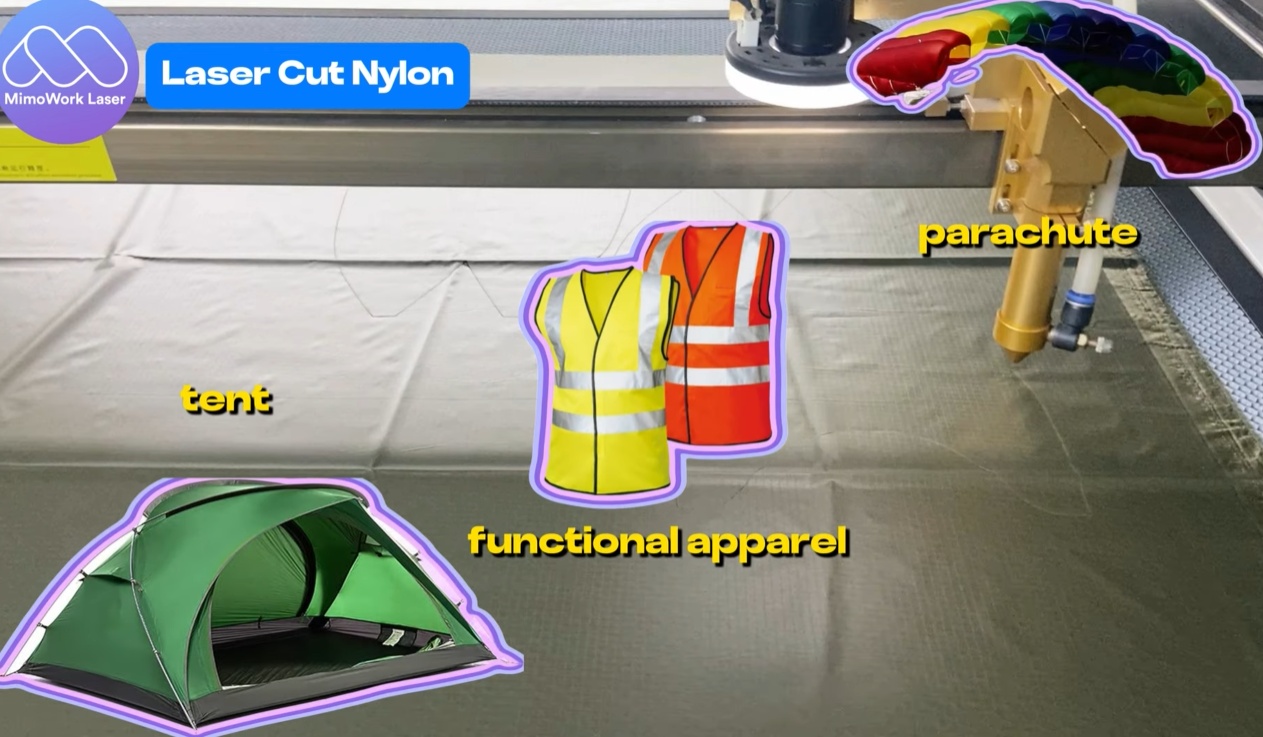
Can you laser cut nylon fabric?
Yes. Laser cutting nylon fabric is a reliable and efficient processing method that can achieve clean edges, accurate shapes, and stable production results. With a suitable CO2 laser cutting machine, nylon materials can be cut without direct mechanical contact, reducing material deformation and improving overall cutting quality.
In this guide, we’ll explore how laser cutting works on nylon fabric, its key benefits, common applications, and how to choose the right nylon laser cutting machine for your needs.
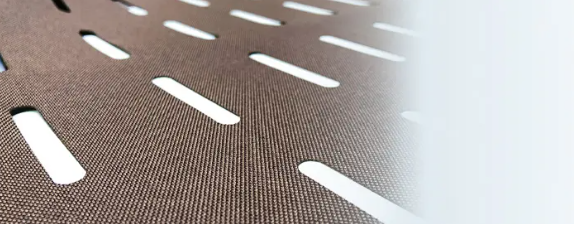
Unlike traditional cutting methods that rely on blades or mechanical pressure, laser cutting uses a focused CO2 laser beam to process the material along a programmed cutting path.
During the process, the laser energy is absorbed by the nylon fibers, generating controlled heat that melts and separates the material. Because the heat-affected area is extremely small, the surrounding fabric remains unaffected.
Laser cutting is commonly used for different types of nylon materials, including:
| Nylon Material | Typical Applications |
| Ripstop nylon | Outdoor gear, tents, backpacks, parachute materials |
| Ballistic nylon | Protective equipment, tactical products |
| Nylon fabric rolls | Garment manufacturing and textile production |
| Coated nylon | Waterproof products and functional textiles |
For manufacturers producing nylon-based products, laser cutting provides a flexible solution for both customized designs and large-scale production.
Nylon is a synthetic thermoplastic material that responds well to CO2 laser processing.
The wavelength of a CO2laser is efficiently absorbed by many synthetic fabrics, allowing the laser beam to cut through nylon with controlled heat.
Compared with traditional cutting tools, laser processing offers several benefits:
Still wondering if nylon can be laser cut? Let’s see it in action.👉🏻
We test a piece of ripstop nylon fabric with a MimoWork industrial fabric laser cutting machine. You can see how the laser cutter creates clean edges, precise patterns, and smooth cuts at high speed.
A CO2 laser cutting machine focuses a high-energy laser beam onto the nylon surface.
The machine follows the digital design file and moves the laser head along the programmed path. The concentrated heat cuts through the nylon fibers while creating a narrow heat-affected area.
The cutting quality depends on several factors:
| Factor | Impact on Cutting Result |
| Laser power | Determines cutting ability for different thicknesses |
| Cutting speed | Affects edge quality and heat exposure |
| Material thickness | Influences required energy level |
| Air assistance | Helps remove smoke and heat |
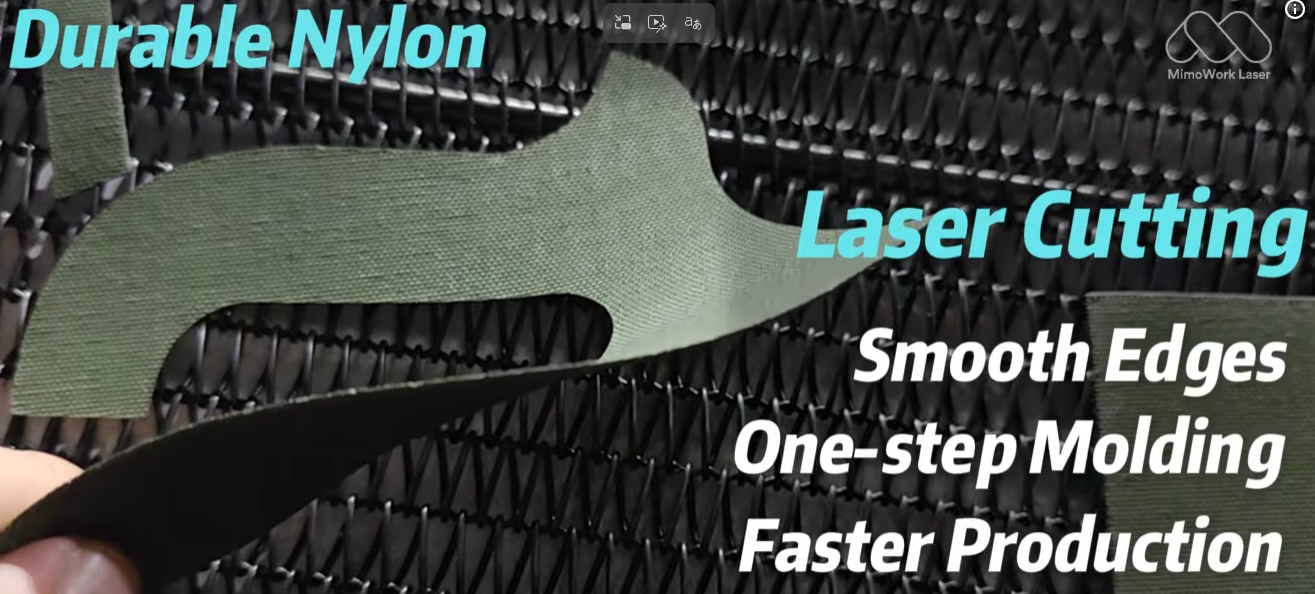
One of the main advantages of laser cutting nylon fabric is its ability to create sealed edges.
Because nylon fibers melt slightly during laser cutting, the edges are naturally sealed. This helps reduce:
This is especially useful for:
Compared with manual cutting or blade cutting, laser cutting can simplify the production process and improve product consistency.
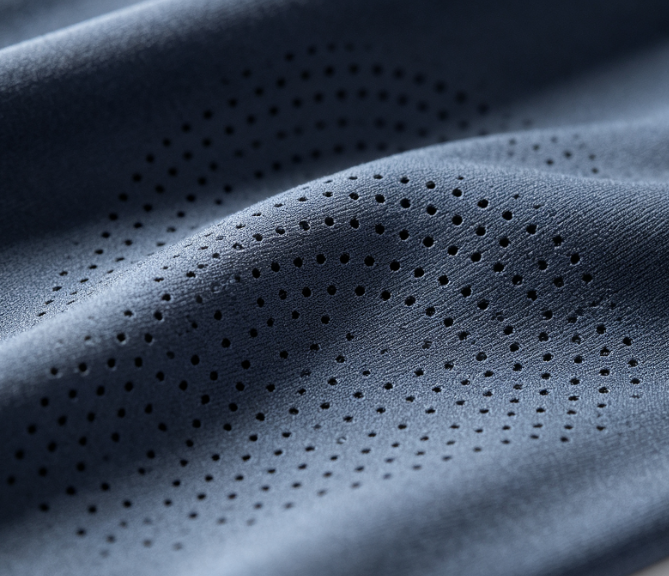
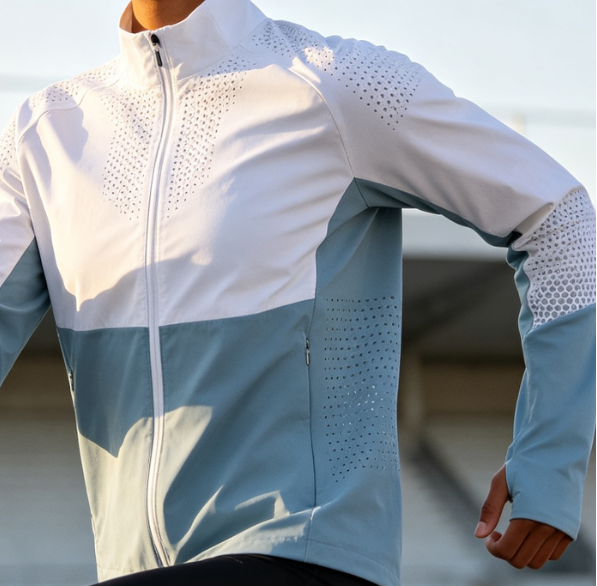
Many nylon products require detailed shapes, small holes, or customized designs.
A laser cutting machine can accurately follow digital patterns, making it suitable for:
For manufacturers handling frequent design changes, laser cutting eliminates the need for physical cutting dies and makes production more flexible.
Nylon fabrics are often lightweight and flexible, which makes them difficult to handle with mechanical cutting methods.
Laser cutting is a non-contact process, meaning the fabric is not compressed or pulled during cutting.
Benefits include:
This is particularly valuable for high-performance nylon materials where every cut needs to maintain product specifications.
Although nylon is suitable for laser cutting, proper machine settings are important to achieve the best results.
Because laser cutting relies on heat, excessive energy input may cause:
To achieve cleaner results, manufacturers usually optimize:
Different nylon materials may require different parameters. A coated nylon fabric, for example, may behave differently from standard ripstop nylon.
Testing the material before production is recommended.
The required laser power depends on the material and production requirements.
| Application | Recommended Consideration |
| Thin nylon fabric | Lower power with faster cutting speed |
| Ripstop nylon | Balanced power and speed settings |
| Thick ballistic nylon | Higher power configuration |
| Industrial textile production | Larger working area and automation |
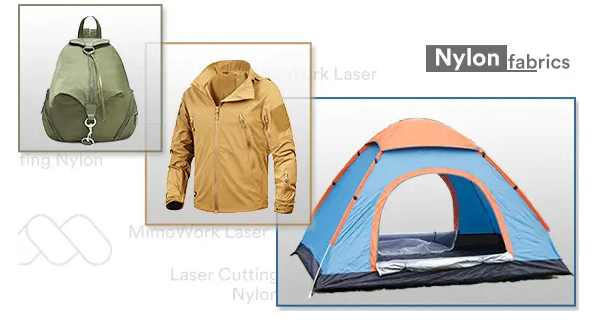
Nylon is commonly used in performance clothing because it is lightweight and durable.
Laser cutting is suitable for:
Ripstop nylon is widely used in outdoor products because of its tear resistance and durability.
Applications include:
Nylon is also used in industrial and protective applications.
Examples include:
CO2 laser cutters are widely used in textile processing because synthetic materials such as nylon absorb the laser wavelength effectively.
This allows manufacturers to achieve:
Compared with traditional cutting methods, laser cutting provides advantages for modern textile production:
| Traditional Cutting | Laser Cutting |
| Requires physical blades or dies | Uses digital cutting files |
| Tool wear over time | No cutting blade replacement |
| Limited complex patterns | Easily handles detailed designs |
| Material pressure during cutting | Non-contact processing |
For manufacturers producing customized products or multiple designs, laser cutting offers greater flexibility.
Selecting the right machine depends on your material, production volume, and workflow.
| Production Requirement | Suitable Machine Type |
| Small batch production | Fabric Laser Cutter |
| Apparel and textile processing | CO₂ Fabric Laser Cutter |
| Large nylon rolls | Industrial Fabric Laser Cutter |
| Printed fabric cutting | Vision Laser Cutting System |
MimoWork provides different fabric laser cutting solutions for nylon processing, including standard fabric laser cutters and industrial systems designed for larger textile production requirements.
For printed or patterned nylon fabrics, cutting accuracy can be affected by material positioning.
A vision laser cutting system uses a camera to identify printed marks or patterns and automatically adjusts the cutting path.
This is useful for:
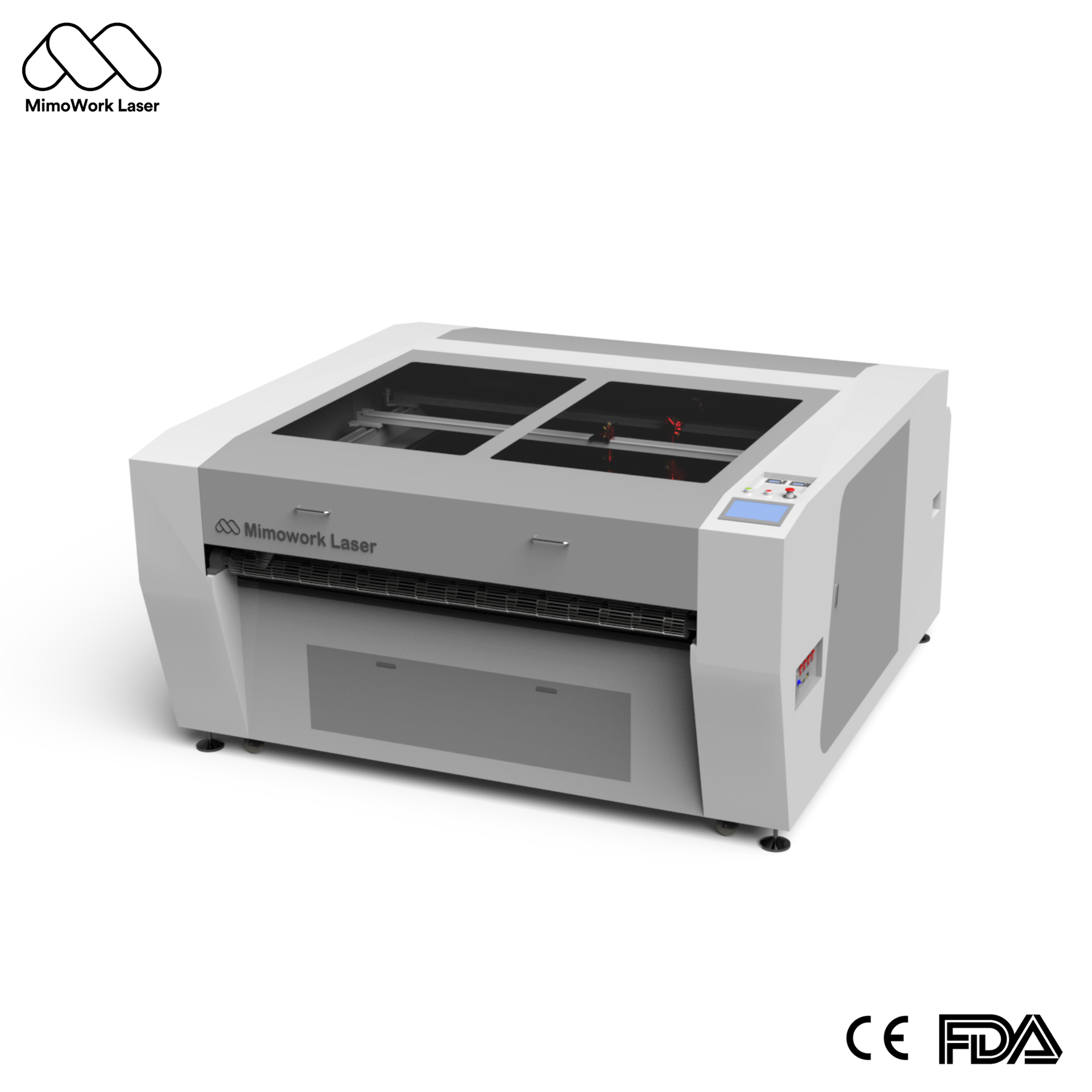
The MimoWork F160 Laser Cutter is designed for continuous textile processing, making it suitable for applications such as nylon fabric, apparel materials, leather, and other flexible fabrics.
With a 1600 × 1000mm working area and 100W–300W laser power options, the F160 provides flexible configurations for different nylon cutting requirements, from small production runs to high-volume textile manufacturing.
Key advantages for nylon fabric cutting include:
When selecting a nylon laser cutting solution, manufacturers usually consider more than just laser power. Machine size, automation options, application experience, and after-sales support are also important factors.
The right laser system should match the specific nylon application, whether it involves lightweight fabrics, printed textiles, flexible materials, or continuous roll processing.
MimoWork provides flexible laser processing solutions for textile and soft material applications, helping manufacturers improve cutting accuracy, production efficiency, and workflow stability.
Key advantages include:
| Nylon Cutting Challenge | MimoWork Laser Solution✅ | Production Benefit✅ |
| Nylon edges easily fray | Laser heat sealing creates clean, sealed edges | Cleaner edges with reduced need for additional finishing |
| Lightweight fabrics may shift | Vacuum table and non-contact cutting improve stability | Improved cutting accuracy and consistent results |
| Different products require different sizes | Multiple working area options | Flexible solutions for different production scales |
| Printed nylon needs precise alignment | Vision laser cutting for accurate pattern matching | Accurate cutting for sublimation and patterned fabrics |
| Large-volume production needs higher efficiency | Automated fabric laser cutting for continuous processing | Continuous processing and improved workflow efficiency |
Yes, nylon fabric can be laser cut.
A CO₂ laser cutter is commonly used for nylon because it can achieve precise cutting while creating clean, sealed edges that help reduce fraying.
Compared with traditional cutting methods, laser cutting nylon fabric offers several advantages:
Laser cutting is widely used for nylon applications such as sportswear, outdoor gear, bags, automotive textiles, and technical fabrics.
For textile applications, CO₂ laser cutters are preferred because they can process flexible synthetic fabrics with high precision while maintaining clean edge quality.
Since nylon is a synthetic textile, CO₂ lasers can efficiently process the material while providing smooth cutting edges and excellent detail accuracy.
When choosing a laser cutting machine for fabric, manufacturers should consider:
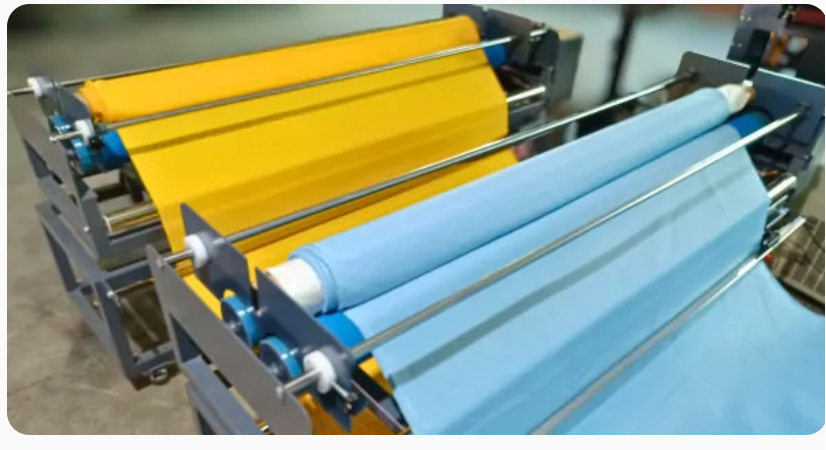
For textile applications, a fabric laser cutting system with a conveyor working table can improve production efficiency, especially for continuous fabric processing.
Yes, laser cutting can help prevent nylon fabric from fraying.
During the cutting process, the laser’s heat slightly melts the synthetic fibers along the edge, creating a sealed finish. This helps maintain consistent edge quality and reduces the need for additional finishing processes.
Laser-cut nylon is especially suitable for applications that require clean and durable edges, including:
However, the final cutting quality depends on factors such as laser power, cutting speed, focus position, and material thickness.
Nylon may experience slight melting during laser cutting because it is a thermoplastic material. However, with the correct laser parameters, it can achieve clean edges with minimal discoloration or deformation.
Burn marks or excessive melting usually occur due to:
Before production, testing different settings is recommended to find the optimal balance between cutting speed and edge quality.
The required laser power depends on nylon thickness, fabric structure, and production requirements.
Common laser power ranges include:
| Laser Power | Suitable Applications |
| 40W–100W | Lightweight nylon fabrics, samples, prototypes, and small projects |
| 100W–150W | General textile production and regular nylon materials |
| 150W+ | Industrial nylon processing and high-volume production |
For most nylon fabric cutting applications, selecting the right combination of laser power, working area, and automation features is more important than simply choosing the highest power.
A properly configured laser cutter for nylon can help manufacturers achieve consistent cutting quality, higher efficiency, and reduced material waste.
Nylon fabric cutting requires more than just speed—it also demands precision, consistency, and the right processing solution.
At MimoWork, we provide professional fabric laser cutting solutions designed for different nylon materials and production requirements. From customized designs to large-scale manufacturing, our laser systems help businesses improve cutting quality while streamlining their workflow.
Looking for the right laser cutter for nylon or need guidance on your cutting requirements? Contact us today — we’ll help you build a reliable laser cutting solution for improved precision, productivity, and cutting quality.
News | Aug-7-2026
News | Jul-31-2026
News | Jul-24-2026