Blog
In a field that evolves daily, staying ahead means staying informed.
Explore in-depth articles designed to help you solve complex challenges,
maximize your machine’s ROI.
Stay ahead in a competitive market.


In a field that evolves daily, staying ahead means staying informed.
Explore in-depth articles designed to help you solve complex challenges,
maximize your machine’s ROI.
Stay ahead in a competitive market.
News | Apr-9-2026
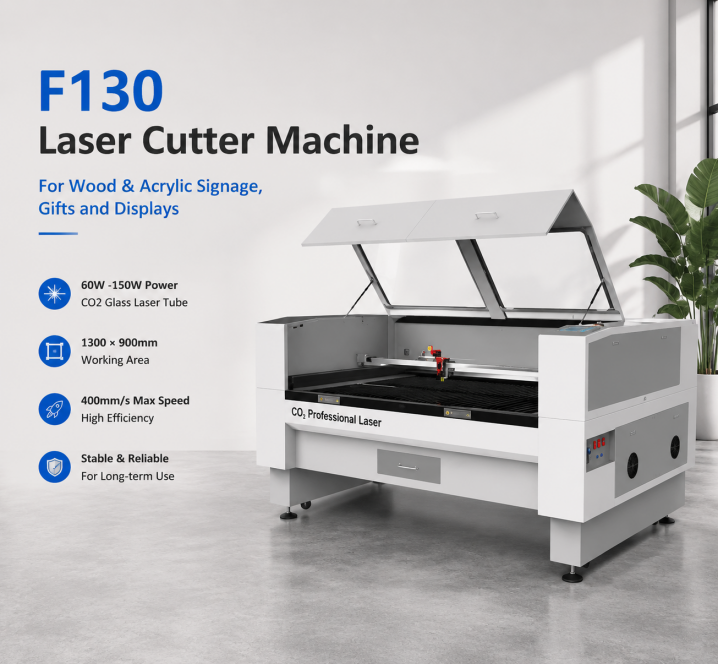
Wood fabrication has evolved from traditional manual woodworking into a more precise and efficient digital manufacturing process. While conventional cutting, carving, and engraving methods remain widely used, many manufacturers today face increasing demands for faster production, customized designs, and consistent product quality.
For businesses producing furniture components, decorative panels, signage, crafts, models, and personalized wood products, achieving detailed designs while maintaining production efficiency can be challenging.
Wood laser technology provides a modern solution by using a focused laser beam to cut, engrave, and mark different types of wood materials with high accuracy. Unlike traditional mechanical tools, laser systems process wood without direct physical contact, reducing tool wear and allowing manufacturers to create complex patterns, fine details, and repeatable results.
From small customized products to large-scale fabrication projects, wood laser cutting and engraving have become important technologies for modern woodworking. By combining digital design software with precise laser control, manufacturers can improve production flexibility while reducing material waste and manual processing requirements.
This article explains how wood laser technology works, its key advantages, common applications, and how businesses can choose the right laser solution for their woodworking needs.
Wood laser technology refers to the use of laser systems to process wood materials through cutting, engraving, and marking.
A laser machine generates a concentrated beam of light energy that heats and removes or modifies the wood surface. The laser head follows a programmed digital design, allowing manufacturers to produce accurate shapes, detailed patterns, and customized graphics.
Compared with traditional woodworking equipment, laser systems offer a non-contact processing method. Since there is no physical cutting blade directly touching the material, manufacturers can achieve higher design flexibility and reduce issues caused by tool pressure or mechanical wear.
A complete wood laser processing system usually includes several key components:
| Component | Function |
| Laser source | Generates the focused laser beam used for cutting or engraving |
| Motion control system | Controls the movement and positioning accuracy of the laser head |
| Digital control software | Converts design files into machine instructions |
| Exhaust and filtration system | Removes smoke and particles generated during processing |
Wood laser technology is widely used in industries including furniture manufacturing, custom product production, advertising, interior decoration, and industrial prototyping.
A wood laser cutter works by converting digital designs into precise laser movements. The entire process combines software control with controlled laser energy to achieve accurate cutting and engraving results.
The typical workflow includes:
Manufacturers first create or import a design file using graphic design or CAD software. The design determines the cutting paths, engraving areas, and final appearance of the product.
Before processing, operators adjust important settings such as:
Different wood materials and thicknesses require different parameter combinations to achieve optimal results.
During operation, the focused laser beam moves along the programmed path.
For cutting applications, the laser energy passes through the wood material to create precise shapes.
For engraving applications, the laser removes or modifies the surface layer to create permanent designs, textures, or markings.
After laser processing, the finished wood product can usually be used directly or undergo additional finishing depending on the application requirements.
Because the process is digitally controlled, manufacturers can easily reproduce the same design multiple times with consistent quality.
Although both processes use laser technology, wood laser cutting and wood laser engraving serve different purposes.
| Process | Purpose | Common Applications |
| Wood laser cutting | Cuts through wood materials to create shapes and components | Furniture parts, models, decorations, prototypes |
| Wood laser engraving | Creates designs, patterns, or text on the surface | Logos, signs, personalized gifts, artwork |
Wood laser cutting is mainly used when manufacturers need accurate shapes and finished components.
Compared with traditional cutting methods, a laser cutter can produce:
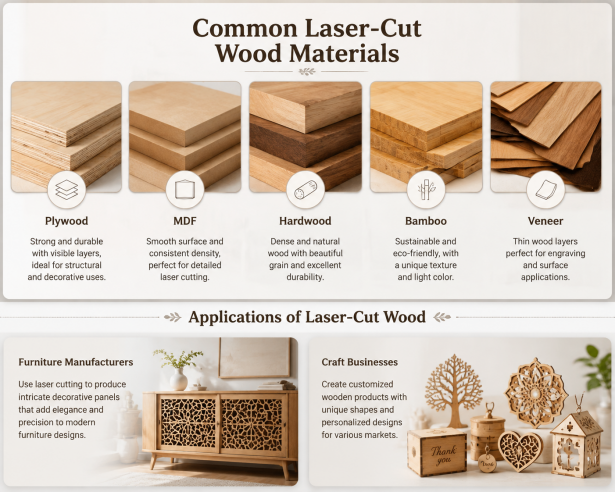
Common laser-cut wood materials include:
For example, furniture manufacturers can use laser cutting to produce decorative panels, while craft businesses can create customized wooden products with unique shapes.
Wood laser engraving focuses on creating detailed surface designs rather than cutting through the material.
By controlling laser intensity and movement speed, manufacturers can create different engraving depths and visual effects.
Common applications include:
Compared with manual engraving, laser engraving provides faster production speed and more consistent results, making it suitable for both individual customization and commercial manufacturing.
Modern manufacturers choose wood laser technology because it provides a combination of precision, flexibility, and production efficiency.
One of the biggest advantages of laser processing is its ability to create detailed designs that may be difficult to achieve with traditional woodworking tools.
The focused laser beam allows manufacturers to produce:
This makes wood laser machines suitable for applications where design accuracy is important.
Traditional cutting methods may require additional sanding or finishing because of splintering or rough edges.
A wood laser cutter can create cleaner edges by using controlled thermal processing. This can reduce post-processing work and improve production efficiency.
Unlike traditional tools that require physical adjustments when changing designs, laser systems work directly from digital files.
Manufacturers can quickly switch between different products by modifying the design file, making laser technology ideal for:
Wood laser technology helps manufacturers optimize material usage through digital design planning.
Before production, layouts can be adjusted to maximize the available wood sheet area and reduce unnecessary waste.
This is especially valuable for businesses working with expensive materials or customized production orders.
Wood laser technology is used across a wide range of industries because it combines precision processing with flexible digital manufacturing. From customized products to industrial components, laser cutting and engraving provide efficient solutions for different woodworking requirements.
The demand for personalized wood products has increased significantly in recent years. Laser technology allows manufacturers to create unique designs without complicated manual processing.
Common applications include:
For small businesses and custom product manufacturers, a wood laser cutter makes it possible to produce different designs quickly while maintaining consistent quality.
In furniture production, precision and design flexibility are important factors. Wood laser technology helps manufacturers create detailed components and decorative elements efficiently.
Typical applications include:
Laser cutting is especially useful for manufacturers that need customized designs or limited production runs without creating additional tooling.
Wood laser engraving is widely used in the signage industry because it creates permanent and detailed markings on wooden surfaces.
Applications include:
Compared with printed labels or surface coatings, laser engraving creates a durable marking that becomes part of the material itself.
Architects, designers, and engineers often require accurate models for visualization and testing.
Wood laser cutting enables the production of:
The high precision of laser processing allows designers to reproduce complex structures with small details.
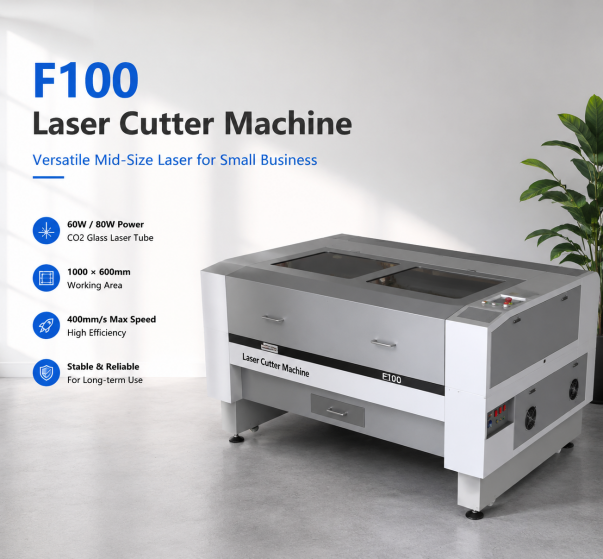
Different wood materials have different densities, textures, and processing characteristics. Understanding material compatibility helps manufacturers select suitable laser settings and achieve better results.
| Wood Material | Common Applications | Processing Characteristics |
| Plywood | Furniture parts, models, decorations | Easy to cut and widely used |
| MDF | Signs, panels, prototypes | Produces consistent engraving results |
| Hardwood | Premium products, crafts, furniture | Requires suitable laser power settings |
| Bamboo | Eco-friendly products, gifts | Creates clear engraving details |
| Veneer | Decorative surfaces, furniture design | Suitable for detailed patterns |
The final processing result depends on several factors, including:
For manufacturers processing different wood materials regularly, choosing a machine with adjustable parameters provides greater production flexibility.
When choosing woodworking equipment, many manufacturers compare wood laser cutters with CNC routers. Both technologies have advantages, but they are designed for different production needs.
| Feature | Wood Laser Cutter | CNC Router |
| Processing method | Laser heat processing | Mechanical cutting |
| Material contact | Non-contact processing | Physical tool contact |
| Detail capability | Excellent for fine patterns and engraving | Suitable for deep carving |
| Tool wear | No cutting bit replacement | Requires regular tool maintenance |
| Production flexibility | Easy digital design changes | Requires tooling adjustments for some applications |
| Best applications | Cutting, engraving, customization | 3D carving and heavy material removal |
A wood laser cutter is often a better choice for manufacturers focused on:
A CNC router may be more suitable for applications requiring:
The best choice depends on the type of woodworking projects, production volume, and desired results.
Selecting the right wood laser machine requires considering materials, production requirements, and application goals.
Different materials require different laser power and settings.
For example:
Understanding your main materials helps determine the appropriate machine configuration.
The working area determines the maximum size of wood products that can be processed.
Manufacturers should consider:
A larger working area can improve efficiency when processing bigger panels or multiple small products in one batch.
Laser power affects cutting ability and processing speed.
Lower-power machines are often suitable for:
Higher-power laser systems are better suited for:
Choosing suitable power helps balance productivity, quality, and operating cost.
Modern wood laser machines may include features that improve efficiency and usability, such as:
| Feature | Benefit |
| Autofocus system | Helps maintain consistent cutting quality |
| CCD camera system | Improves positioning accuracy for printed or irregular designs |
| Rotary attachment | Enables processing of cylindrical products |
| Efficient exhaust system | Helps remove smoke and particles during operation |
These features can improve workflow efficiency and make the machine easier to operate.
As manufacturing continues moving toward customization and digital production, wood laser technology is expected to play an increasingly important role.
Future developments may include:
Manufacturers are adopting smarter workflows that connect design software, production systems, and automated processing equipment.
Consumers increasingly prefer personalized furniture, decorations, and gifts. Laser technology enables businesses to provide customized products without significantly increasing production complexity.
Laser systems are becoming part of broader digital manufacturing processes, allowing companies to improve production planning, reduce waste, and increase efficiency.
Yes. A laser cutter can process many types of wood, including plywood, MDF, bamboo, veneer, and hardwood. The cutting capability depends on factors such as laser power, material thickness, and wood density.
Wood laser cutting removes material completely to create shapes and components, while laser engraving modifies the surface to create patterns, text, or images.
Laser cutting provides advantages in precision, design flexibility, and repeatability. However, the best processing method depends on the application. CNC routers and traditional tools may still be preferred for deep carving or heavy material removal.
The required laser power depends on the wood type, thickness, and production requirements. Lower-power systems can handle thin materials and engraving, while higher-power machines are more suitable for thicker wood cutting and industrial production.
Yes. Wood laser machines are widely used for commercial applications such as furniture components, signage, crafts, prototypes, and customized products. Their digital workflow makes them suitable for both small businesses and larger manufacturers.
Wood laser technology has become an important solution for modern fabrication by combining precision, flexibility, and digital control.
From custom wooden products and decorative designs to furniture components and industrial prototypes, laser cutting and engraving allow manufacturers to achieve detailed results with improved production efficiency.
By selecting the right machine configuration based on material type, working area, laser power, and production requirements, businesses can create higher-quality wood products while reducing manual processing and improving workflow.
For manufacturers looking to expand customization capabilities and improve woodworking efficiency, a professional wood laser cutter provides a reliable solution for modern fabrication needs.
News | Jul-9-2026
News | Jun-30-2026