Blog
In a field that evolves daily, staying ahead means staying informed.
Explore in-depth articles designed to help you solve complex challenges,
maximize your machine’s ROI.
Stay ahead in a competitive market.


In a field that evolves daily, staying ahead means staying informed.
Explore in-depth articles designed to help you solve complex challenges,
maximize your machine’s ROI.
Stay ahead in a competitive market.
News | Jul-16-2026
CO2 laser wood cutting has become one of the most reliable methods for producing clean, detailed, and repeatable cuts across a wide range of wood materials. Whether you are running a small workshop or scaling up production, understanding how the process works, which materials perform best, and how to configure your machine correctly can make the difference between a professional finish and a wasted sheet of material.
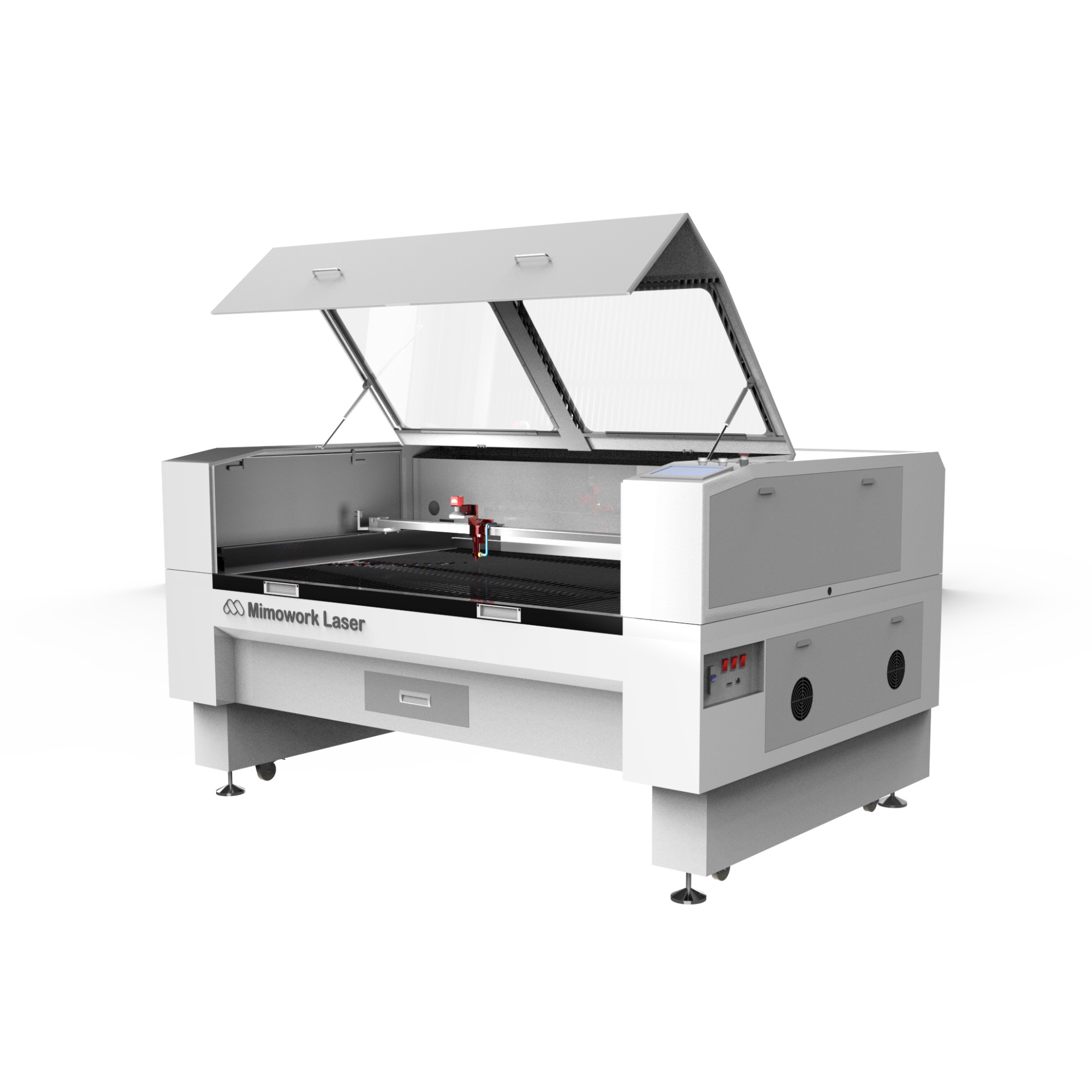
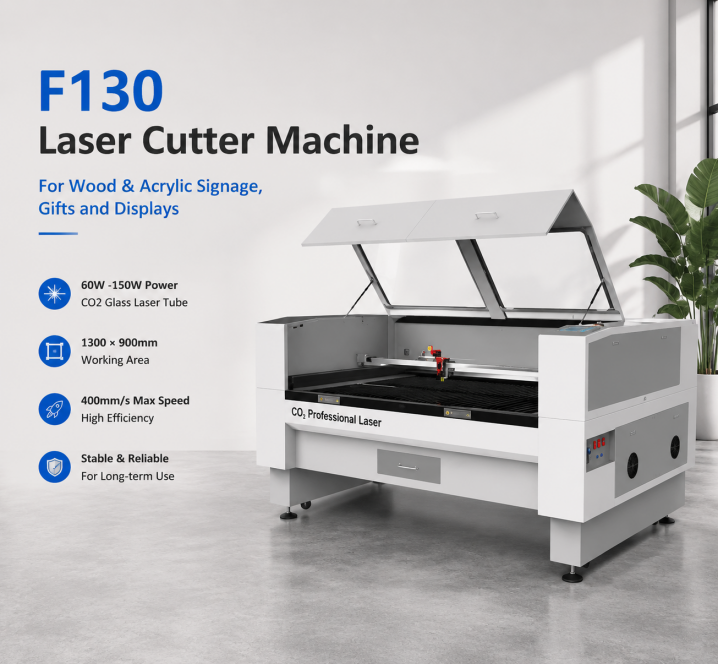
For fabricators regularly working with co2 laser cutting thick plywood, a few technical details matter more than they might first appear.
Thicker plywood absorbs more heat before the beam fully penetrates, which increases the risk of charring, uneven edges, or incomplete cuts if the machine isn’t matched to the material. A higher-power CO2 tube, paired with a properly calibrated focus lens, is generally necessary for boards beyond standard thickness.
An air compressor assisting the laser head helps blow away debris and smoke during cutting, resulting in a dust-free, fume-reduced process with a clean, tidy edge. This also means less post-processing — many fabricators can skip polishing or sanding after the cut, saving both time and labor.
While understanding the technical parameters is essential, there’s no better way to learn than by seeing the process firsthand. Watch this project demonstration to see how these techniques translate into real-world results, from precision edge quality to the efficiency of the engraving process.
A CO2 laser cutter generates a focused beam of light that heats the wood locally until the material reaches its melting or combustion point. High-pressure gas is then used to blow away the vaporized material, leaving behind a narrow, precise kerf. This non-contact process means:
Compared with saws, routers, or CNC mills, laser cutting removes the need for changing tool bits or dealing with blade deflection. The result is tighter tolerances, cleaner edges, and the ability to cut intricate patterns that would be difficult or impossible with mechanical tools.
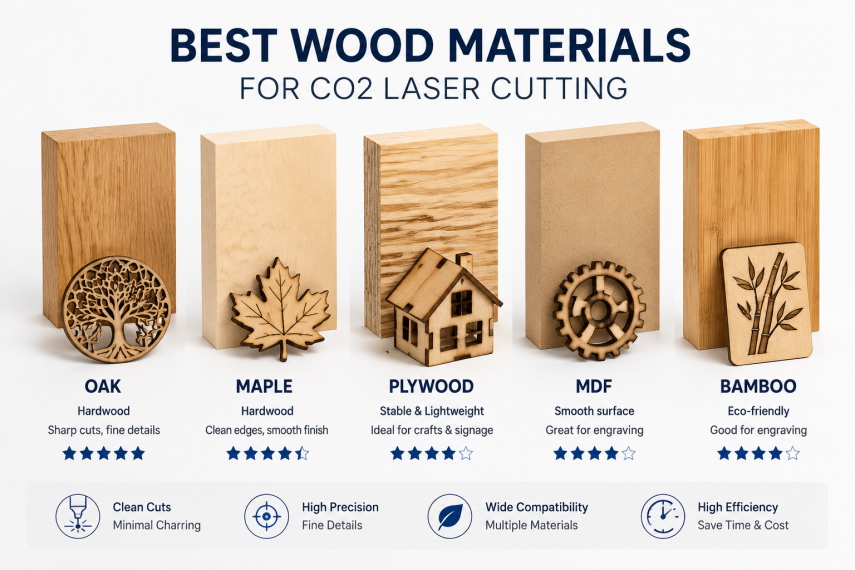
Not every type of wood reacts the same way to a laser beam, and choosing the best wood for co2 laser cutting depends heavily on your project goals.
Hardwoods such as oak, maple, and cherry are dense, which allows for sharper, more detailed cuts and engravings. Softwoods like pine can also be cut, but their lower density and higher resin content often require more laser power and slower speeds to achieve a clean result.
| Wood Type | Density | Laser Power Needed | Cut Quality |
| Oak / Cherry / Maple (hardwood) | High | Moderate to high | Sharp, detailed edges |
| Pine (softwood) | Low to moderate | Higher power required | Slightly rougher edge, more charring |
| Ebony / very dense hardwood | Very high | High power needed | Precise but slower processing |
Beyond solid wood, CO2 lasers work well with plywood, MDF, birch, poplar, alder, and bamboo. Plywood in particular is popular for crafts and signage because of its light weight and structural stability, though the glue layers between veneers can affect edge consistency, so power settings should be adjusted accordingly.
Getting the co2 laser wood cutting settings right is the single biggest factor separating a clean cut from a scorched or incomplete one.
As a general rule, a standard 150W CO2 laser can effectively cut wood up to about 20mm in thickness. Thicker material requires proportionally higher laser power to maintain a clean pass without multiple passes or excessive heat buildup.
| Laser Power | Recommended Max Wood Thickness | Typical Use Case |
| 150W | Up to 20mm | Standard sheet goods, signage |
| 300W | Thicker plywood and solid wood | Furniture parts, décor panels |
| 450W–500W | Heavy-duty, dense boards up to 30mm | Industrial and large-batch production |
Cutting speed and engraving speed serve very different purposes. Cutting requires the beam to penetrate through the material, so speeds are slower and power is higher. Engraving only needs to mark the surface, so it can run significantly faster — some high-speed CO2 systems reach engraving speeds of 2000mm per second, while cutting speeds on comparable equipment may reach around 36,000mm per minute depending on material thickness and detail level.
A dedicated co2 laser wood engraving machine brings additional capabilities beyond basic cutting, especially useful for detailed decorative or branding work.
Two-way penetration table designs allow long wood boards to pass through the machine even beyond the table’s physical footprint, making it possible to engrave oversized panels without cutting them down first.
Modern systems combine cutting and engraving functions in a single machine, often supported by a brushless motor for faster, more accurate engraving, and a mixed laser head capable of handling both metal and non-metal materials — useful for workshops producing mixed-material products.
| Function | Typical Speed | Best For |
| Cutting | Slower, higher power | Through-cuts, structural parts |
| Engraving | Much faster, lower power | Surface detail, branding, decoration |
For businesses just getting started with co2 laser wood cutter for small business needs, machine selection should be guided by practical production requirements rather than specifications alone.
Smaller-format machines are often sufficient for craft-scale or prototype work, while larger tables (such as 1300mm x 2500mm working areas) suit businesses producing signage, furniture components, or bulk decorative items. Matching machine size and power to your actual workflow — the size of materials you cut most often, and how many pieces you need to produce in a given time — helps ensure the equipment fits comfortably into your existing workspace and production pace.
Because laser cutting generates fumes, proper ventilation or a dedicated dust and fume extraction system is essential for workspace safety, especially when cutting treated wood, painted panels, or materials with toxic coatings. This is not optional — it protects both equipment longevity and operator health.
Most wood types can be laser cut, including plywood, MDF, birch, maple, cherry, pine, poplar, and bamboo. Very dense hardwoods like oak or ebony require higher laser power.
It depends on laser power. A 150W machine typically handles up to 20mm, while higher-power systems (300W–500W) can process boards up to around 30mm.
Not usually. With proper air-assist during cutting, edges come out clean and largely burr-free, minimizing the need for post-processing.
Cutting requires slower speeds and higher power to fully penetrate the material, while engraving only marks the surface and can run at much higher speeds.
Yes. Laser cutting produces smoke and fumes, so a proper ventilation or extraction system is necessary to maintain a safe working environment, particularly with coated or treated wood.
CO2 laser wood cutting combines precision, speed, and flexibility, making it one of the most efficient ways to process wood for crafts, signage, furniture, and industrial production. Choosing the right wood, matching laser power to material thickness, fine-tuning cutting and engraving speeds, and ensuring proper ventilation are the key factors that separate a clean, professional result from a wasted sheet of material.
If you’re ready to explore machines built specifically for wood cutting and engraving — from entry-level setups to high-power industrial systems — you can find detailed specifications, real-world case studies, and pre-sales consultation support on our official website at mimowork-laser.com. Whichever stage your business is at, our team can help match the right laser configuration to your materials, production volume, and workspace.
News | Jul-15-2026
News | Jul-9-2026
News | Jul-1-2026