Blog
In a field that evolves daily, staying ahead means staying informed.
Explore in-depth articles designed to help you solve complex challenges,
maximize your machine’s ROI.
Stay ahead in a competitive market.


In a field that evolves daily, staying ahead means staying informed.
Explore in-depth articles designed to help you solve complex challenges,
maximize your machine’s ROI.
Stay ahead in a competitive market.
News | Jul-1-2026
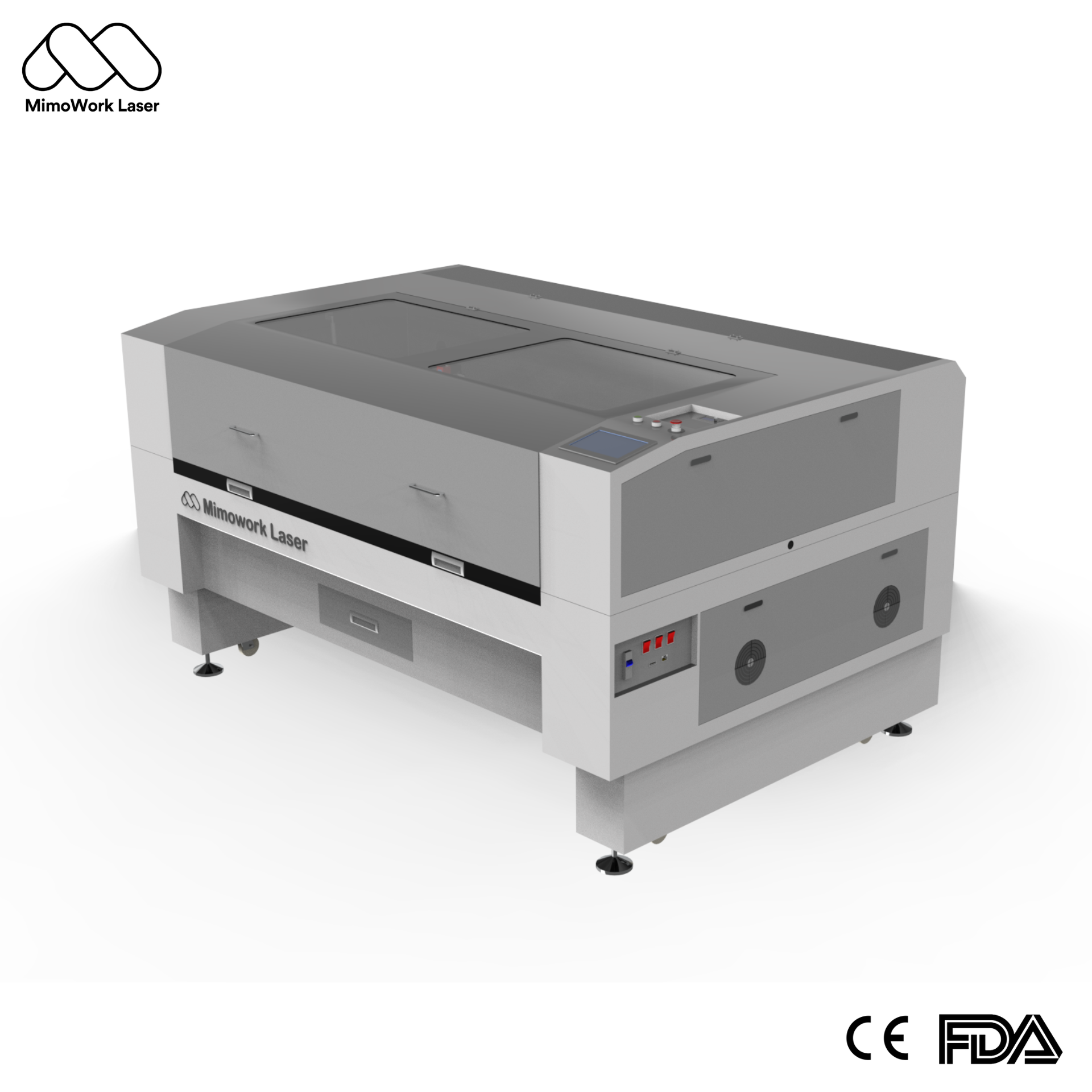
In the world of modern manufacturing and crafting, the CO2 laser engraving machine has established itself as an indispensable tool. It offers an unparalleled combination of precision, speed, and versatility for processing a vast array of non-metal materials. Whether you are a small business owner looking to expand your product line, an educator setting up a fabrication lab, or a large-scale manufacturer aiming to optimize your production line, understanding the capabilities of a CO2 laser engraving machine is the first step toward unlocking its full potential.
This comprehensive guide delves deep into the technology, materials, selection criteria, and operational tips for these powerful systems. We will draw upon established industry knowledge and proven configurations to provide a clear, practical understanding of how these machines work and how they can benefit your specific application.
A CO2 laser engraving machine is a type of laser system that utilizes a gas mixture—primarily carbon dioxide—as the medium to generate a high-energy infrared laser beam with a wavelength of 10.6 micrometers. This specific wavelength is exceptionally well-absorbed by organic and synthetic non-metal materials, making it the ideal choice for cutting, engraving, and marking a wide range of substances.
The process begins with the laser tube, which is filled with the CO2 gas mixture. Electrical stimulation excites the gas molecules, causing them to release photons. These photons are amplified and bounced between mirrors within the tube to create a concentrated, powerful beam of light. This beam is then directed through a series of mirrors and a focusing lens. The focused laser light is directed onto the material’s surface, where its energy is absorbed. This rapid energy transfer heats the material to the point of vaporization or melting, creating a precise cut or engraving. The entire process is non-contact, meaning there is no physical tool to wear out or cause mechanical stress on the workpiece.
The difference between a CO2 laser engraving machine and traditional mechanical engraving tools (like CNC routers) is significant. The advantages are rooted in its digital, non-contact nature and are supported by numerous industry applications and academic studies on laser manufacturing.
Here is a comparison of the key operational differences:
The primary strength of a CO2 laser engraving machine lies in its exceptional compatibility with non-metal materials. It has become a cornerstone technology in industries ranging from signage and awards to textiles and woodworking. The specific characteristics of a material—such as its density, color, and composition—directly influence how it interacts with the laser beam and the final quality of the engraving or cut.
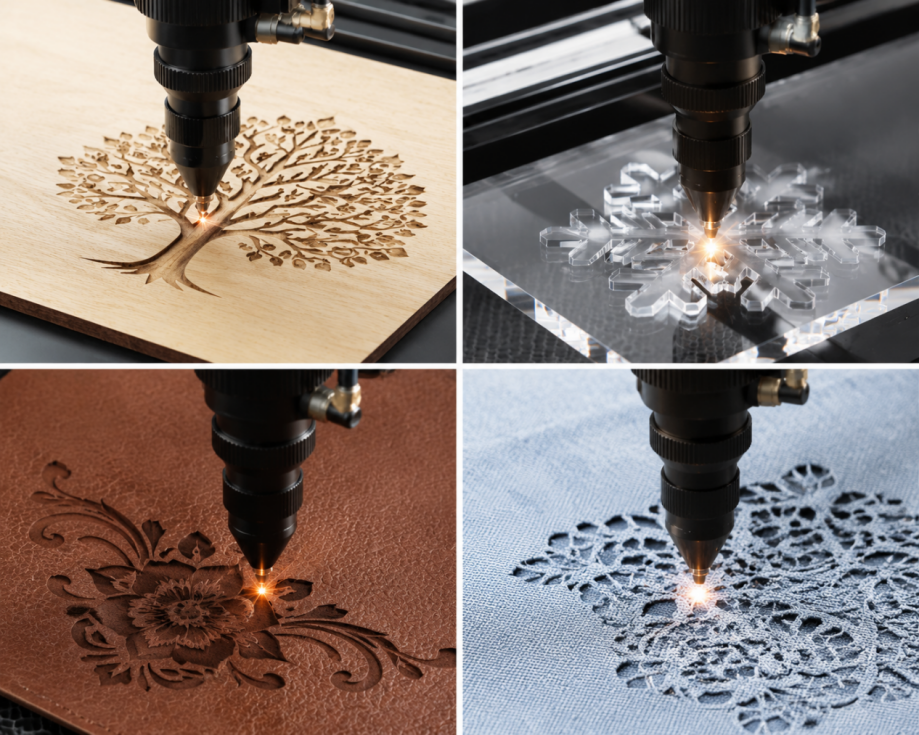
Based on common industry applications and standard machine configurations, a CO2 laser engraving machine can effectively process a diverse palette of materials.
Wood: This includes hardwoods, softwood, plywood, MDF, and bamboo. The laser can cut intricate shapes and engrave detailed designs, making it ideal for signage, architectural models, and custom furniture. For professionals seeking the best CO2 laser cutter for acrylic and wood, a mid-power machine offers an excellent balance for these materials.
Acrylic (PMMA): Cast acrylic is a favorite for laser cutting and engraving. It is widely used for displays, signage, and point-of-purchase items. As noted, the laser can deliver incredibly clean edges on materials like acrylic and wood. The pass-through design on certain models also allows processing materials longer than the cutting table itself.
Leather: Both natural and synthetic leather can be cut and engraved with high precision. This is extensively used in the fashion industry for custom accessories and for creating intricate patterns.
Fabric & Textiles: From cotton and polyester to more technical fabrics, the laser seals the edges during cutting, preventing fraying. This is a crucial advantage in the apparel and upholstery industries. The integration of conveyor systems and auto-feeders makes roll-to-roll processing highly efficient.
Paper & Cardboard: The laser cuts through paper, cardstock, and cardboard with high precision and speed, making it perfect for packaging prototypes, greeting cards, and intricate paper art.
Glass & Crystal: Engraving on glass and crystal is achieved by creating micro-fractures on the surface. This is used for awards, personalized gifts, and architectural glass decoration.
Stone: Materials like marble, granite, and slate can be engraved for creating memorials, personalized coasters, and artistic pieces.
Choosing the right material and settings is critical. For example, engraving on a light-colored wood like maple will produce a subtle, smoky contrast, whereas a dark wood like walnut will show a lighter, more pronounced engraving. With acrylic, “cast” acrylic is preferred for its frosted engrave and flame-polished cut, while “extruded” acrylic can have a somewhat different visual result. Understanding these nuances is key to achieving the desired final product with a CO2 laser engraving machine.
Selecting the appropriate CO2 laser engraving machine is a strategic decision that should be based on your current and future project requirements. There is no one-size-fits-all solution, but by focusing on a few key factors, you can find the perfect match for your needs.
Laser power (measured in watts) and working area are the two most fundamental specifications of a CO2 laser engraving machine.
Laser Power: This directly dictates the machine’s capability.
Lower Power (e.g., 60W): These are often found in best desktop CO2 laser engraver models. They are well-suited for engraving and thin cutting on materials like paper, fabric, and thin wood or acrylic. They are ideal for hobbies, schools, and light commercial use.
Mid Power (e.g., 90W-100W): This is a popular choice for small to medium-sized businesses. They offer a solid balance of engraving speed and cutting thickness, capable of handling thicker woods and acrylics.
High Power (e.g., 150W-300W+): These are the best industrial CO2 laser machine options. They are designed for high-volume production and can cut through the thickest materials at the highest speeds, significantly increasing throughput.
Working Area: This is the physical size of the material you can process. A larger working area (e.g., 1300x900mm, 1600x1000mm, or even 1300x2500mm) allows you to work with bigger sheets or run multiple smaller jobs simultaneously, which is a key feature of industrial systems.
The quality and type of core components determine the machine’s reliability and performance.
Laser Tube: The heart of the machine. Options include CO2 glass laser tubes and CO2 RF metal laser tubes. A high-quality CO2 tube is crucial for consistent power output and a long operational life.
Lens and Mirrors: These optical components guide and focus on the laser beam. The quality of these parts directly impacts the sharpness and efficiency of the cut or engraving.
Worktable Types: Different worktables are suited for different materials.
Honeycomb Table: Ideal for cutting, as it supports the material while allowing smoke and debris to be pulled away from underneath, reducing flare-ups.
Blade (Knife Strip) Table: Supports the material from underneath with a series of sharp blades, minimizing contact and back reflection. This is excellent for cutting materials like fabric and thin acrylic, where you want a clean edge without marking the bottom surface.
Lifting Platform: This feature allows the bed to be raised or lowered, accommodating thicker or irregularly shaped materials.
The software is the interface between your design and the final product. A CO2 laser engraving machine should be compatible with popular design software.
Software: Compatibility with offline software and intuitive control interfaces is a major plus, allowing you to use a familiar workflow and giving you control over intricate settings.
Automation: For high-volume needs, consider systems with automation features. This can range from a simple pass-through design for processing longer materials to full conveyor belt systems for continuous, in-line production. As your needs grow, look for a system with expandable options that save you time and reduce costs.
Mastering a CO2 laser engraving machine goes beyond the hardware. A few practical techniques can dramatically improve your results and efficiency.
Accurate focus is non-negotiable for a crisp, clear engrave. For those using the best desktop CO2 laser engraver in a small studio or workshop, taking the time to master this step is one of the fastest ways to improve output quality.
Manual Focus: Most machines have a manual focus tool or an adjustable table. A common technique is to place a piece of material under the lens and adjust the height until the focus tool just touches the material surface.
Red Dot Guidance: Many systems include a red dot pointer that simulates the path of the laser. This allows you to visually position your design on the material before the laser fires, ensuring perfect placement every time.
Safety and quality depend on a clean workspace. This is a critical consideration for anyone operating the best industrial CO2 laser machine, where long production runs generate significant fumes.
Air Assist: This feature blows a stream of compressed air directly at the point where the laser meets the material. It serves two crucial purposes: it blows away smoke and debris that could block or scatter the laser beam, and it cools the cut area to minimize charring and flaming.
Exhaust System: A powerful exhaust fan is essential. It creates negative pressure to pull smoke, fumes, and particulate matter out of the machine. This is critical for your health, protects the machine’s optics from soiling, and prevents smoke from discoloring the surface of your work.
Every material reacts differently to a laser. The correct combination of power, speed, and frequency is key. This process is essential whether you are searching for the best CO2 laser engraving machine settings for a single custom piece or for a high-volume production order.
Power: How much energy the laser outputs.
Speed: How fast the laser head moves. Maximum speeds can reach up to 400-600mm/s, depending on the drive system.
Frequency: The number of laser pulses per inch.
It is highly recommended to create your own “material test card” and maintain a log of successful parameters. This approach helps you quickly identify optimal settings for future jobs and ensures consistency across production runs.
CO2 lasers are optimized for non-metal materials such as wood, acrylic, leather, and glass. Fiber lasers are primarily designed for marking and engraving metals.
2. Is a CO2 laser engraving machine safe to use?Yes, when operated correctly and with proper safety measures. These are Class 4 laser systems, which means they have a fully enclosed cabinet that contains the beam to prevent exposure. Machines are typically CE and FDA certified.
3. Can a CO2 laser engraving machine cut metal?A standard CO2 laser engraving machine is not designed to cut bare metals. However, it can mark or engrave coated or anodized metals by removing the coating.
4. What kind of maintenance does a CO2 laser engraving machine require?Regular maintenance is vital for longevity and performance. This includes cleaning the optics (lens and mirrors), checking and maintaining the cooling system (water cooling and protection system), and periodically replacing the CO2 laser tube and cleaning exhaust fans and filters.
5. How do I decide between a desktop and an industrial CO2 laser engraving machine?Choose the best desktop CO2 laser engraver if you are a hobbyist, educator, startup, or small business with limited space and lower production demands. Choose the best industrial CO2 laser machine if you have high-volume production requirements, need to work with large-format materials, or require the highest speeds for profitability.
To summarize, a CO2 laser engraving machine offers exceptional precision and versatility for processing non-metal materials. Its non-contact nature eliminates tool wear and delivers cleaner results than mechanical methods. Selecting the right machine depends on balancing power, work area, component quality, and automation needs. Operational success hinges on mastering focusing techniques, utilizing air assist and exhaust systems, and systematically testing parameters for each material. With proper safety practices and regular maintenance, this technology provides a reliable, professional-grade solution for a wide range of creative and industrial applications.
News | Jun-30-2026
News | Jun-22-2026