Blog
In a field that evolves daily, staying ahead means staying informed.
Explore in-depth articles designed to help you solve complex challenges,
maximize your machine’s ROI.
Stay ahead in a competitive market.


In a field that evolves daily, staying ahead means staying informed.
Explore in-depth articles designed to help you solve complex challenges,
maximize your machine’s ROI.
Stay ahead in a competitive market.
News | Aug-17-2026
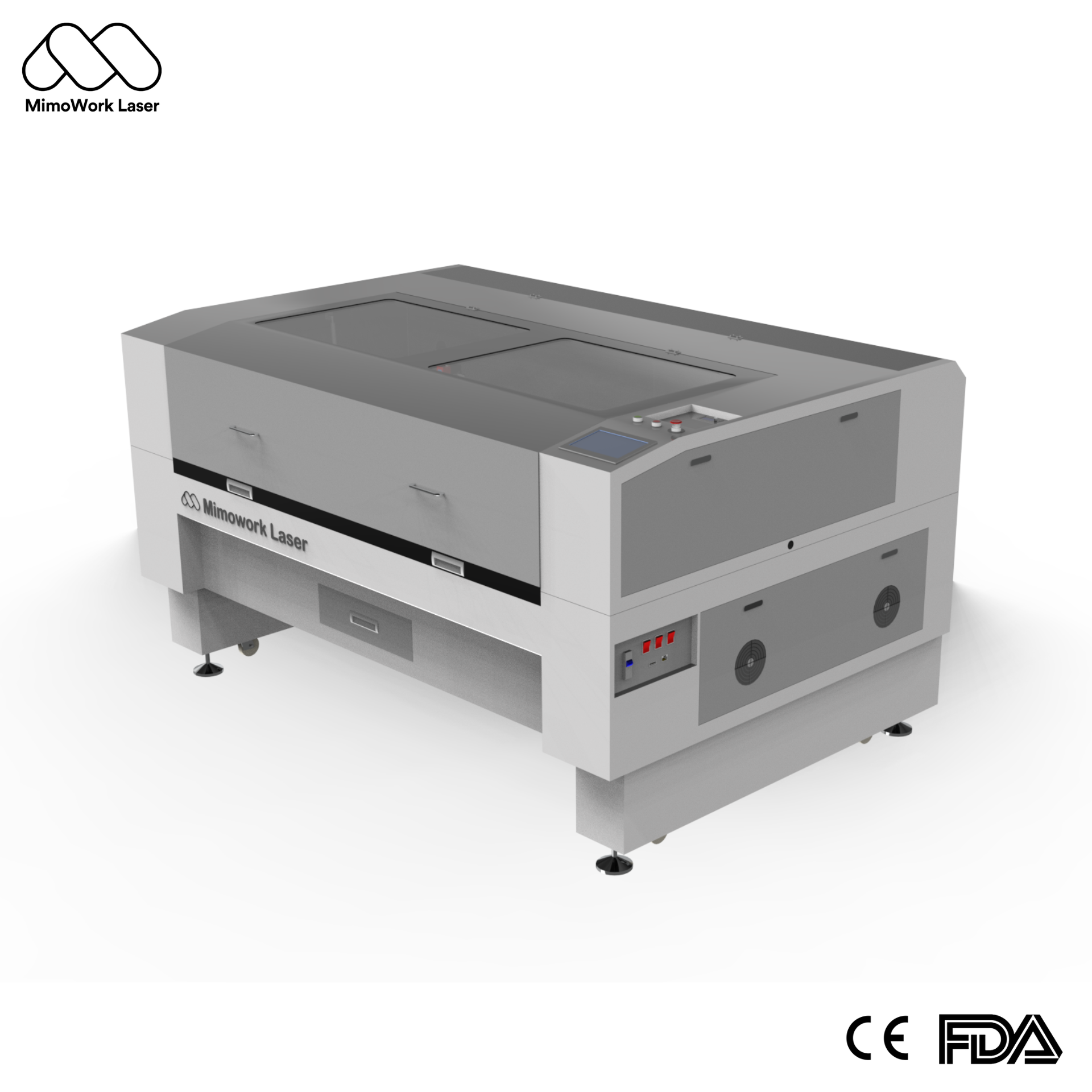
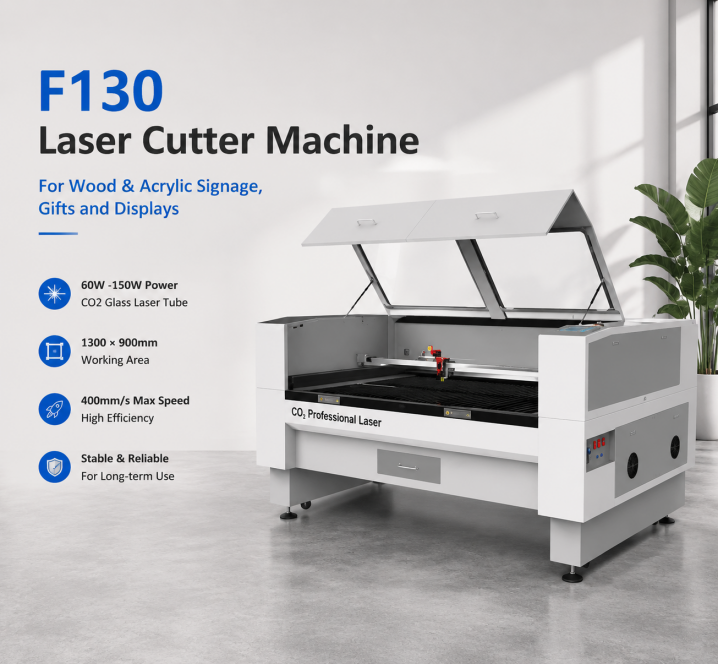
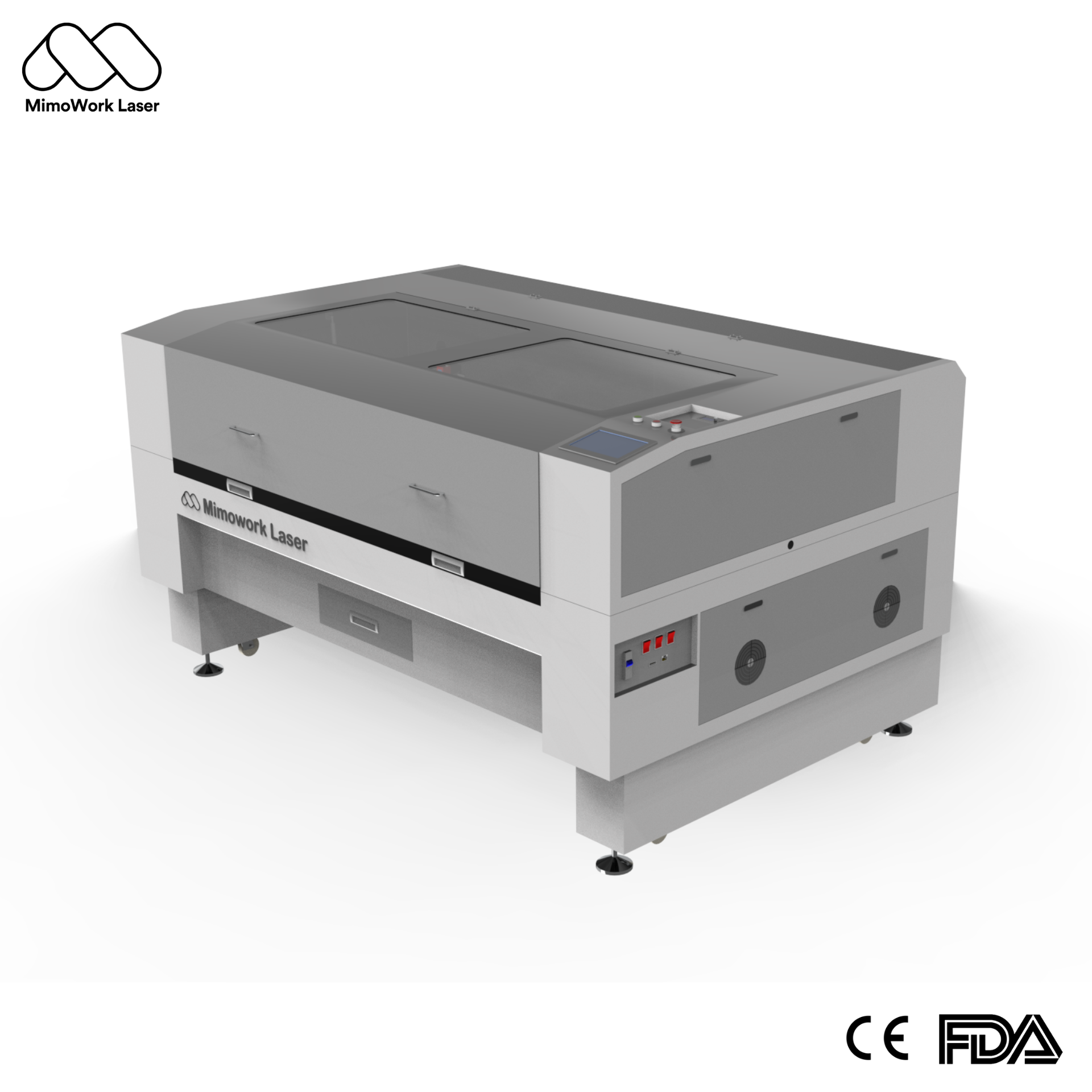
A CO2 laser cutter is a machine that generates a high-energy laser beam by electrically exciting a gas mixture (typically containing carbon dioxide, nitrogen, and helium) within a sealed tube. This beam is then directed through a series of mirrors to the cutting head, where it is focused onto the material for processing. The wavelength produced (10.6 micrometers) is exceptionally well-absorbed by most non-metallic materials, making this technology the undisputed leader for processing materials like acrylic, wood, fabric, and leather. Unlike fiber or diode lasers, a CO2 laser provides superior cutting quality and speed, especially when working with thicker sheets of acrylic or dense hardwoods.
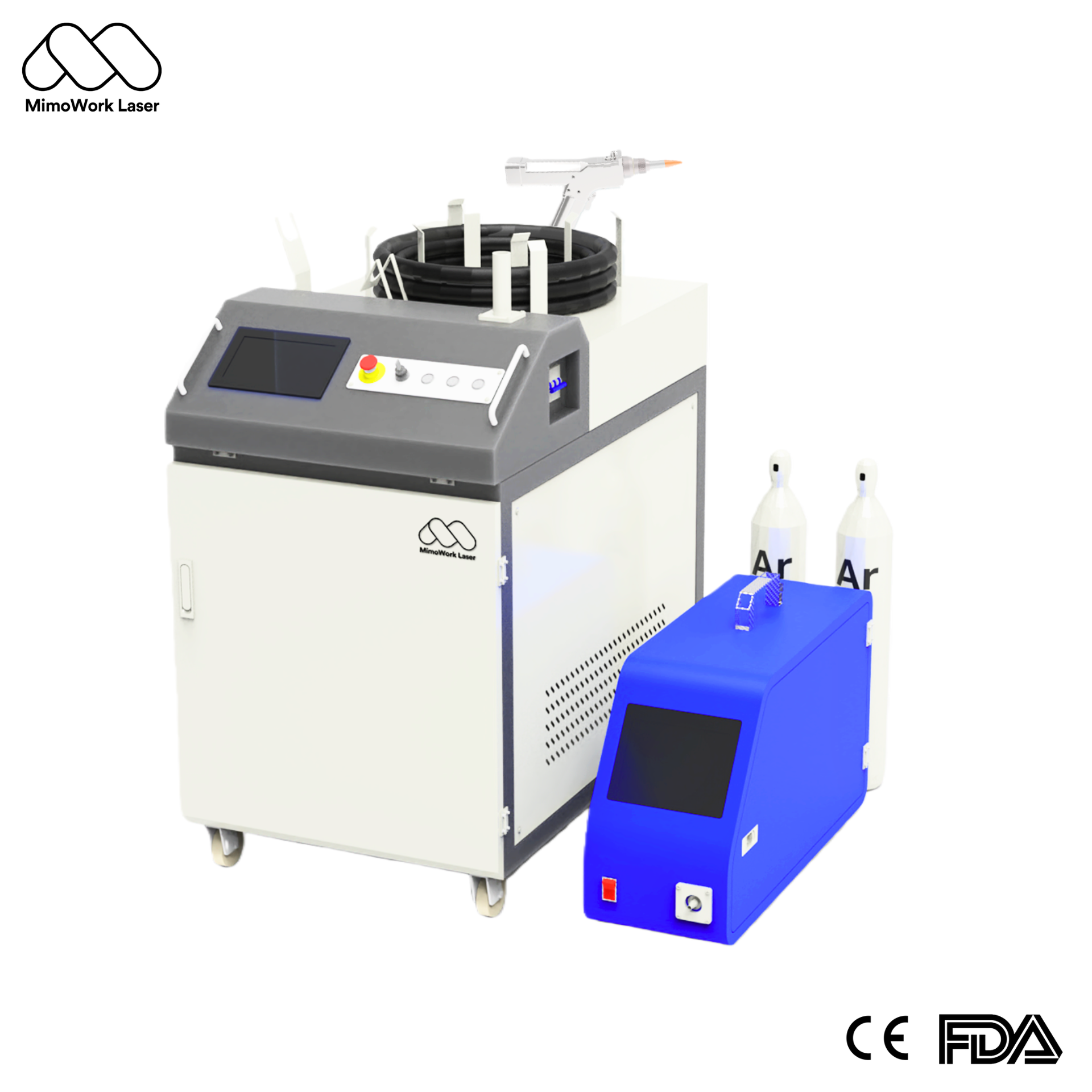
A common point of confusion is the difference between a CO2 laser cutter and a fiber laser cutter. Understanding this distinction is the first and most crucial step in selecting the best CO2 laser cutter for your specific needs.
| Comparison Dimension | CO2 Laser Cutter | Fiber Laser Cutter |
| Working Principle | Generates laser light by exciting CO2 gas molecules with electrical energy. | Generates laser light using a semiconductor pump source to excite rare-earth elements doped in an optical fiber. |
| Core Advantage | Excels at processing non-metal materials (wood, acrylic, fabric, leather, etc.) with a smooth, polished edge. Provides excellent cut quality on thick materials. | Excels at processing metals (stainless steel, carbon steel, aluminum, brass) with high speed and efficiency, especially on thin to medium sheets. Offers high electro-optical conversion efficiency (25-30%+). |
| Primary Limitation | Cannot effectively cut metals (particularly highly reflective ones like copper and aluminum). Lower electro-optical efficiency (10-15%) and generally higher operating and maintenance costs. | Cannot effectively cut non-metallic materials like wood or acrylic. |
| Applicable Materials | Acrylic, Wood, MDF, Fabric, Leather, Paper, Glass, Plastics, Stone, etc. | Stainless Steel, Carbon Steel, Aluminum Alloy, Brass, Copper, and other metals. |
| Maintenance | Requires replacement of the laser tube (especially glass tubes), mirror cleaning and alignment, and more complex optical path maintenance. | Virtually maintenance-free for the laser source, with a long service life (tens of thousands of hours). |
In short, if your core business revolves around processing non-metal materials, then the best CO2 laser cutter is the exact type of equipment you should prioritize.
Selecting the right CO2 laser cutter requires a comprehensive evaluation of several core parameters to ensure the machine perfectly aligns with your production needs, budget, and long-term growth plans.
Laser power is the primary determinant of a machine’s cutting capability and speed. Higher power allows for cutting thicker materials and at faster speeds. However, the optimal choice depends on matching the power to your specific processing requirements.
| Power Range | Typical Applications | Cutting Thickness & Material Reference | Suitable User |
| Low Power (40W – 80W) | Fine engraving, thin material cutting, small crafts, stamp making. | Can cut acrylic or wood up to 5mm thick; excels at engraving paper, leather, and thin wood. | Hobbyists, small studios, educational institutions. |
| Medium Power (100W – 150W) | A popular CO2 laser cutter power range, offering a great balance of cutting ability and speed. The most versatile option. | Can effectively cut acrylic up to 15-20mm thick and MDF/wood up to 12-15mm and above. | Small to medium businesses, sign makers, craft producers, packaging prototyping. |
| High Power (300W & Above) | Industrial high-volume production, thick material, and high-speed cutting. | Cuts even thicker acrylic, wood, and specialized industrial textiles (like Cordura, Kevlar with appropriate power). | Large manufacturing operations, high-volume processing facilities. |
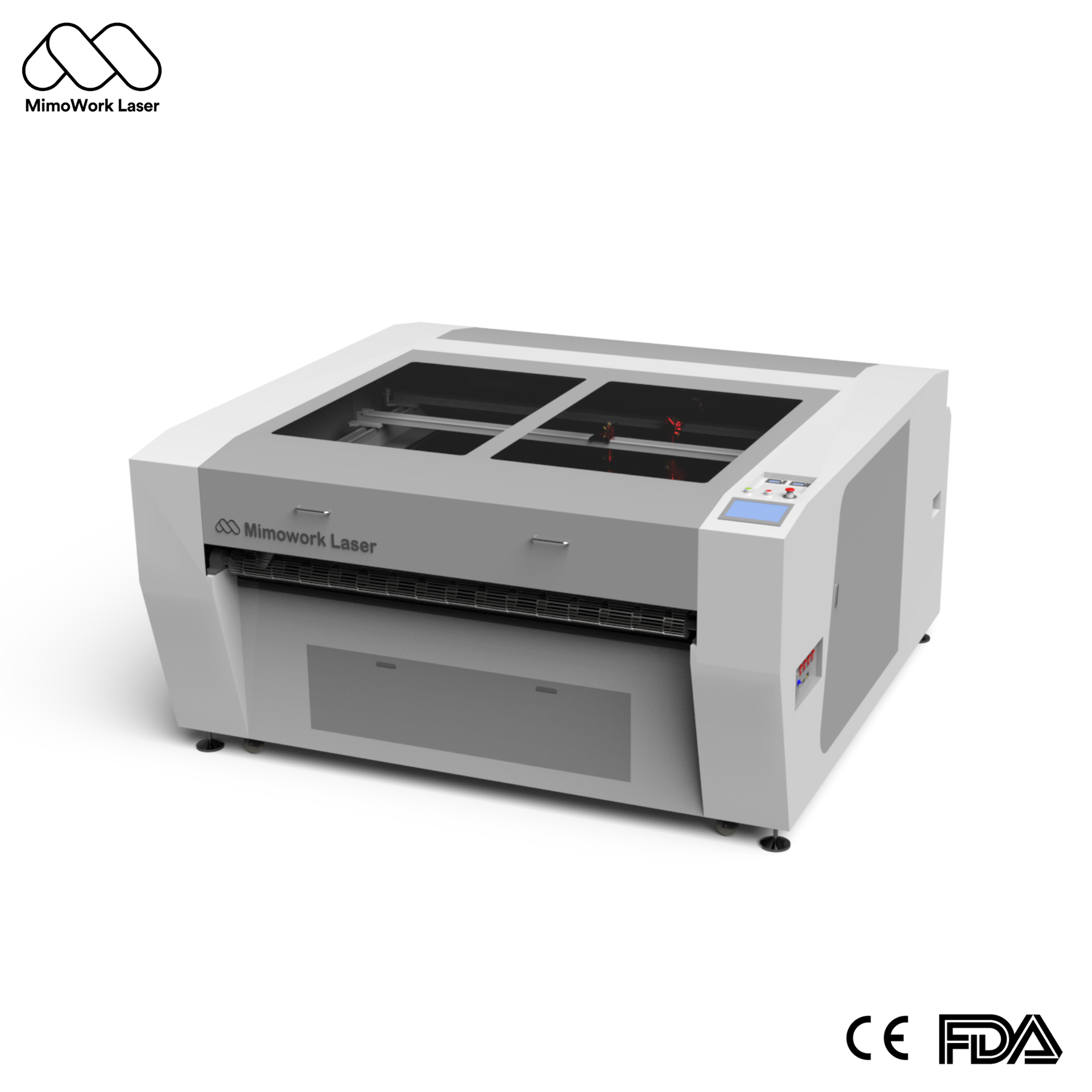
For instance, a 150W CO2 laser cutter, as highlighted by manufacturers like MimoWork, is often described as ideal for industrial production, capable of cutting 15-20mm acrylic and delivering high-quality results on a variety of materials including wood and textiles.
The work area determines the maximum size of the workpiece you can process. It’s wise to choose a machine with a bed slightly larger than your current largest item to allow for future business expansion. Various workbed sizes, from compact models like the F-6040 (600mm x 400mm) for detailed work to large-format options like the F-1325 (1300mm x 2500mm) for industrial-scale production, are available to suit diverse needs.
The workbed type is also crucial:
• Honeycomb Bed: Excellent support for thin sheets, facilitates better smoke extraction from underneath.
• Knife/Batten Bed: Preferred for cutting thick materials, as it prevents back-reflection and scorching.
• Conveyor Belt Bed: Specifically designed for roll-to-roll processing of fabrics and films, significantly boosting large-format CO2 fabric laser cutter productivity.
Cutting precision has a direct impact on the final product’s quality. Selecting a machine with high-quality motion control components is critical.
• Motor Type: Servo motors offer superior precision, speed, and stability compared to stepper motors, thanks to their closed-loop control. They are the preferred choice for a high-precision CO2 laser engraver. MimoWork’s machines emphasize the use of servo motors for high-speed, high-precision cutting and engraving.
• Transmission System: High-speed guide rails combined with rack-and-pinion or belt drive systems ensure smooth and accurate laser head movement.
• Positioning Accuracy: A high-quality industrial CO2 laser cutter can achieve a repeat positioning accuracy within ±0.05mm.
CO2 laser engraving and cutting software acts as the machine’s “brain,” dictating ease of use and functionality. MimoWork emphasizes that its powerful software is the brain of the laser system, turning digital designs into finished products. The software should support major design file formats and offer features like path optimization and nesting.
The cooling system is vital for the stable operation and longevity of the CO2 laser tube (especially glass tubes). Industrial-grade machines are typically equipped with an industrial water chiller, which precisely controls the tube’s temperature, ensuring consistent beam quality during long working sessions.
Safety systems are non-negotiable. Features like full enclosure (Class 1 laser product), emergency stop buttons, safety interlocks, and compliance with international certifications like CE and FDA are all essential to protect operators and maintain a clean, safe work environment.
The true value of a CO2 laser cutter lies in its exceptional ability to process a wide array of non-metallic materials. Choosing the best CO2 laser cutter that aligns with your core materials will maximize your return on investment.
A CO2 laser is the gold standard for cutting and engraving acrylic. An acrylic CO2 laser cutting machine creates flame-polished, smooth edges that are crystal clear and require no secondary finishing.
• Key Consideration: CO2 lasers are highly effective on clear acrylic. For thicker acrylic (e.g., 15-20mm), a machine with 150W or higher is recommended.
• Typical Applications: Signage, display stands, lightboxes, trophies, crafts, and furniture décor. MimoWork’s laser equipment is extensively used for materials like Plexiglass and Perspex.
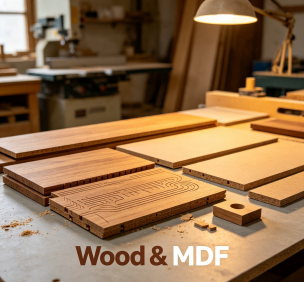
From intricate architectural models to large furniture components, a wood laser cutter machine is an indispensable tool for the woodworking and furniture industry.
• Key Consideration: The density and resin content of different woods affect cutting results. MDF and plywood are commonly processed materials. A 150W machine can effectively cut wood up to 15mm thick.
• Typical Applications: Architectural models, furniture parts, wooden crafts, decorative panels, and jigsaw puzzles. MimoWork explicitly states that its equipment is suitable for MDF, plywood, hardwoods, softwoods, and bamboo.
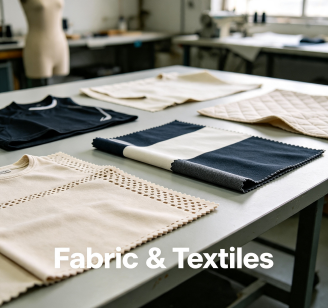
CO2 laser cutting has revolutionized the textile industry, particularly with the fabric laser cutter machine.
• Key Consideration: Laser cutting instantly seals the edges of synthetic fabrics, preventing fraying and delivering precise cuts without material distortion. For high-volume cutting of rolled goods, a large-format CO2 fabric laser cutter with a conveyor bed and automated feeding system is the ideal solution.
• Typical Applications: Apparel cutting, technical textiles, flags, quilting components, and sportswear. MimoWork’s case studies demonstrate its significant advantages in cutting materials like Spandex and sublimated polyester.
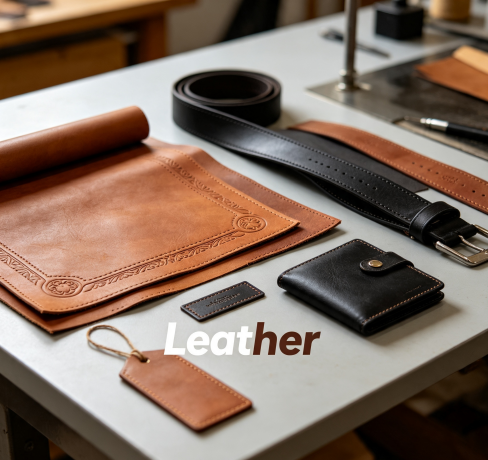
A leather CO2 laser engraver is widely used in the fashion and accessories industry.
• Key Consideration: Lasers can precisely cut intricate patterns and simultaneously engrave for decorative effects. Parameters must be optimized for different leather types, such as vegetable-tanned or full-grain leather, for best results.
• Typical Applications: Shoe uppers, handbags, belts, wallets, tags, and personalized custom items. MimoWork’s equipment covers a range of leather materials, including vegetable-tanned and full-grain leather.
No, a standard CO2 laser cutter cannot effectively cut metal. The 10.6μm wavelength is not well absorbed by most metals, especially reflective ones like copper and aluminum. For metal cutting, a fiber laser cutter is the correct choice.
This depends on the material you process most often and its maximum thickness. For cutting 3-5mm acrylic or wood, an 80-100W machine may suffice. If you frequently work with 15-20mm thick materials, a 150W machine or higher is a better investment. It’s generally advisable to choose a power level that offers a slight capacity cushion.
It depends on the type of laser tube. Glass tubes typically last between 4,000 to 7,000 hours, offering a more affordable initial investment. RF (radio frequency) metal tubes can be re-gassed to restore performance, potentially extending their total service life beyond 60,000 hours, providing greater stability, consistency, and long-term value. Proper cooling and regular maintenance are essential to maximize tube lifespan and maintain reliable performance.
A “pass-through” design features open panels on the front and back (or sides) of the machine, allowing long or continuous materials to pass through the work area. This enables the processing of materials that are longer than the machine’s bed, making it highly valuable for applications like long signs, LED channels, or roll-fed textiles.
Absolutely. The cutting process generates smoke, dust, and potentially harmful fumes. A robust exhaust system, including a powerful industrial blower, ducting, and/or an integrated fume extractor, is mandatory to ensure operator safety, comply with workplace regulations, and protect the machine’s optics from contamination.
Selecting the best CO2 laser cutter is a strategic investment that hinges on a clear understanding of your materials and production goals. By carefully evaluating key factors like laser power, work area, precision, and software capabilities, you can find a machine that not only meets your current needs but also adapts to future growth. Whether you are working with acrylic, wood, fabric, or leather, the right CO2 laser cutter will bring unmatched efficiency, precision, and quality to your operations, transforming your creative or industrial vision into reality with consistent, professional results.
News | Jul-24-2026
News | Jul-15-2026