Blog
In a field that evolves daily, staying ahead means staying informed.
Explore in-depth articles designed to help you solve complex challenges,
maximize your machine’s ROI.
Stay ahead in a competitive market.


In a field that evolves daily, staying ahead means staying informed.
Explore in-depth articles designed to help you solve complex challenges,
maximize your machine’s ROI.
Stay ahead in a competitive market.
News | Oct-14-2026
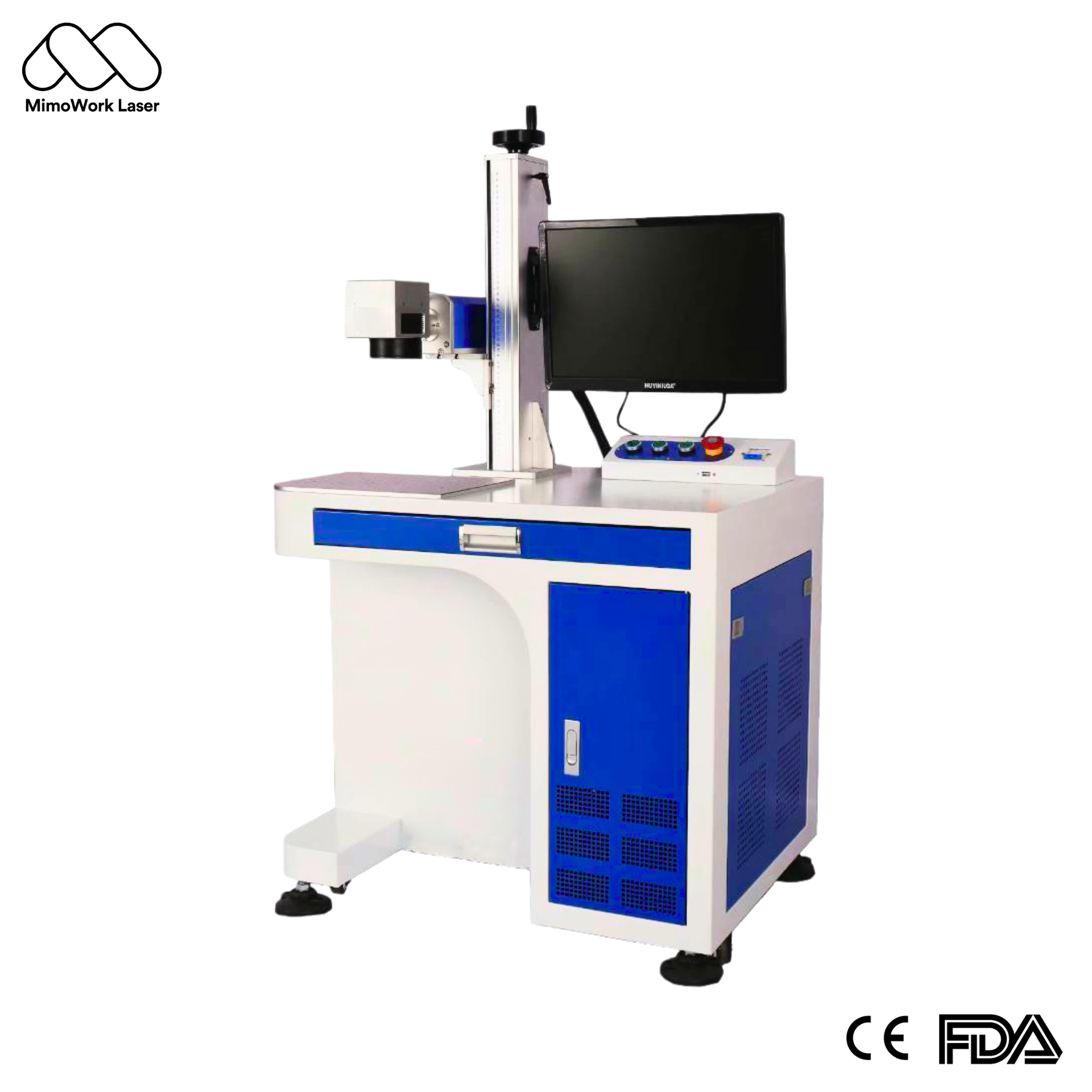
A laser wire marking machine price is shaped by the laser source, material compatibility, production speed, and level of automation. A basic standalone marker has different requirements from a system designed to mark moving cable continuously, inspect codes, or communicate with an existing production line. The useful starting point is not a price tag alone, but the marking result and production demands the machine must meet.
For wire and cable manufacturers, a machine should create readable identification without damaging insulation or slowing the line. This guide explains the main cost drivers, how to compare laser technologies, and when additional automation is worth considering.
The largest cost differences usually come from the laser source, production setup, and integration requirements. Two machines that look similar in a product listing may be designed for very different materials or line speeds.
| Cost factor | What can increase system requirements | What buyers should verify |
| Laser source | Material-specific wavelength and marking performance | Test results on the actual wire or cable |
| Speed and precision | Fast scanning, small characters, stable focus, line synchronization | Readability at the required production speed |
| Automation | Sensors, encoders, automatic feeding, line controls | Compatibility with existing equipment |
| Options and safety | Vision inspection, fixtures, enclosure, fume extraction | Which features are essential for the application |
| Installation and support | Commissioning, programming, training, service | What is included in the supplier’s quotation |
The source affects how laser energy interacts with the target surface. Fiber lasers are widely used for suitable metals, while UV laser marking machines are often evaluated for selected heat-sensitive plastics. CO2 lasers can process compatible non-metallic materials. Source power matters, but higher power alone does not guarantee better contrast or a faster usable process.
Ask the supplier to demonstrate the required mark on your material rather than selecting a source based on power specifications alone.
A machine marking stationary samples has different demands from one marking wire as it moves along an extrusion line. Higher line speeds may require accurate triggering, encoder feedback, optimized scanning, and stable positioning. Fine characters and machine-readable codes also need enough contrast and resolution to remain legible.
Share the wire diameter, line speed, character height, marking interval, and required code type when requesting a quotation. These details help suppliers recommend a system that matches the actual process.
Inline marking systems may include sensors, encoders, mounting hardware, controllers, and interfaces with upstream or downstream equipment. Vision systems can support positioning or code inspection, while fixtures and rotary devices help with certain component geometries. Safety enclosures and extraction may also be necessary.
These additions are valuable when they solve a real production problem. A manual station may be sufficient for low-volume or intermittent work; continuous production may justify automated triggering and line integration.
The best source is the one that marks the specific material clearly without compromising its function. Conductor material, insulation polymer, pigments, surface finish, and allowable heat exposure all affect the result. Test the complete cable construction rather than relying on the material name alone.
| Laser type | Common applications to evaluate | Main selection concern |
| Fiber laser | Metal connectors, terminals, sleeves, and compatible engineered plastics | Some cable insulation may not mark effectively |
| UV laser | Selected plastics and heat-sensitive insulation requiring fine, high-contrast marks | Results vary with polymer formulation and additives |
| CO2 laser | Compatible non-metallic materials and selected coated surfaces | Melting, contrast, and fumes must be assessed |
Fiber lasers are a strong candidate for suitable metal components such as connectors, terminals, and metal sleeves. They can mark serial numbers, product codes, and logos, with the result depending on the material and process settings.
They are not automatically suitable for every polymer jacket. Poor material response can lead to weak contrast or surface damage. Confirm performance through a sample test before specifying a fiber system for insulated wire.
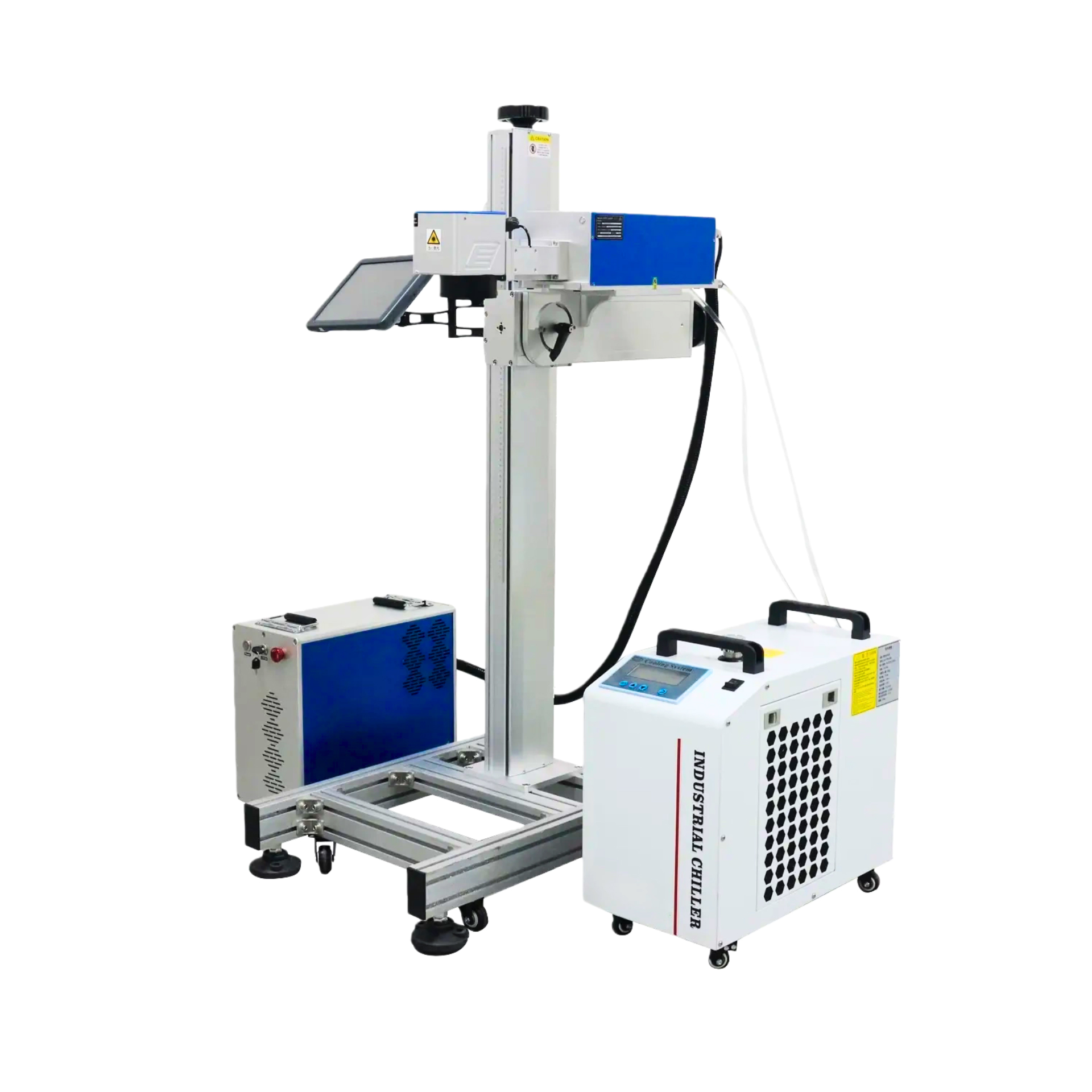
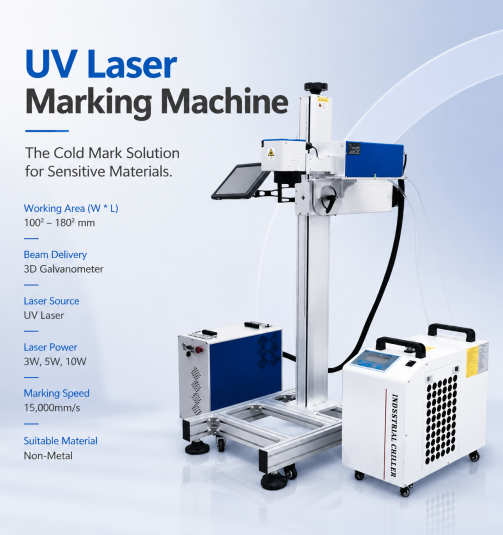
UV systems are often considered when fine detail and limited thermal impact are important. They can produce clear marks on selected polymers, but the outcome depends on formulation, colorants, additives, and surface finish.
A successful test should assess more than visual contrast. Check whether the surrounding insulation remains intact and whether the mark stays readable after relevant handling or environmental exposure.
CO2 lasers can mark certain non-metallic cable materials, but compatibility varies. Some surfaces respond well, while others may melt, discolor, or produce inadequate contrast.
Take particular care with PVC and other halogen-containing materials. Laser processing can release hazardous gases and corrosive by-products, so material composition, extraction, and safety procedures must be reviewed before testing.
Related guide: https://www.mimowork-laser.com/blog/finding-the-best-laser-marking-machine-a-material-centric-guide
The purchase price is only one part of the total cost of ownership. Maintenance, labor, extraction, downtime, and rejected parts can have a greater effect on long-term value than a small difference in the initial quotation.Watch the video below to learn how to choose the right fiber laser marking machine for your needs.
Consider these recurring and setup costs:
To compare suppliers, estimate the cost per marked meter or part. Use realistic throughput and include downtime, scrap, and routine maintenance. This gives a more useful comparison than focusing on electricity or consumables in isolation.
Laser marking is attractive when durable identification and reduced marking consumables matter, but it is not automatically the best method for every line. Inkjet, thermal transfer, labels, and mechanical methods may suit particular materials, speeds, or operating environments.
Laser marking is non-contact and can provide repeatable text, symbols, and codes when the process is properly calibrated. A validated mark can support traceability, but durability depends on the surface, marking depth, and exposure to abrasion, chemicals, heat, and other conditions.
Traditional methods may be easier to deploy or more economical for some high-speed applications. Compare actual sample quality, line throughput, changeover time, consumables, and maintenance before making a decision.
An upgrade is worth evaluating when manual handling, inconsistent mark placement, or line-speed limitations become recurring production problems. Automation is less compelling when marking is occasional and operators can meet quality requirements without disrupting other work.
Look for these signs that an upgrade may help:
Before investing, confirm that the marking system can synchronize with line movement and maintain legibility at the target speed. A material test and production trial can reveal whether automation will improve throughput without affecting insulation quality.
A clear application brief helps suppliers recommend a suitable configuration and makes quotations easier to compare. Include the details that affect marking quality and integration rather than requesting a machine based on a general product category.
Prepare the following information:
For manufacturers comparing a laser cable marking machine with existing printing equipment, sample testing is especially useful. It shows whether the process can meet the required mark quality and production rate before a configuration is finalized.
Direct laser marking does not normally require marking ink or adhesive labels. The system may still need routine maintenance and replacement of items such as protective optics or extraction filters.
No single laser source should be assumed to work with every insulation material. Polymer formulation, pigments, surface finish, and line speed can change the result. Test the actual cable construction before selecting equipment.
Assess contrast, legibility, code readability, marking consistency at production speed, and whether the insulation shows signs of damage. For demanding applications, also verify durability under the relevant service conditions.
Provide the material specifications, wire diameter, marking content, line speed, marking interval, installation method, and production target. Samples of the actual wire or cable help validate the process.
The most useful way to evaluate a laser wire marking machine is to test it against the material and production conditions it will face. A mark that looks clear on a stationary sample may behave differently on moving wire or after exposure to abrasion and heat.
MimoWork can help assess compatible laser processing options based on your material, marking content, and production requirements. Share a cable sample or marking file to discuss process feasibility, mark quality, and whether a standalone or integrated solution is more appropriate.
News | Sep-14-2026
News | Jul-22-2026