Blog
In a field that evolves daily, staying ahead means staying informed.
Explore in-depth articles designed to help you solve complex challenges,
maximize your machine’s ROI.
Stay ahead in a competitive market.

In a field that evolves daily, staying ahead means staying informed.
Explore in-depth articles designed to help you solve complex challenges,
maximize your machine’s ROI.
Stay ahead in a competitive market.
News | Jul-31-2026
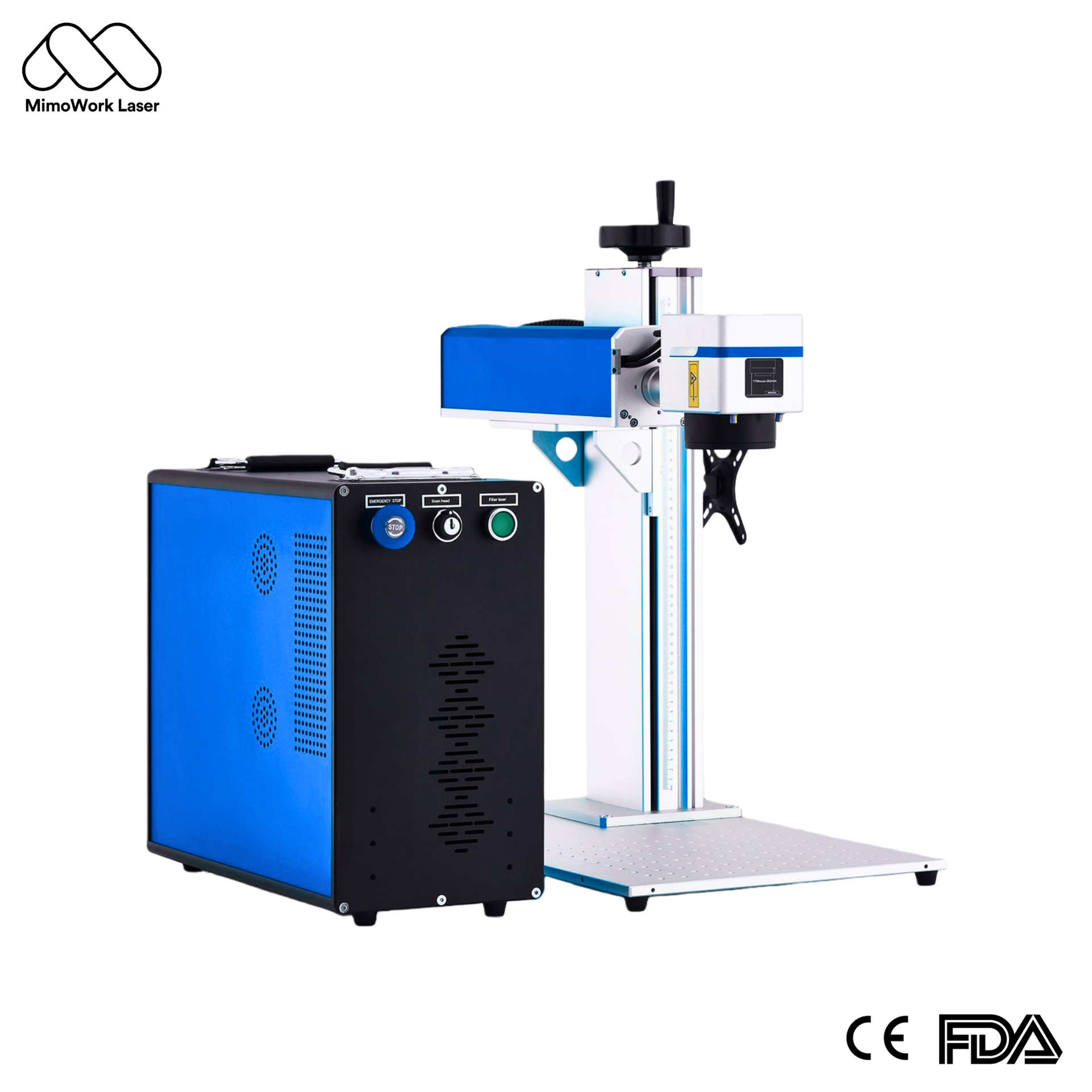
Color marking used to mean paint, ink, or a chemical etch — each with its own fade timeline, environmental footprint, and extra process step. A color laser marking machine changes that equation entirely: it produces permanent, vivid color directly on the surface of a metal part using nothing but controlled light. This guide walks through how the technology actually works, what materials and industries it serves, and what to look for when choosing a system — grounded in the same MOPA fiber laser platform MimoWork builds its marking solutions around.
Color laser marking is a non-contact process that uses a focused laser beam to trigger a controlled chemical and physical change in a material’s surface — rather than removing material (like engraving) or depositing pigment (like printing). The color appears from the material itself reacting to precisely controlled heat, not from any ink or coating added on top.
A standard Q-switched fiber laser marks with a fixed pulse width, which limits it largely to gray-scale or single-tone marking. A MOPA laser’s adjustable pulse width unlocks a genuinely different capability set — true multi-color output on the same equipment.
| Capability | Standard Q-Switched Fiber Laser | MOPA Fiber Laser |
| Pulse width | Fixed | Adjustable (nanosecond range) |
| Color marking | Not supported | Full color range on compatible metals |
| Anodized aluminum blackening | Limited | High-contrast, controllable results |
| Typical use case | Standard engraving, serial numbers | Color branding, decorative and traceability marking |
Traditional printing applies pigment on top of a surface, while chemical etching removes material using acid baths — both add a consumable-dependent, multi-step process with an environmental footprint. Color laser marking replaces both with a single, tool-free, chemical-free pass that produces a permanent result in one step.
| Factor | Printing / Chemical Etching | Color Laser Marking |
| Consumables | Ink, solvents, etching chemicals | None |
| Durability | Prone to fading, chipping, or corrosion | Permanent, embedded in the material surface |
| Process steps | Multiple (masking, etching, cleaning, printing) | Single pass |
| Environmental impact | Chemical waste and disposal required | No chemical byproducts |
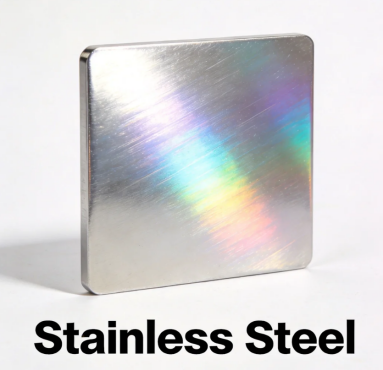
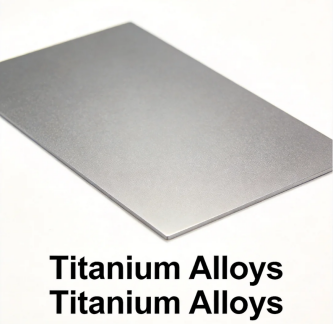
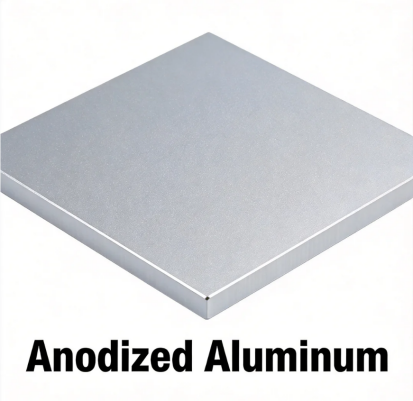
No. Vivid, multi-color output is reliably achieved on stainless steel, titanium, and certain coated or anodized metals, since these materials form the oxide layers that create visible color under laser heat. Other metals may only support contrast marking (black, white, or gray) rather than a full color range.
A MOPA laser’s independently adjustable pulse width lets it precisely control how much heat is applied and for how long, which in turn controls the thickness of the oxide layer formed on the material. Standard Q-switched fiber lasers have a fixed pulse width, so they can’t fine-tune this oxide layer thickness the way a MOPA source can — which is why color output stays out of reach for them.
Properly parameterized color laser marking is embedded in the material’s surface rather than sitting on top of it, so it resists fading, peeling, and chipping far better than printed or painted marks. Extremely harsh abrasive contact or aggressive chemical exposure can still affect any surface marking over time, but under normal handling and use, laser color marking holds up for the practical life of the product.
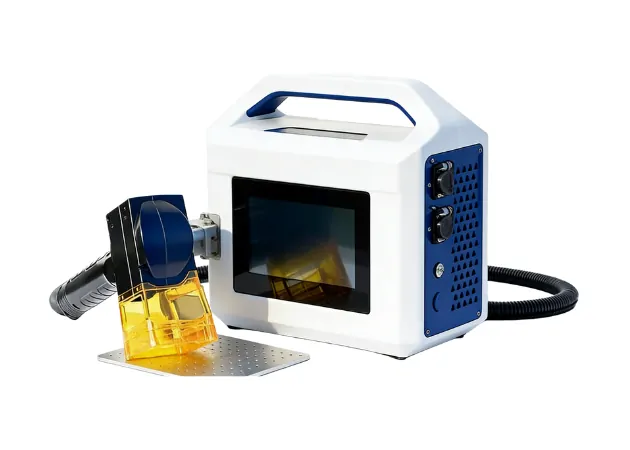
Color laser marking turns a technical capability — precise, tunable pulse control on a MOPA fiber laser — into a real business advantage: permanent branding, cleaner production, and marking quality that a chemical process simply can’t match. Choosing the right system comes down to matching power and pulse range to your materials, making sure the software and automation fit your production volume, and testing real parameters on your actual parts before committing to a production run. MimoWork’s fiber and MOPA laser marking platforms are built around exactly this flexibility — from compact galvo systems for jewelry and electronics to higher-power, automation-ready configurations for continuous industrial marking — giving your products a level of color, permanence, and precision that reinforces their value at every stage of production.
News | Jul-24-2026
News | Jun-5-2026
News | Jun-30-2026