Blog
In a field that evolves daily, staying ahead means staying informed.
Explore in-depth articles designed to help you solve complex challenges,
maximize your machine’s ROI.
Stay ahead in a competitive market.


In a field that evolves daily, staying ahead means staying informed.
Explore in-depth articles designed to help you solve complex challenges,
maximize your machine’s ROI.
Stay ahead in a competitive market.
News | Sep-20-2026
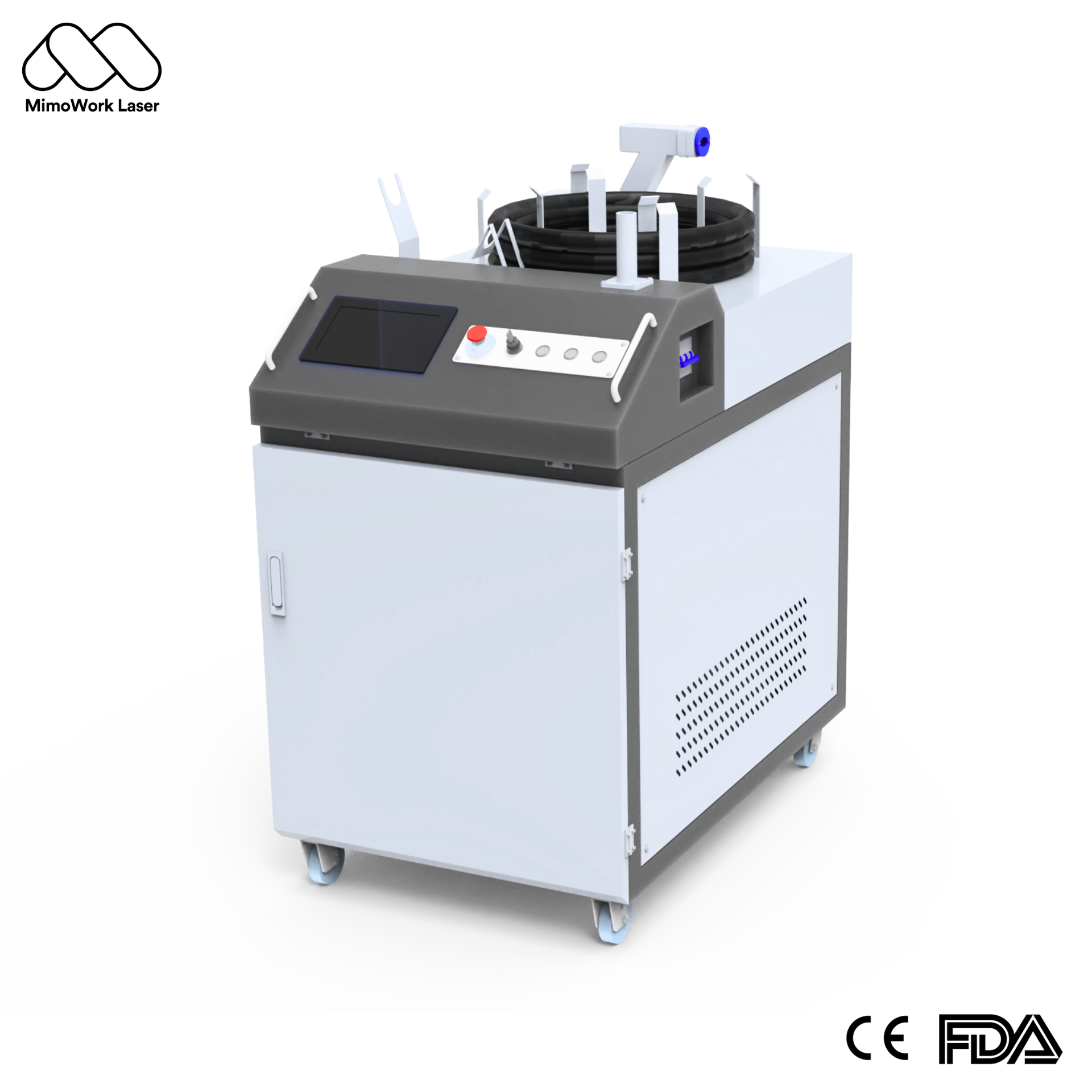
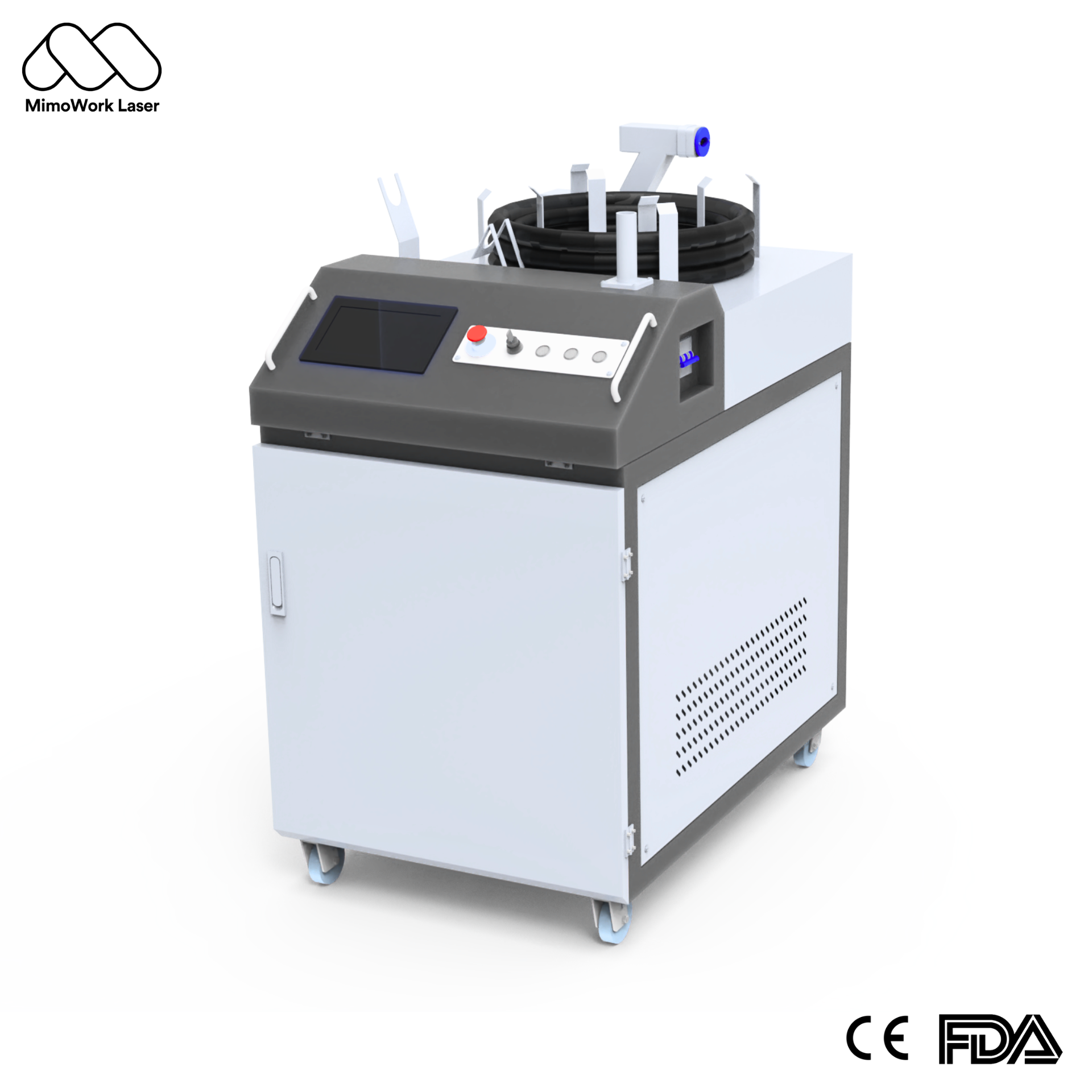
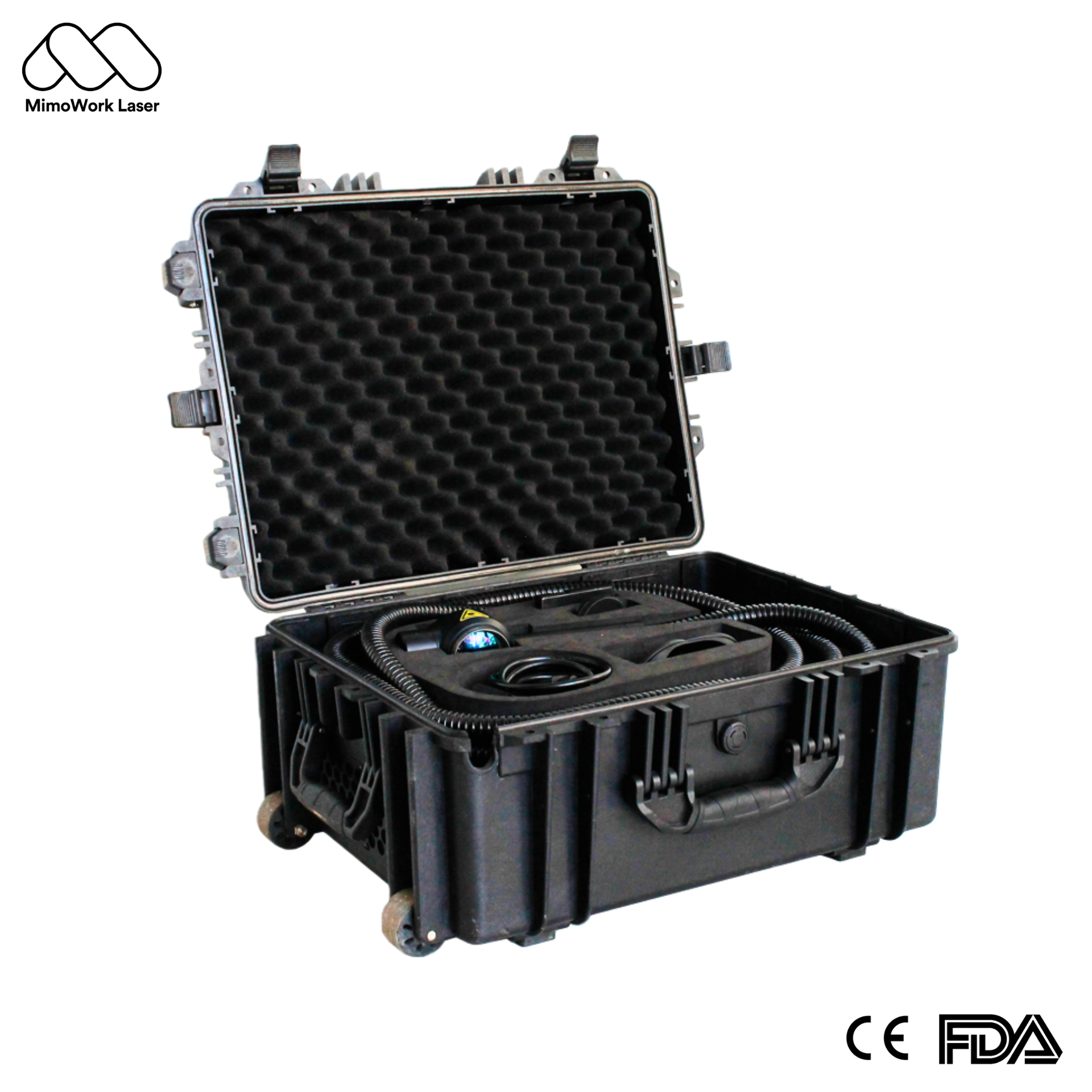
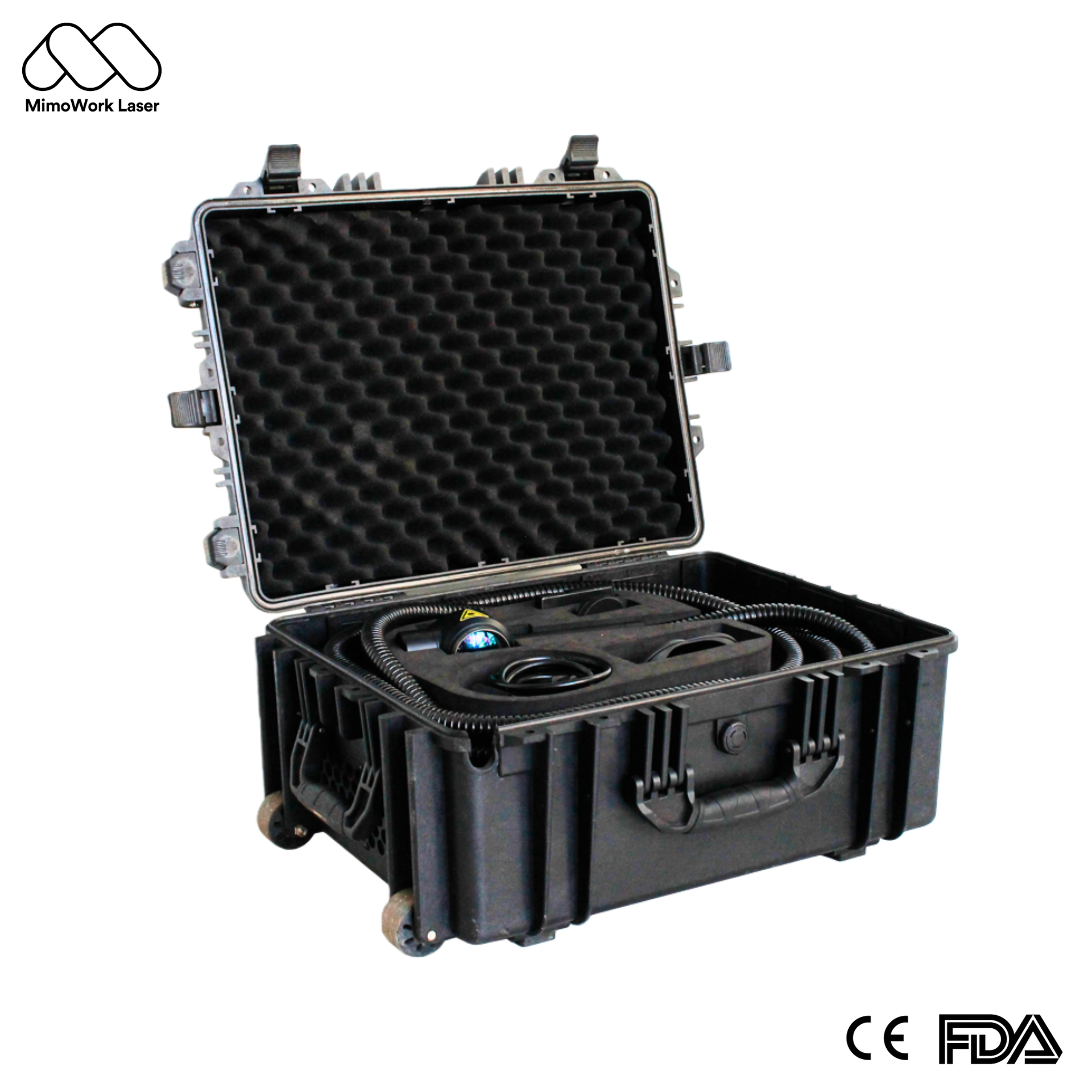
A laser cleaning machine uses a focused laser beam to remove unwanted material from a surface, while a fiber laser cleaning machine uses a fiber laser source for this process. Common applications include rust removal, paint stripping, oxide removal, mold cleaning, and surface preparation.
The laser energy interacts differently with the contaminant and the underlying material. With the right settings, the unwanted layer can be removed while keeping heat input to the substrate under control.
Unlike grinding or abrasive blasting, laser cleaning is a non-contact process. There is no abrasive wheel wearing against the workpiece and no blasting media left to collect and dispose of afterward.
For different materials and contaminants, operators can adjust key parameters such as laser power, pulse duration, frequency, scanning speed, and scan width.
This level of control allows a fiber laser cleaning machine to handle both precision cleaning on smaller components and more demanding industrial surface preparation.
Related Guide: Laser Cleaning Machine: How It Works, What It Removes, and How to Choose One
The main difference in pulsed vs. continuous fiber laser cleaning machine technology is how the laser delivers energy.
A pulsed laser releases energy in short bursts. This gives the operator more control over peak energy and heat input, which is useful when the substrate needs to be protected.
A continuous-wave (CW) laser delivers energy continuously. It can provide a higher and more consistent removal rate when dealing with heavy contamination or large surfaces.
Neither option is automatically better.
A thin oxide layer on a precision component needs a different approach from heavy rust on a large steel structure. The right system depends on the material, contaminant, cleaning area, and required cycle time.
Pulsed lasers are generally preferred when heat control is important.
This can matter when cleaning thin metal parts, molds, tooling, or components with detailed surfaces. Excessive heat can cause discoloration, distortion, or unwanted changes to the substrate.
Continuous lasers produce sustained heat input. That can be useful for aggressive cleaning, but the process needs to be matched carefully to the material.
If preserving the original surface is a priority, a pulsed system is often the better starting point.
When the contamination is thick, removal rate becomes more important.
Continuous-wave systems can be effective for heavy rust, thick coatings, and large metal surfaces because the laser delivers energy continuously.
A pulsed system can also handle these applications, but processing may take longer depending on the material and cleaning requirements.
For occasional maintenance, this difference may not matter much. For production cleaning, it can have a direct impact on cycle time and operating cost.
Both technologies can handle common contaminants such as rust, oxide, paint, grease, and surface deposits.
Pulsed systems are often considered for:
Continuous systems can be a better fit for:
The substrate matters just as much as the contamination. Carbon steel, stainless steel, aluminum, and other metals respond differently to heat, so the same settings should not simply be transferred from one material to another.
A pulsed fiber laser cleaning machine makes sense when you need controlled material removal rather than maximum aggressiveness.
Pulsed lasers are commonly used to remove rust and oxide layers where preserving the original surface matters.
They can also be used for paint and coating removal before welding, repainting, bonding, or inspection.
For molds and tooling, controlled laser cleaning can remove release-agent residue, oil, carbon deposits, and other buildup without abrasive contact.
The goal is not always to remove contamination as quickly as possible. In many applications, avoiding unnecessary changes to the workpiece is more important.
Some parts are difficult to clean with conventional tools because of grooves, corners, cavities, or fine textures.
A laser can be scanned over these areas without a grinding tool physically contacting the surface.
This is particularly useful for molds, precision components, tools, and parts where edges and surface details need to be preserved.
A pulsed fiber laser cleaning machine also gives the operator more room to fine-tune the cleaning process for different areas of the same workpiece.
A continuous fiber laser cleaning machine becomes more attractive when the workload is large and removal speed matters.
Heavy corrosion can require substantial laser energy to remove. The same applies to thick paint and tightly bonded coatings.
A continuous laser provides sustained energy to the surface, which can increase removal rates for these applications.
That does not mean more thermal energy is always better. The substrate still needs to tolerate the process.
Cleaning a large steel component is very different from cleaning a small precision part.
If an operator spends hours cleaning one large surface with a low-power system, the machine may not meet production requirements.
For larger workpieces and repetitive cleaning, a continuous system or higher-power configuration can make more sense.
This is especially relevant when choosing an industrial laser cleaning machine for regular production use rather than occasional maintenance.
Before comparing fiber laser cleaning machine prices, define the cleaning process.
Start with the material:
Heat-sensitive materials or finished surfaces may require tighter control over laser energy.
Rust, paint, oxide, grease, carbon, and mold residue absorb laser energy differently.
Thickness matters, too. A thin oxidation layer and heavy corrosion should not be treated as the same application.
A handheld system can be practical for irregular parts and maintenance work.
For large surfaces, scan width and cleaning speed become more important because they directly affect the number of passes required.
Consider how long one part can realistically spend under the laser.
A slower process may be perfectly acceptable for maintenance work. In production, however, cycle time should be one of the first specifications you compare when selecting an industrial laser cleaning machine.
If you are removing heavy rust from a steel frame, aggressive cleaning may be acceptable.
If you are cleaning a precision mold, the priority may be keeping the original surface condition as unchanged as possible.
That difference can influence the choice between pulsed and continuous technology.
Laser cleaning can generate smoke, dust, vapor, and particles depending on the material being removed.
A suitable extraction system should therefore be planned as part of the complete cleaning setup.
There is no universal winner.
Choose a pulsed fiber laser cleaning machine when:
Consider a continuous fiber laser cleaning machine when:
The better comparison is not simply 100W versus 200W. It is whether the fiber laser cleaning machine can reach the required cleaning result within the target cycle time without changing the substrate more than your application allows.
Both can remove rust. Pulsed lasers are generally better suited to precision rust removal, while a continuous fiber laser cleaning machine can be advantageous for heavy rust and larger surfaces.
Yes. A fiber laser cleaning machine can remove many types of paint and coatings. The suitable laser type and settings depend on the coating and underlying material.
There is no universal power rating.
Light rust and thin oxide layers may require less power, while heavy rust, thick coatings, and large surfaces generally require more laser energy.
A material test is the best way to determine the required power and cleaning speed.
It can if the process is poorly configured. Excessive energy may cause discoloration, melting, or other surface changes.
Proper parameter testing is important before production cleaning.
Pulsed lasers generally provide better control over heat input, making a pulsed fiber laser cleaning machine a common choice for precision cleaning. The final result still depends on the complete laser setup and process parameters.
Pulsed and continuous fiber lasers solve different cleaning problems.
A pulsed fiber laser cleaning machine is usually a good fit for precision work, molds, detailed components, and applications where heat control matters. A continuous fiber laser cleaning machine can be more productive for heavy rust, thick coatings, and large metal surfaces.
If you are comparing fiber laser cleaning machine options, test the actual workpiece before choosing the laser power. A sample test will tell you much more about cleaning speed, surface effect, and parameter range than wattage alone.
You May Also Like: https://www.mimowork-laser.com/solutions/laser-cleaning/continuous-wave-laser-cleaning-machine